



Rice















Buy Japanese Sushi Rice | Premium Authentic Sushi Rice
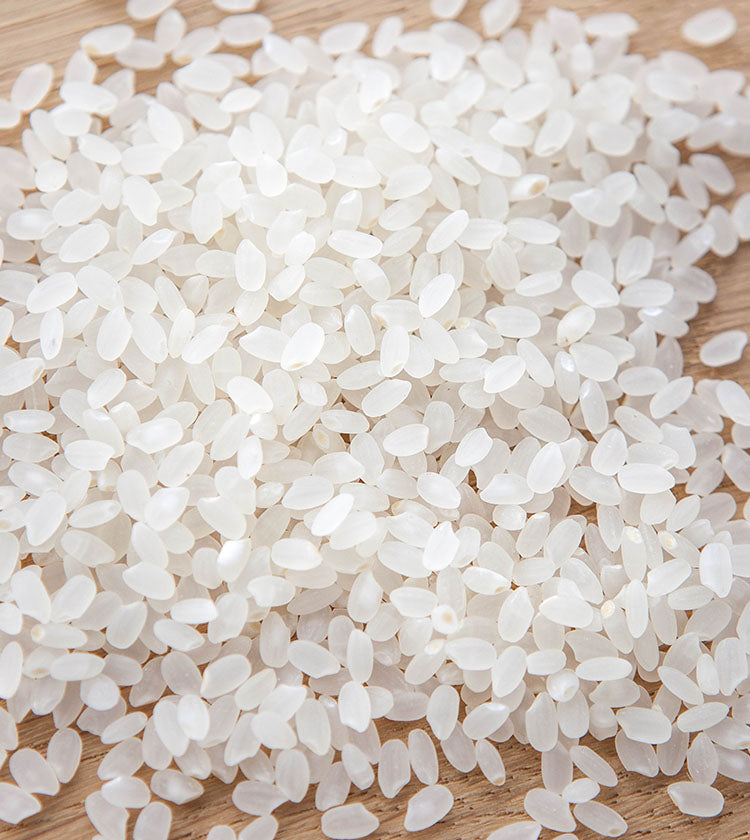
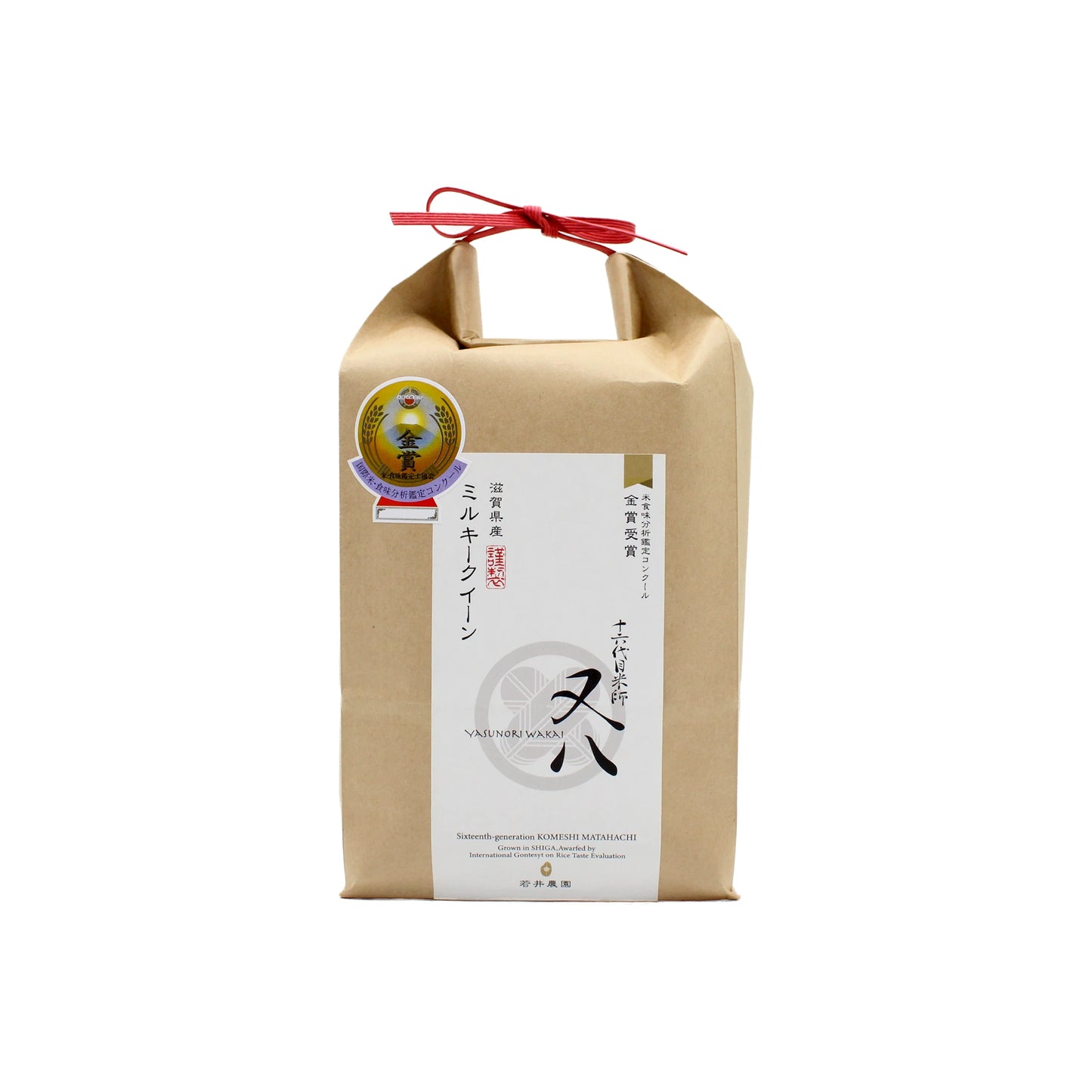
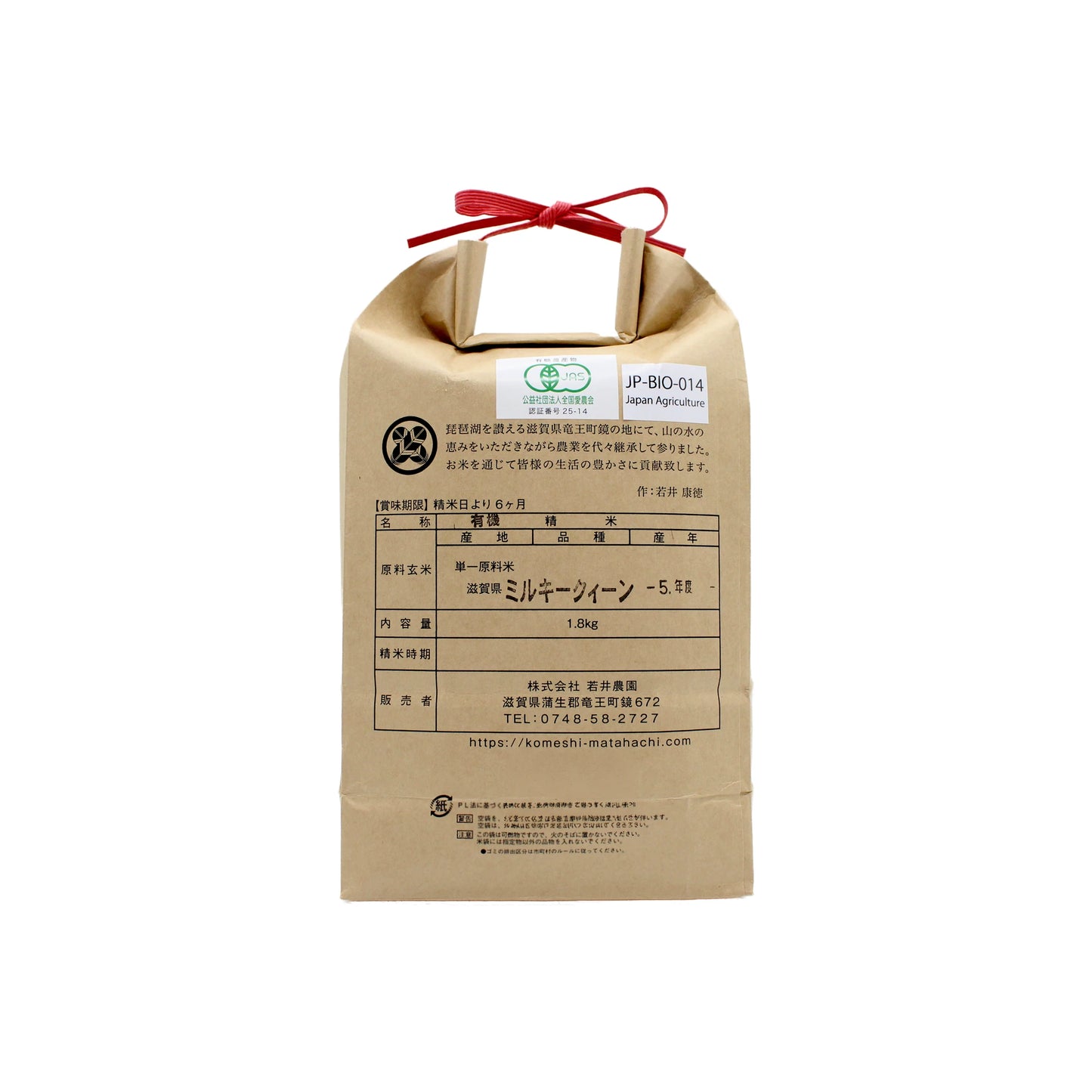
Rice is the cornerstone of Japanese cuisine - the Japanese word for 'cooked rice', gohan, is the same word for 'meal'. Japanese rice is essential for making sushi, donburi or other authentic recipes, and we make sure to stock the best.
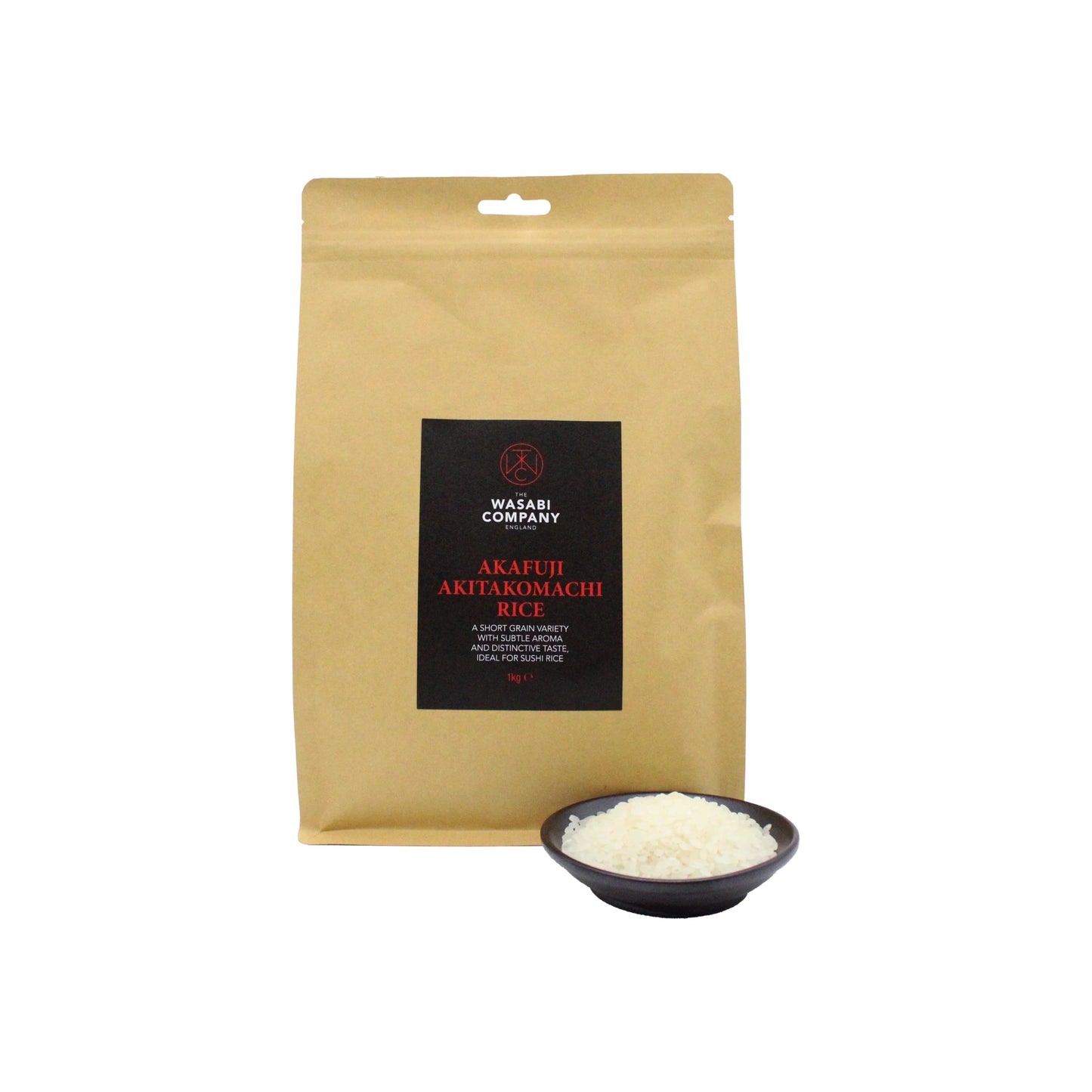
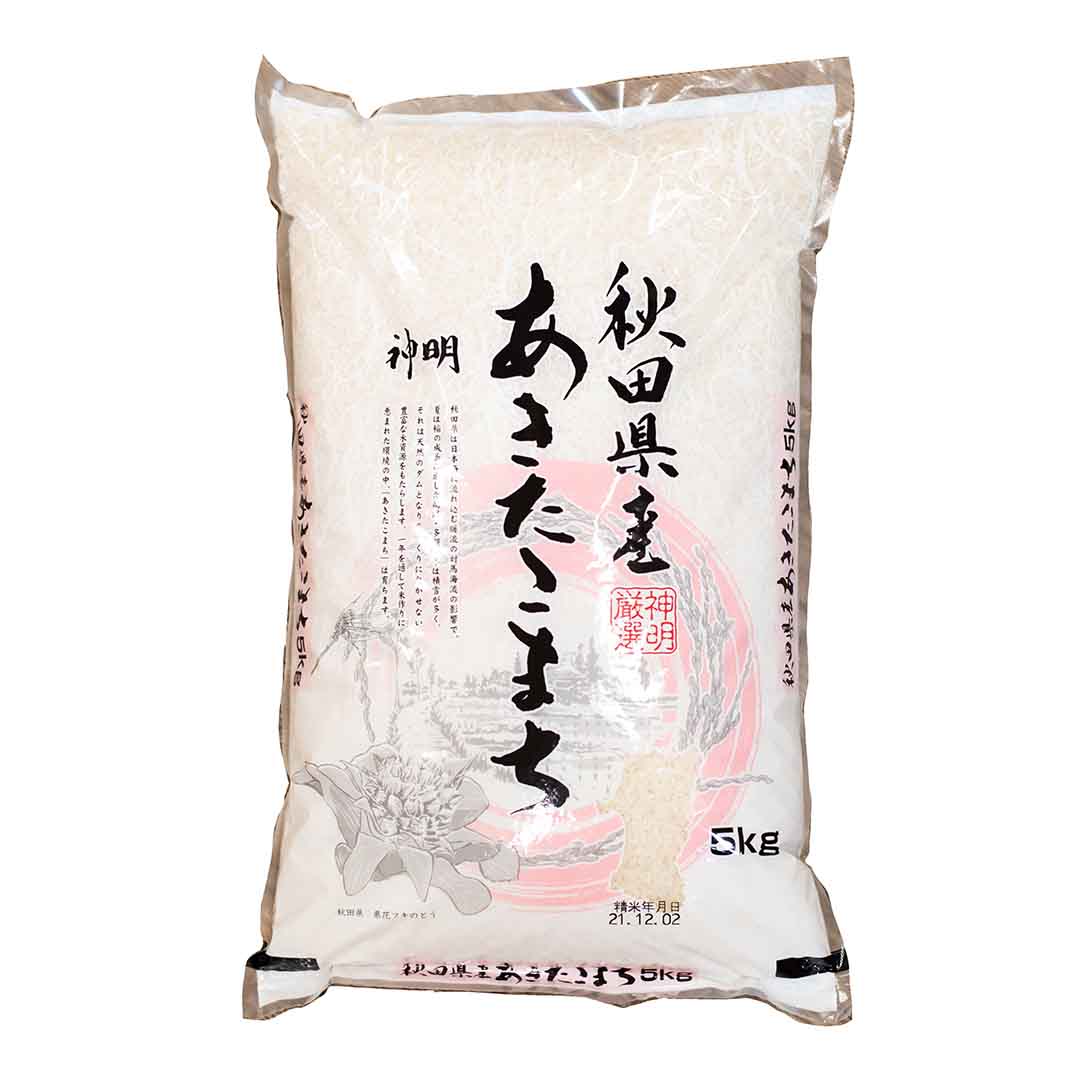
Our Koshikari rice is grown in Nyuzen, an area of Toyama prefecture famous for its pure and fast-flowing spring waters. This rice has a unique, slightly sweeter flavour than other Japanese rice varieties. We also stock Akitakomachi rice, prized for its lustre and distinctive subtle taste.
To properly cook this deliciously sticky rice, you should thoroughly wash it, and the cold rice must be soaked before cooking. For perfectly seasoned sushi rice, simply prepare a combination of salt, sugar and Japanese rice vinegar to pour over – or use premade sushi seasoning.
Once you know how to prepare cooked rice and season authentic sushi rice, a whole new dimension of Japanese food is available to you. Time to get creative with sushi toppings, flavoured rice and more.
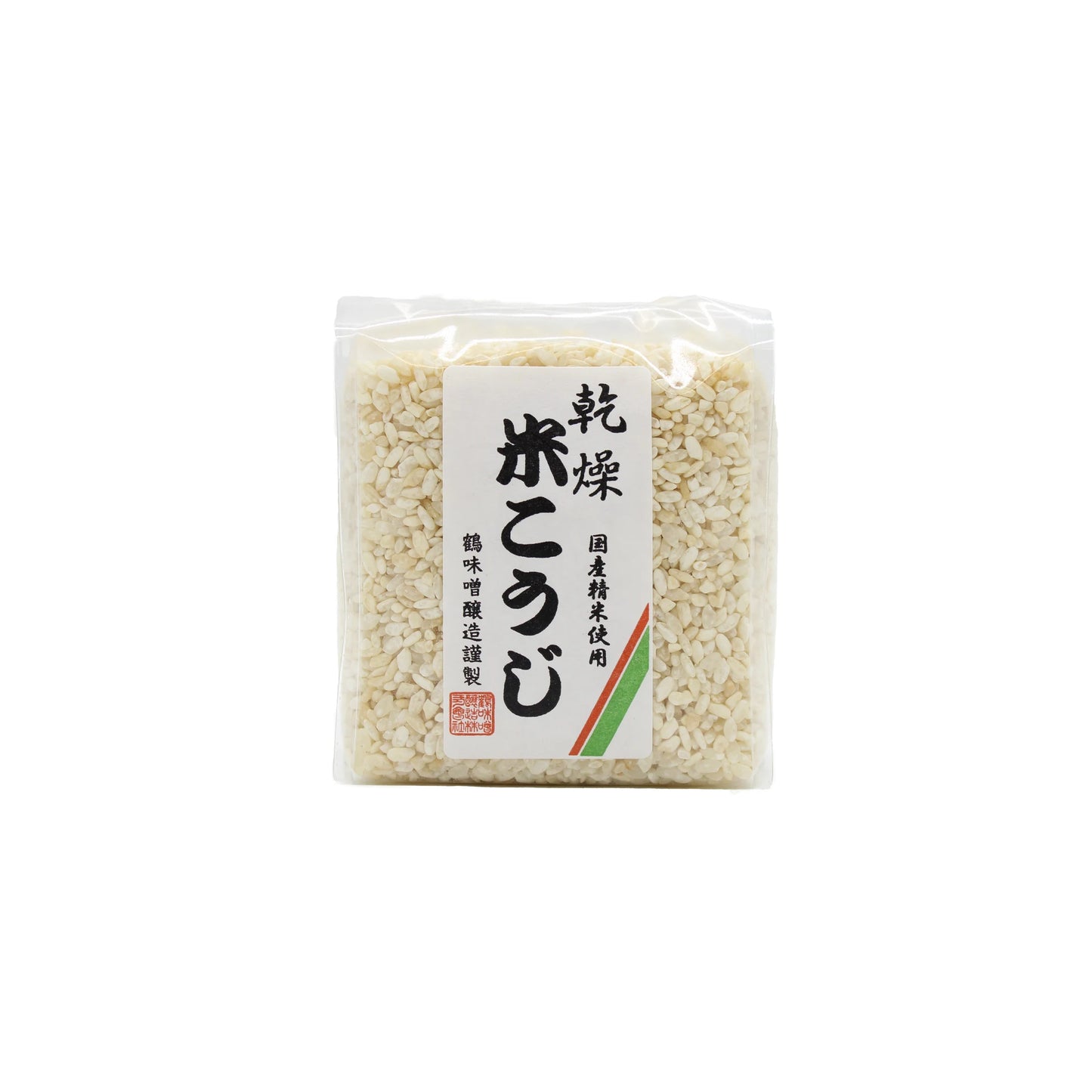
Alongside Japanese rice, we also stock a wide range of specialist rice seasonings and Japanese pantry ingredients. If you're making sushi or any other Japanese dish, browse our varied rice collection below – this is the key to truly authentic, restaurant-quality cooking at home.


Award Winning


Sustainable


Growers


Free Delivery
You might also like...


Get inspired with some recipes


Quick Mushroom Donburi Rice Bowl Recipe
Make irresistible Mushroom Donburi with your favourite mushrooms coated with a rich and savoury Japanese style sauce and topped with...


Easy and Delicious Ponzu Chicken Recipe
This Ponzu Chicken recipe by Yuto Omura from Sudachi delivers ultra-crispy skin topped with a bright, tangy homemade ponzu sauce....


Chicken Zosui (Japanese Rice Soup) Recipe
This Ultimate Chicken Zosui recipe is a comforting rice soup made with tender chicken thighs and fresh vegetables served in...


New Potatoes with Fresh Wasabi Butter
A simple seasonal side that turns humble new potatoes into something elegant and memorable.


Grilled Mackerel with Mikan Ponzu
A classic combination that lets the rich flavour of mackerel shine.


Black Sesame Bread Recipe
Nutty, hearty and deeply aromatic, this wholemeal black sesame loaf brings a subtle roasted depth to a classic everyday bread.