



Sesame Paste





How sesame paste is made
Good sesame paste starts with the roast. Whole sesame seeds are toasted slowly until their oils begin to release and the colour deepens. That’s where the warm, toasted flavour comes from, and it’s why neri goma has more depth than tahini.
After roasting, the seeds are milled into a thick, smooth paste. Wadaman uses ceramic millstones running at low speed and low temperature, passing the seeds through several times until the texture turns dense and glossy. Keeping the temperature down helps protect the aroma, so when you open the container you get that instant, rounded roasted smell.
No additional oils, thickeners or flavourings are added. The consistency comes entirely from the natural fat content of the seed. That’s why sesame oil rises to the surface over time – it’s a sign of a pure product.
The same method is used for all three types of sesame paste in this collection, but the seed makes a big difference to flavour.
White sesame paste (neri goma shiro) is made from hulled white seeds. It’s the palest and sweetest of the three, with a creamy, gentle finish. It’s the go-to choice for savoury sauces and dressings where you want sesame richness without any bitter edge.
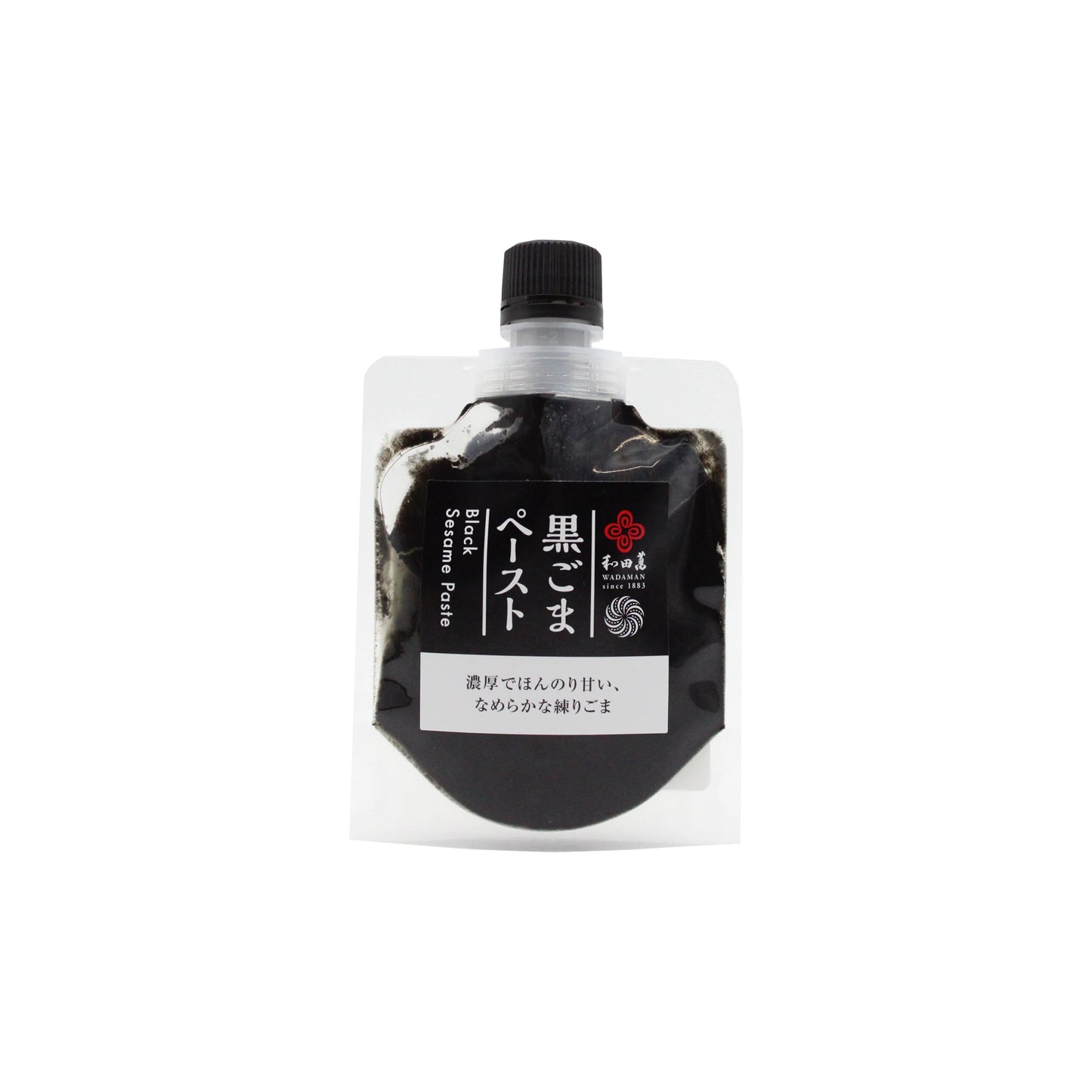
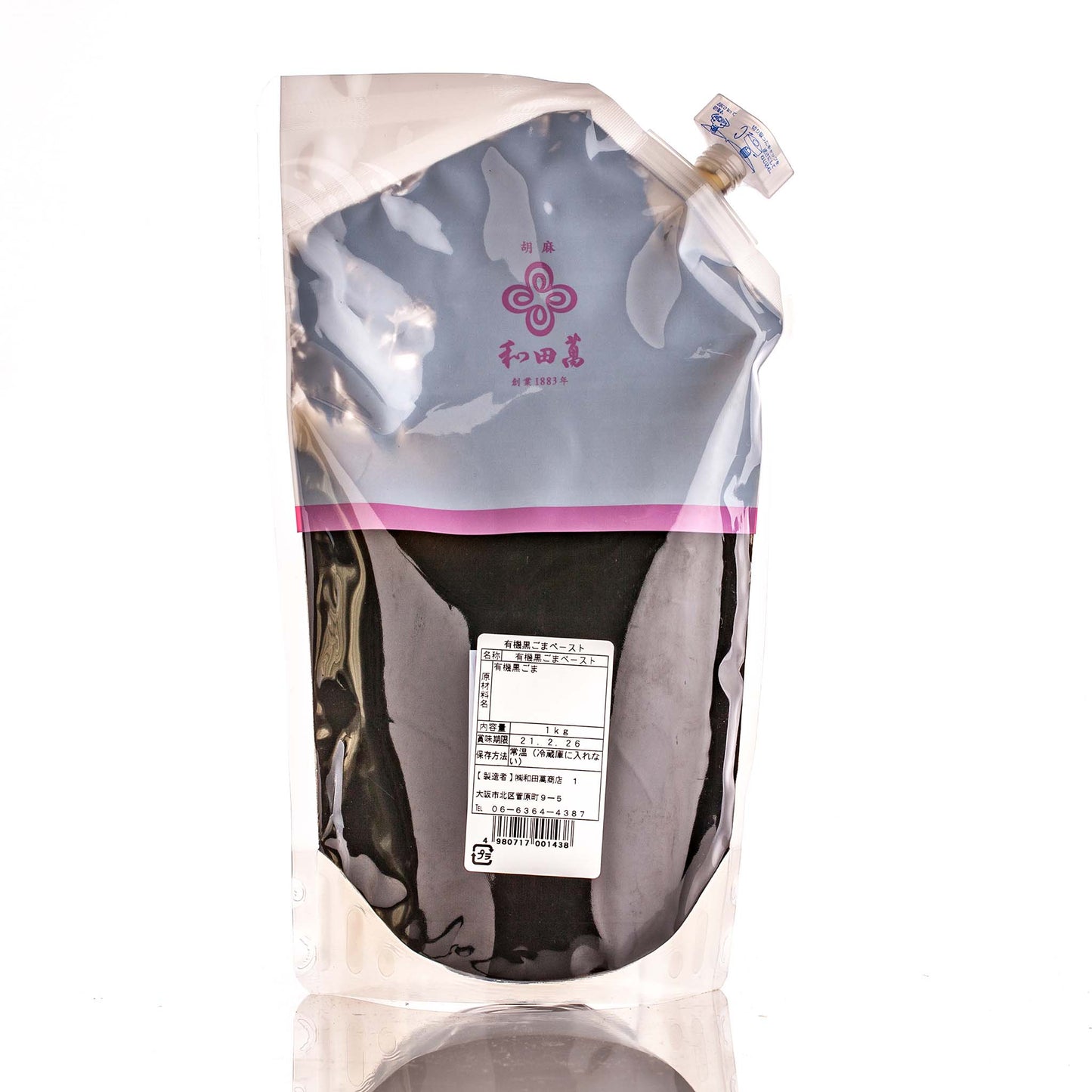
Black sesame paste (neri goma kuro) is made from unhulled black seeds, so the shells stay in the mix. The flavour is deeper and earthier, with a faint bitterness that works brilliantly in Japanese desserts where its colour is as striking as its taste.
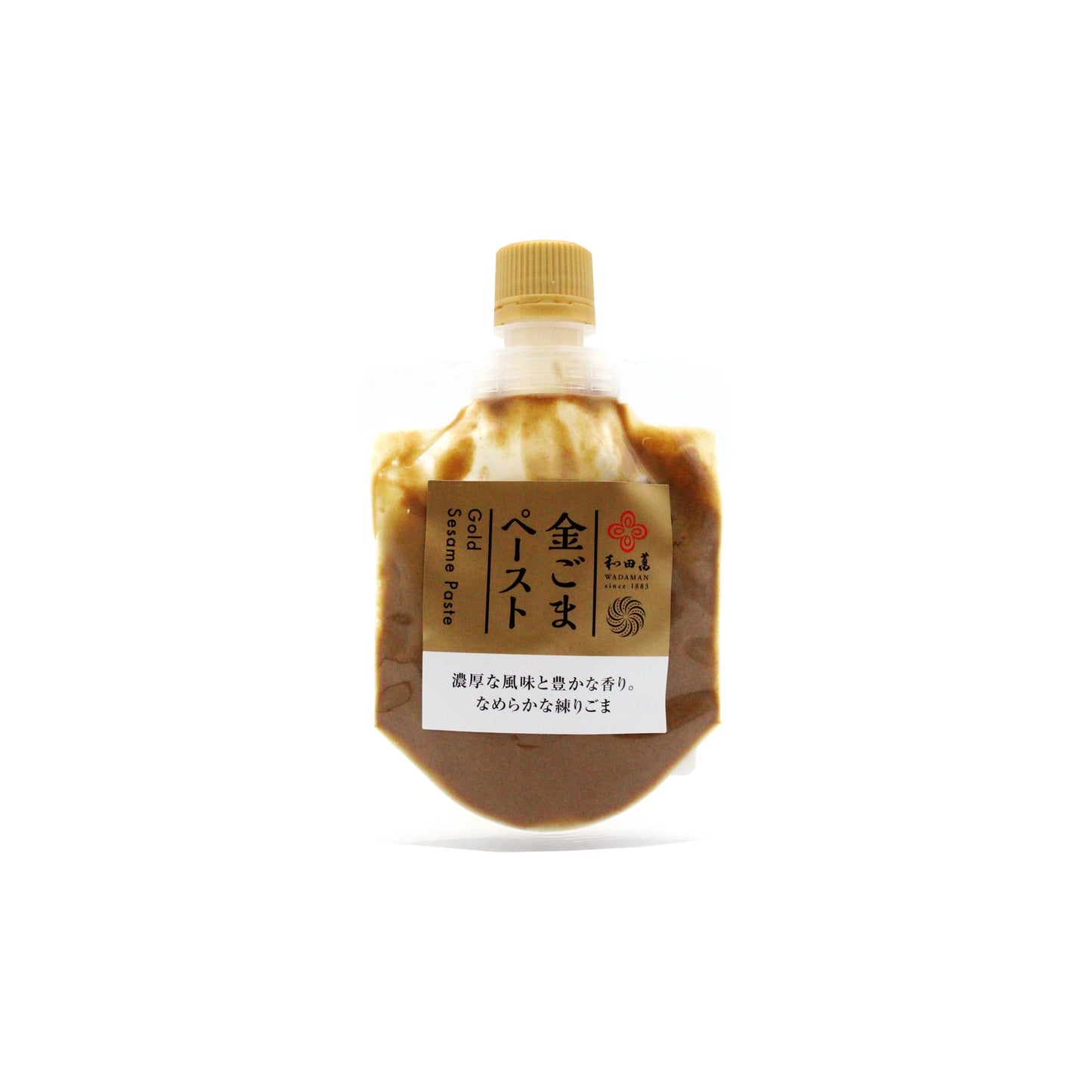
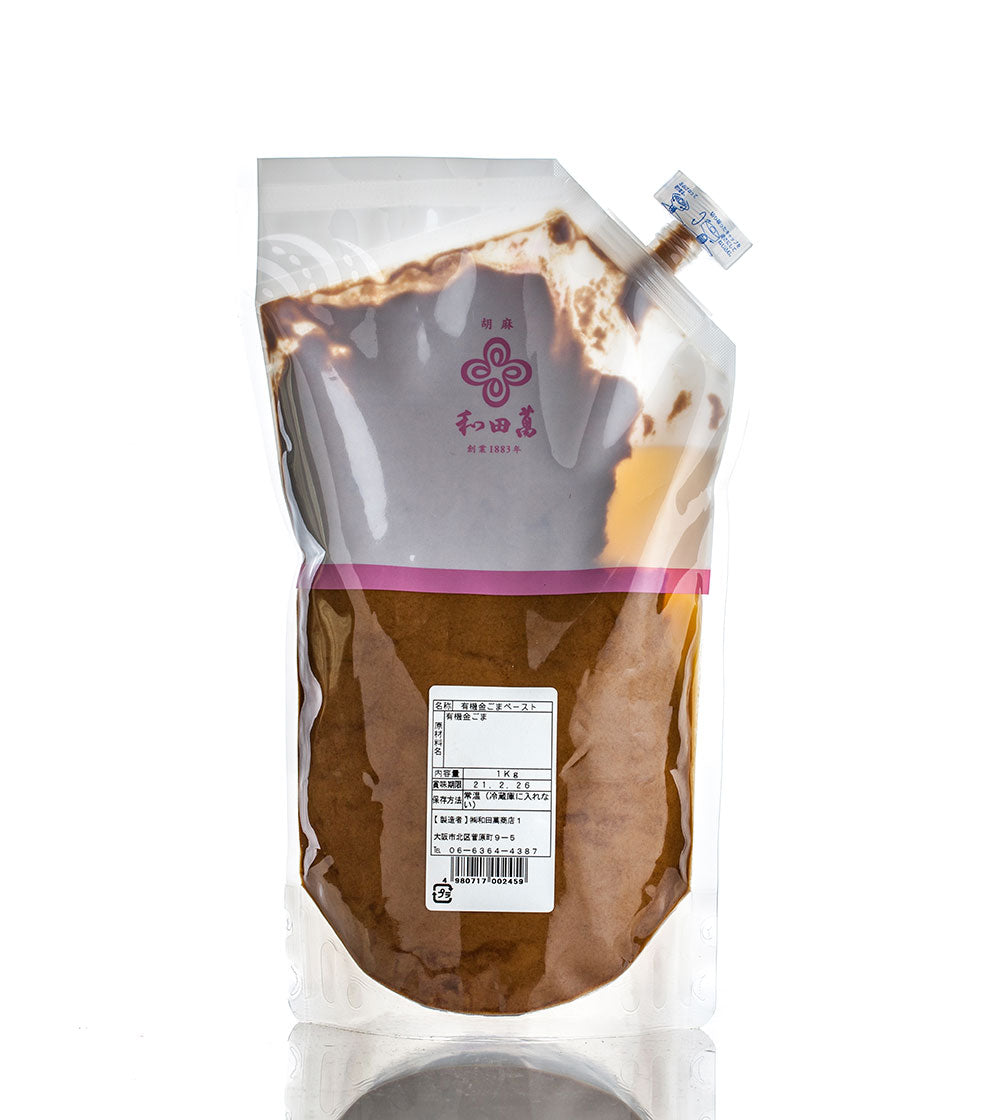
Gold sesame paste (neri goma kin) has the highest oil content and the most intense aroma. Gold seeds are the scarcest variety, and the paste has a concentrated, almost punchy toasted character. A spoonful mixed with ponzu or soy sauce is enough to dress a bowl of steamed vegetables.
Sesame paste recipes and uses
If you’re new to sesame paste recipes, goma dare is a classic starting point. Mix white sesame paste with dashi, soy sauce and rice vinegar, then tweak the sweetness with a little mirin if you like. It’s made for shabu-shabu and hot pot, but it’s just as good over steamed greens or chilled tofu.
Cold noodles are another easy win. Loosen sesame paste with a splash of water and a little sesame oil, then add soy sauce and citrus. Toss through chilled soba or udon and the sauce clings to every strand.
For quick dressings, white or gold sesame paste emulsifies neatly with rice vinegar and soy sauce. Add grated garlic or ginger if you want a sharper edge.
Black sesame paste recipes often lean sweet. Stir it into ice cream bases, cheesecake batters and mochi fillings, or blend it with milk and sugar for a simple pudding. A spoonful over vanilla ice cream, finished with toasted sesame seeds, is an easy way to taste its depth.


Award Winning


Sustainable


Growers


Free Delivery
Get inspired with some recipes


Sticky Soy-Glazed Beef with Sesame Rice
A quick, glossy stir-fry-style beef dish with rich Japanese-inspired flavour. Perfect for a weekend dinner in under 30 minutes.


Black Sesame Bread Recipe
Nutty, hearty and deeply aromatic, this wholemeal black sesame loaf brings a subtle roasted depth to a classic everyday bread.


Black Sesame Ice Cream Recipe
Make your own rich, creamy and nutty black sesame ice cream at home with just a handful of simple ingredients,...


Creamy Hojicha Ice Cream (Japanese Roasted Green Tea) Recipe
This creamy, custard-based ice cream recipe by Yuto from Sudachi is flavoured with the toasty depth of roasted Japanese hojicha tea.


Mirin Glazed Salmon Recipe
This must be the fastest way there is to create a culinary sensation. You do scarcely a thing — just dibble some salmon steaks in a dark glossy potion, most of which you get out of a jar — and what you make tastes as if you had been dedicating half your life to achieving the perfect combination of sweet, savoury, tender and crisp.


Homemade Teriyaki Sauce Recipe
Traditionally used in Japan to glaze and flavour fish, teriyaki sauce is wonderfully versatile. Try this classic four-ingredient base recipe, ready for you to put your own spin on.