



Tableware


















































What makes Japanese tableware different?
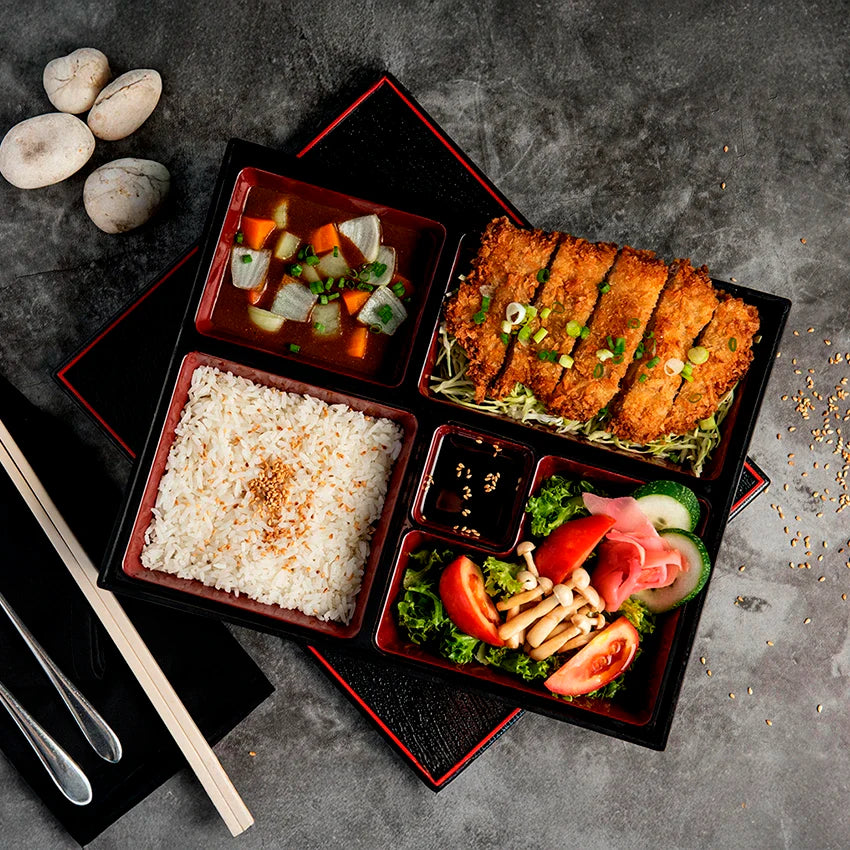
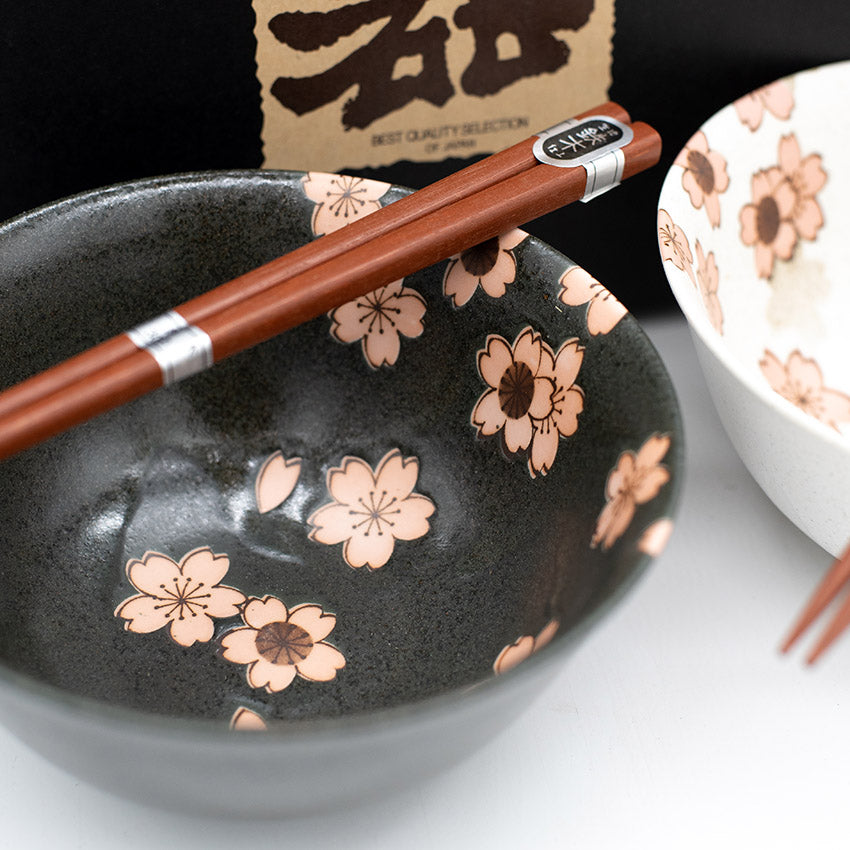
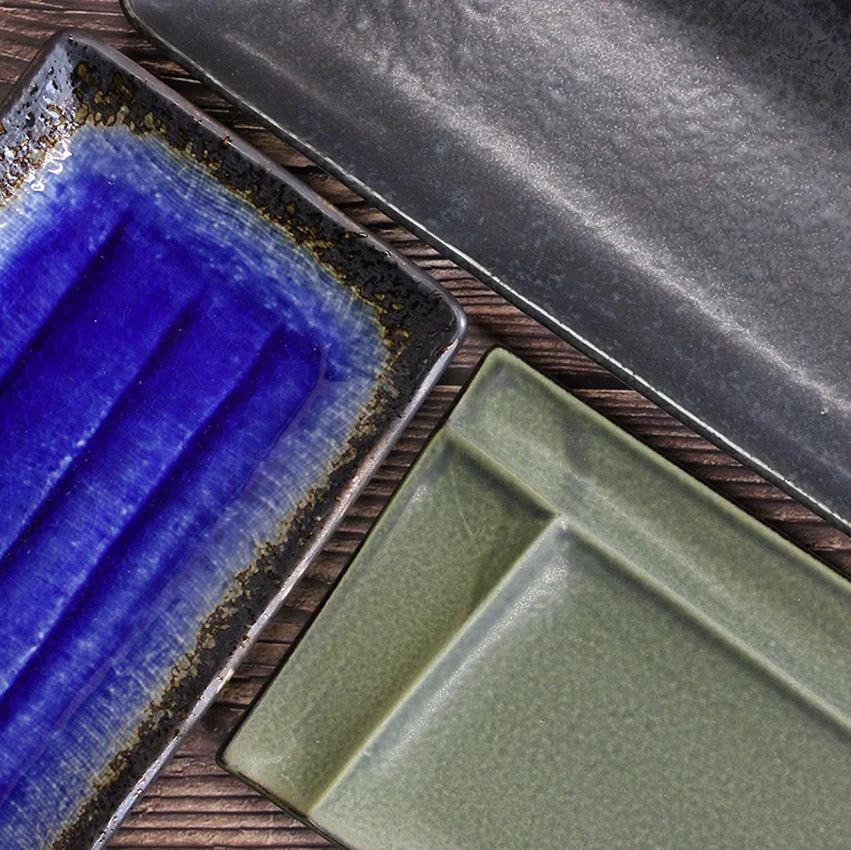
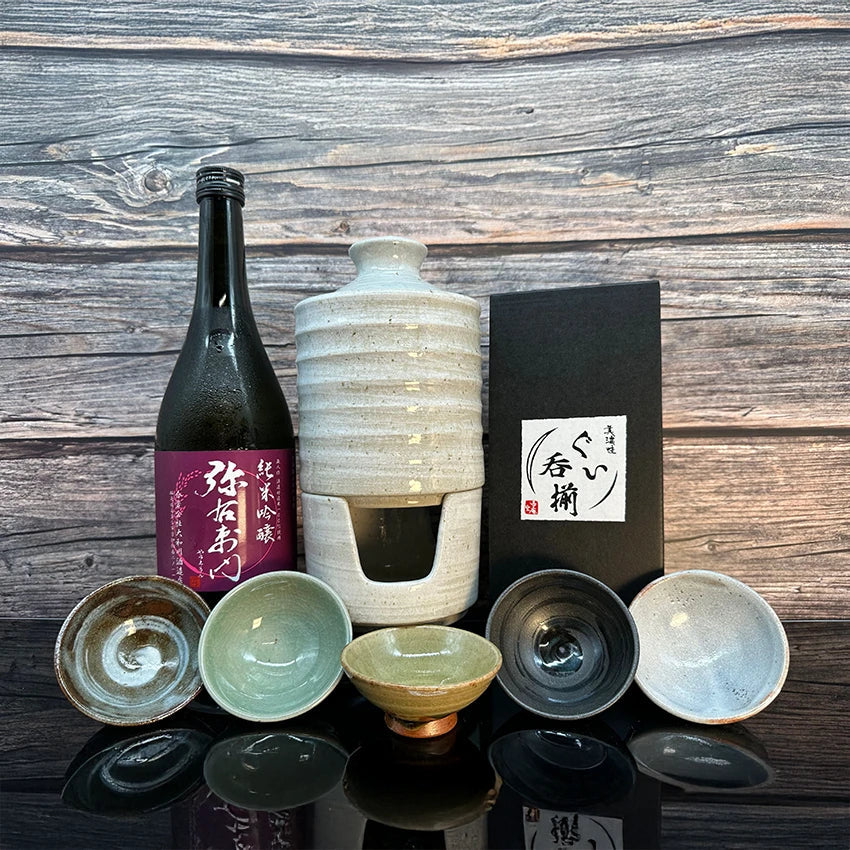
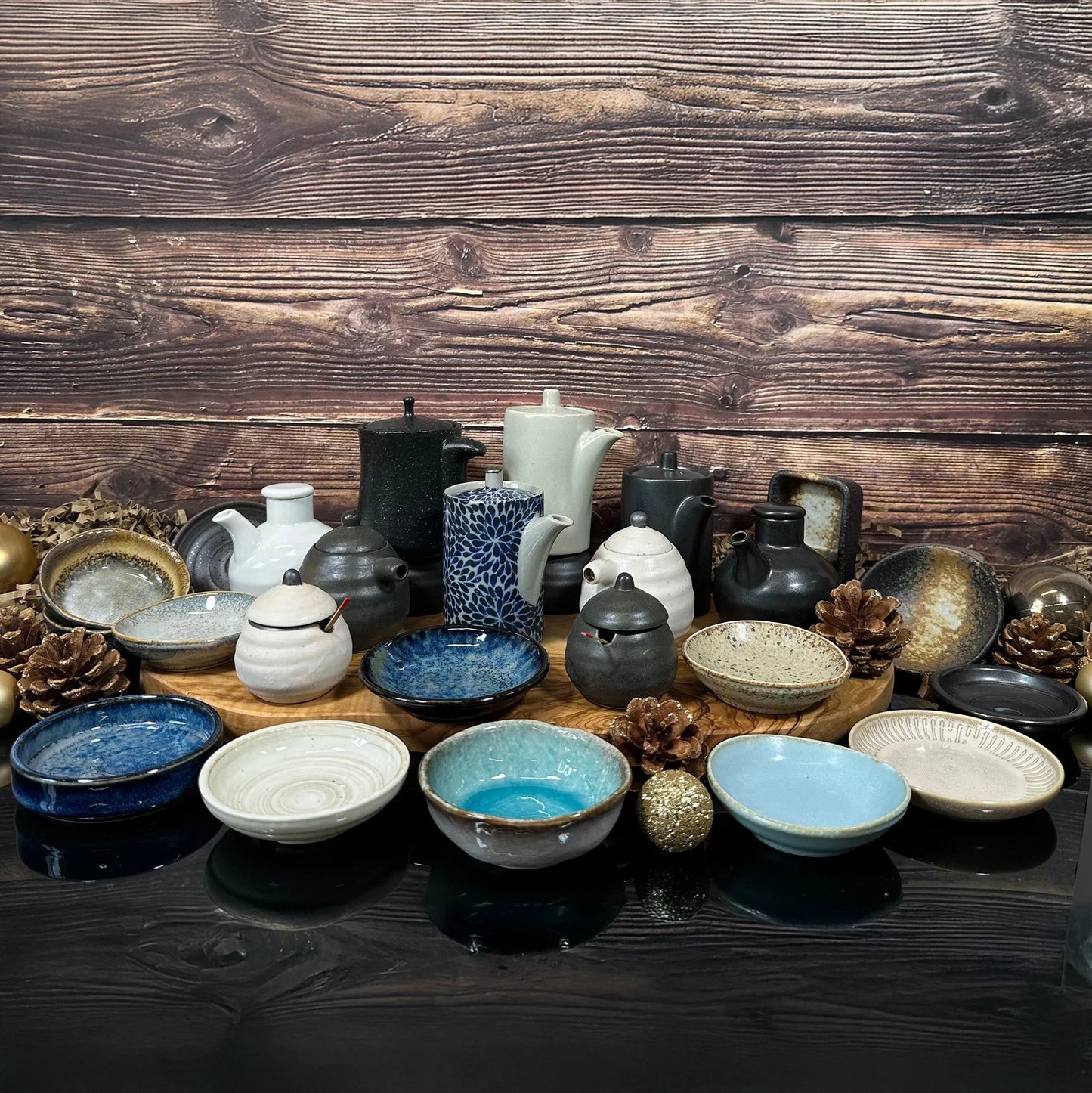
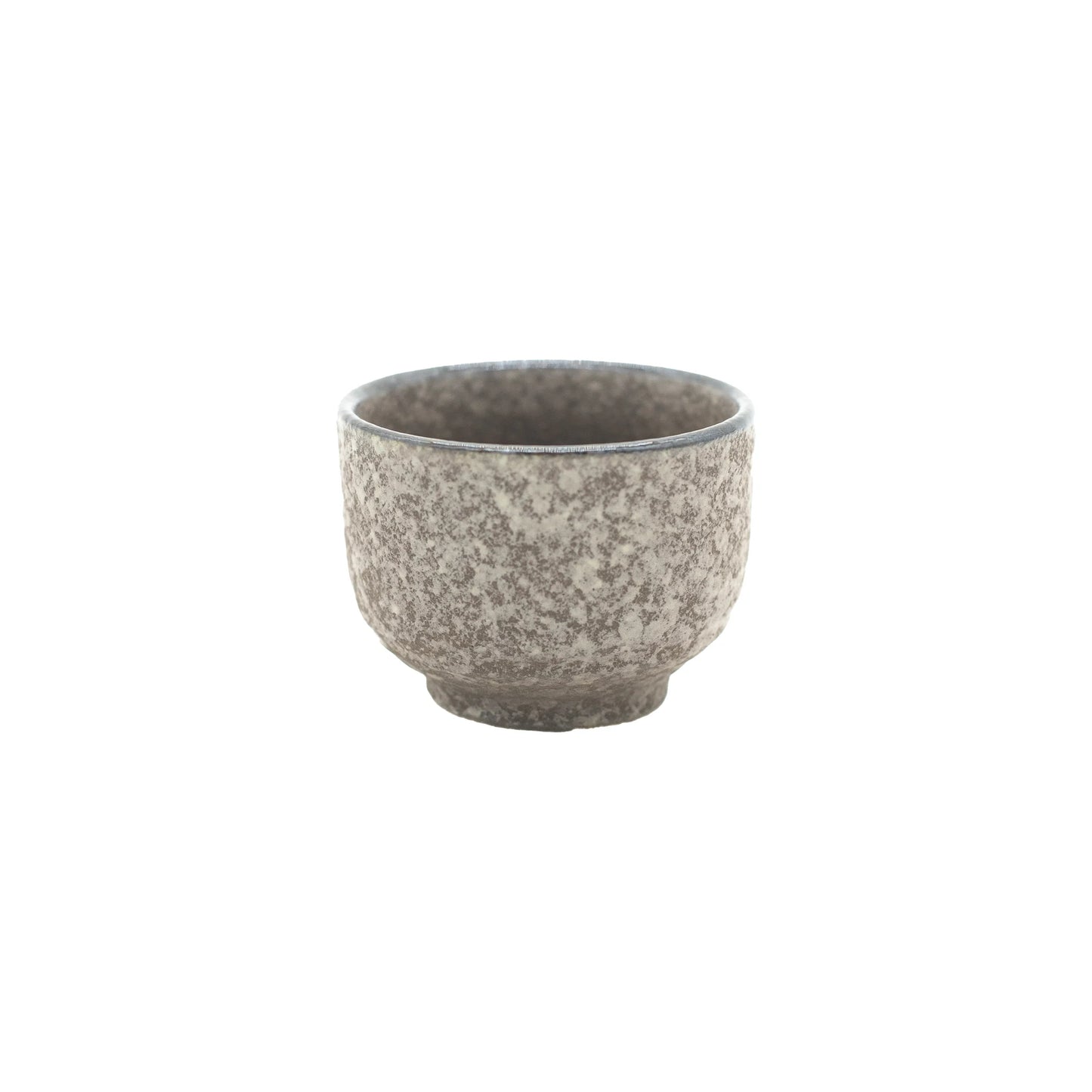
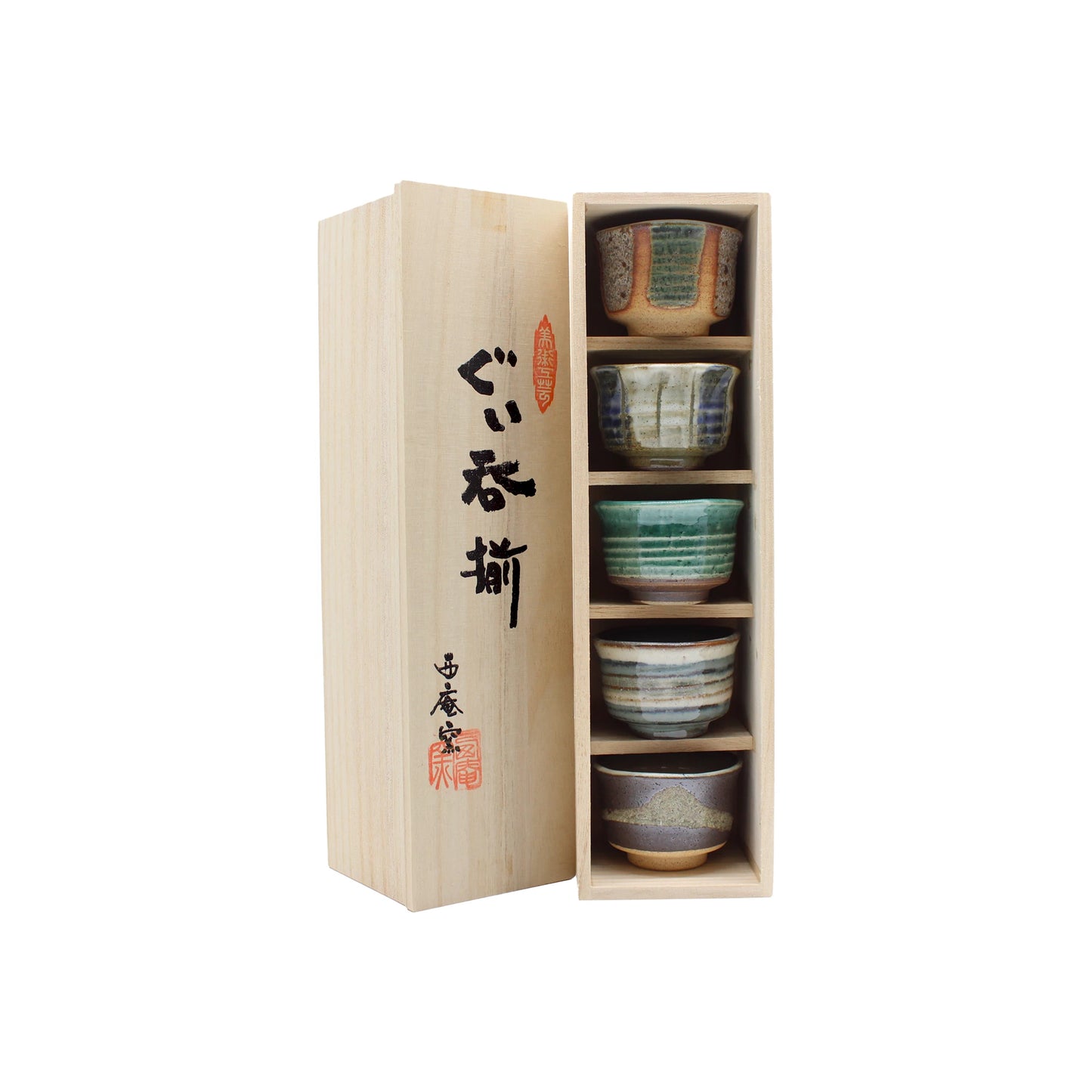
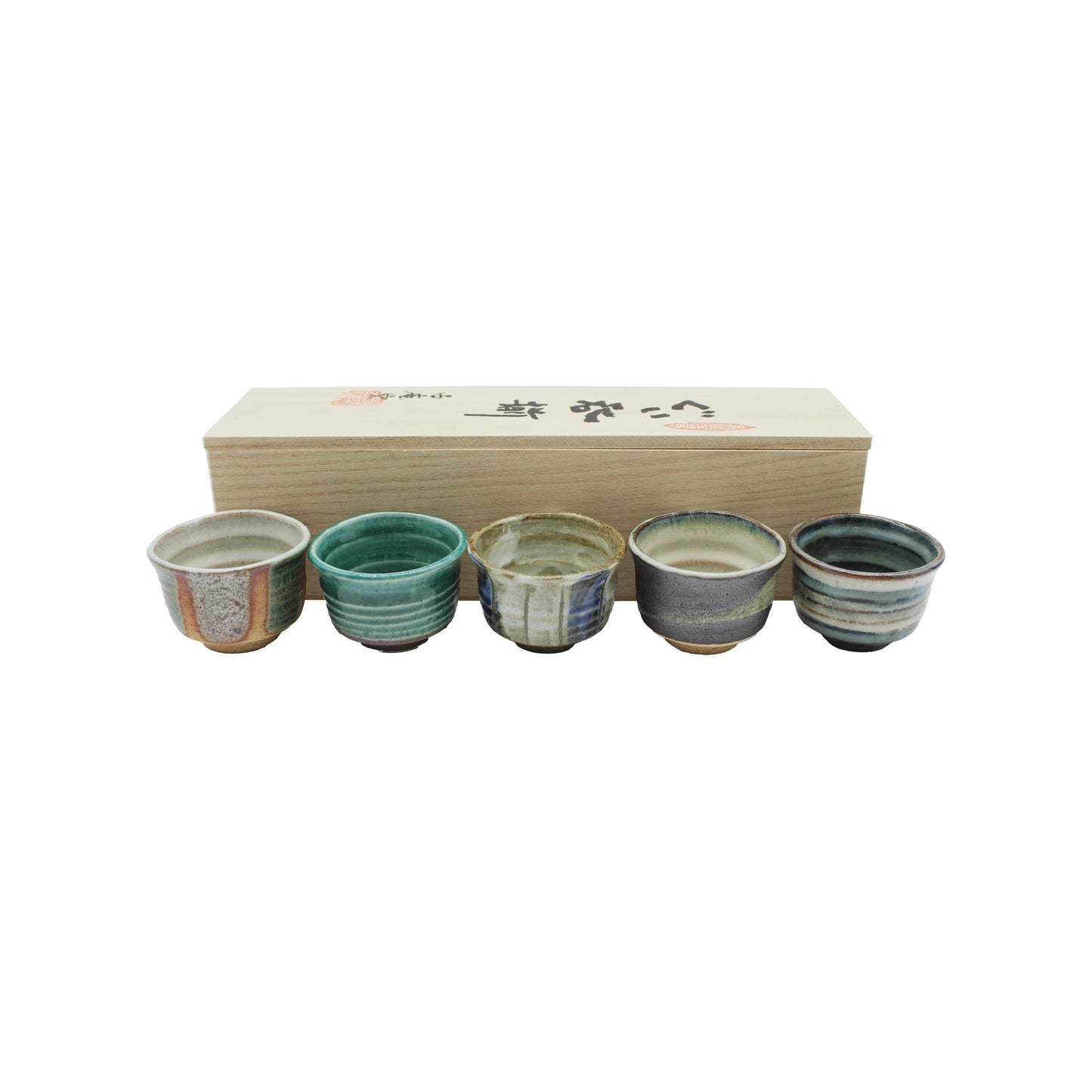
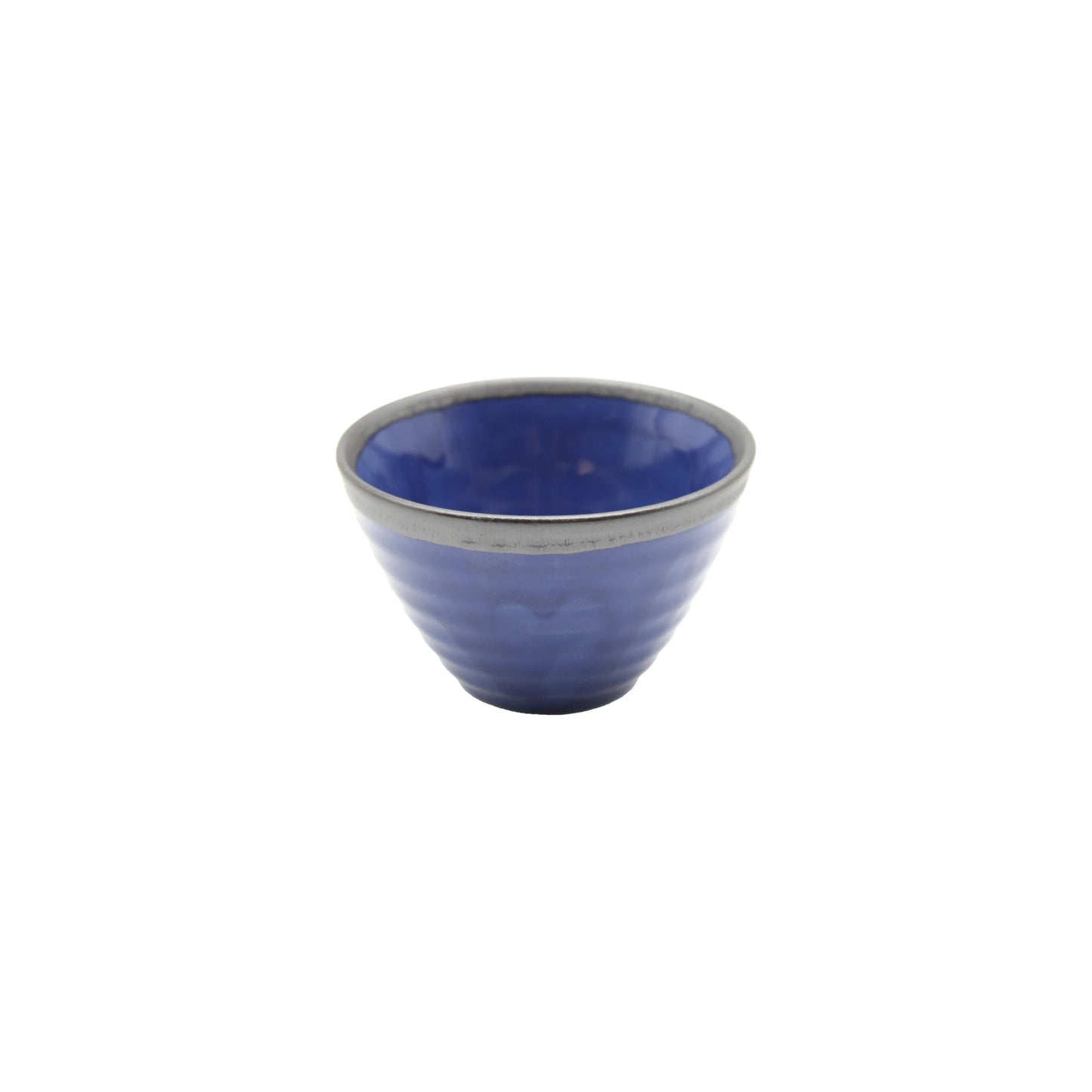
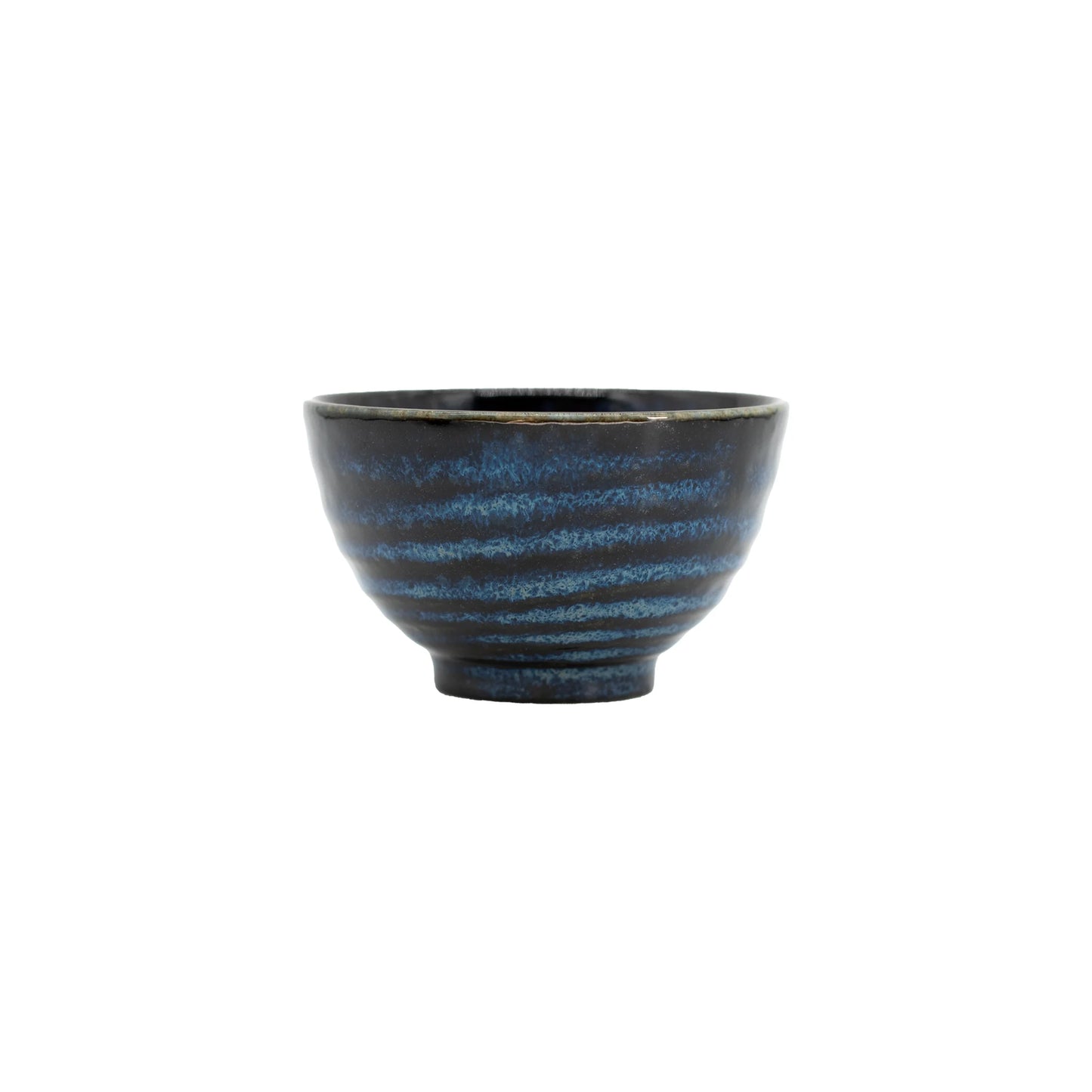
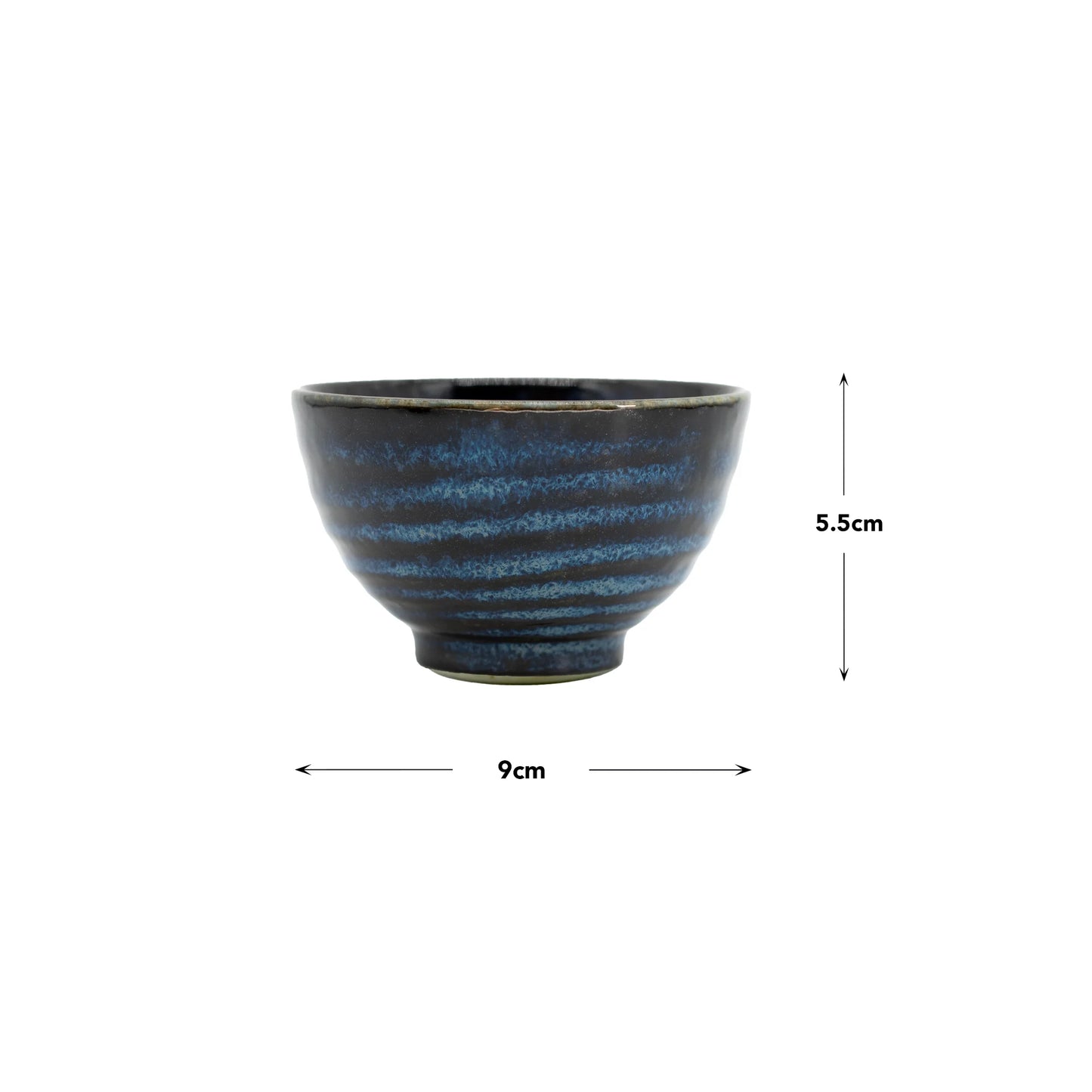
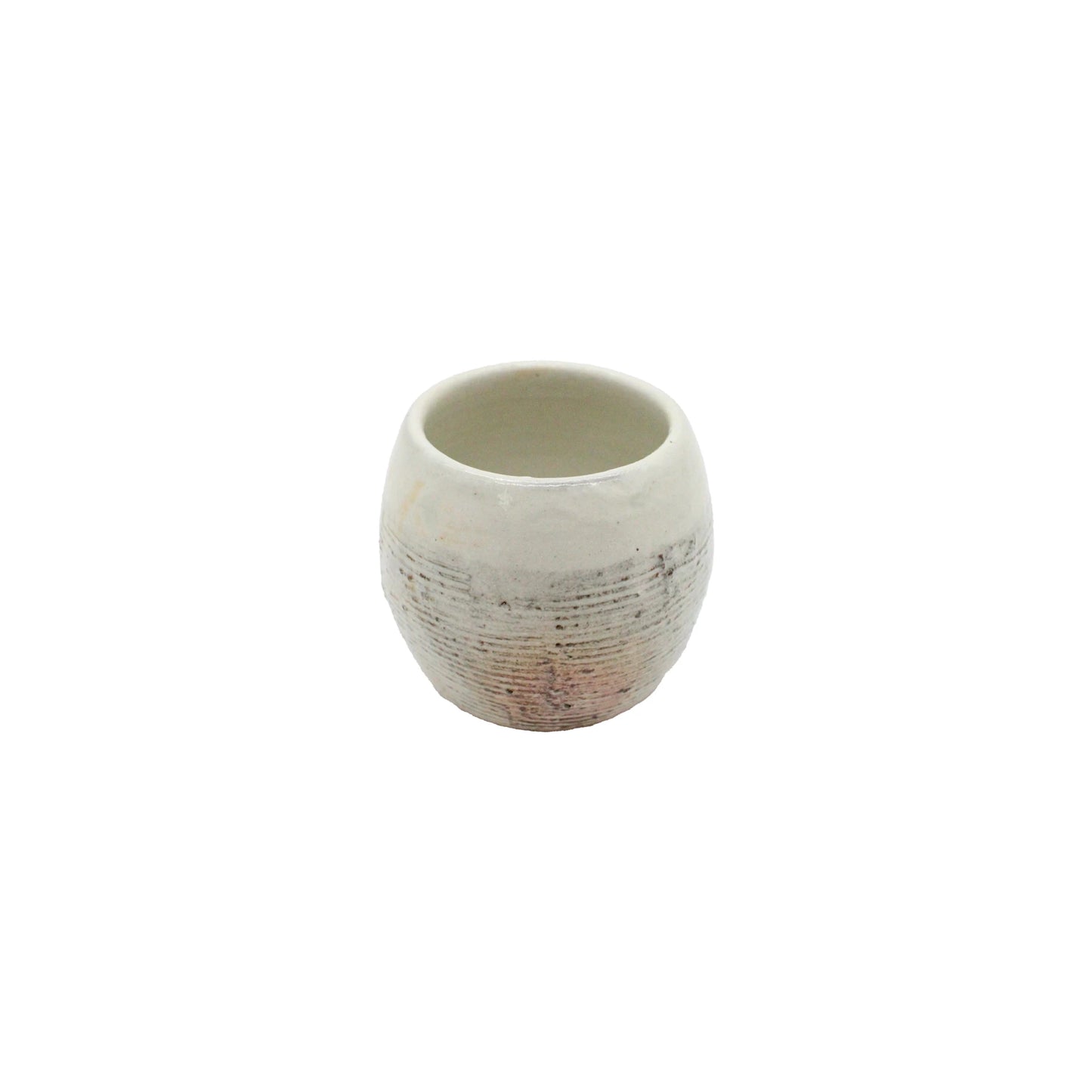
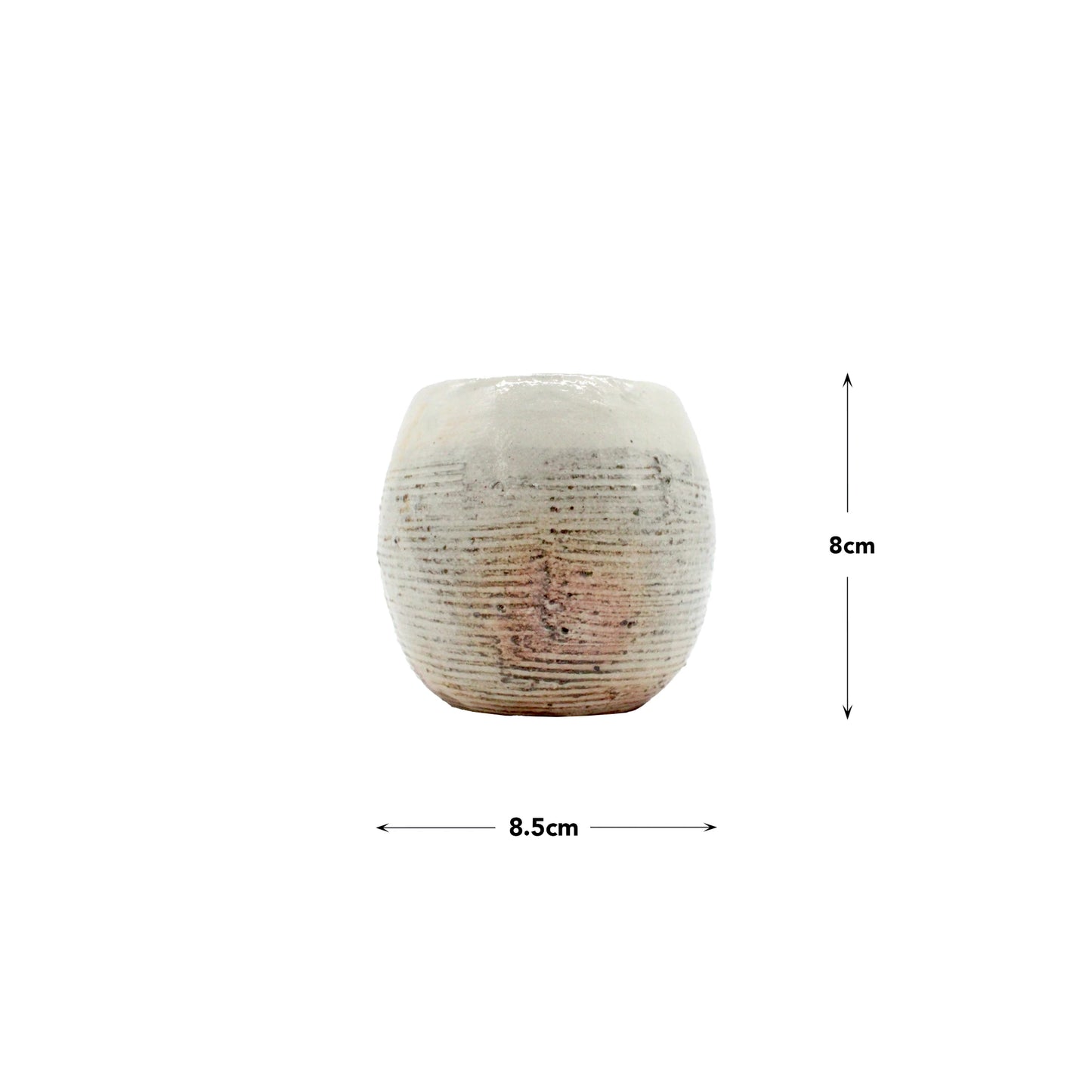
Western table settings often match on purpose: the same rim, the same pattern, the same colour across every plate. Japanese tableware works the other way round. Pieces are chosen one by one for the food they’ll hold, the season, and how they look together. A rough-edged stoneware bowl might share the table with a smooth porcelain soy dish and a lacquered soup cup. The aim is balance through contrast.
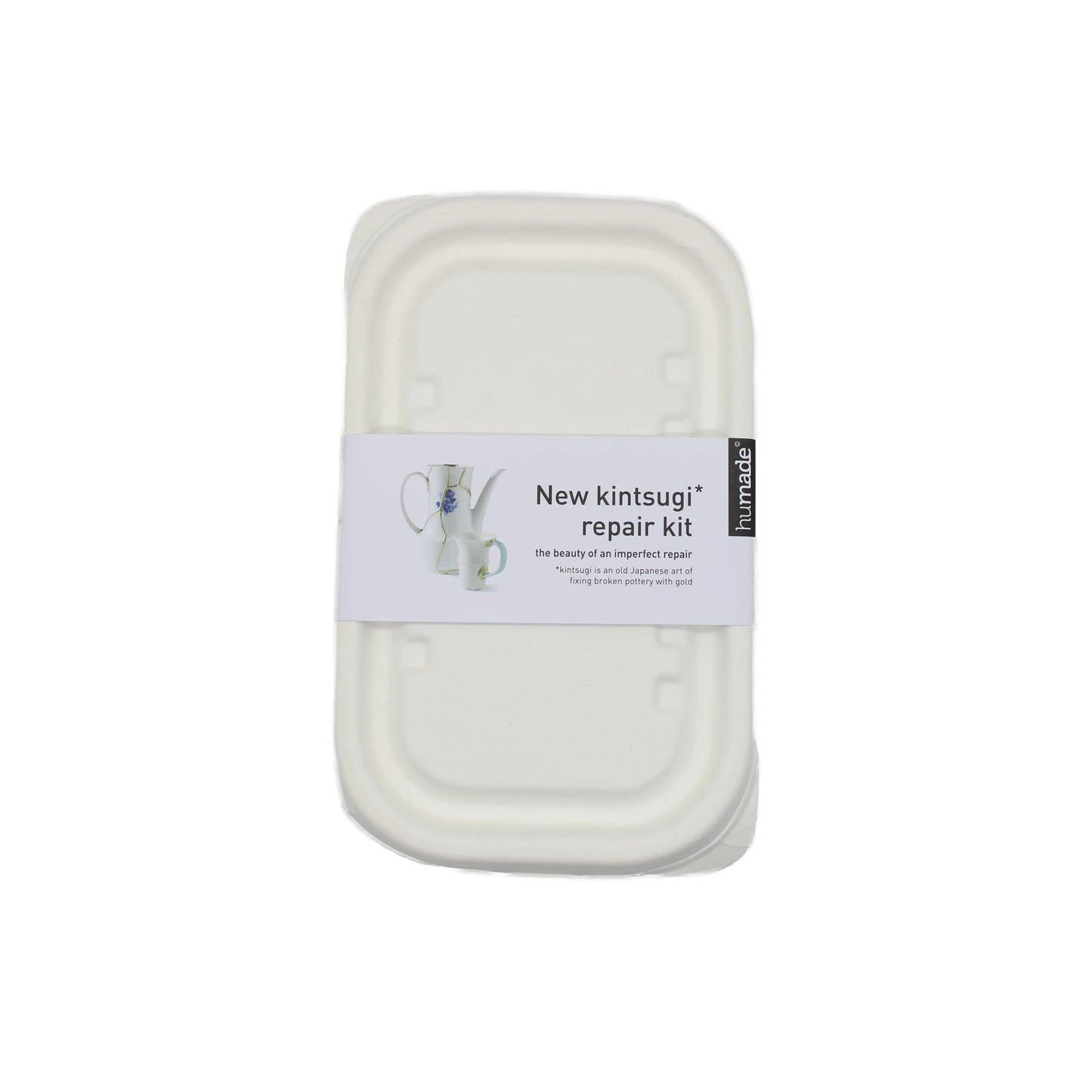
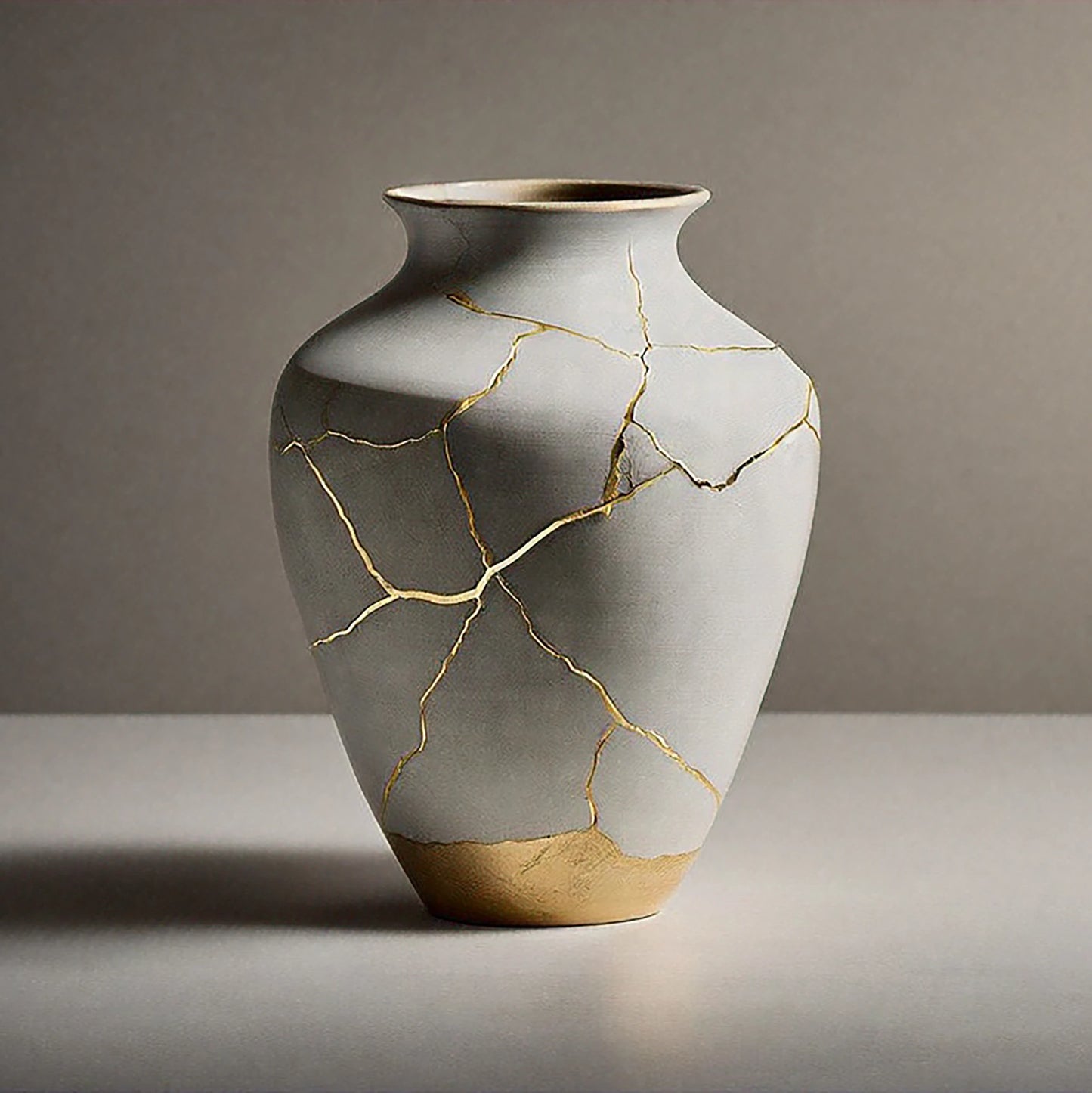
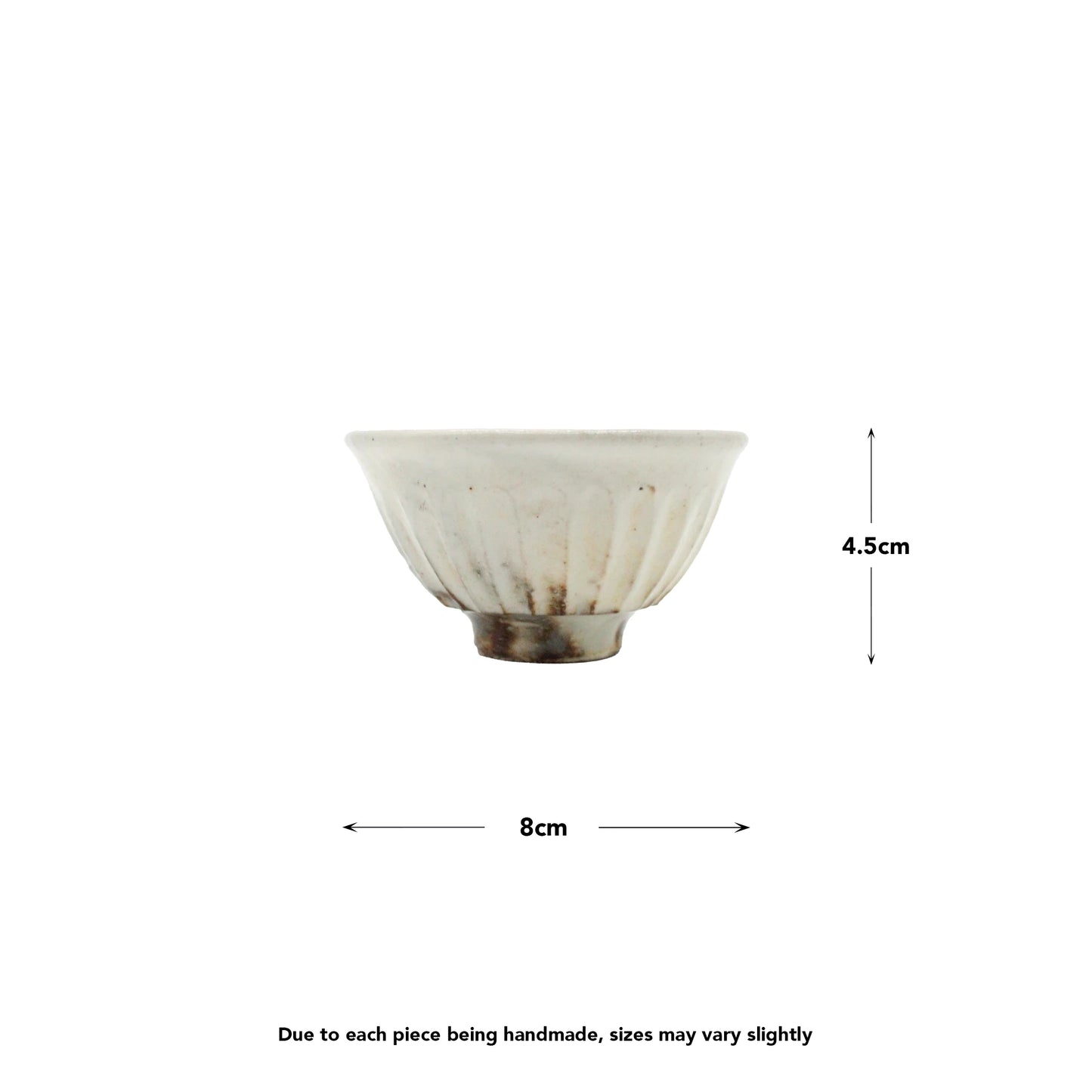
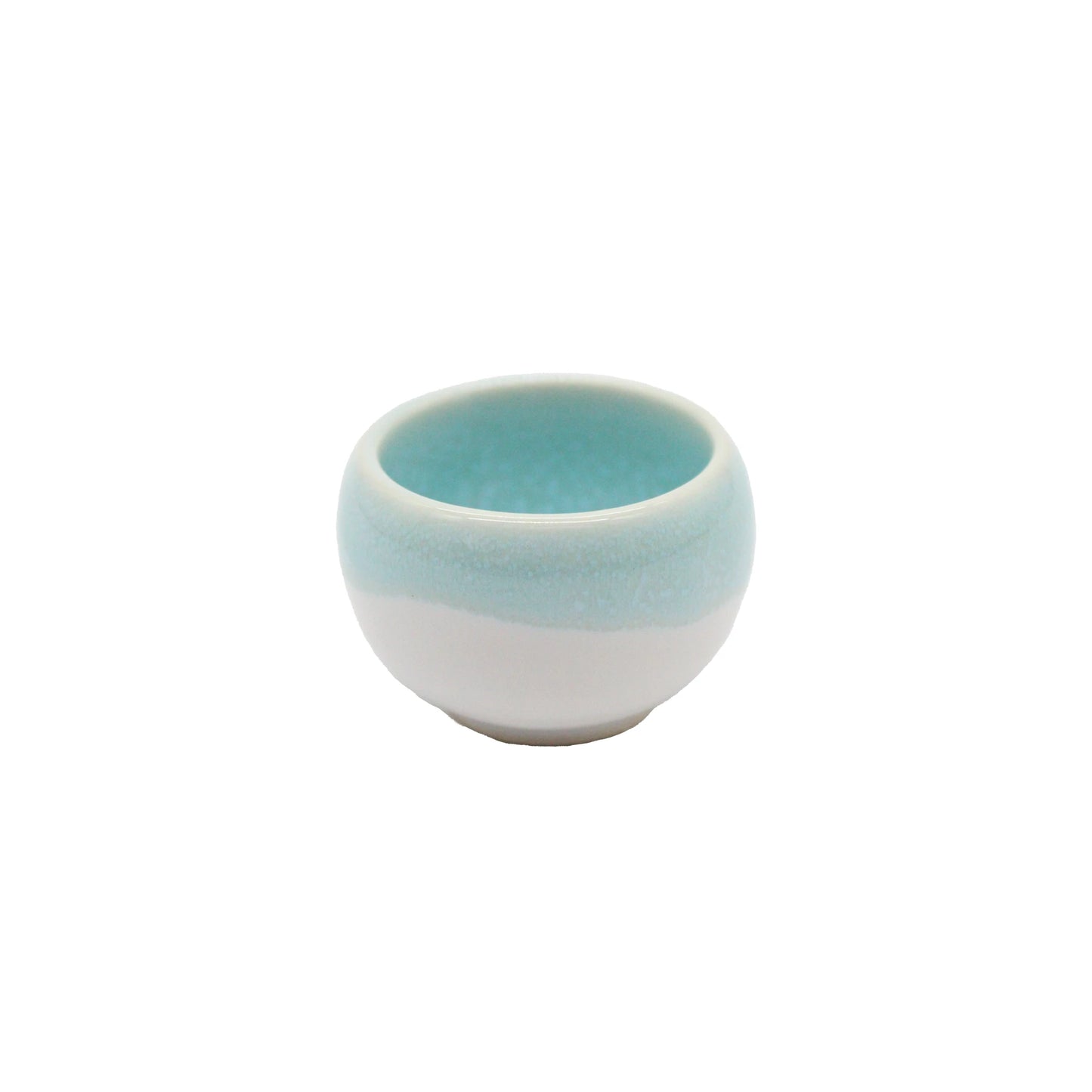
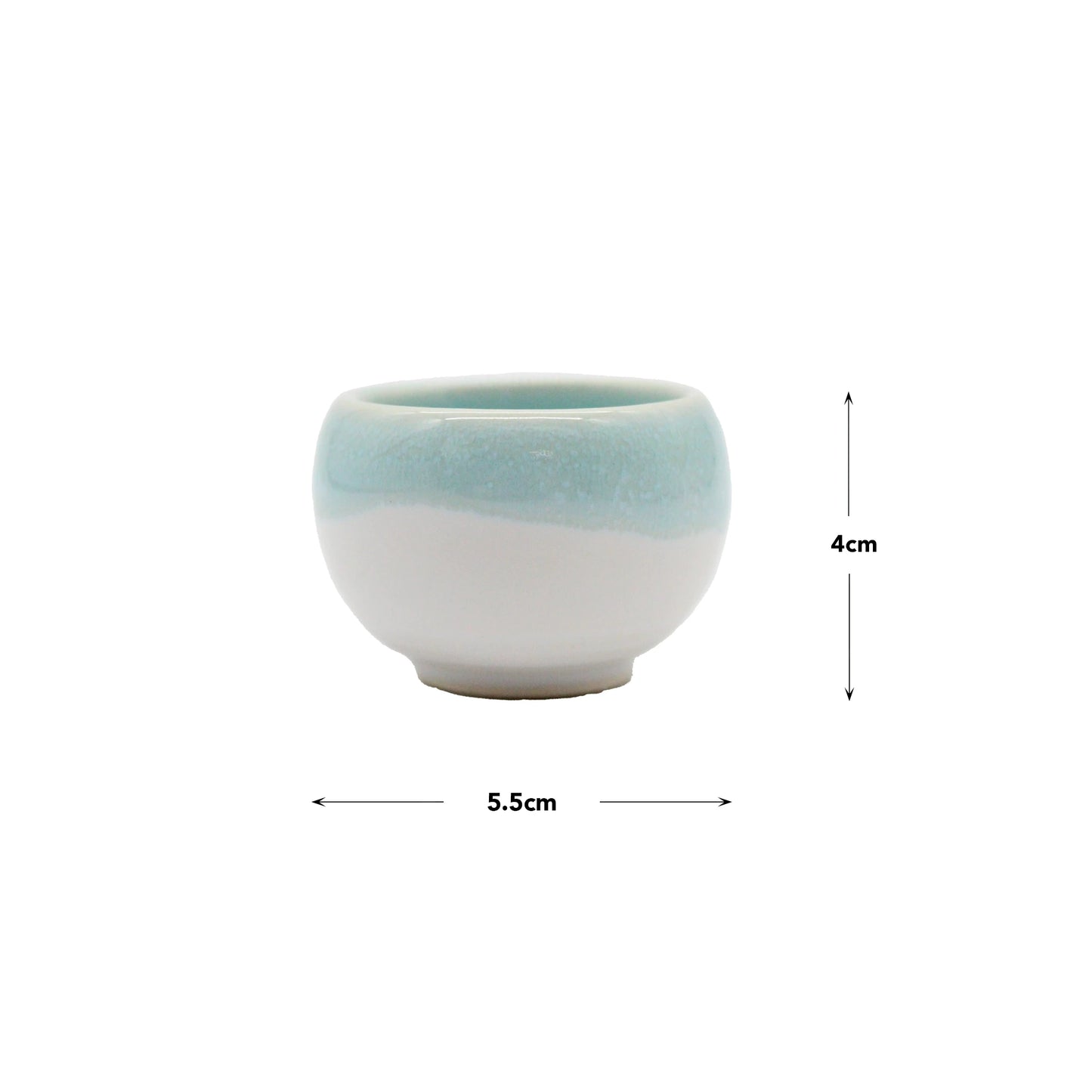
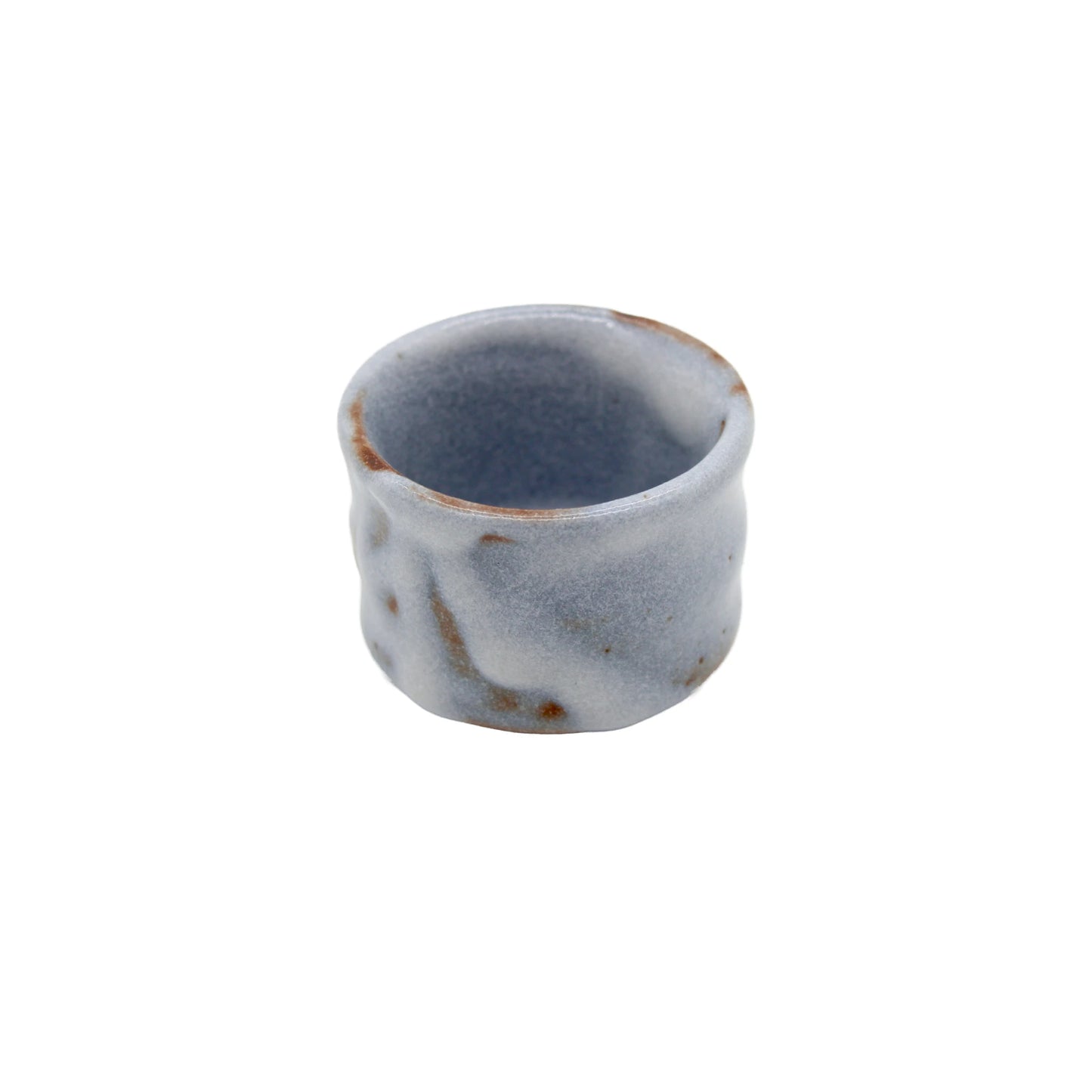
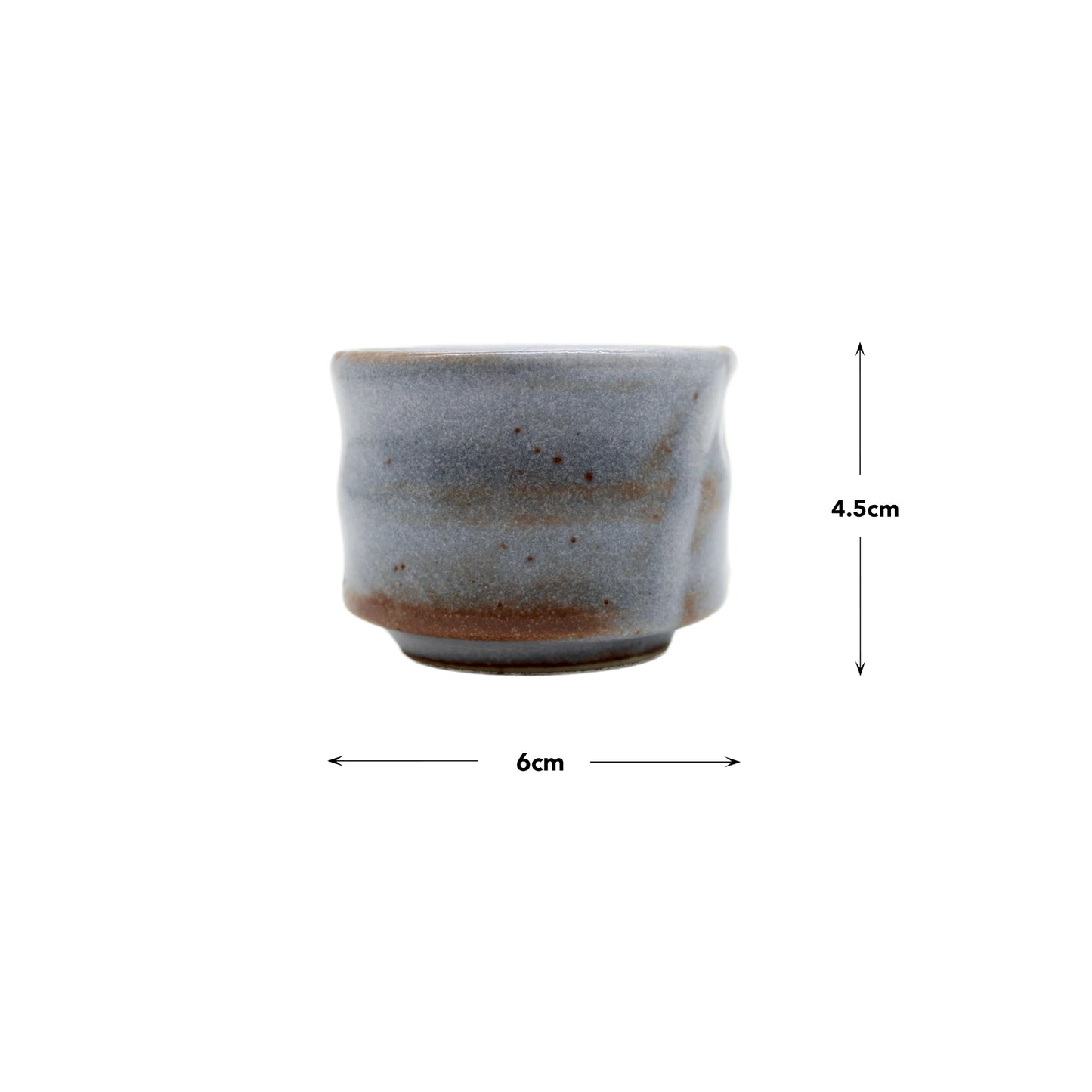
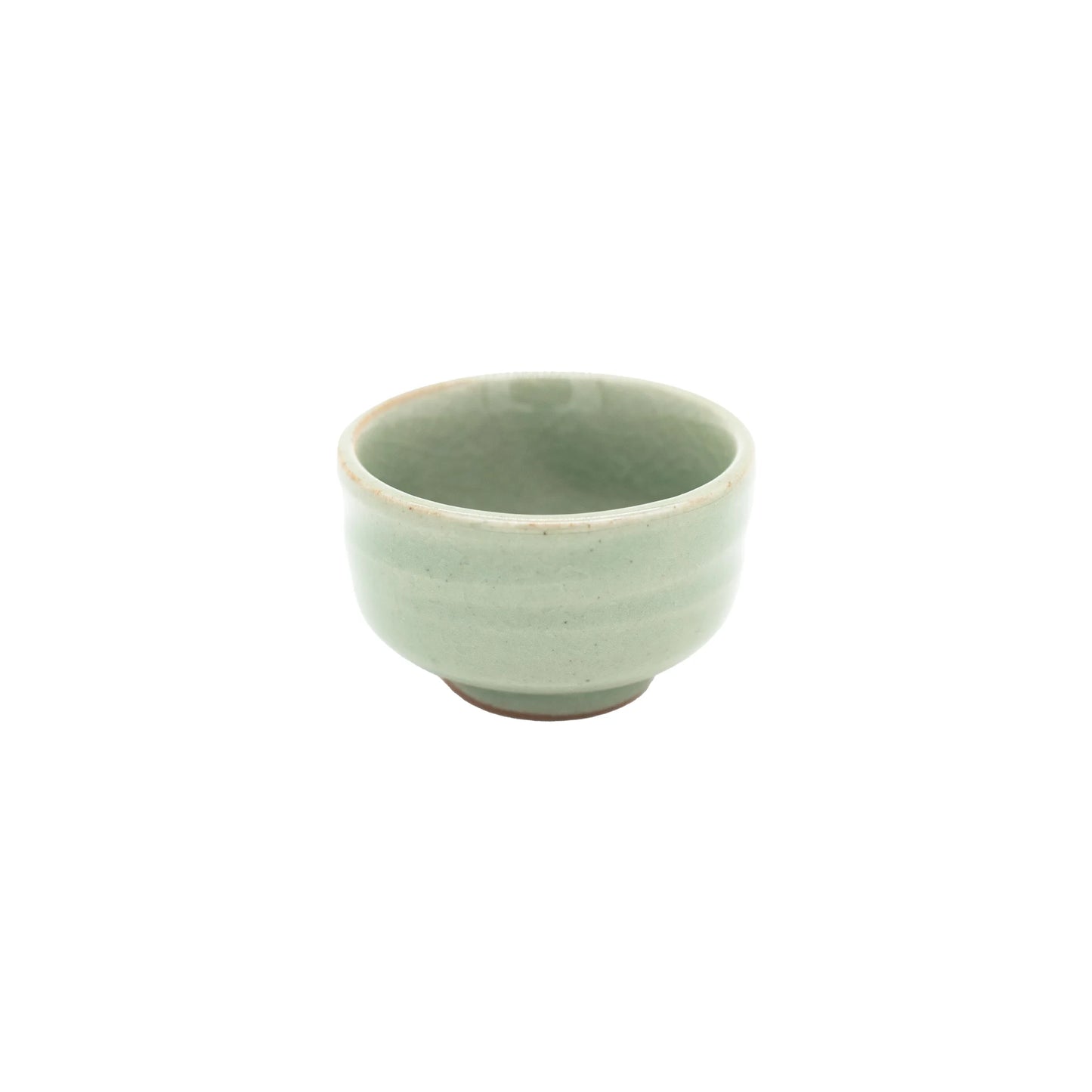
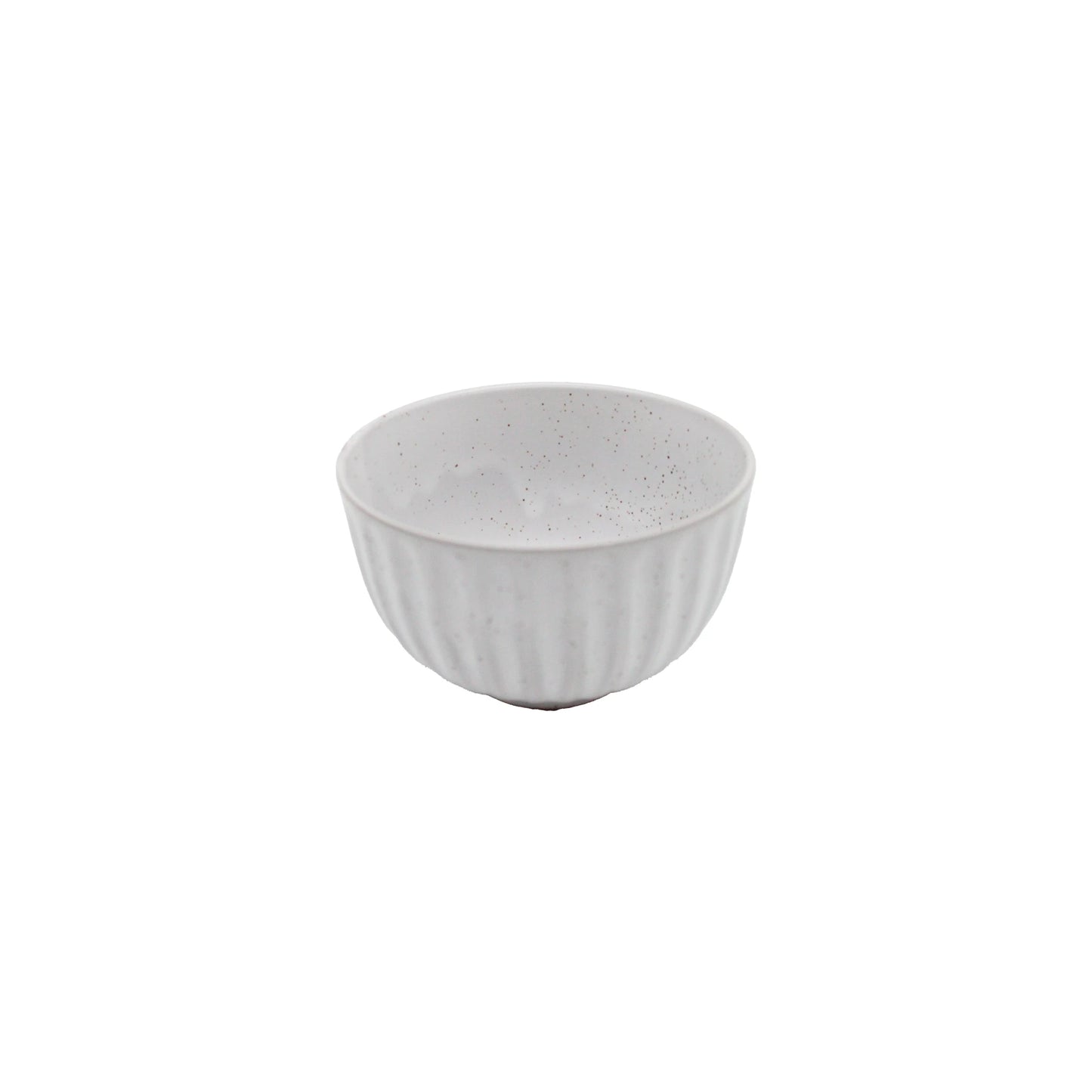
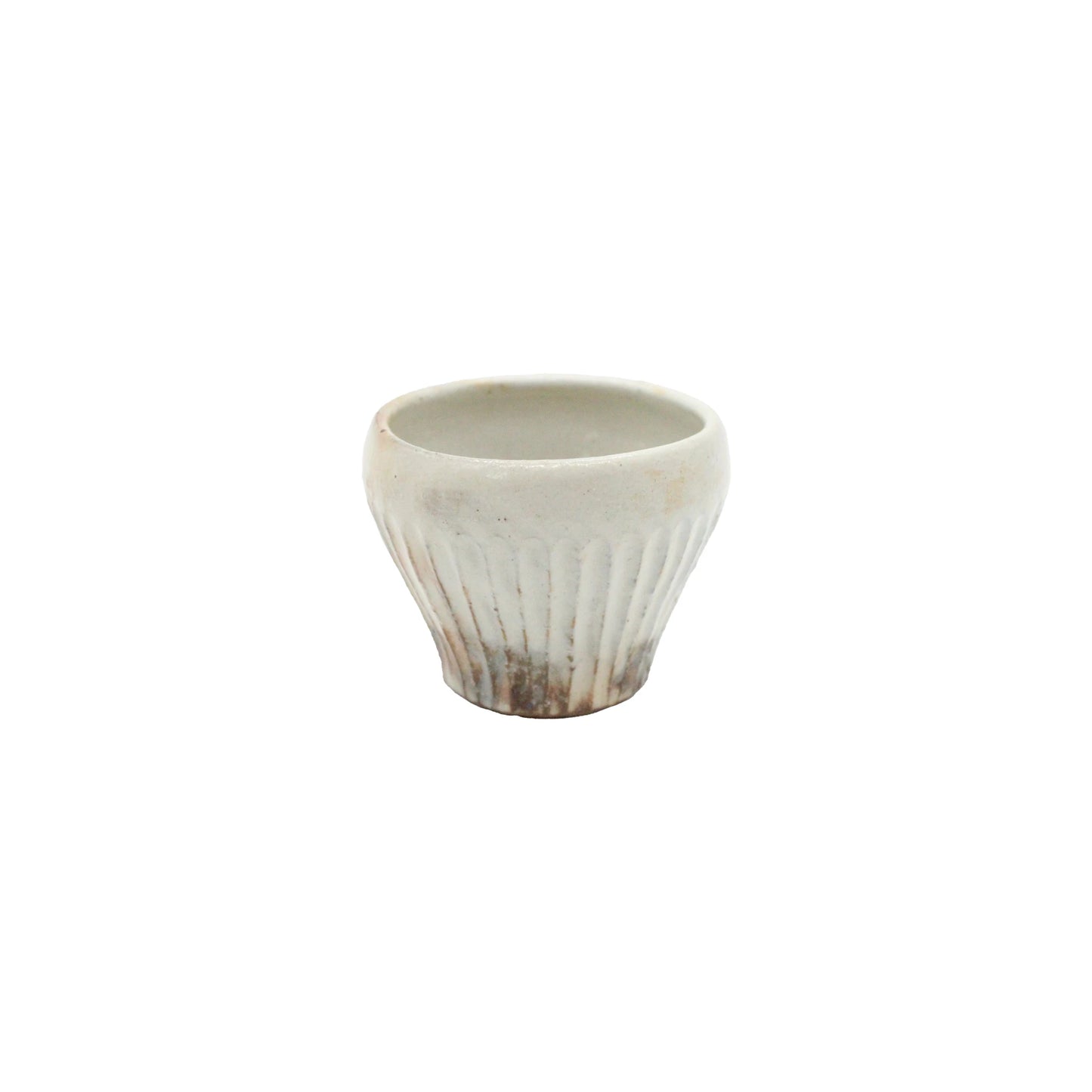
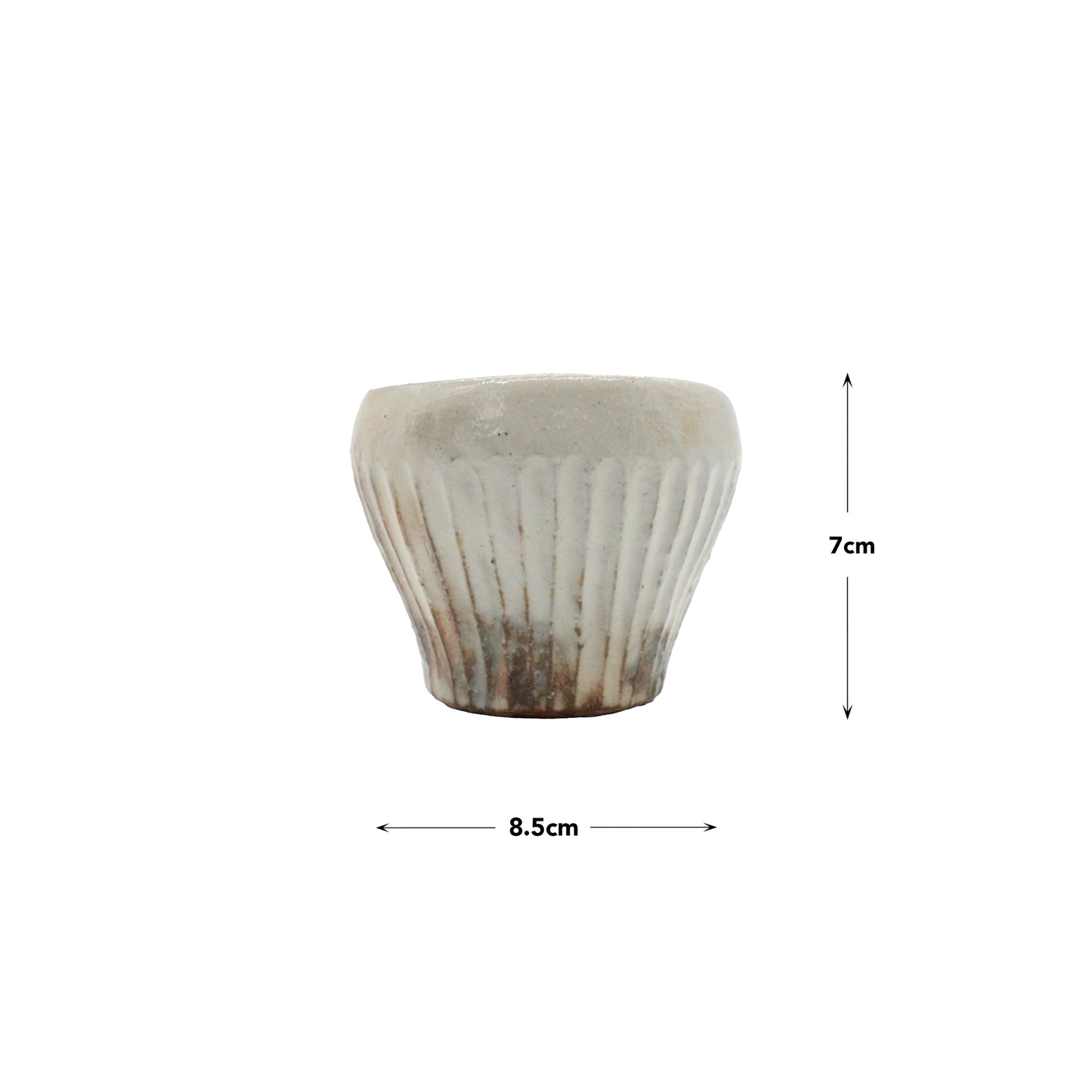
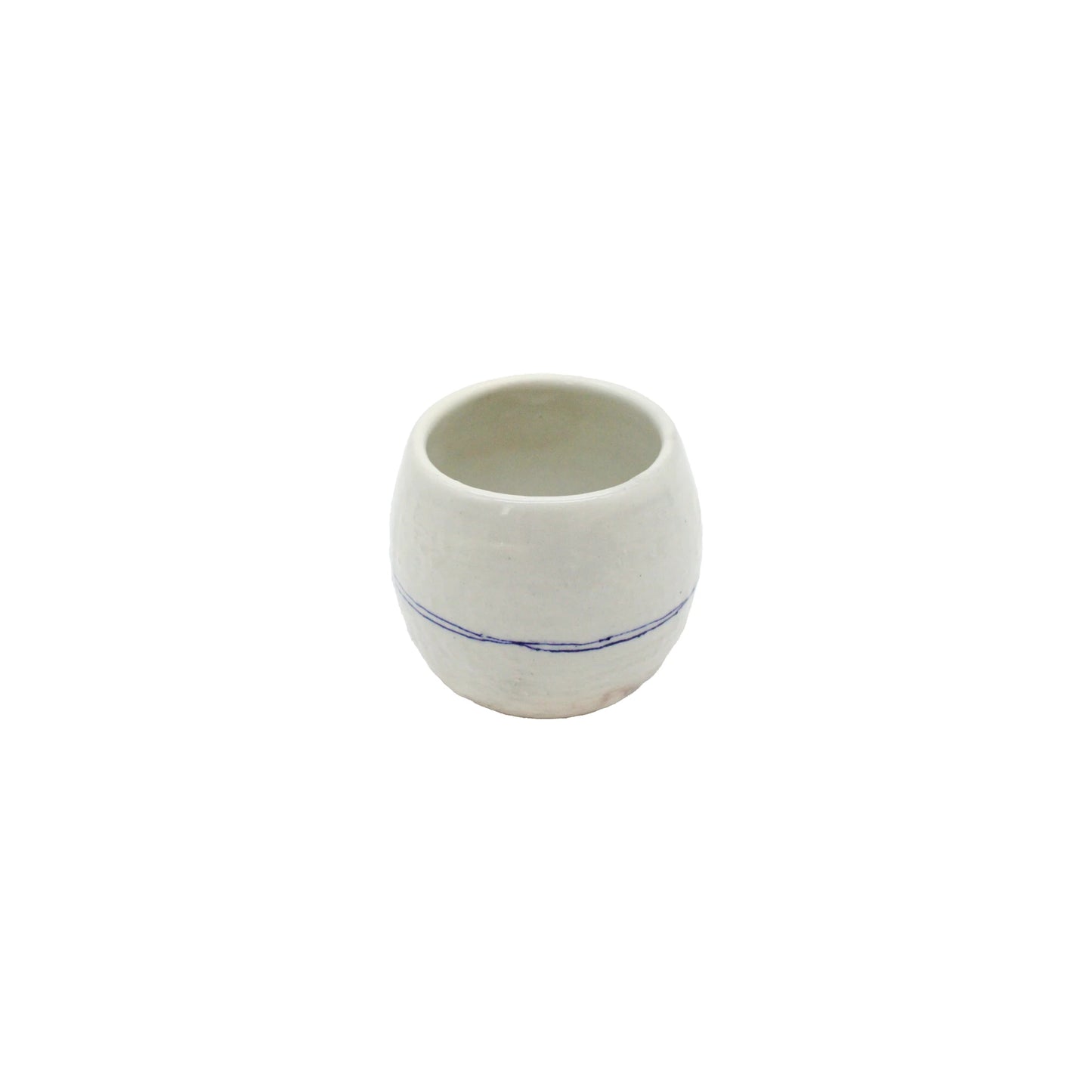
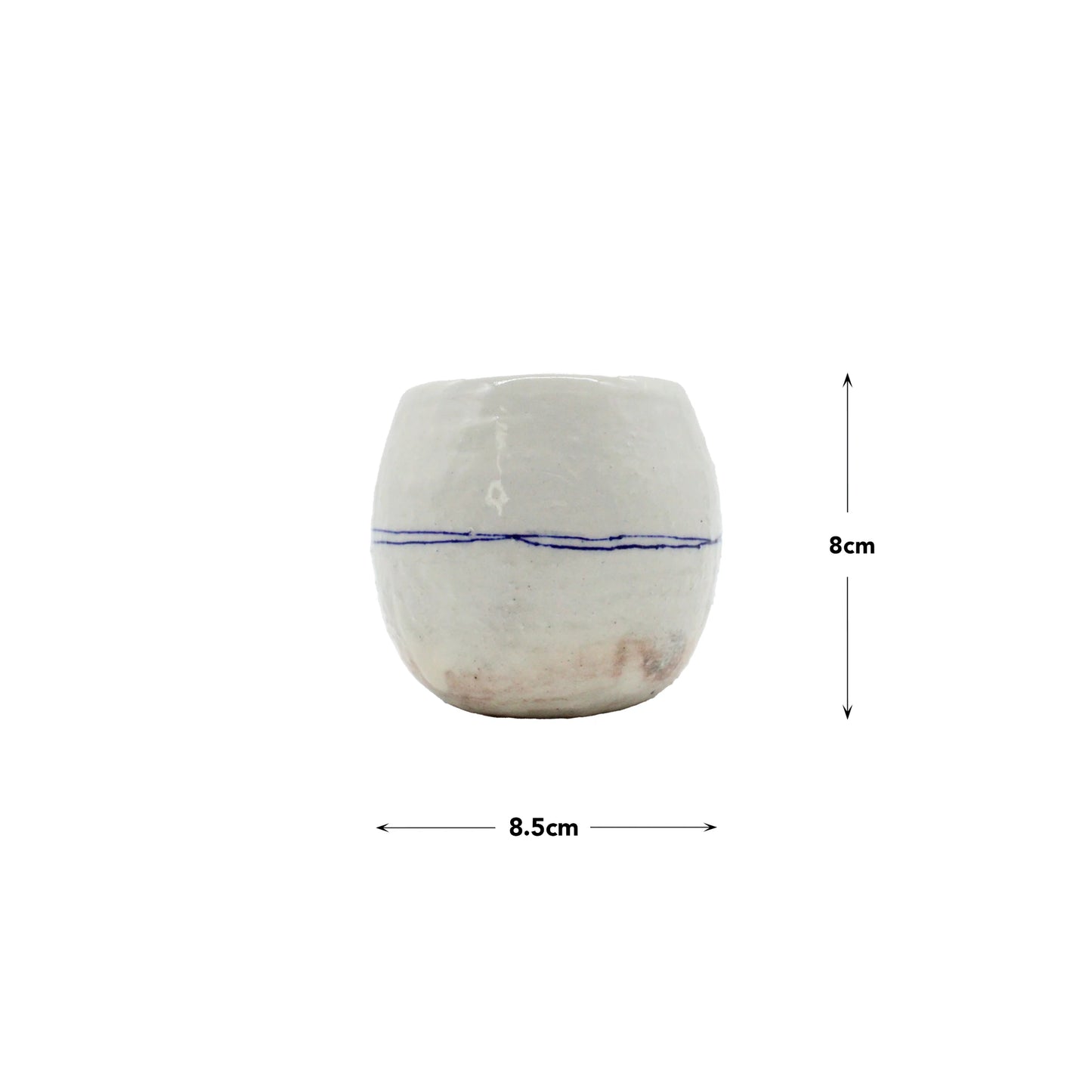
This comes from a long tradition in Japanese dining called wabi-sabi: an appreciation of things that are imperfect, uneven and shaped by hand. A glaze that pools unevenly at the rim, a surface scored with fine cracks from the kiln, a thumb mark pressed into wet clay before firing – these are signs of craft, not flaws. It’s why two bowls from the same maker will never look identical.
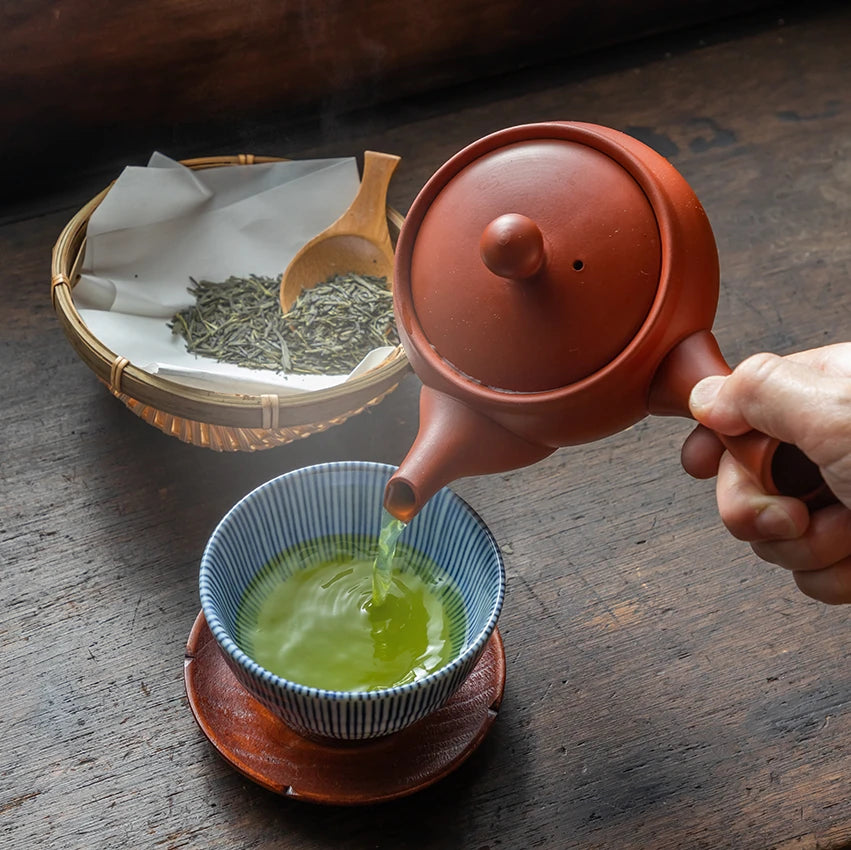
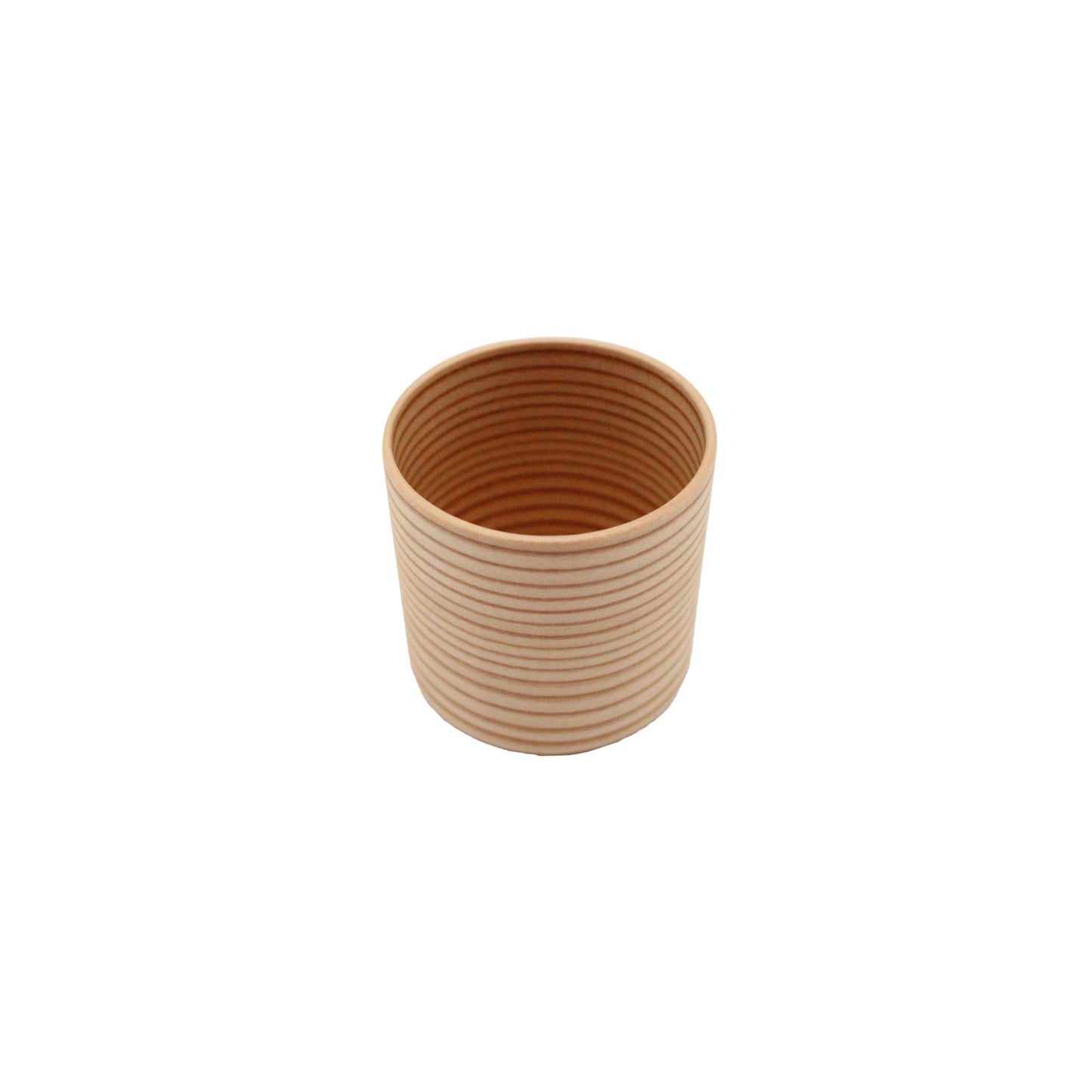
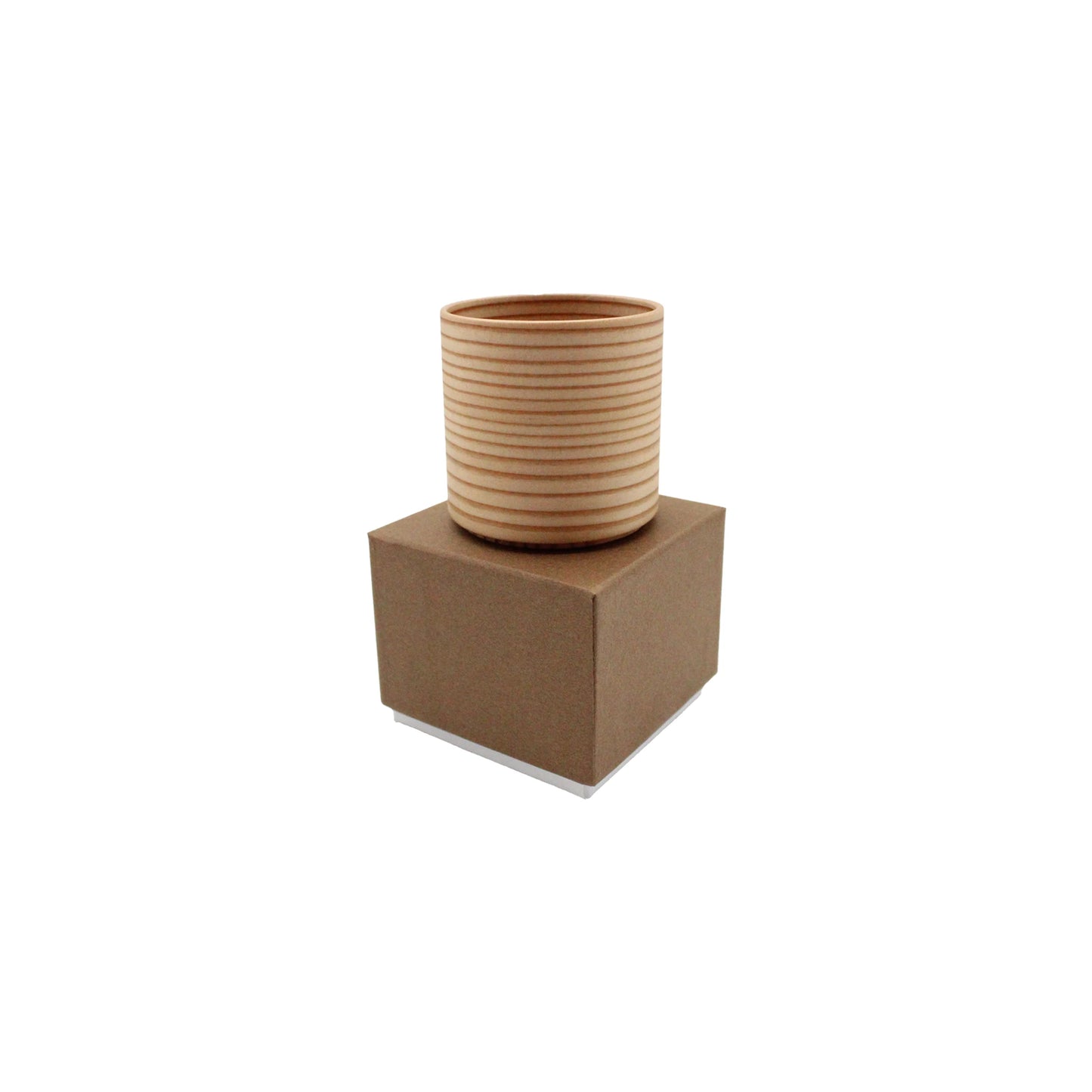
Materials also differ. Where Western tableware is overwhelmingly ceramic or porcelain, Japanese dining draws on wood, lacquer, stoneware, earthenware and several distinct styles of ceramic and porcelain, each with different weight, texture and heat behaviour. How a bowl feels when you lift it to your mouth is part of the experience.
Choosing Japanese tableware for your table
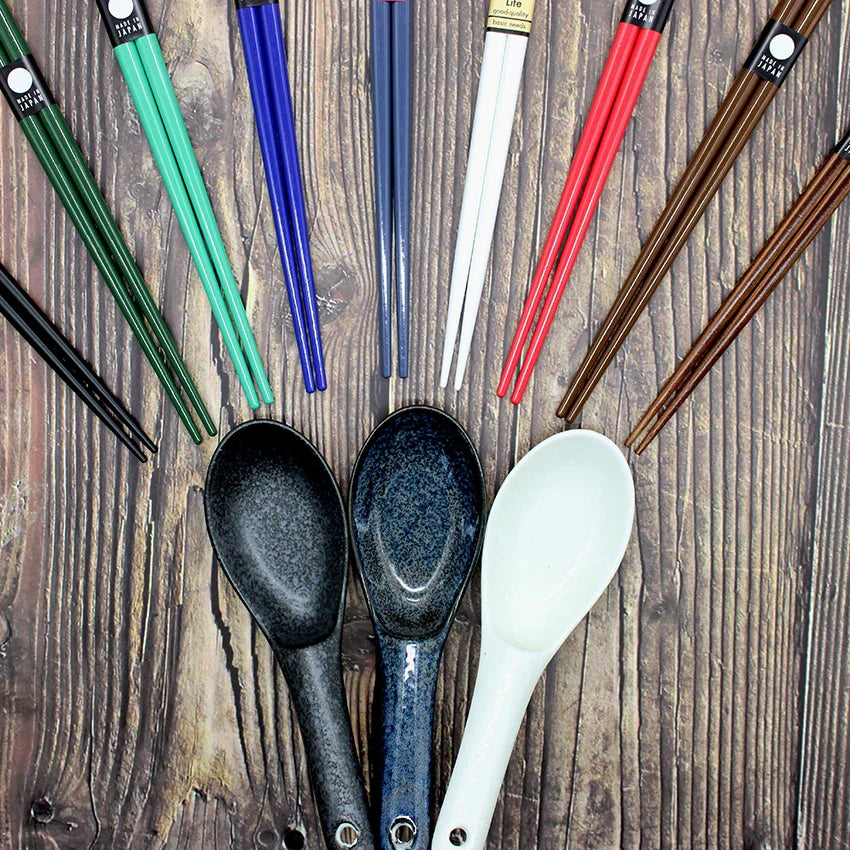
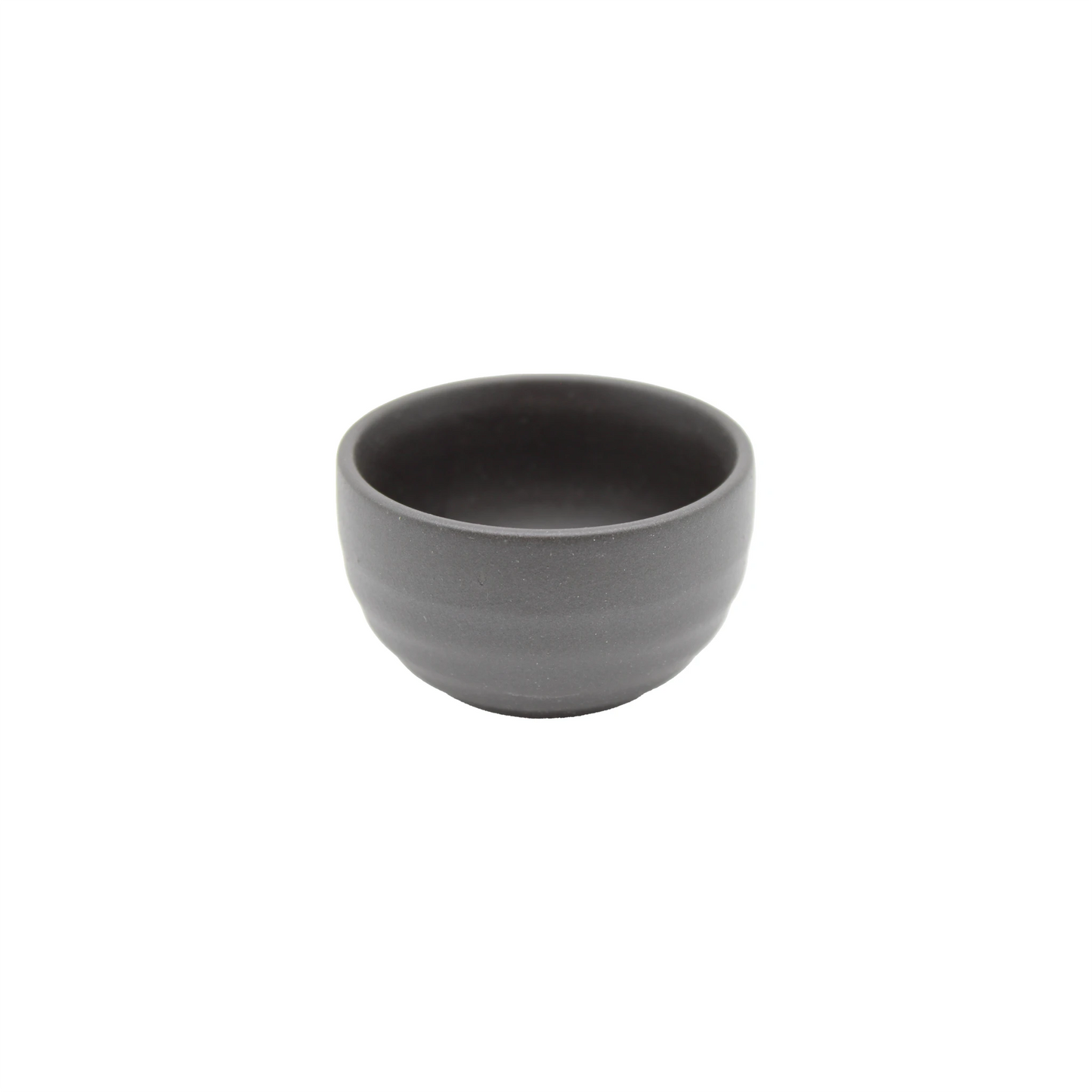
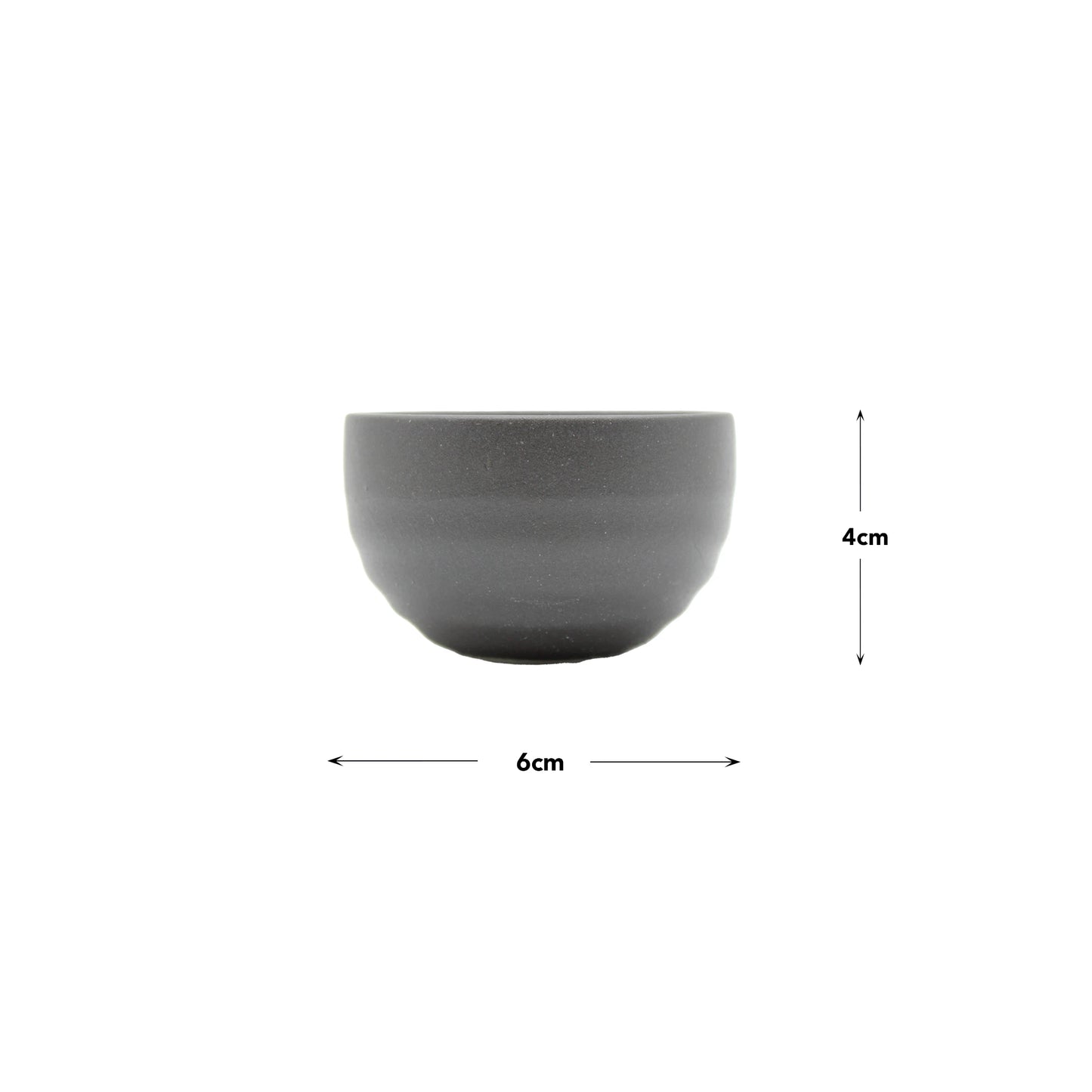
A traditional Japanese meal uses more bowls than flat plates, because bowls are held as you eat. You don’t need to buy everything at once, though. Start with the pieces you’ll use most often: a pair of rice bowls, a soup bowl style you like, a small dish for soy sauce or condiments, and chopsticks with a rest. Japanese teaware fits the same mix-and-match approach, so you can add cups, mugs and a teapot that feel good in the hand without worrying about a perfect “set”.
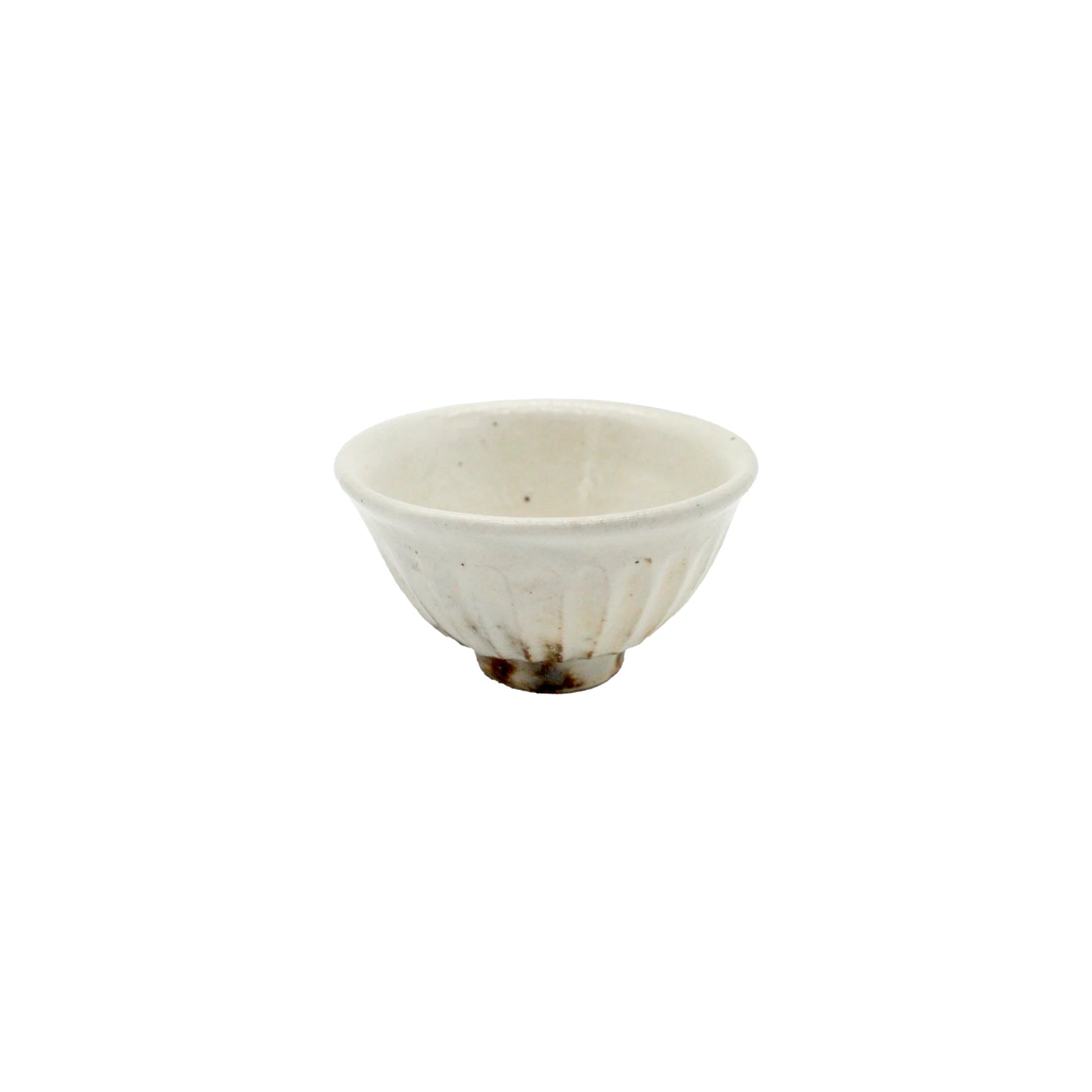
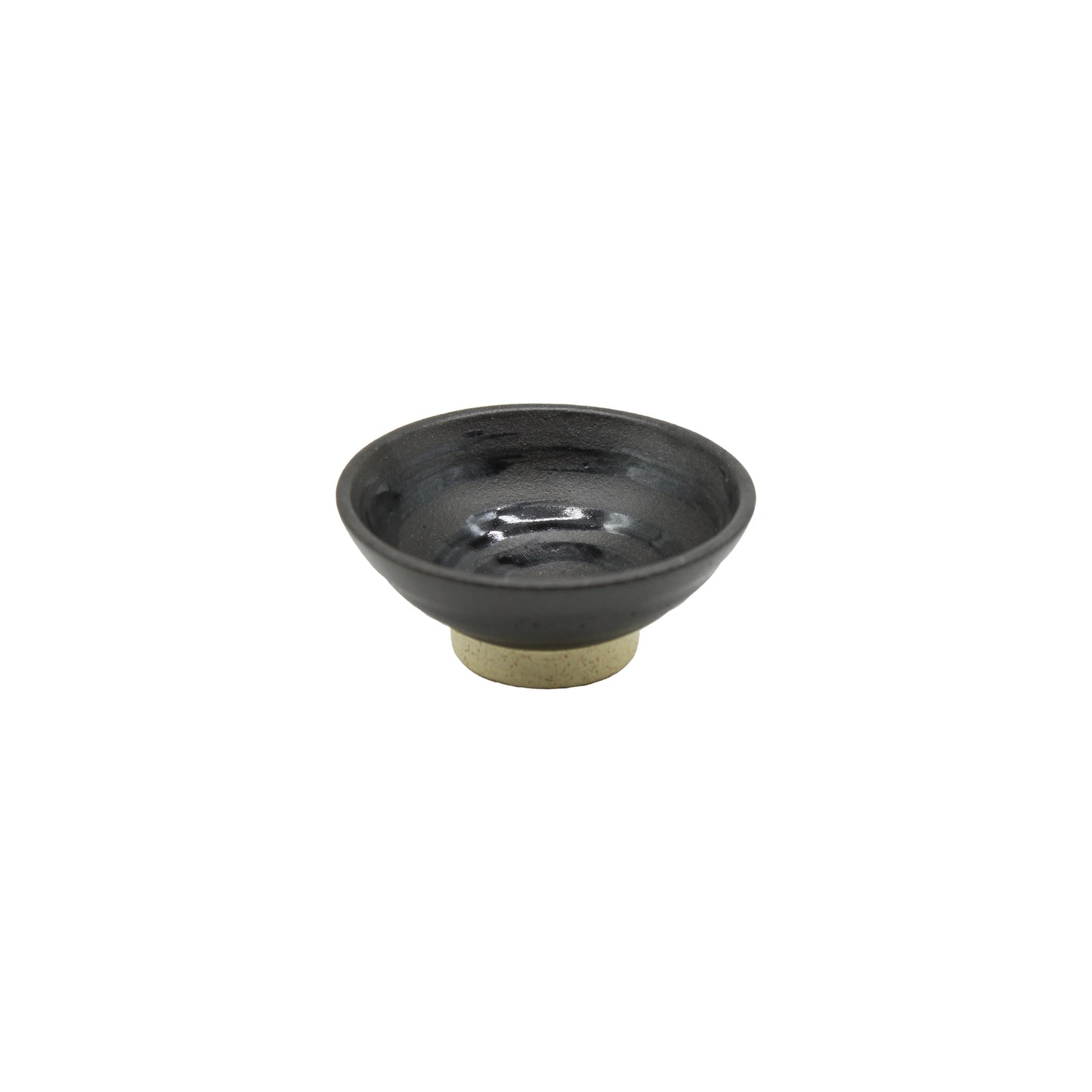
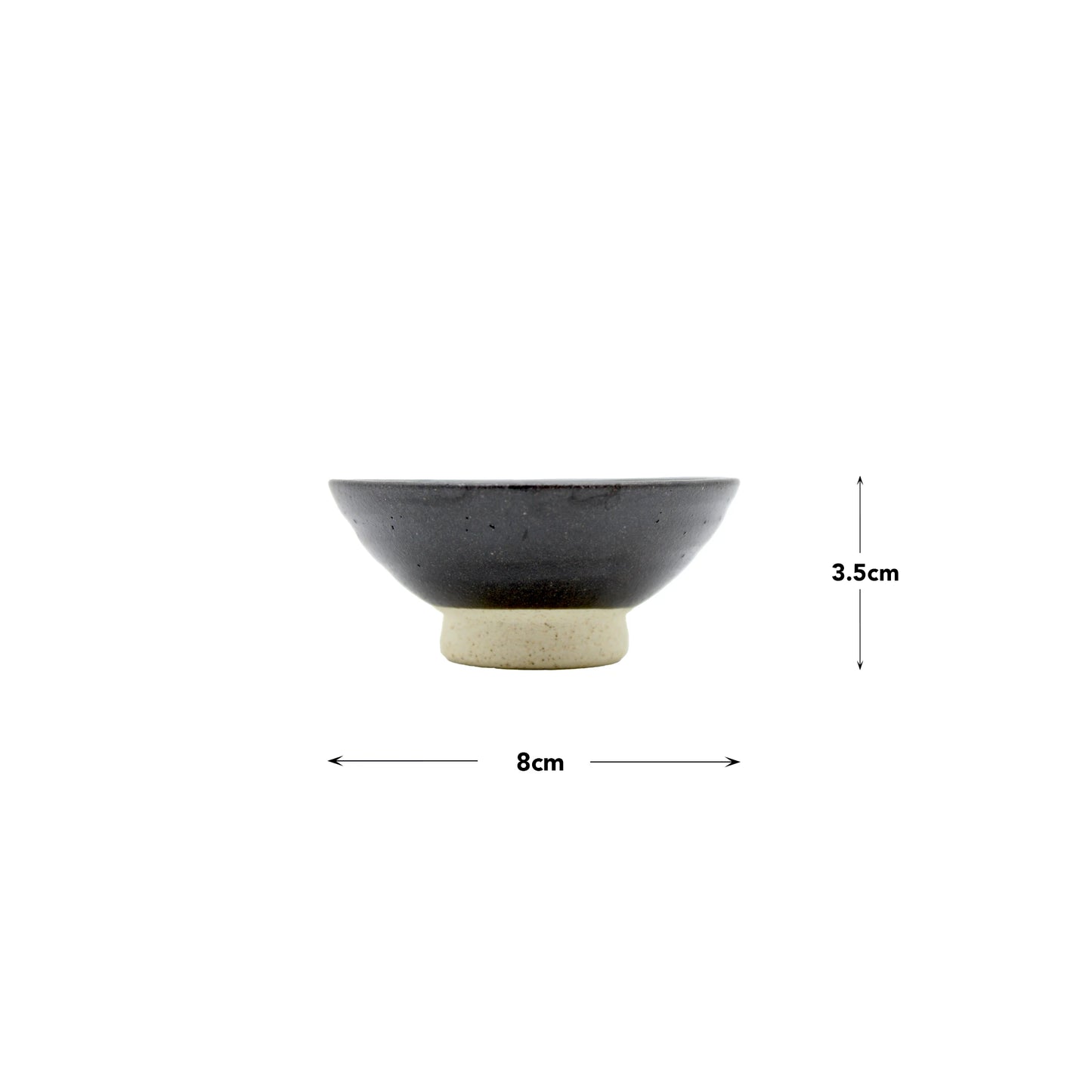
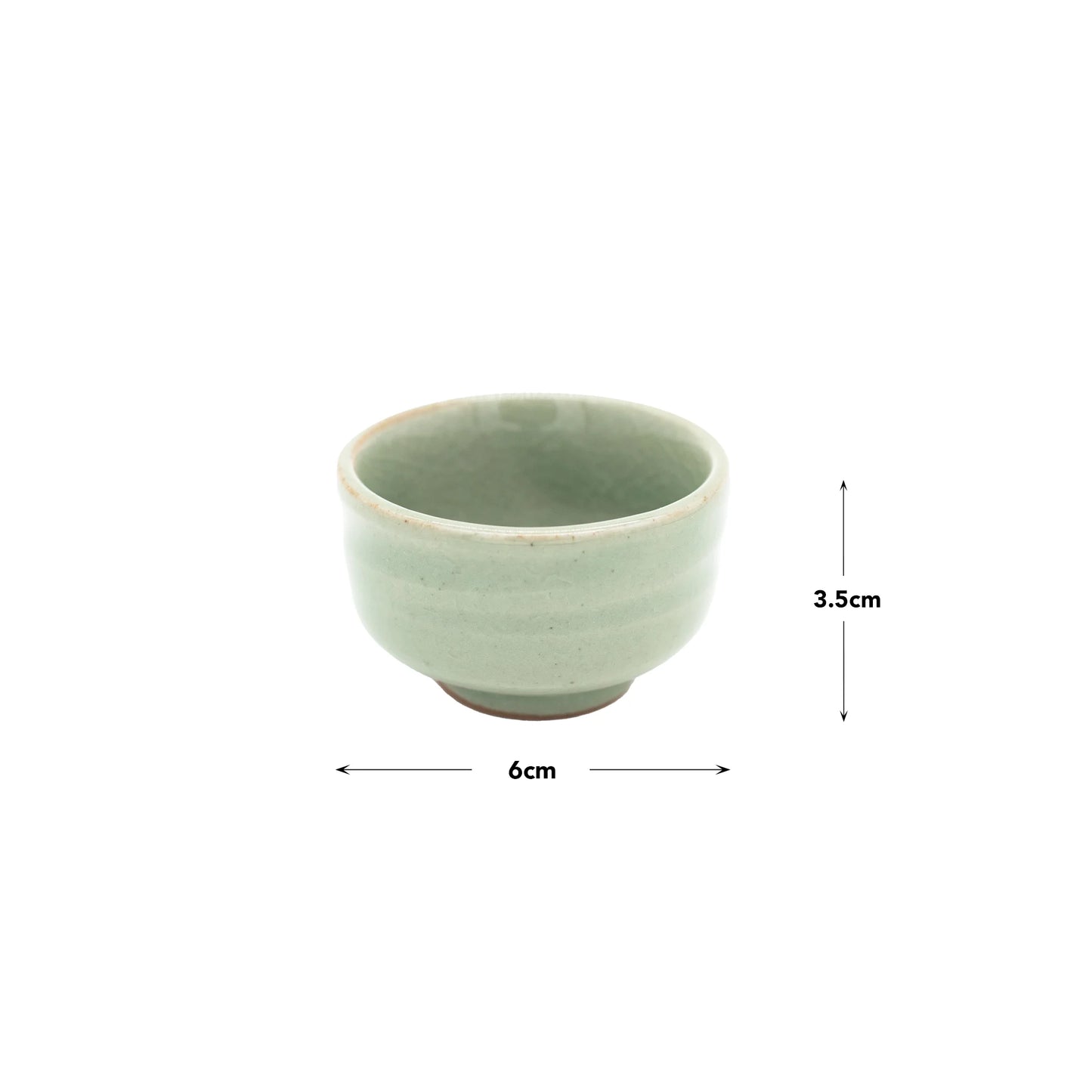
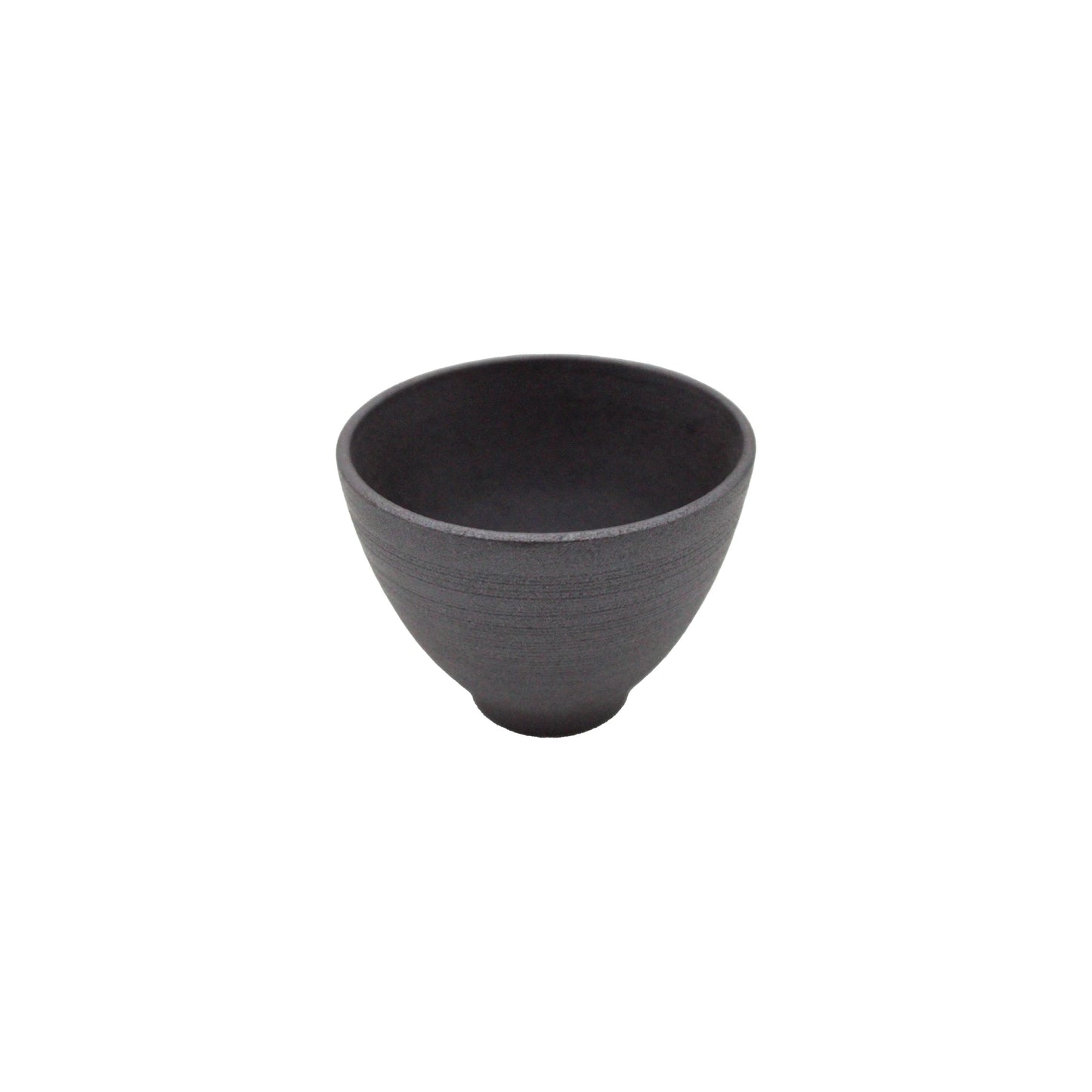
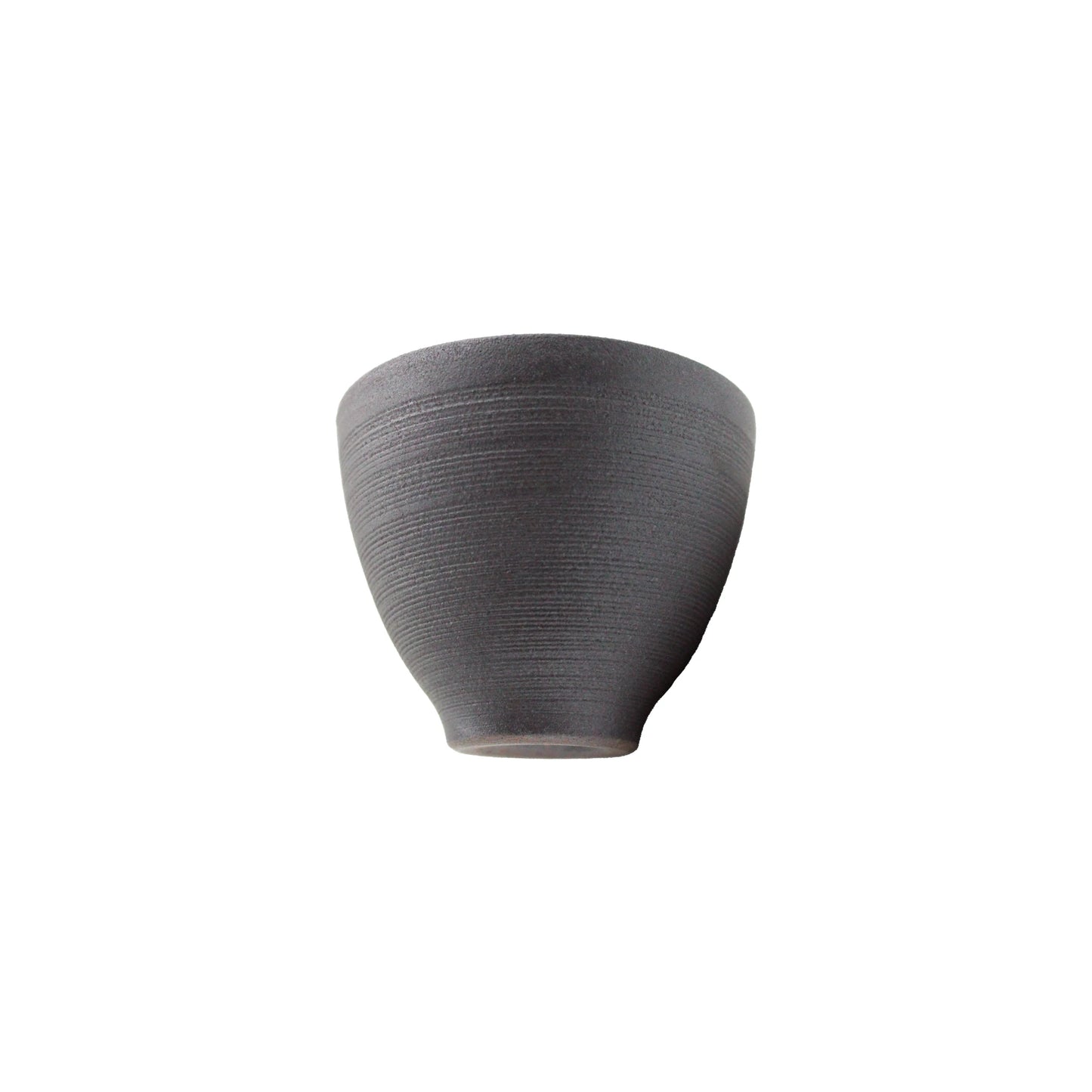
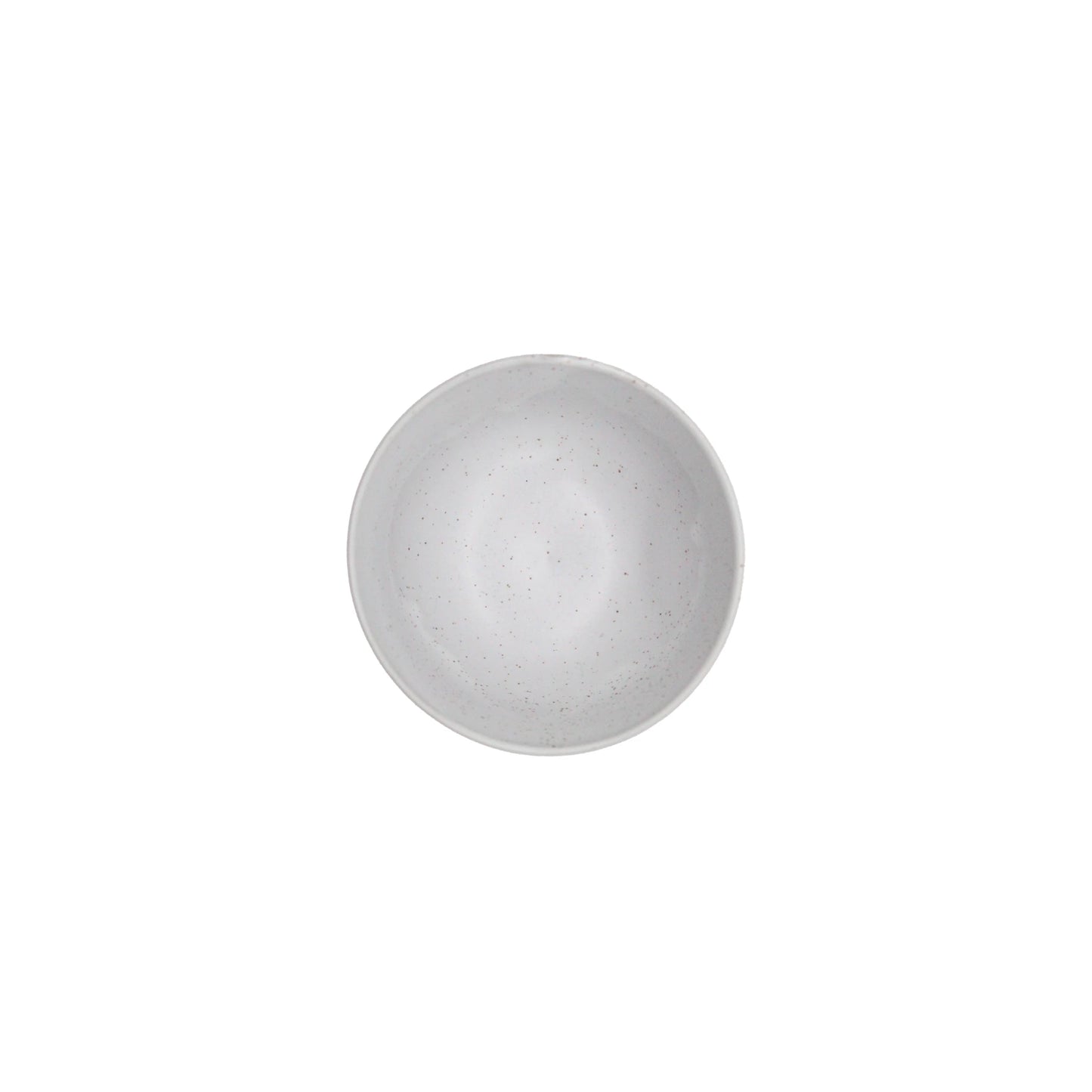
From there, you can add based on what you cook. If you make noodle soups and one-bowl meals, a deeper ramen or donburi bowl earns its place quickly. If you cook lots of small sides, pick up a few small plates in different shapes. Mixing pieces from different styles is part of the tradition. A dark-glazed ramen bowl next to a pale Kohiki rice bowl and a celadon green soy pourer creates exactly the kind of contrast Japanese tableware is designed around.
Most of our tableware is dishwasher and microwave safe, but hand-finished ceramics and lacquered pieces can need gentler care. The simplest rule is to check the product page before you commit. And if you need utensils to go with your new pieces, browse our Japanese Kitchen Tools collection for graters, miso muddlers, maki mats, skewers and chopping boards


Award Winning


Sustainable


Growers


Free Delivery
You might also like...

Get inspired with some recipes


Creamy Hojicha Ice Cream (Japanese Roasted Green Tea) Recipe
This creamy, custard-based ice cream recipe by Yuto from Sudachi is flavoured with the toasty depth of roasted Japanese hojicha...


Mirin Glazed Salmon Recipe
This must be the fastest way there is to create a culinary sensation. You do scarcely a thing — just...


Homemade Teriyaki Sauce Recipe
Traditionally used in Japan to glaze and flavour fish, teriyaki sauce is wonderfully versatile. Try this classic four-ingredient base recipe,...

Creamy Hojicha Ice Cream (Japanese Roasted Green Tea) Recipe
This creamy, custard-based ice cream recipe by Yuto from Sudachi is flavoured with the toasty depth of roasted Japanese hojicha tea.

Mirin Glazed Salmon Recipe
This must be the fastest way there is to create a culinary sensation. You do scarcely a thing — just dibble some salmon steaks in a dark glossy potion, most of which you get out of a jar — and what you make tastes as if you had been dedicating half your life to achieving the perfect combination of sweet, savoury, tender and crisp.

Homemade Teriyaki Sauce Recipe
Traditionally used in Japan to glaze and flavour fish, teriyaki sauce is wonderfully versatile. Try this classic four-ingredient base recipe, ready for you to put your own spin on.