



Rice Bowls












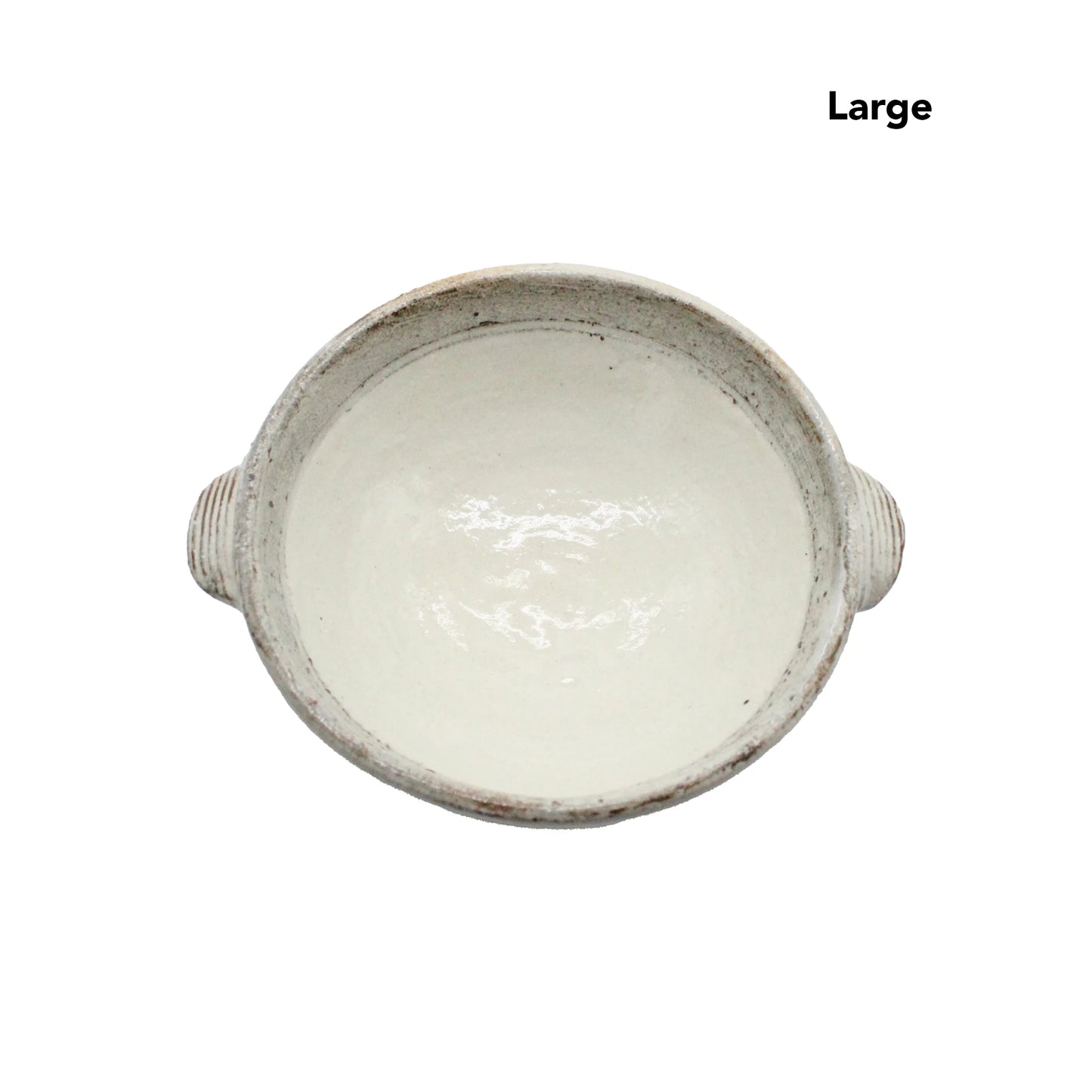


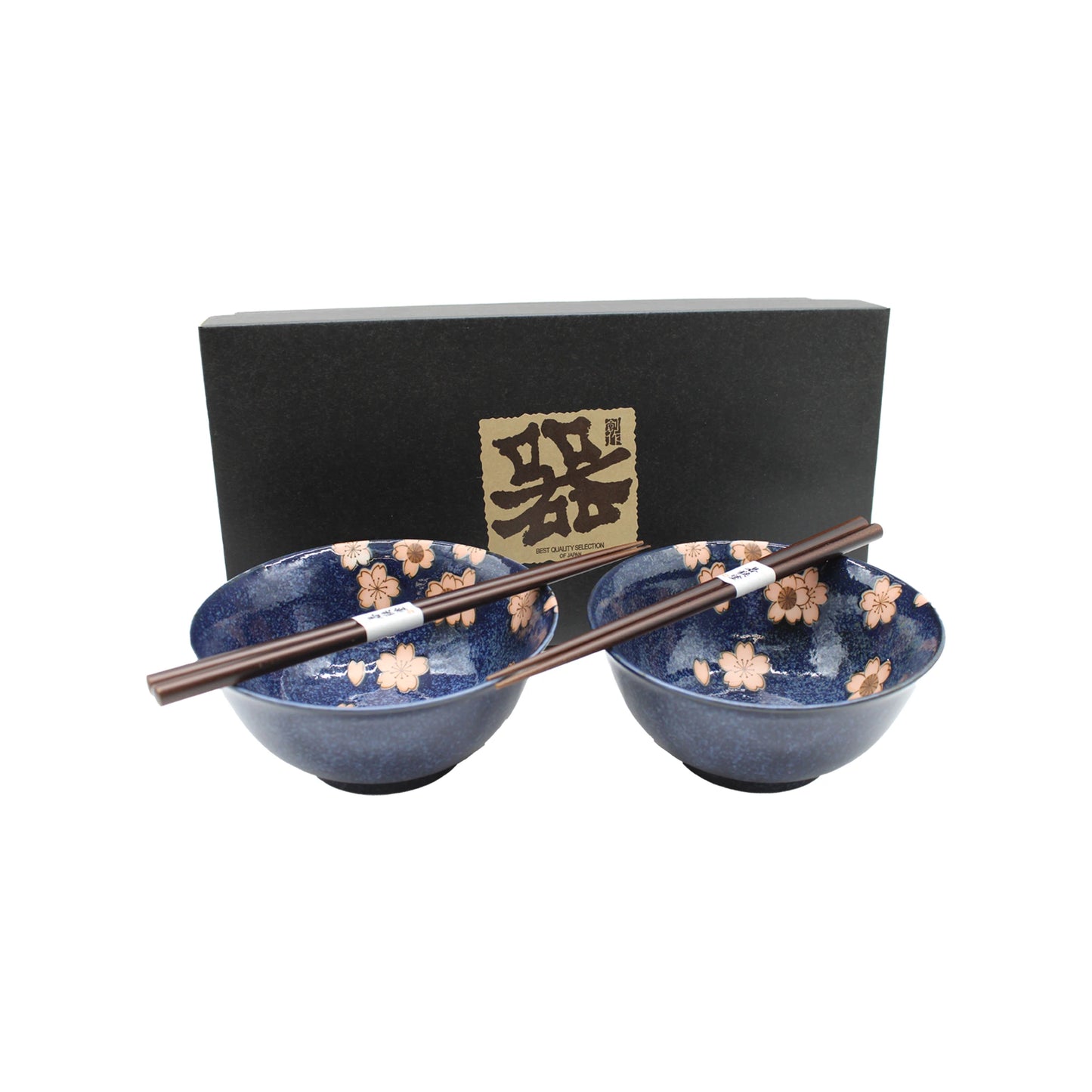

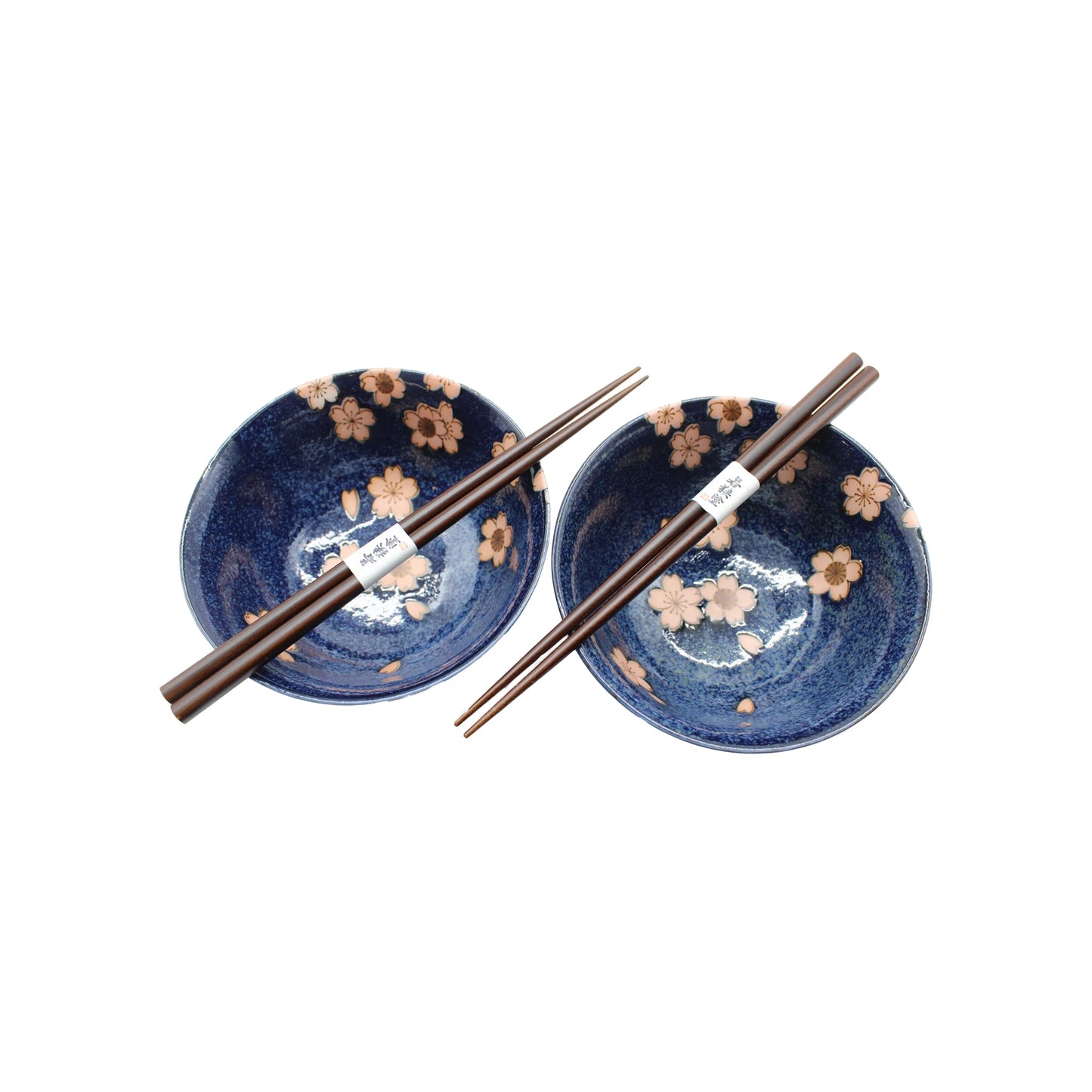


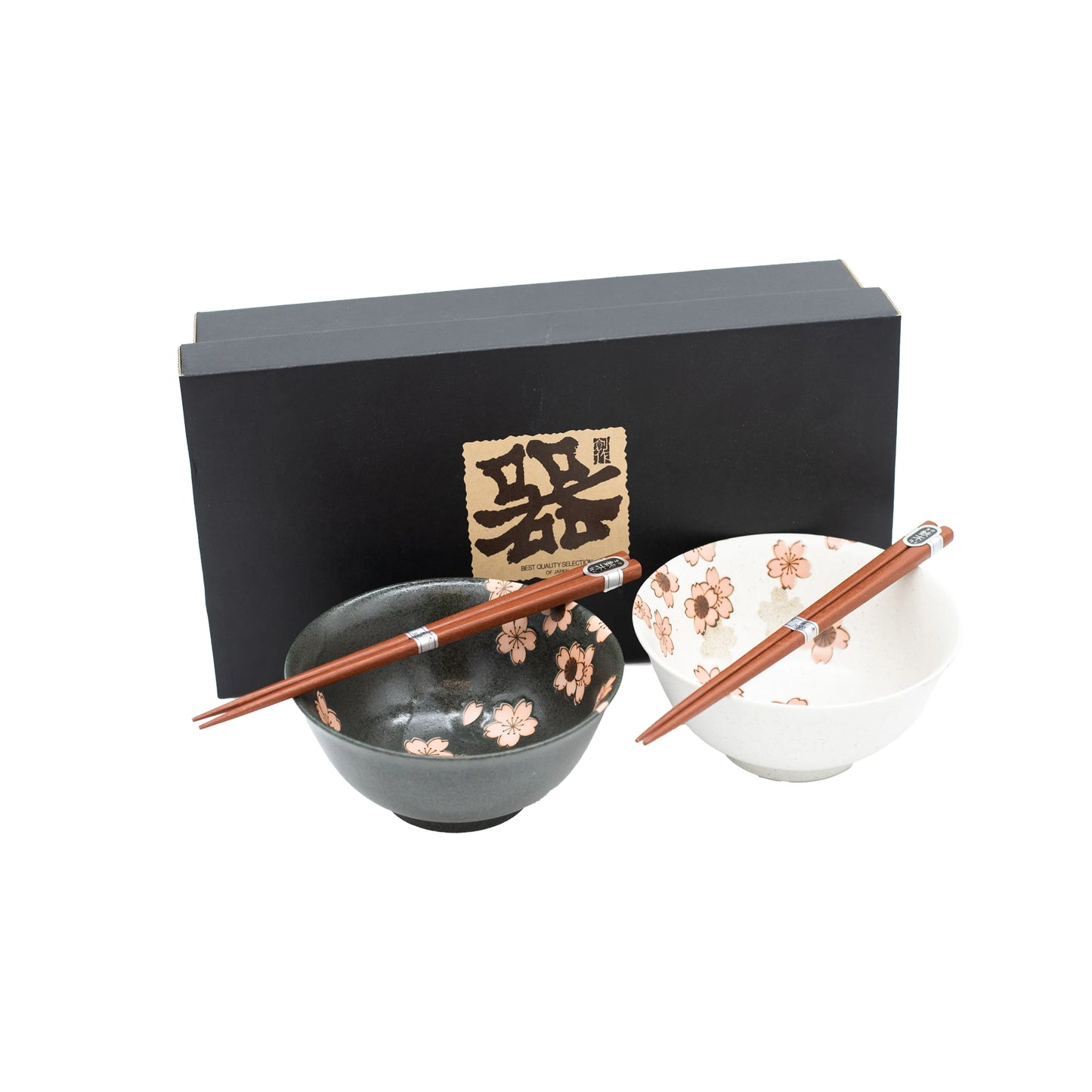







How to choose the right Japanese rice bowl
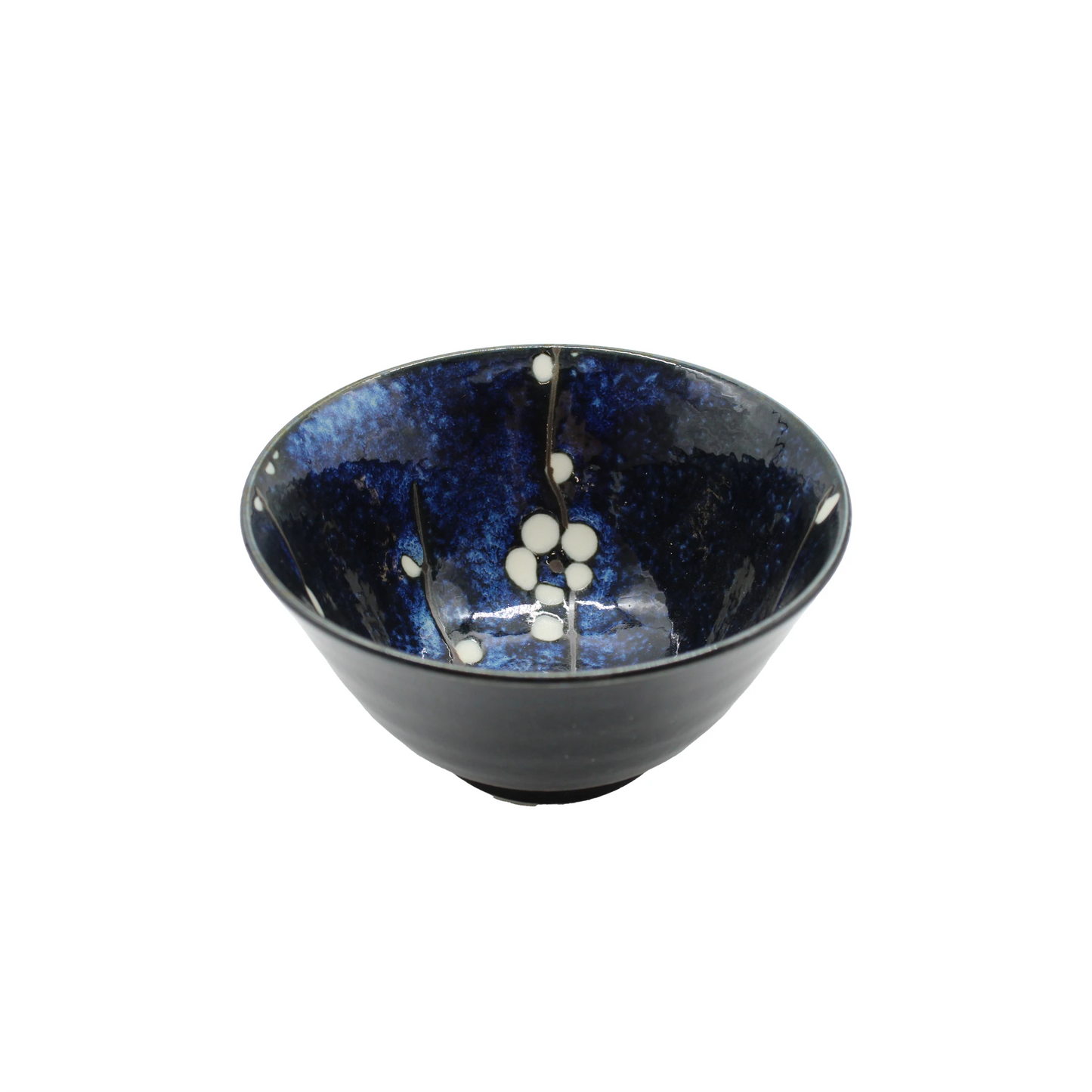
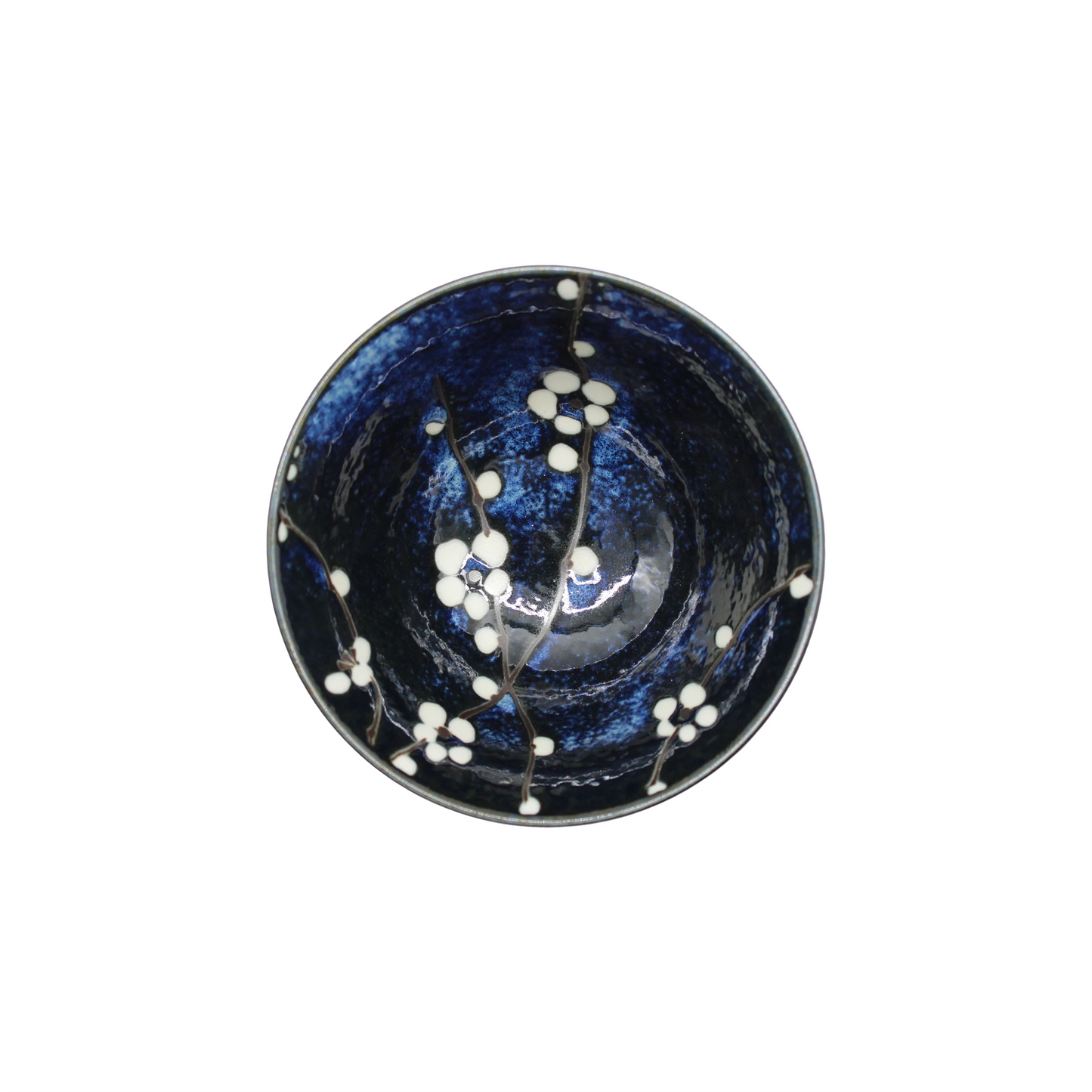
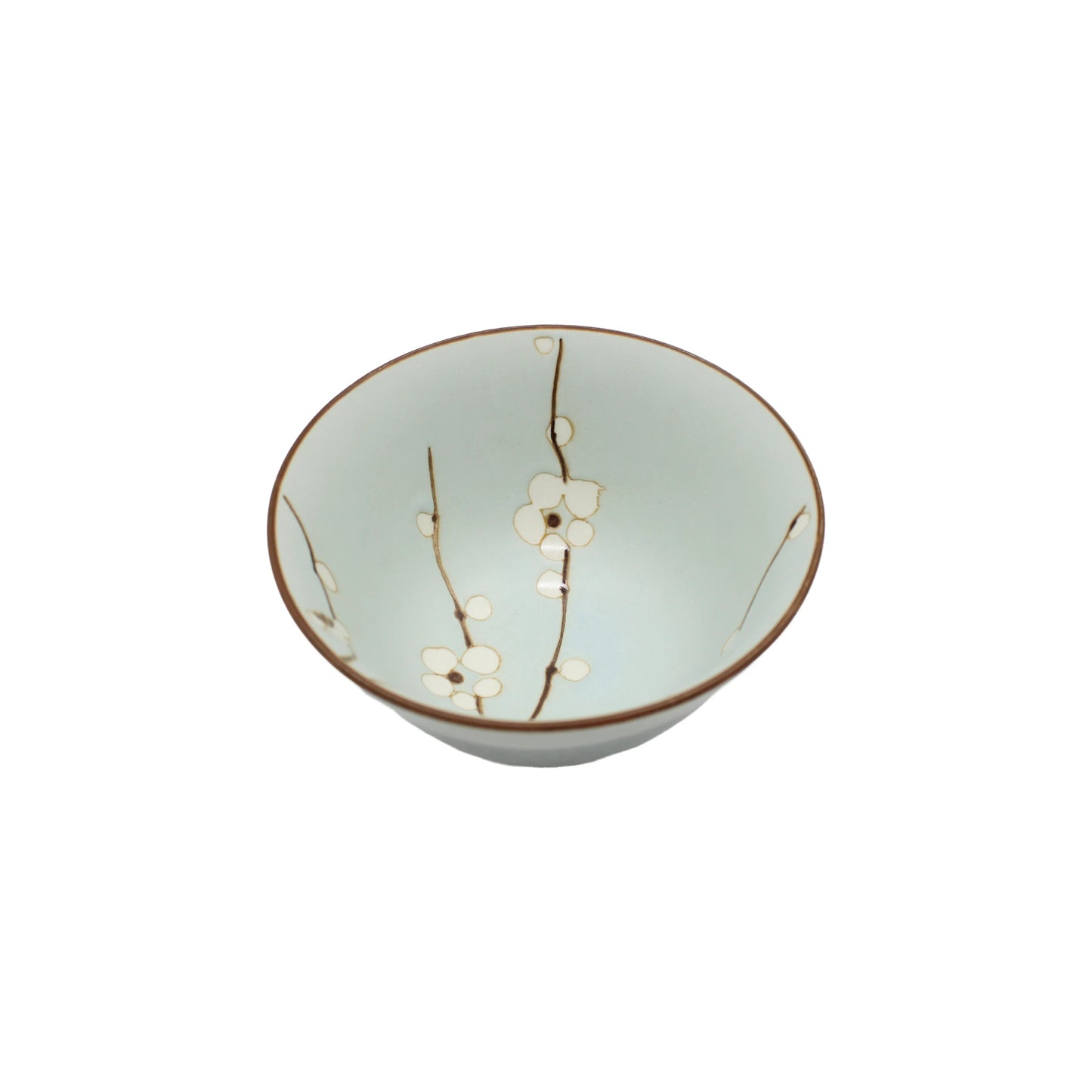
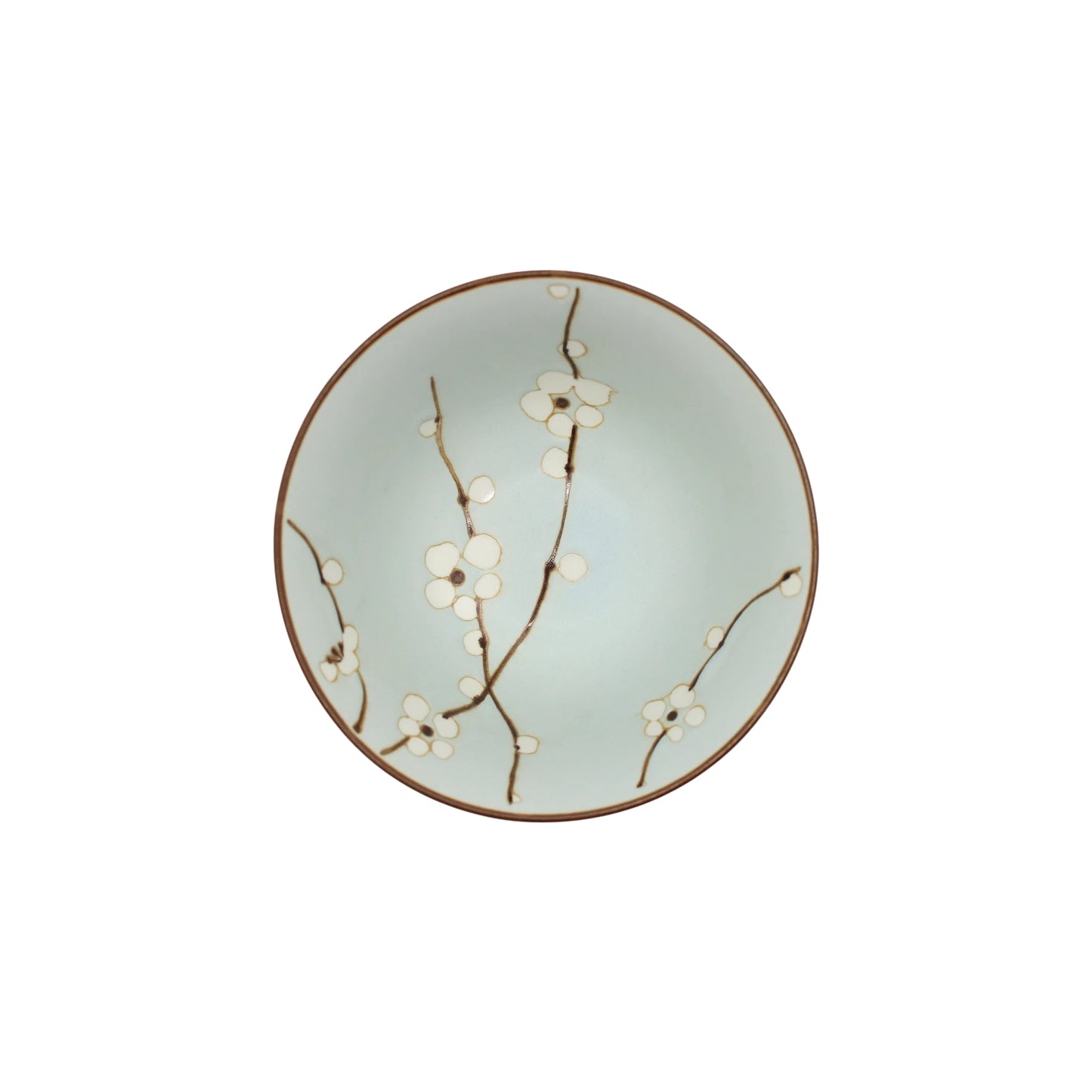
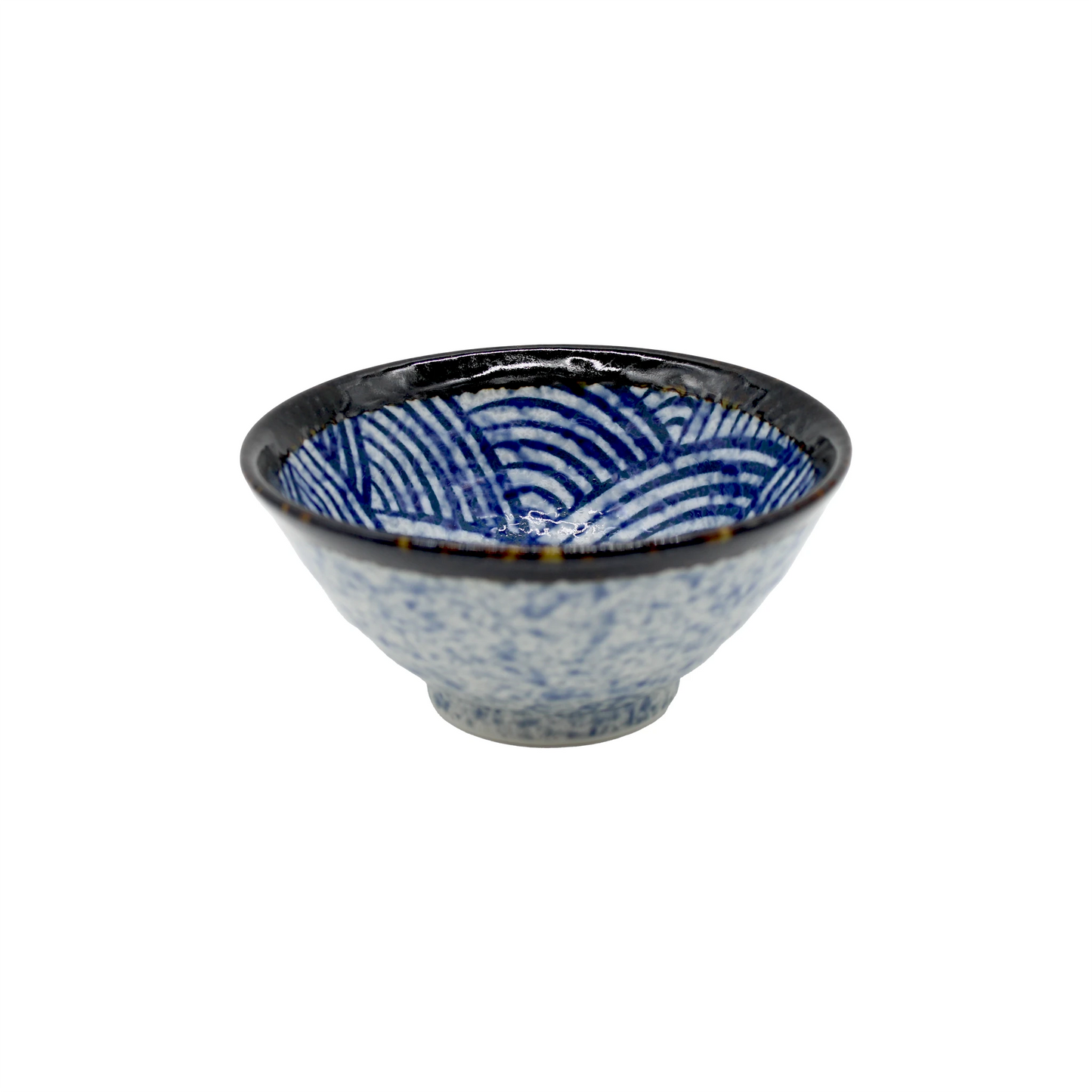
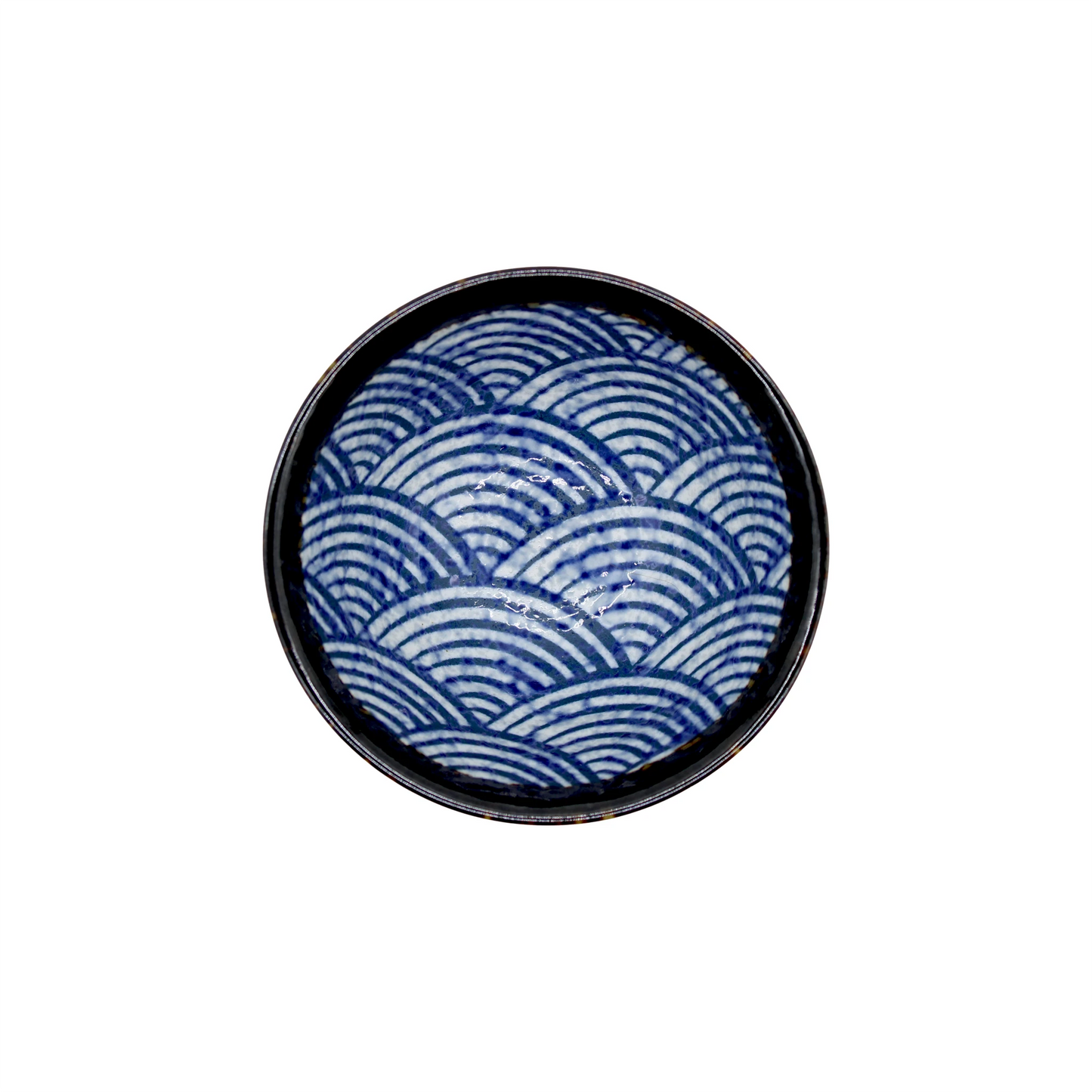
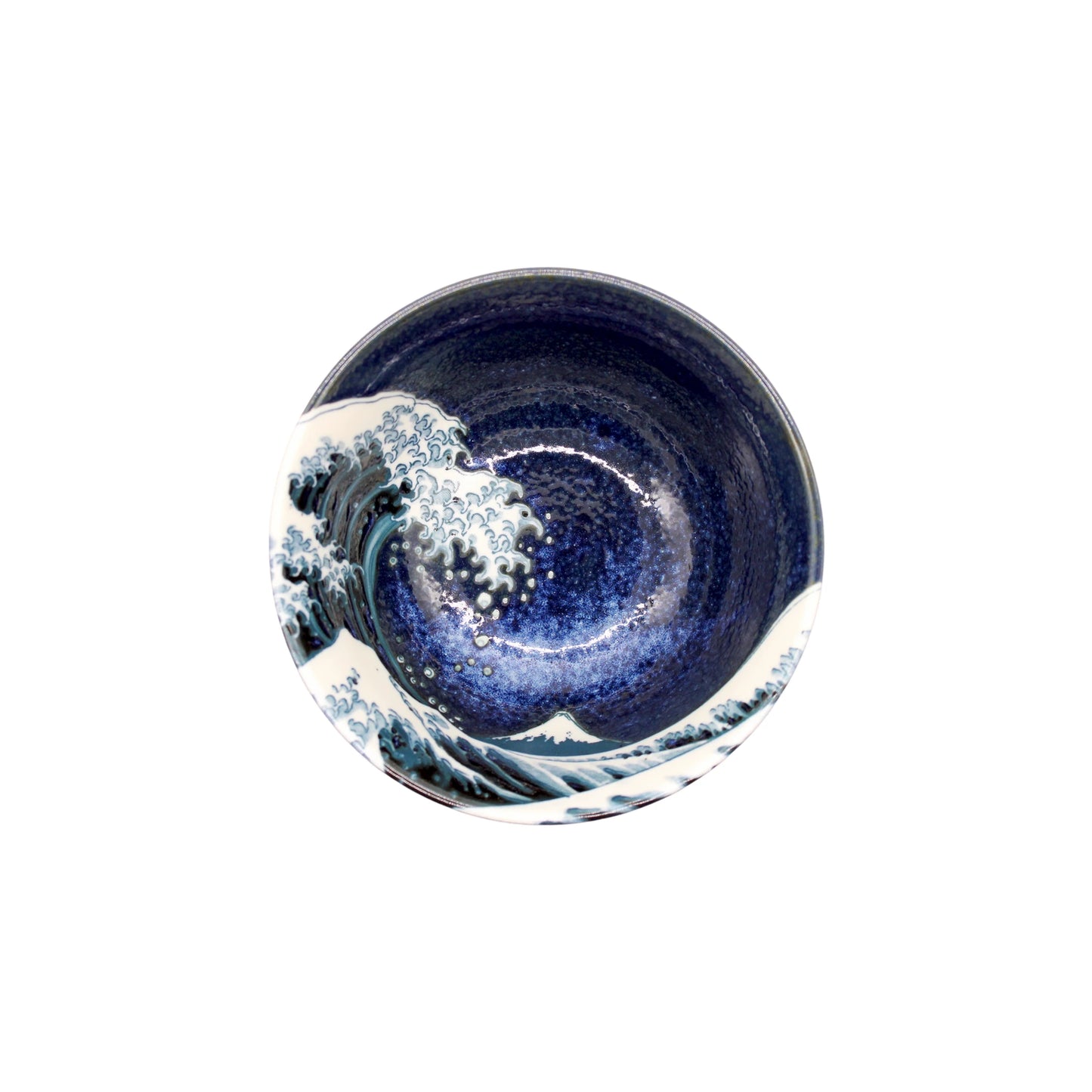
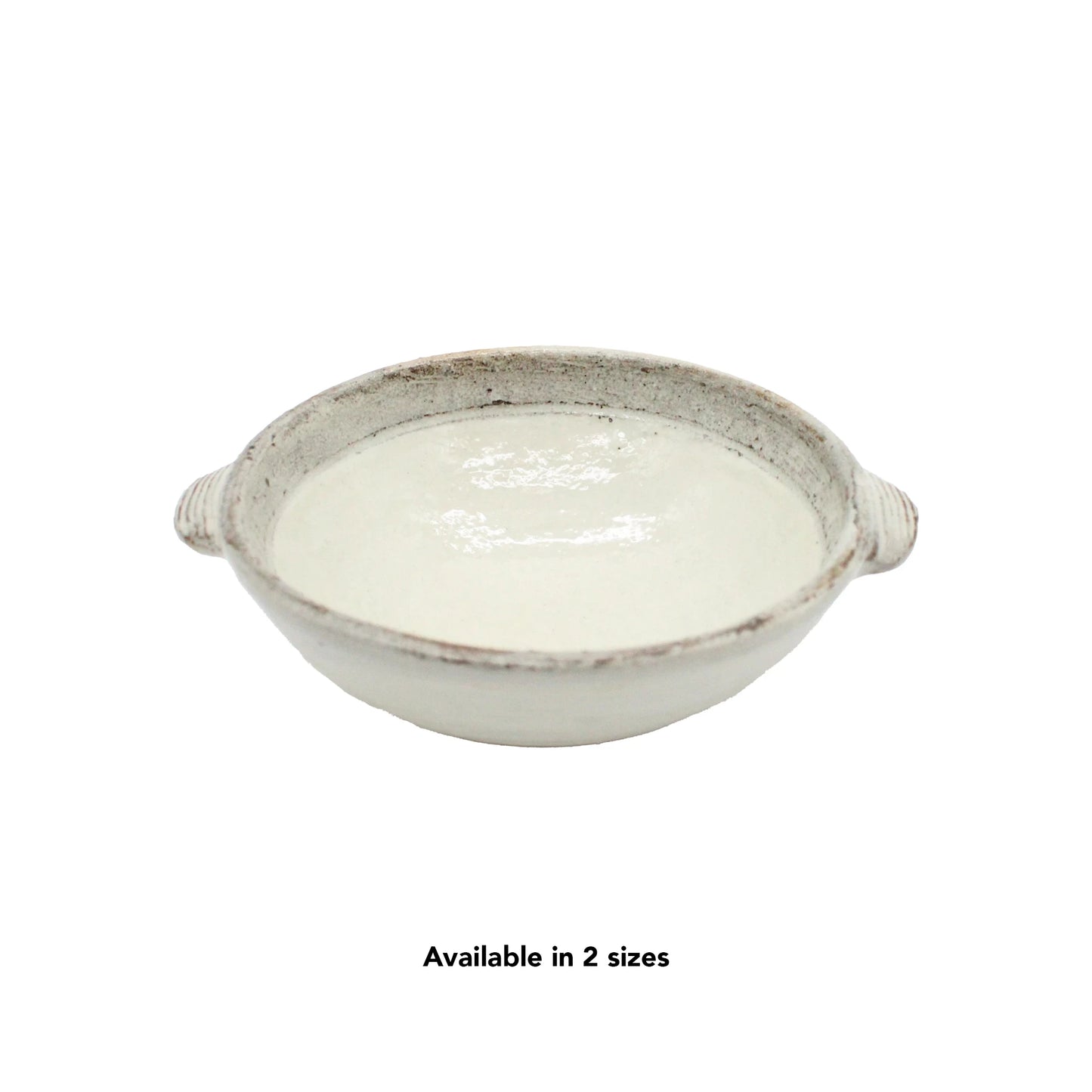
A Japanese rice bowl (properly called gohan chawan in Japanese, though most people shorten it to chawan) is designed to sit comfortably in one hand. That's the starting point. You lift it from the table, hold it close and eat with chopsticks from the rim. So, the size and weight need to suit your grip, and the base (called a kodai) should keep your fingers away from the heat of the rice.
Most ceramic rice bowls measure around 12–16 cm across the rim. If you tend to eat smaller portions, go for something at the lower end.
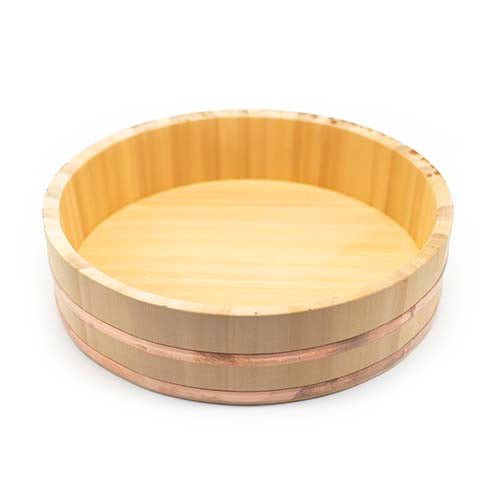
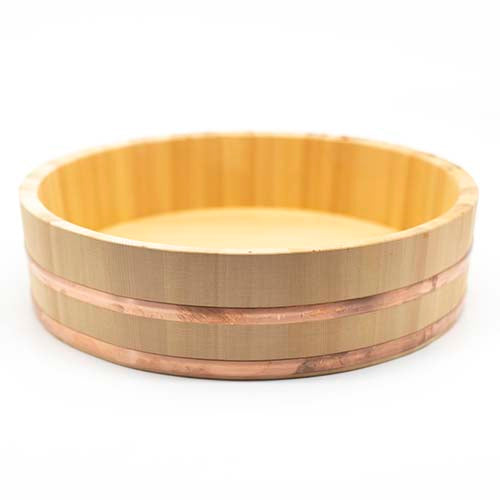
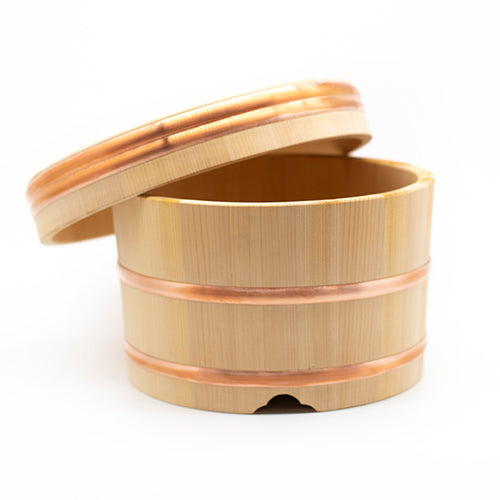
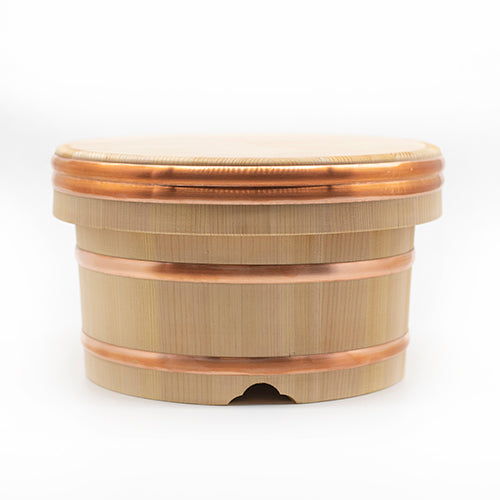
Once you've chosen your ceramic rice bowls, it's worth thinking about how you prepare and store the rice itself. Ohitsu are lidded wooden containers designed to hold cooked rice at the table. The wood absorbs excess moisture and keeps the rice at a good temperature without drying it out. Hangiri are wider, shallower wooden tubs used for mixing sushi rice with vinegar. Both are made from Japanese cedar wood, and over time they develop a patina that's part of their character. See our hangiri and ohitsu collection for the full range.
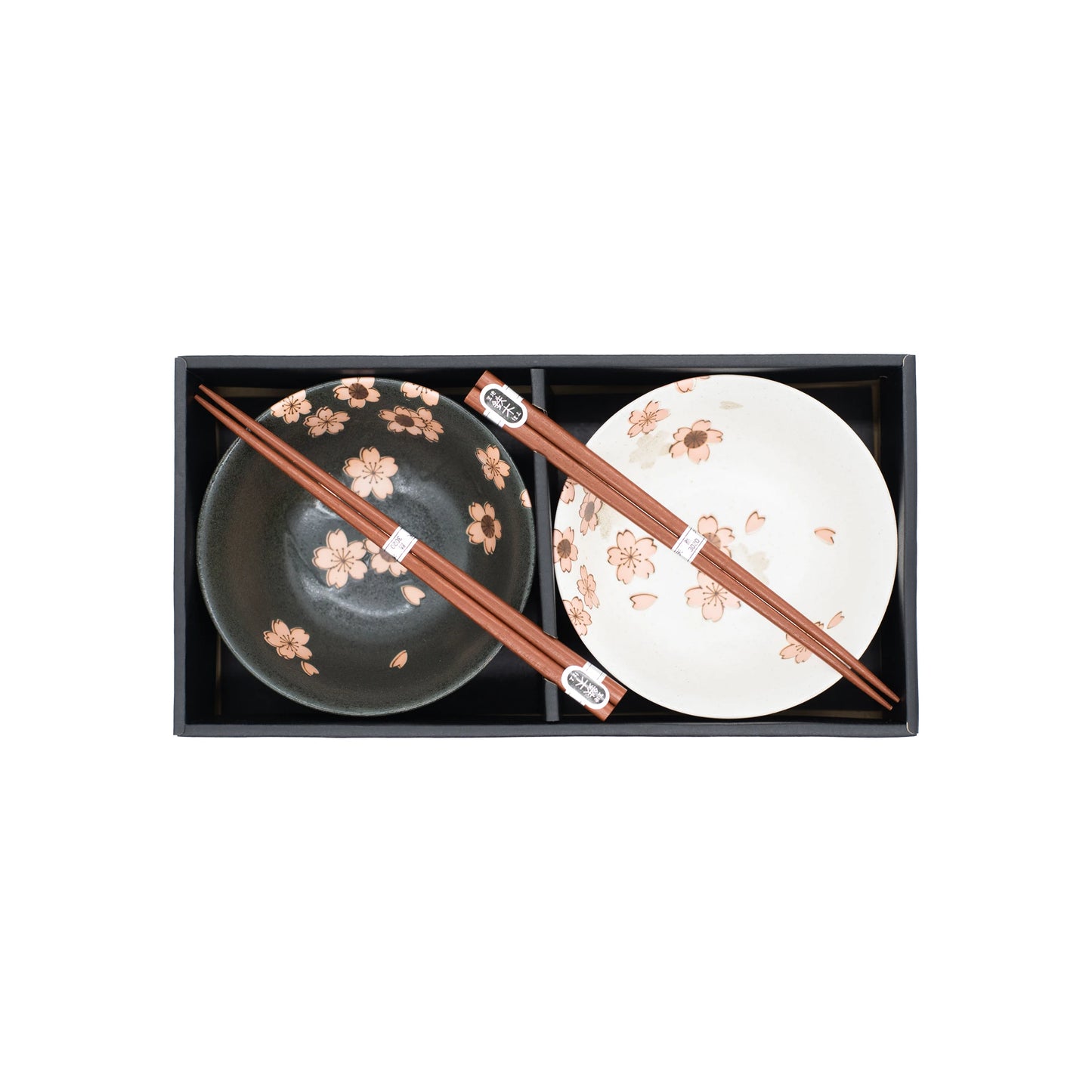
If you're setting a table for Japanese home cooking, a matched set works well. Couples in Japan often use meoto chawan, which is a pair of rice bowls in the same design but two sizes. We have Japanese rice bowl sets and tableware gift sets that pair bowls with chopsticks.
Serving rice the Japanese way
Rice is an important part of a Japanese meal. It's cooked until slightly sticky; firm enough that each grain holds together, but still soft enough to pick up cleanly with chopsticks. It is served warm in individual bowls. One per person, always.
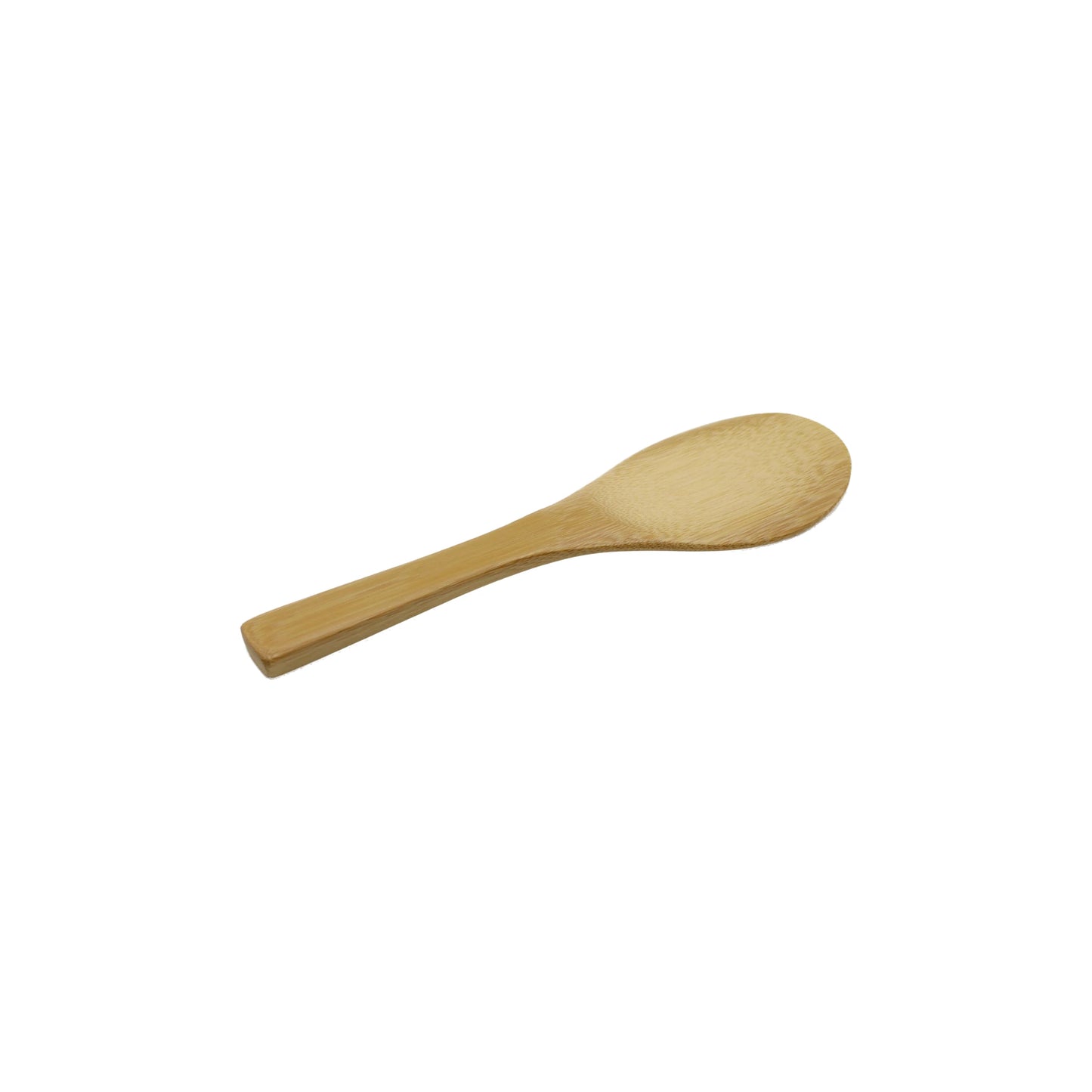
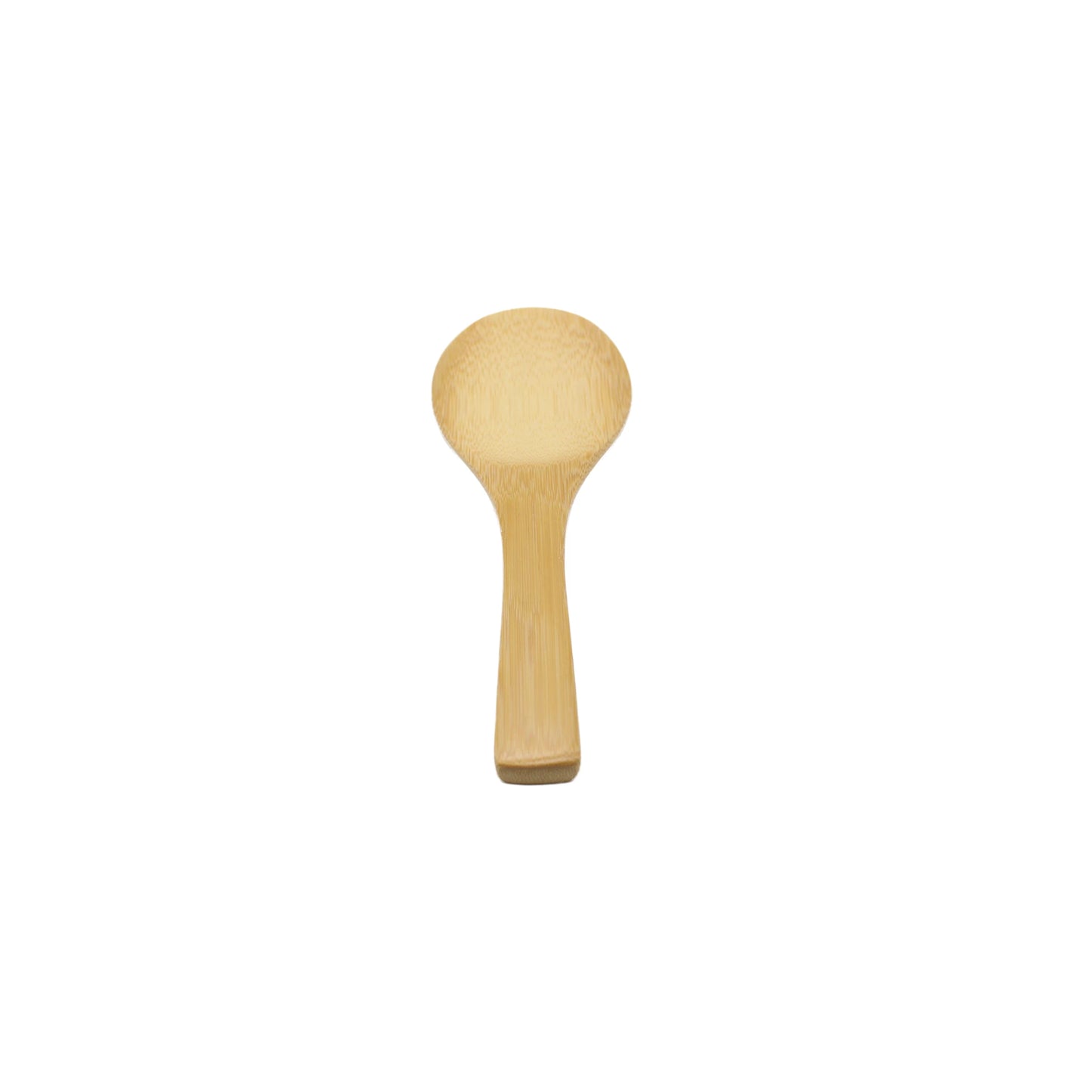
Scoop the rice gently with a dampened shamoji (rice paddle) and place it into the bowl without pressing it down. Compacted rice loses its texture. You want a light, rounded mound that steams when you set it on the table. The warmth transfers through the ceramic walls and into your hand. That connection between food and body is part of why the bowl matters.
For a full ichiju sansai setting (one soup, three sides), the rice bowl sits at the front left, with a miso or soup bowl to its right. Main dish behind the soup, sides behind the rice, pickles in the middle. It sounds precise, but it's just about balance and easy reach with chopsticks. If you're building out your table, our Japanese bowls collection covers everything from miso bowls to serving bowls and ramen bowls.


Award Winning


Sustainable


Growers


Free Delivery
Get inspired with some recipes


Creamy Hojicha Ice Cream (Japanese Roasted Green Tea) Recipe
This creamy, custard-based ice cream recipe by Yuto from Sudachi is flavoured with the toasty depth of roasted Japanese hojicha...


Mirin Glazed Salmon Recipe
This must be the fastest way there is to create a culinary sensation. You do scarcely a thing — just...


Homemade Teriyaki Sauce Recipe
Traditionally used in Japan to glaze and flavour fish, teriyaki sauce is wonderfully versatile. Try this classic four-ingredient base recipe,...

Creamy Hojicha Ice Cream (Japanese Roasted Green Tea) Recipe
This creamy, custard-based ice cream recipe by Yuto from Sudachi is flavoured with the toasty depth of roasted Japanese hojicha tea.

Mirin Glazed Salmon Recipe
This must be the fastest way there is to create a culinary sensation. You do scarcely a thing — just dibble some salmon steaks in a dark glossy potion, most of which you get out of a jar — and what you make tastes as if you had been dedicating half your life to achieving the perfect combination of sweet, savoury, tender and crisp.

Homemade Teriyaki Sauce Recipe
Traditionally used in Japan to glaze and flavour fish, teriyaki sauce is wonderfully versatile. Try this classic four-ingredient base recipe, ready for you to put your own spin on.