



Umeshu & Japanese Liqueurs

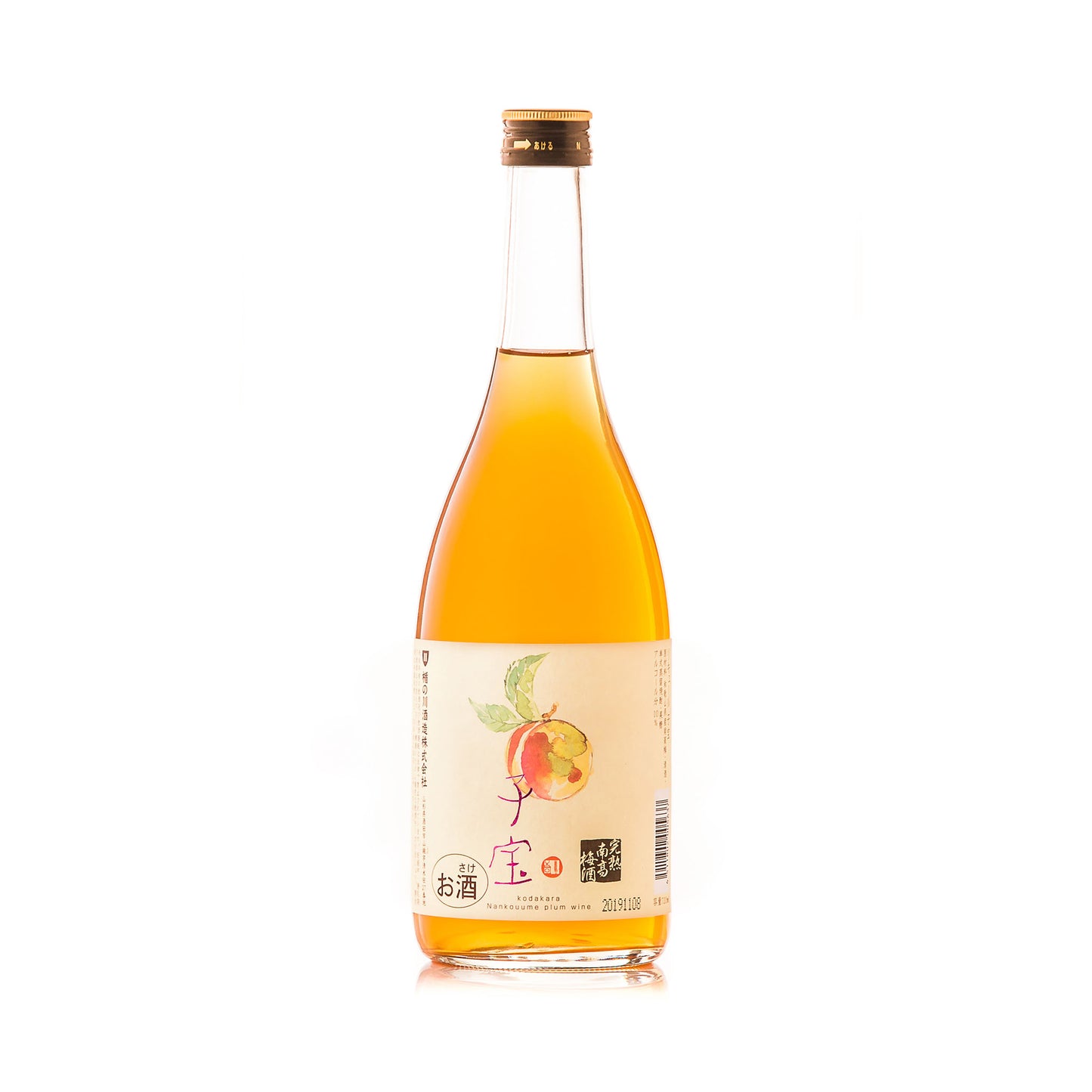

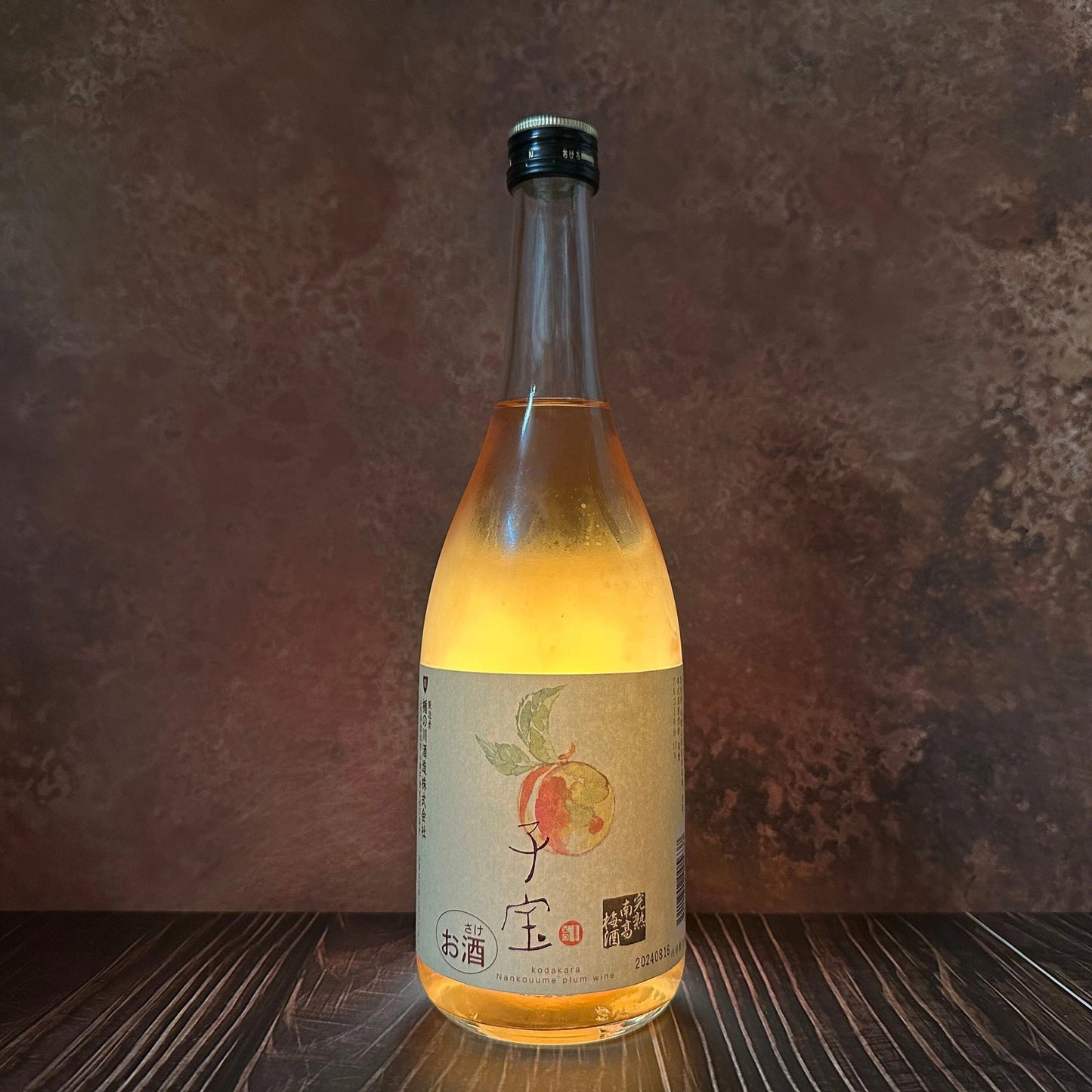

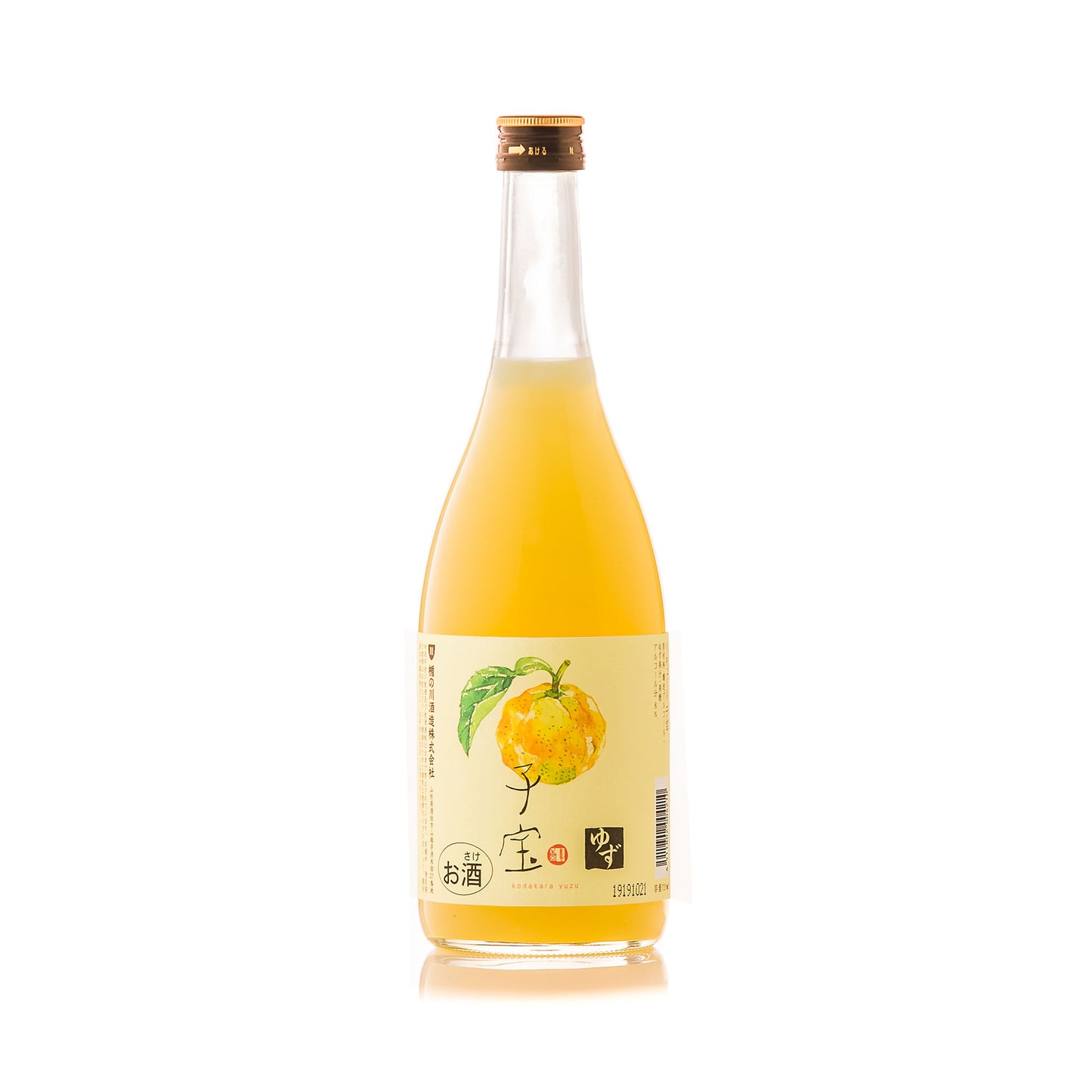

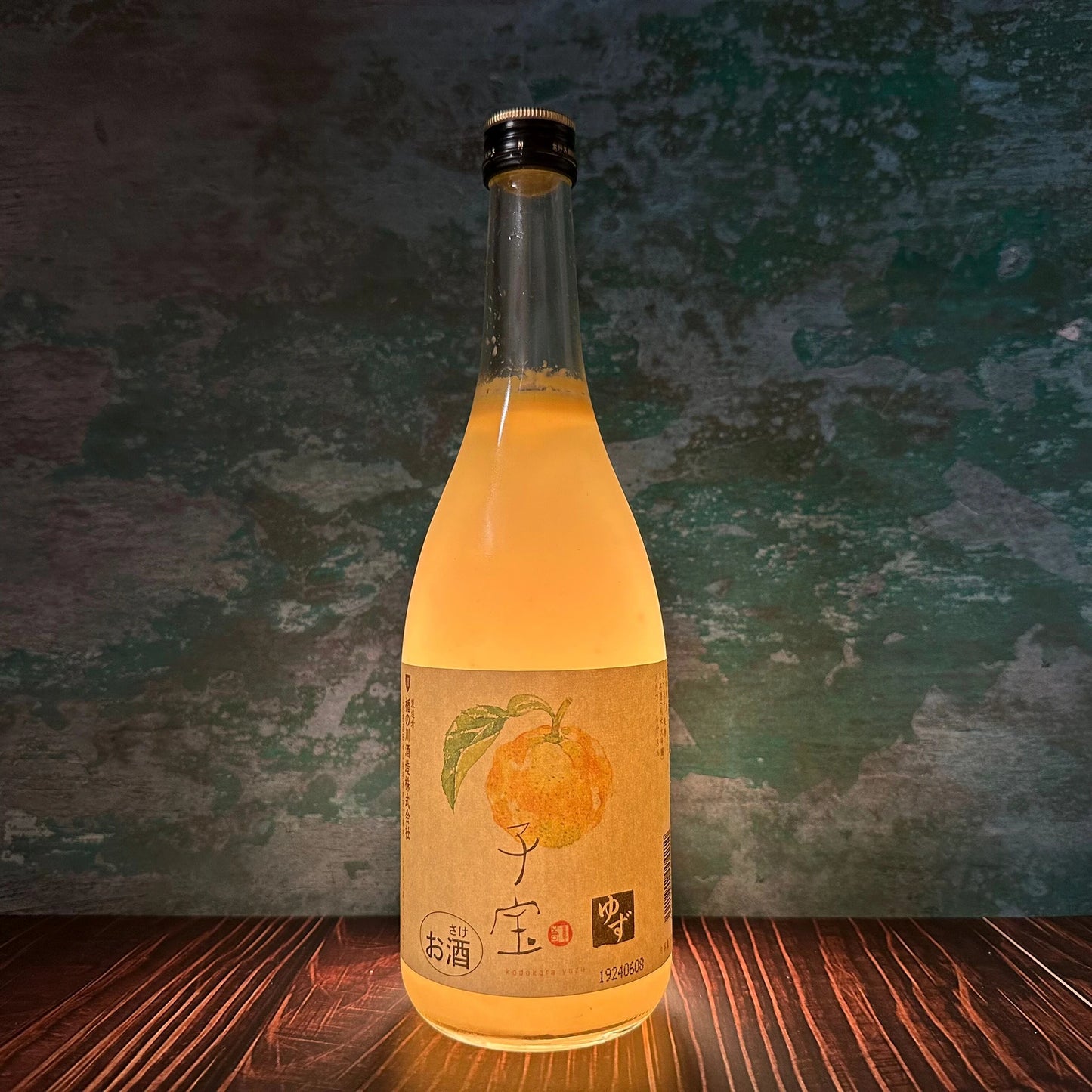






Discover umeshu: Sweet, tart and deeply fruity
Umeshu is a Japanese plum liqueur traditionally made by steeping ume fruit with sugar in alcohol. Although you'll sometimes see it called Japanese plum wine or plum sake in the UK, it isn't a conventional fruit wine. The ume is steeped rather than fermented to make the drink.
Our Kodakara umeshu takes a slightly different route, combining locally harvested Nanko plums from Yamagata with Junmai Daiginjo sake, shochu made from sake lees and sugar. The result lands beautifully between sweet and sharp. Ripe plum brings a rich, almost jammy fruitiness, followed by enough tartness to stop the sweetness becoming heavy.
It's very easy to drink. Pour your umeshu well chilled if you want the fruit to feel crisp and clean, serve it over ice for slower sipping or add soda for a lighter spritz. Its sweet-tart character also makes this Japanese plum liqueur a natural match for desserts, rich cheeses and savoury dishes with a little fat or sweetness.
If you're comparing it with traditional rice sake, browse our Japanese sake collection for junmai, ginjo, daiginjo, nigori and other styles.
Try Japanese liqueurs made with yuzu, ginger and other fruits
Umeshu may be the best-known bottle here, but this collection stretches into some wonderfully expressive Japanese liqueurs.
Yuzushu brings the unmistakable perfume of Japanese yuzu, with a sharp citrus edge that makes it especially good ice-cold or topped with soda. Kodakara Ginger goes in another direction. Made with ginger from Kochi Prefecture, Junmai Daiginjo sake and shochu, this ginger liqueur starts with punchy ginger heat before a gentle sweetness rounds it out.
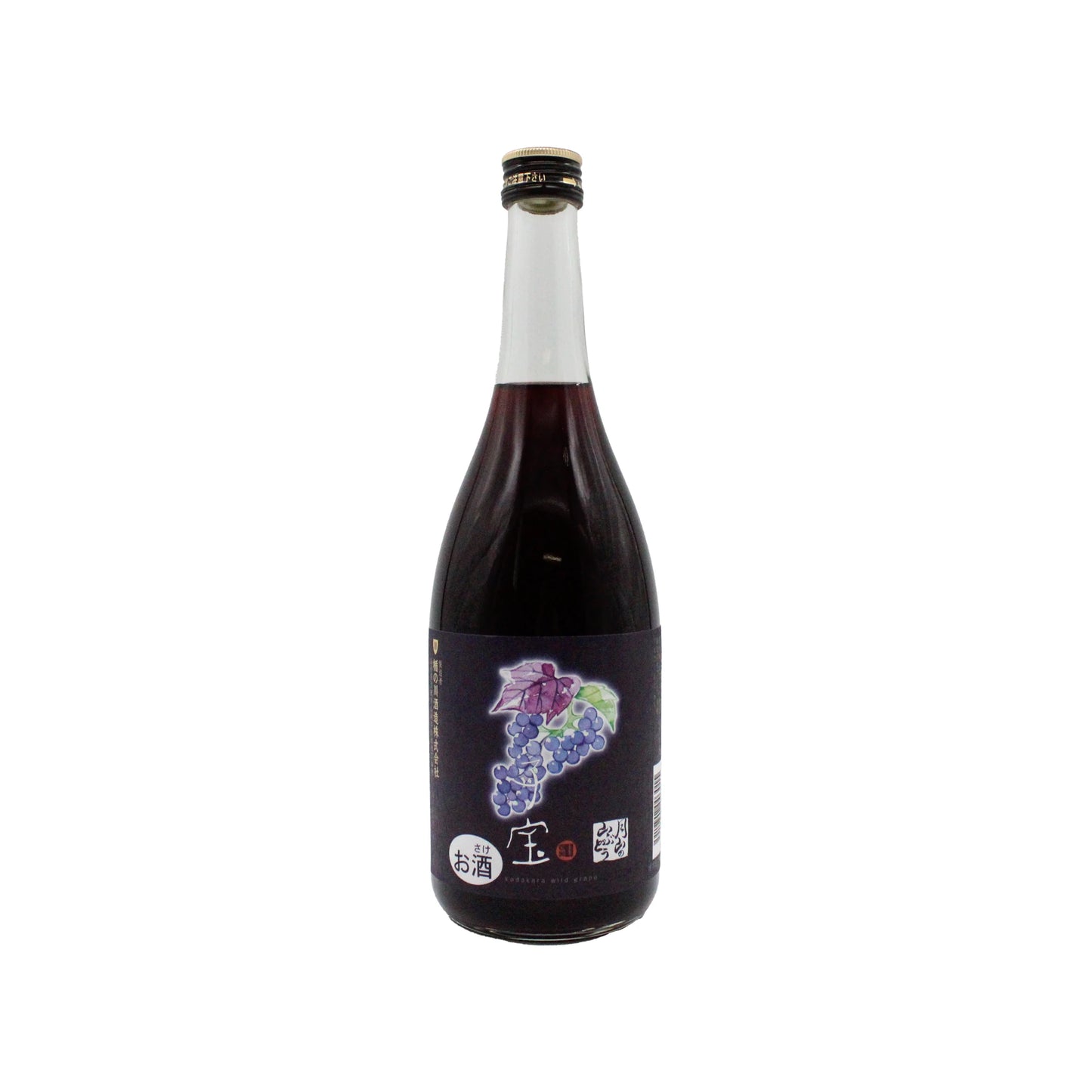
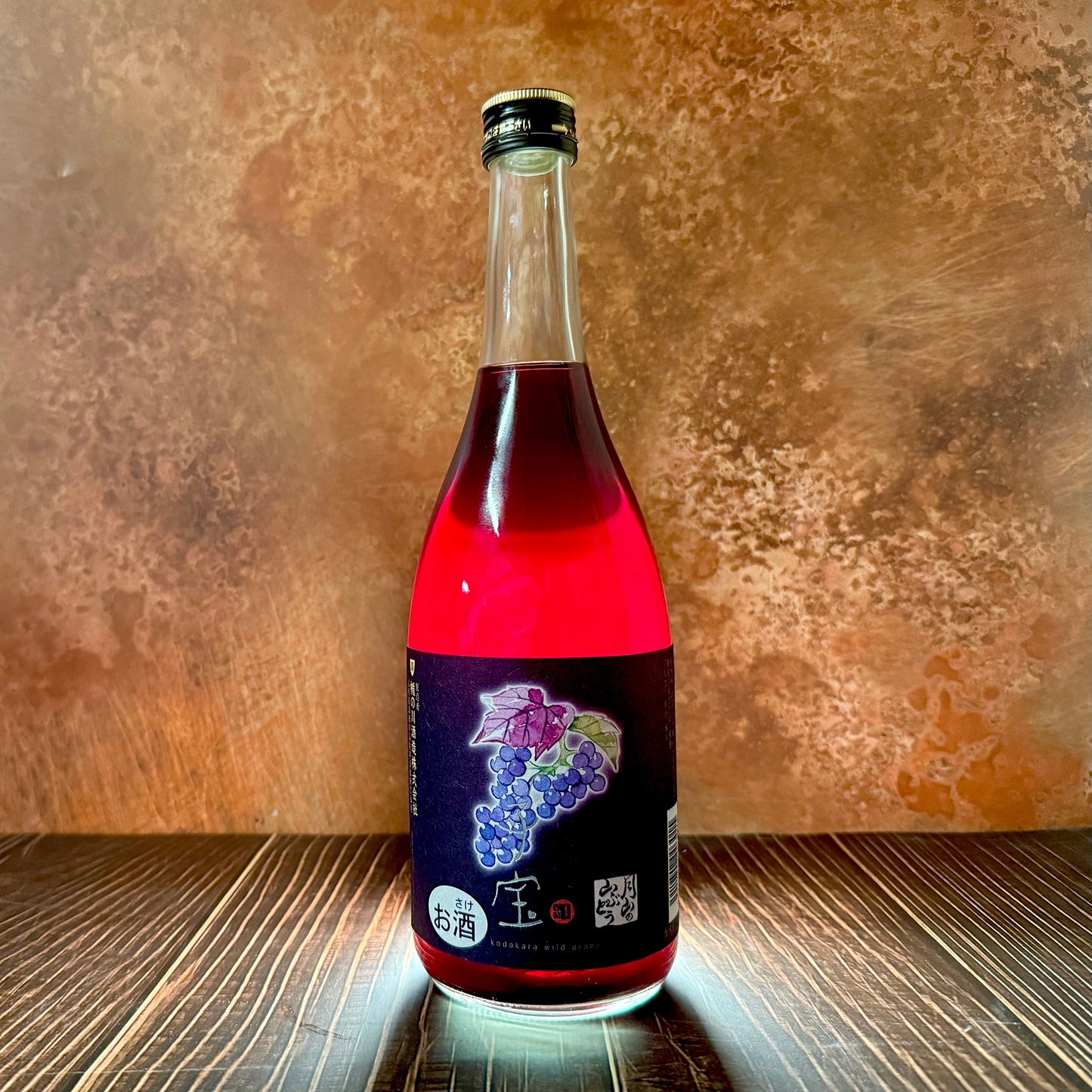
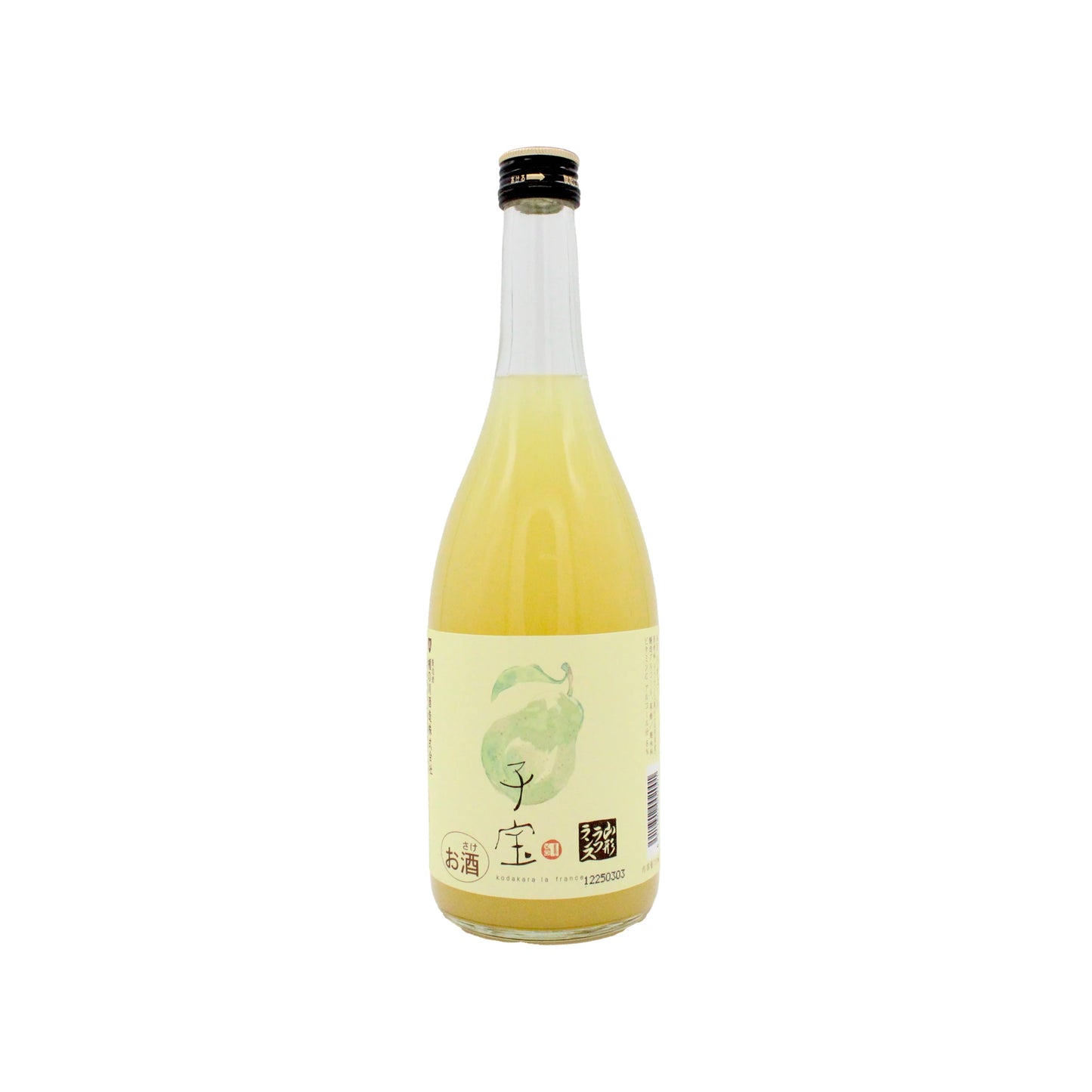
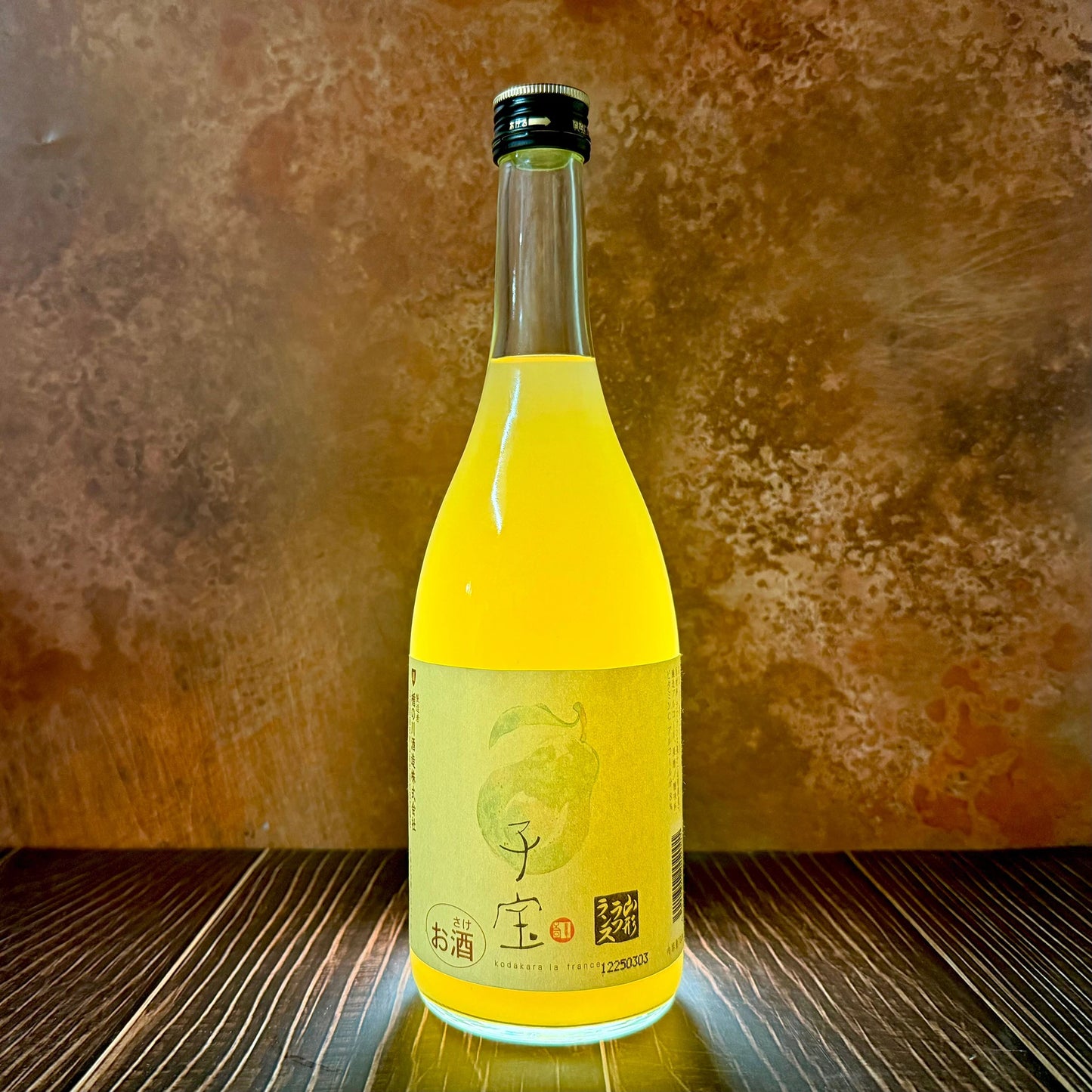
Then there are the fruit-led releases from Yamagata. Yamabudo, or Japanese wild mountain grape, gives the wild grape liqueur a darker, fragrant fruit character, balancing natural tartness with sweetness. White peach and cherry is softer and more aromatic, with juicy peach followed by a delicate cherry tang. La France pear adds another orchard-fruit style to the range.
These are bottles made for experimenting. Try them neat and chilled first, then over ice or with soda to see how the aroma and sweetness change. If you'd like to explore shochu, awamori and other bottles alongside them, head to our Japanese spirits collection.


Award Winning


Sustainable


Growers


Free Delivery
You might also like...


Get inspired with some recipes


Creamy Hojicha Ice Cream (Japanese Roasted Green Tea) Recipe
This creamy, custard-based ice cream recipe by Yuto from Sudachi is flavoured with the toasty depth of roasted Japanese hojicha...


Mirin Glazed Salmon Recipe
This must be the fastest way there is to create a culinary sensation. You do scarcely a thing — just...


Homemade Teriyaki Sauce Recipe
Traditionally used in Japan to glaze and flavour fish, teriyaki sauce is wonderfully versatile. Try this classic four-ingredient base recipe,...

Creamy Hojicha Ice Cream (Japanese Roasted Green Tea) Recipe
This creamy, custard-based ice cream recipe by Yuto from Sudachi is flavoured with the toasty depth of roasted Japanese hojicha tea.

Mirin Glazed Salmon Recipe
This must be the fastest way there is to create a culinary sensation. You do scarcely a thing — just dibble some salmon steaks in a dark glossy potion, most of which you get out of a jar — and what you make tastes as if you had been dedicating half your life to achieving the perfect combination of sweet, savoury, tender and crisp.

Homemade Teriyaki Sauce Recipe
Traditionally used in Japan to glaze and flavour fish, teriyaki sauce is wonderfully versatile. Try this classic four-ingredient base recipe, ready for you to put your own spin on.