



Ramen Bowls














All about ramen bowls
Even though ramen bowls are considered a staple of Japanese culture, they actually have their roots in Chinese cuisine. Ramen came to Japan from China in around 1859, when the dish was presented to the Japanese emperor – and it quickly became extremely popular!
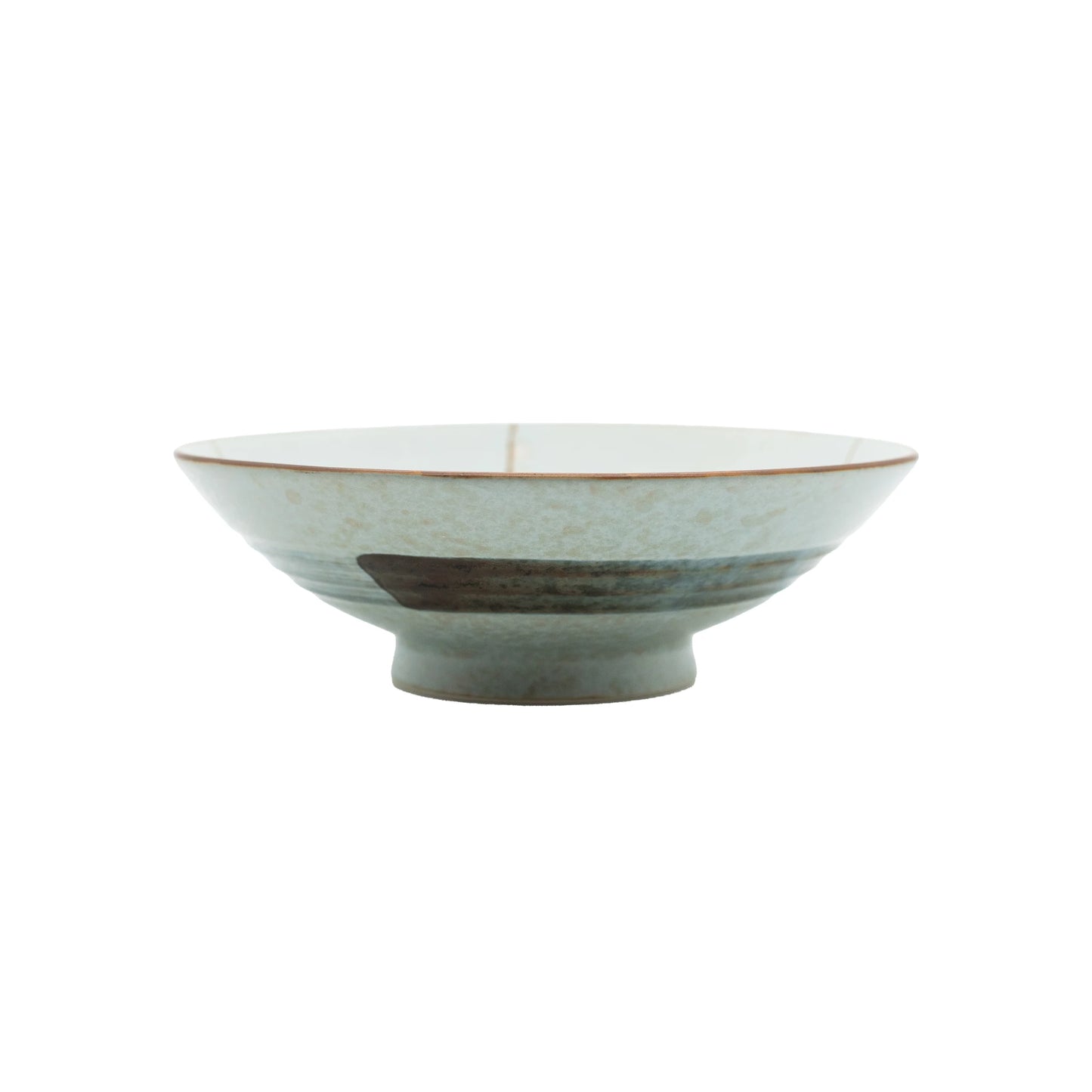
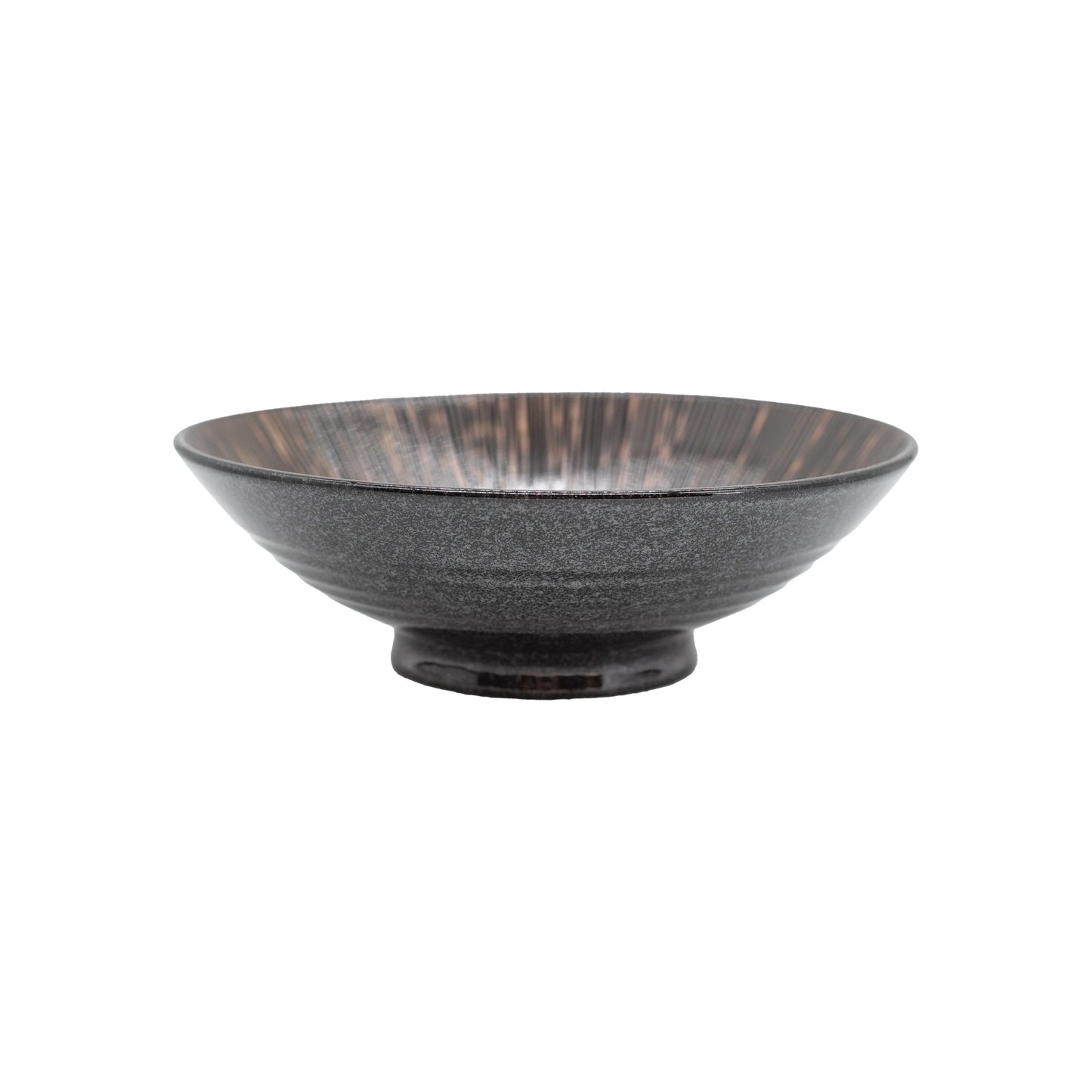
Along with the dish came the deep Chinese-style ramen bowls – traditionally made of porcelain, and deep enough to hold various noodle dishes. Today, ramen bowls are typically around 20cm wide to accommodate all the noodles and toppings that make up traditional ramen dishes, with a flared rim to make them easy to eat from.
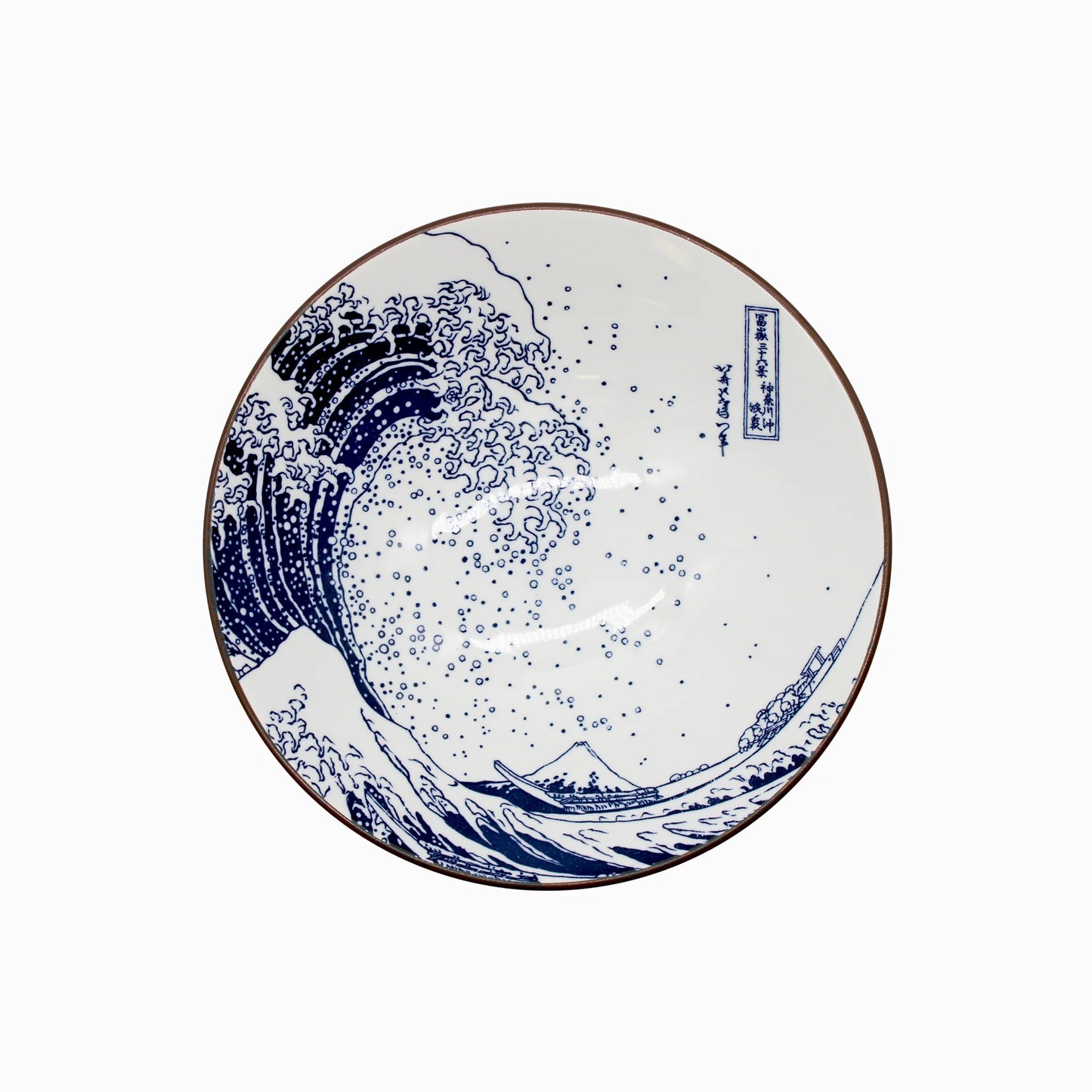
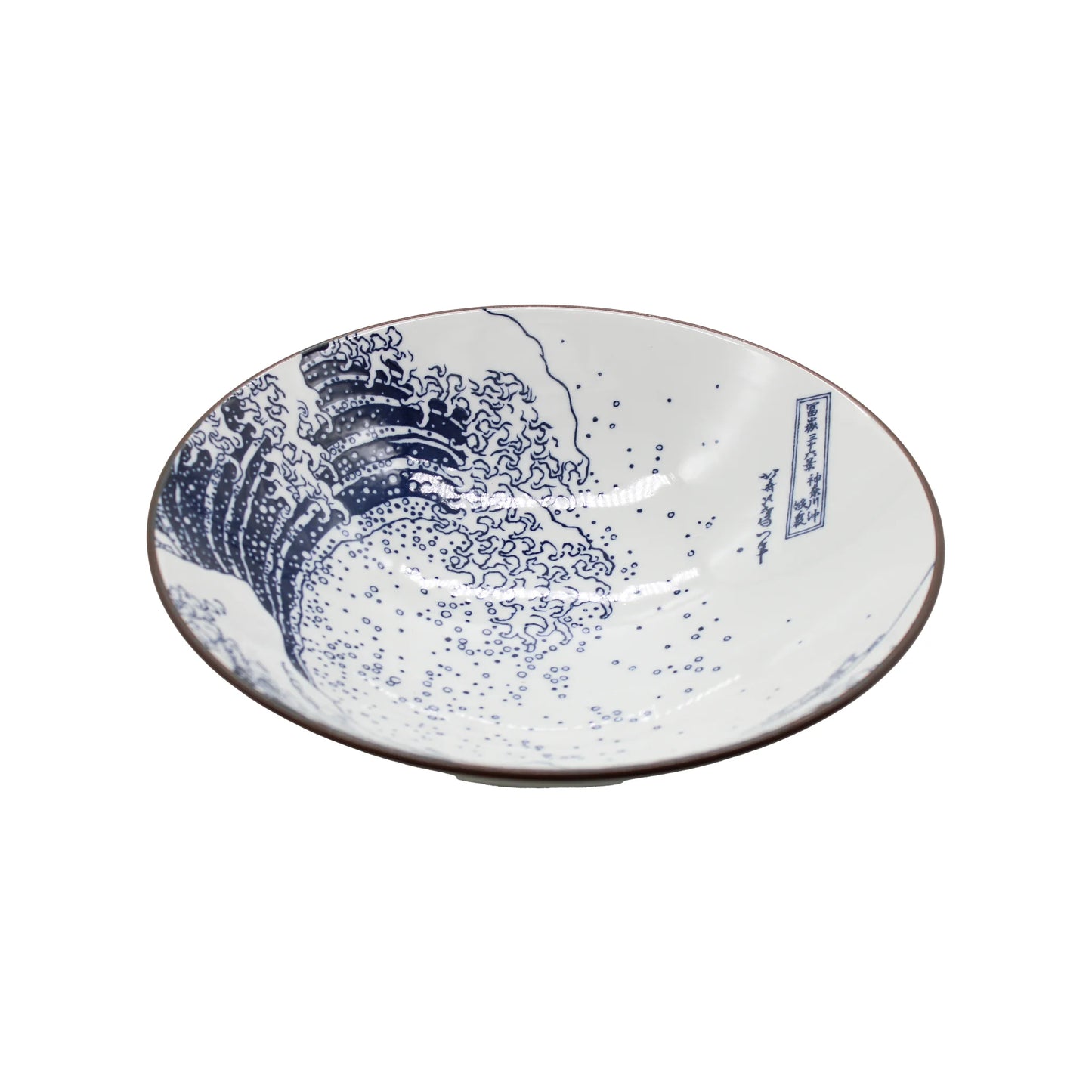
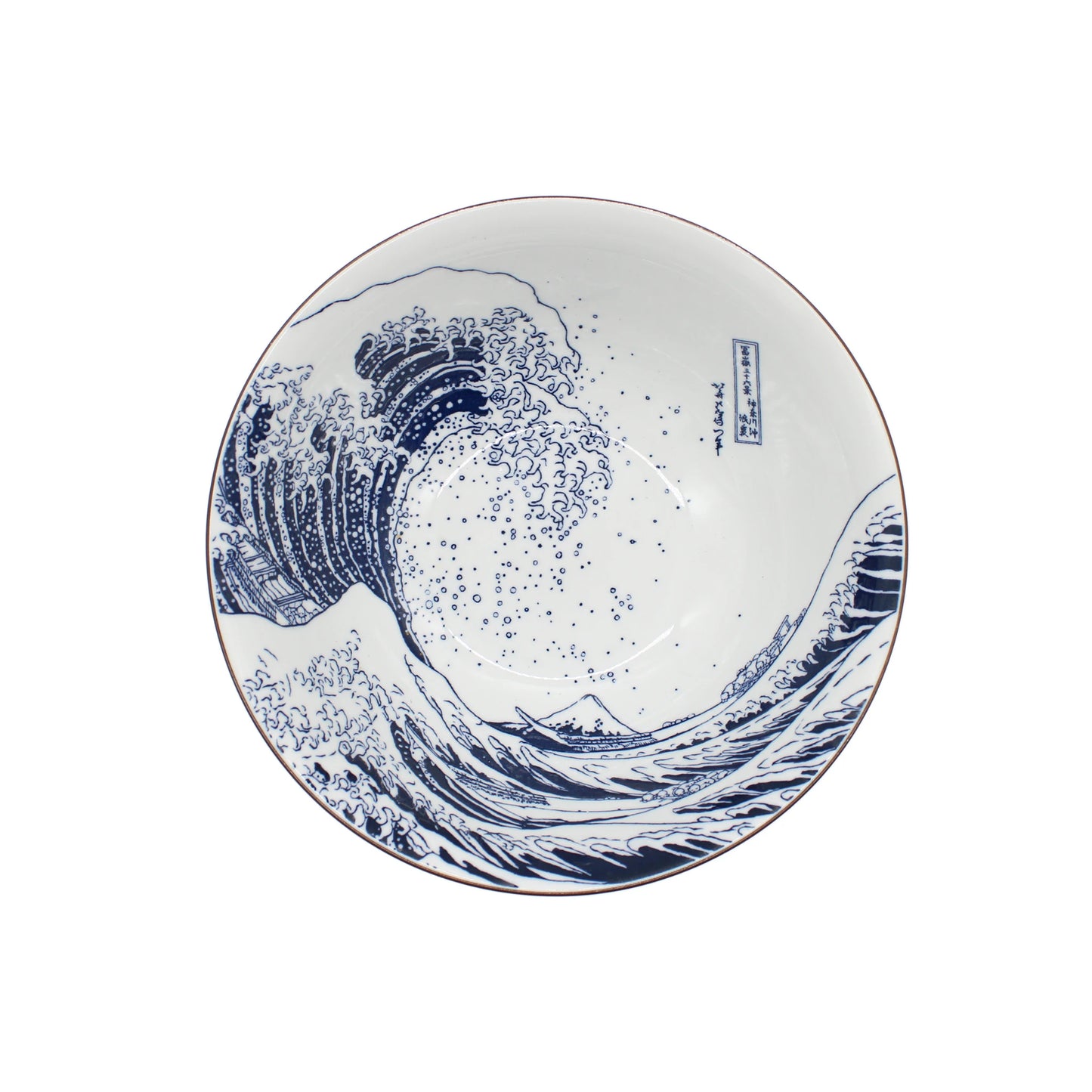
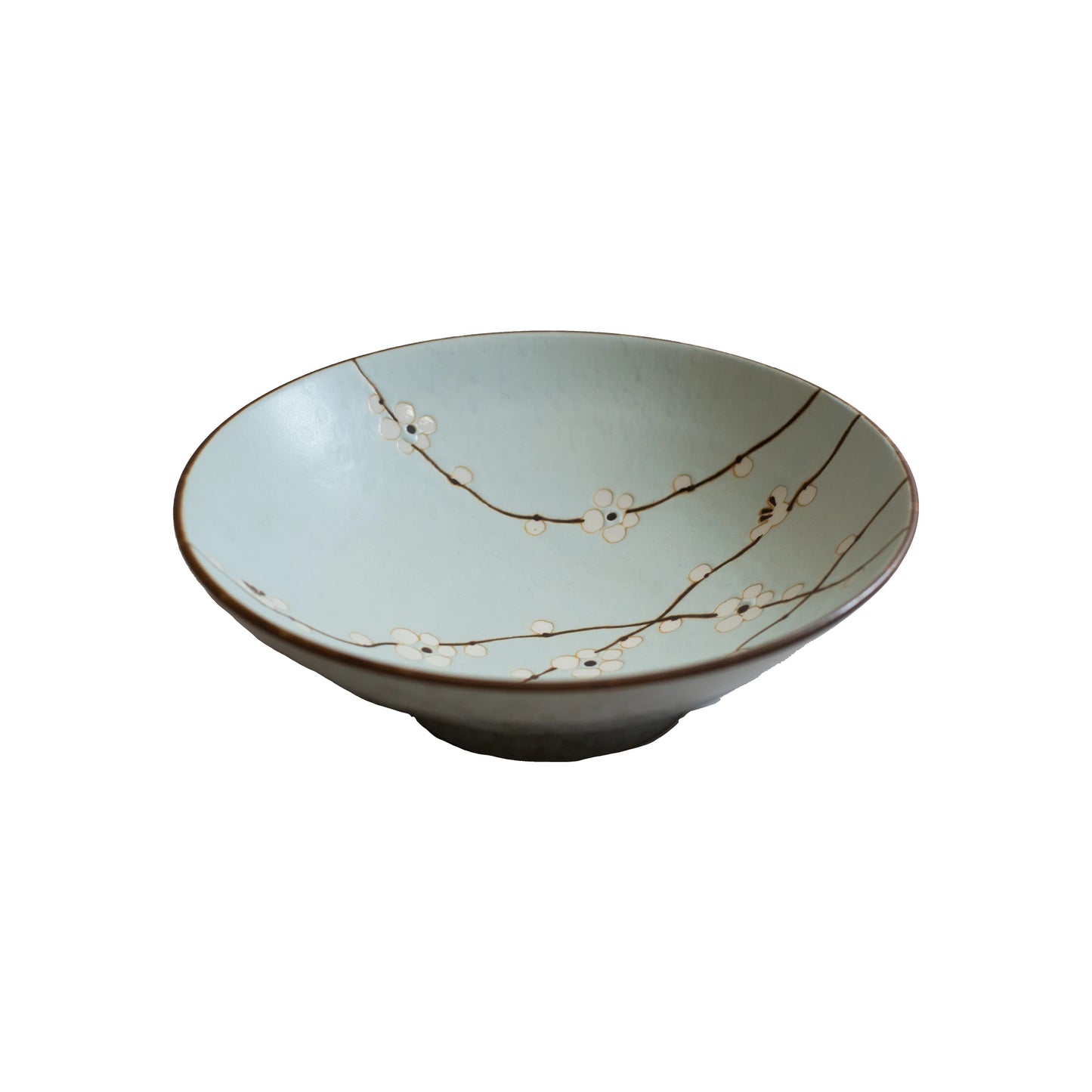
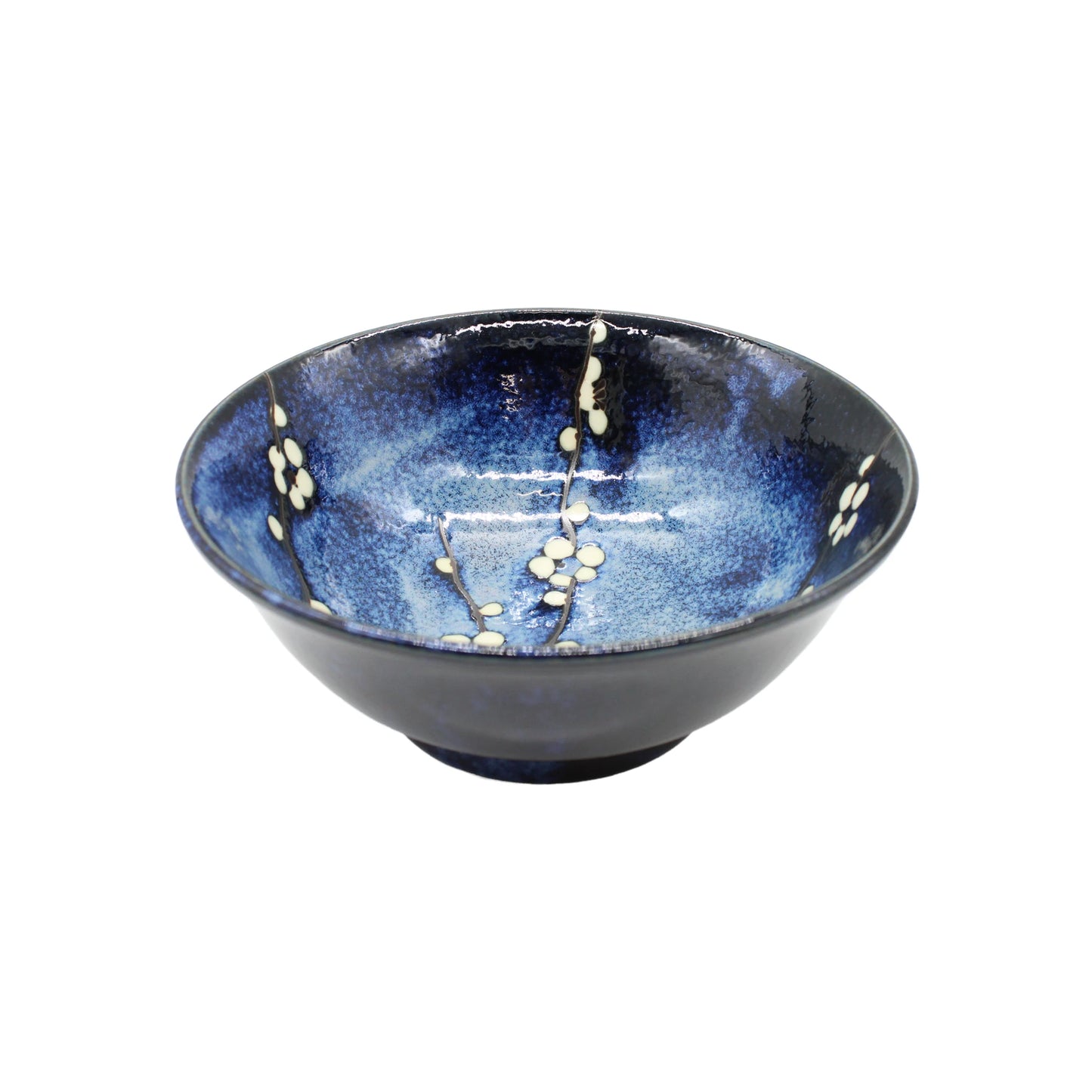
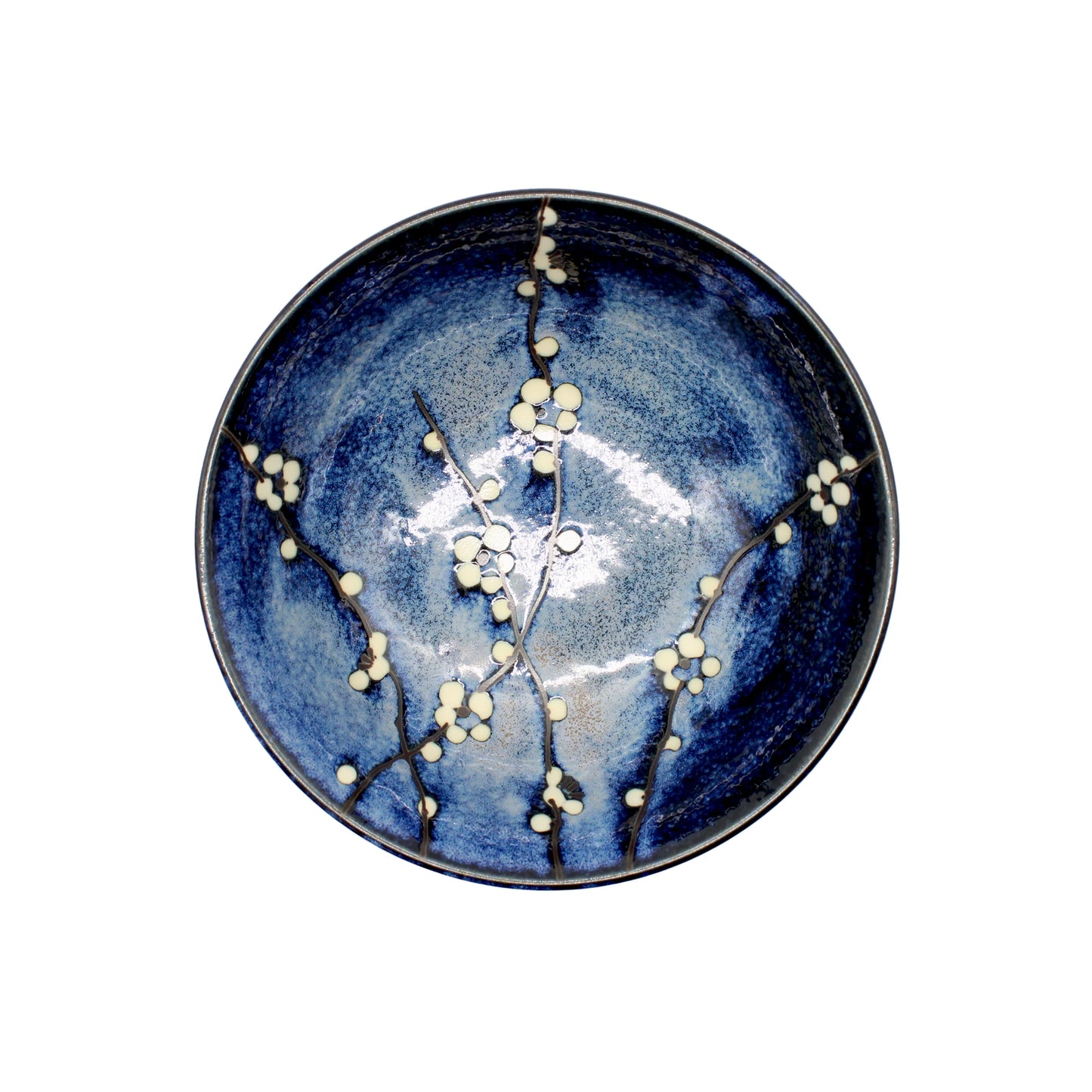
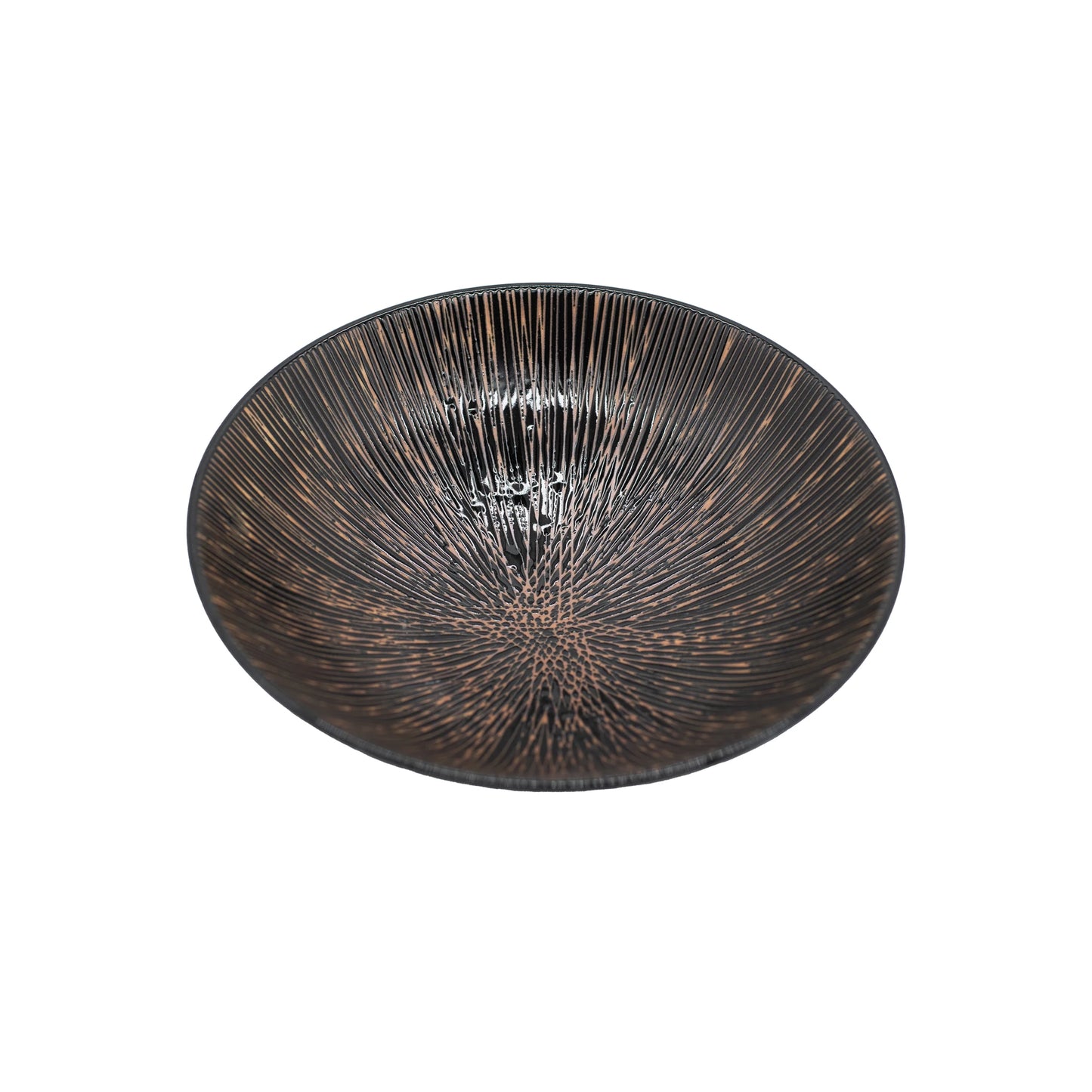
Here at The Wasabi Company, our ramen bowls feature many stunning traditional designs as well as contemporary styles, allowing you to find one that fits your exact preferences – or something that stands out from the rest of your collection as a statement piece. From traditional wave and cherry blossom motifs to modern Japanese craftsmanship, our range of ramen bowl sets are as beautiful on any table as they are practical in the kitchen, with many of them being both dishwasher and microwave-safe for your convenience.
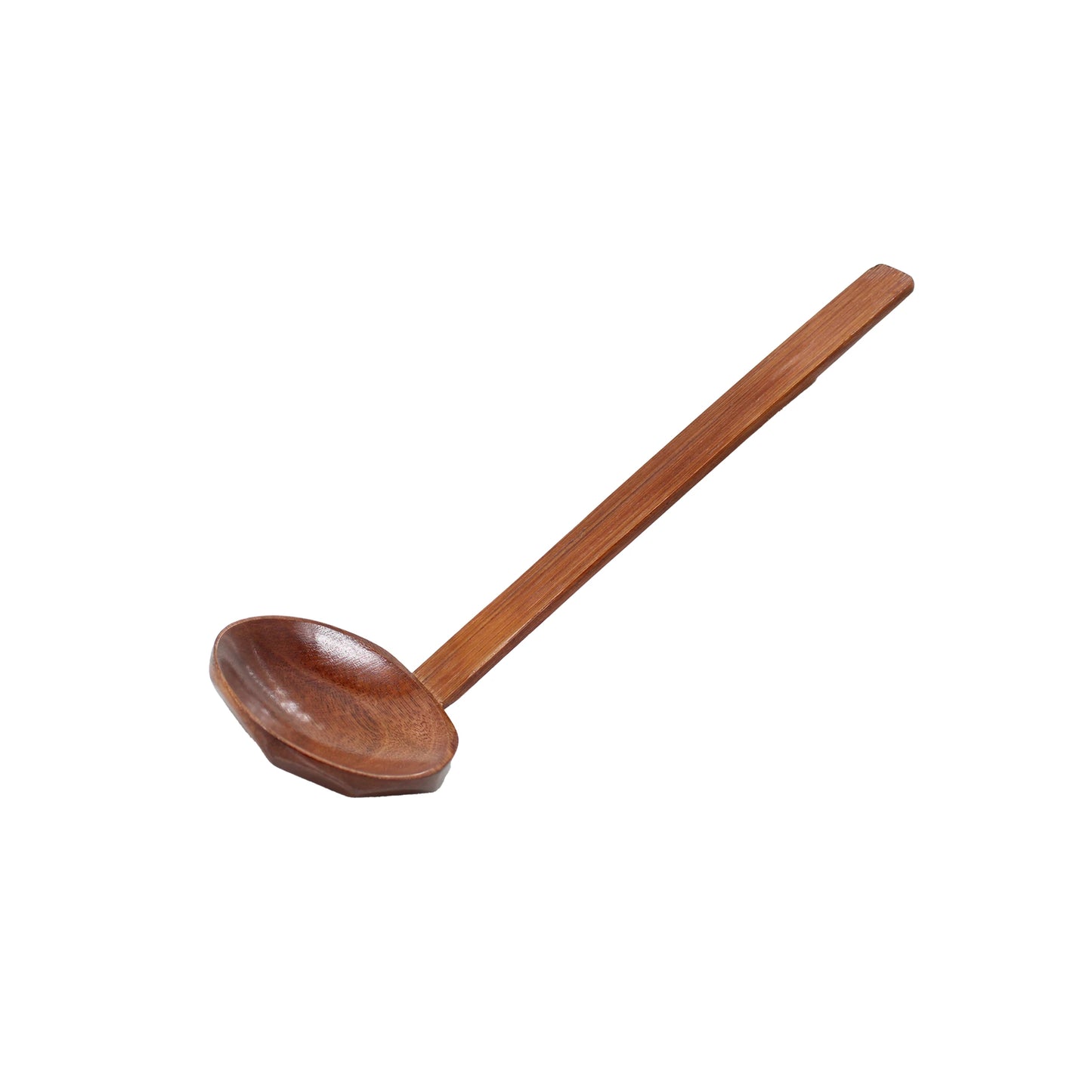
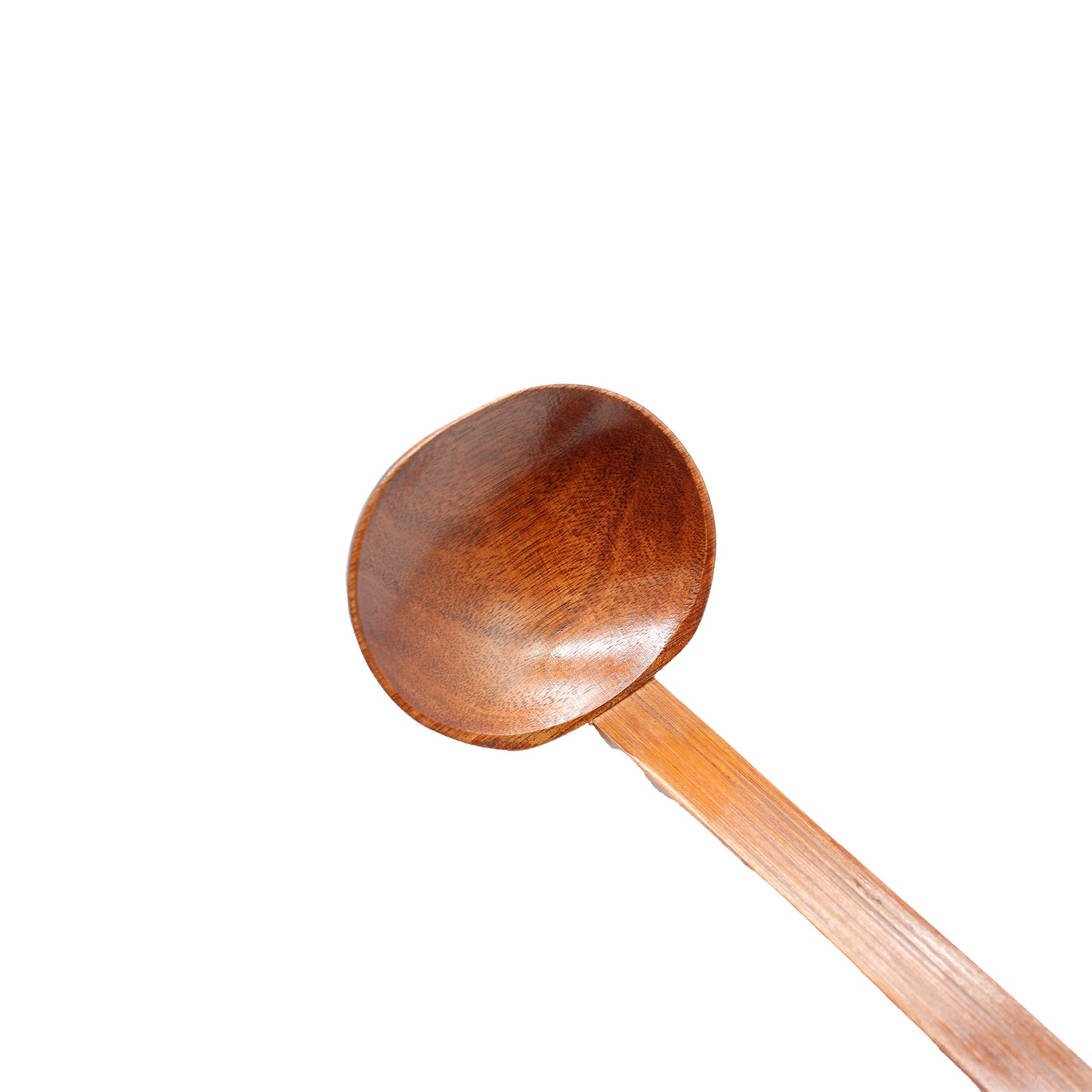
As well as our range of standalone ramen bowls, we also have ramen bowl sets complete with ramen spoons, ladles and ingredients, so you’ll have everything you need to complete your Japanese tableware collection and create traditional ramen dishes at home. These sets make the perfect starter kit for beginners, or a fantastic gift for one of your foodie friends.
How to choose the right ramen bowl
The best ramen bowls are designed to balance broth, noodles and toppings comfortably without overcrowding. Shape, depth, weight and material all influence how the meal feels to eat.
Larger ramen bowls, typically around 1200ml to 1400ml, work well for rich tonkotsu ramen, miso ramen and heavily topped dishes where you need space for broth, noodles, eggs, sliced meat and vegetables. Deep bowls also help retain heat longer, keeping the broth warmer while you eat.
Smaller Japanese noodle bowls are better suited to lighter shoyu ramen, soba or everyday lunches where a more compact serving feels appropriate. Wide bowls make noodles easier to lift and cool slightly faster, whilst taller bowls help preserve heat and aroma.
Many of our ceramic ramen bowls are made using traditional Minoyaki techniques from Gifu Prefecture, an area long associated with Japanese pottery and tableware. The firing process gives each bowl subtle variations in glaze and texture, from matte charcoal finishes to speckled stoneware and glossy deep blues.
Explore our extensive selection of handfinished, kiln-fired bowls and sets today, each with its own distinctive texture and detailing, and build your own complete authentic Japanese table setting.


Award Winning


Sustainable


Growers


Free Delivery
Get inspired with some recipes


Quick Stir Fried Soba Noodles With Vegetables Recipe
Make your own delicious and quick stir fried soba noodles and add all your favourite toppings!


Creamy Vegetarian Miso Ramen with Soy & Dashi Recipe
Enjoy this quick to make, creamy vegetarian miso ramen with soy and dashi broth.


Shoyu Chashu Chicken Ramen Recipe by Yuki Gomi
An ideal ramen recipe to start with, it will not take hours to cook, but it’s a tasty Tokyo-style ramen...


Creamy Hojicha Ice Cream (Japanese Roasted Green Tea) Recipe
This creamy, custard-based ice cream recipe by Yuto from Sudachi is flavoured with the toasty depth of roasted Japanese hojicha tea.


Mirin Glazed Salmon Recipe
This must be the fastest way there is to create a culinary sensation. You do scarcely a thing — just dibble some salmon steaks in a dark glossy potion, most of which you get out of a jar — and what you make tastes as if you had been dedicating half your life to achieving the perfect combination of sweet, savoury, tender and crisp.


Homemade Teriyaki Sauce Recipe
Traditionally used in Japan to glaze and flavour fish, teriyaki sauce is wonderfully versatile. Try this classic four-ingredient base recipe, ready for you to put your own spin on.