



Koji










What is Koji and what is it used for?
If you have ever enjoyed the deep, savoury flavours of miso soup and soy sauce or the umami in sake, you’ve already experienced the magic of koji mould. A cornerstone of Japanese cuisine, koji is more than just a traditional ingredient—it is a living, transformative tool that has been shaping the culinary landscape of Japan for over a thousand years.
Understanding Aspergillus Oryzae
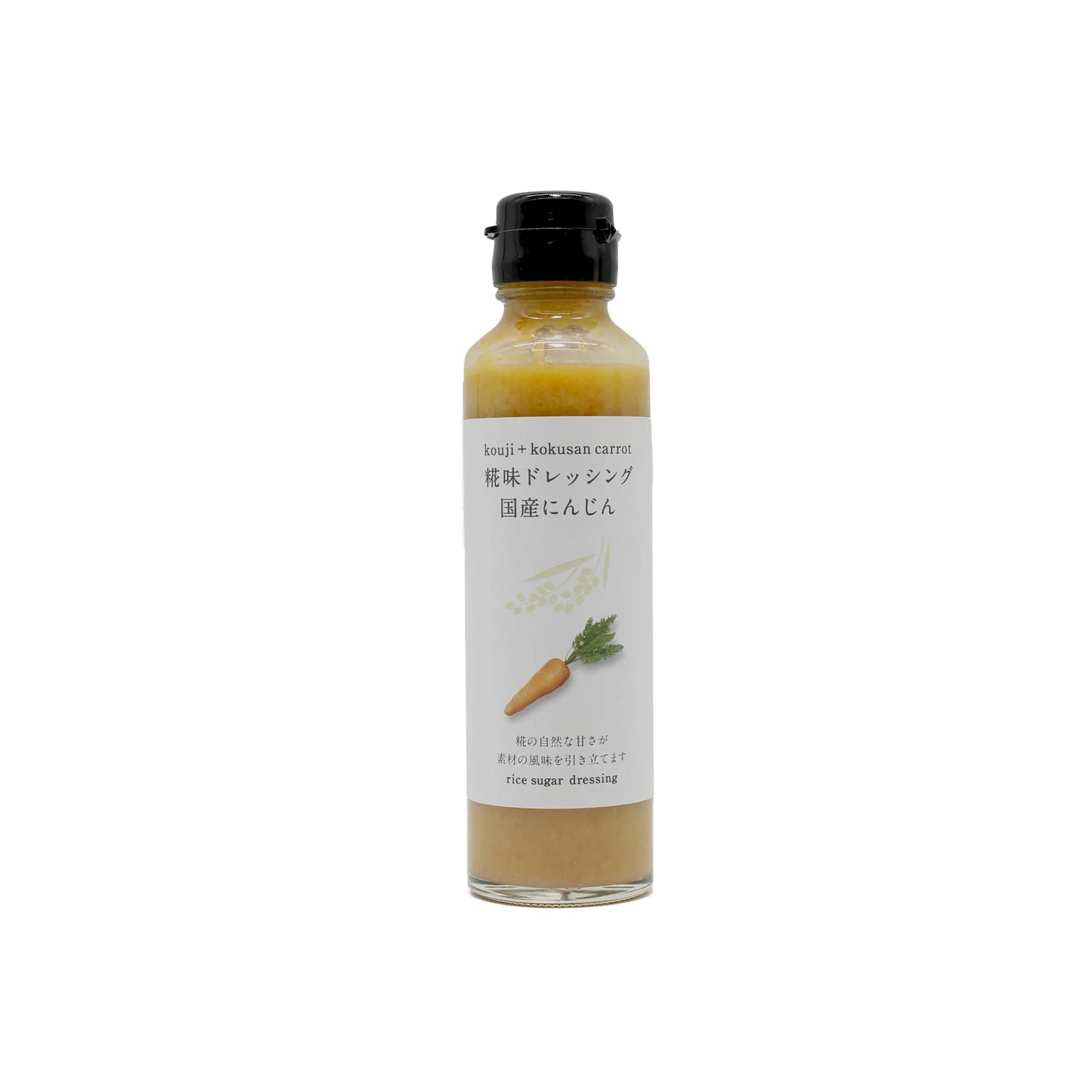
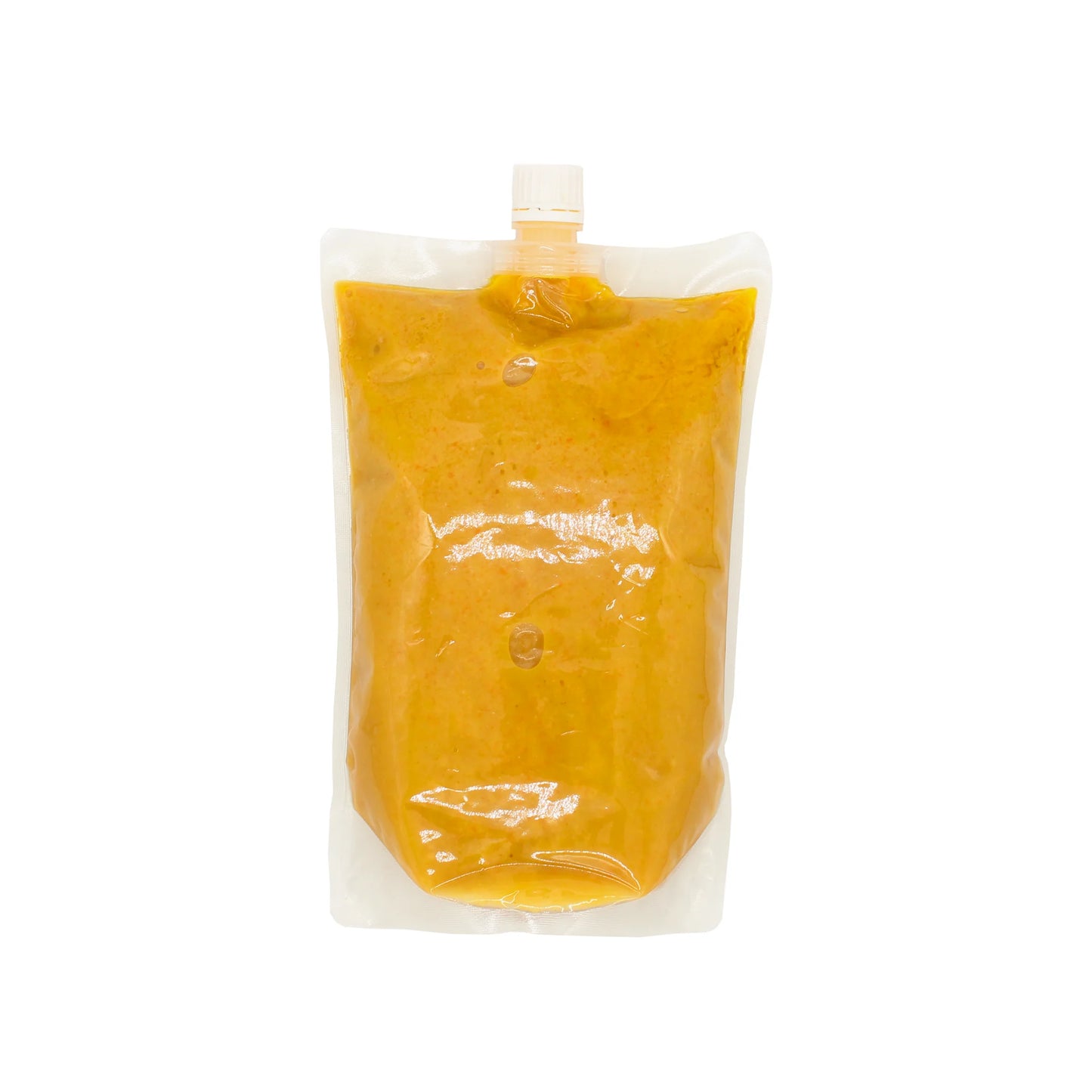
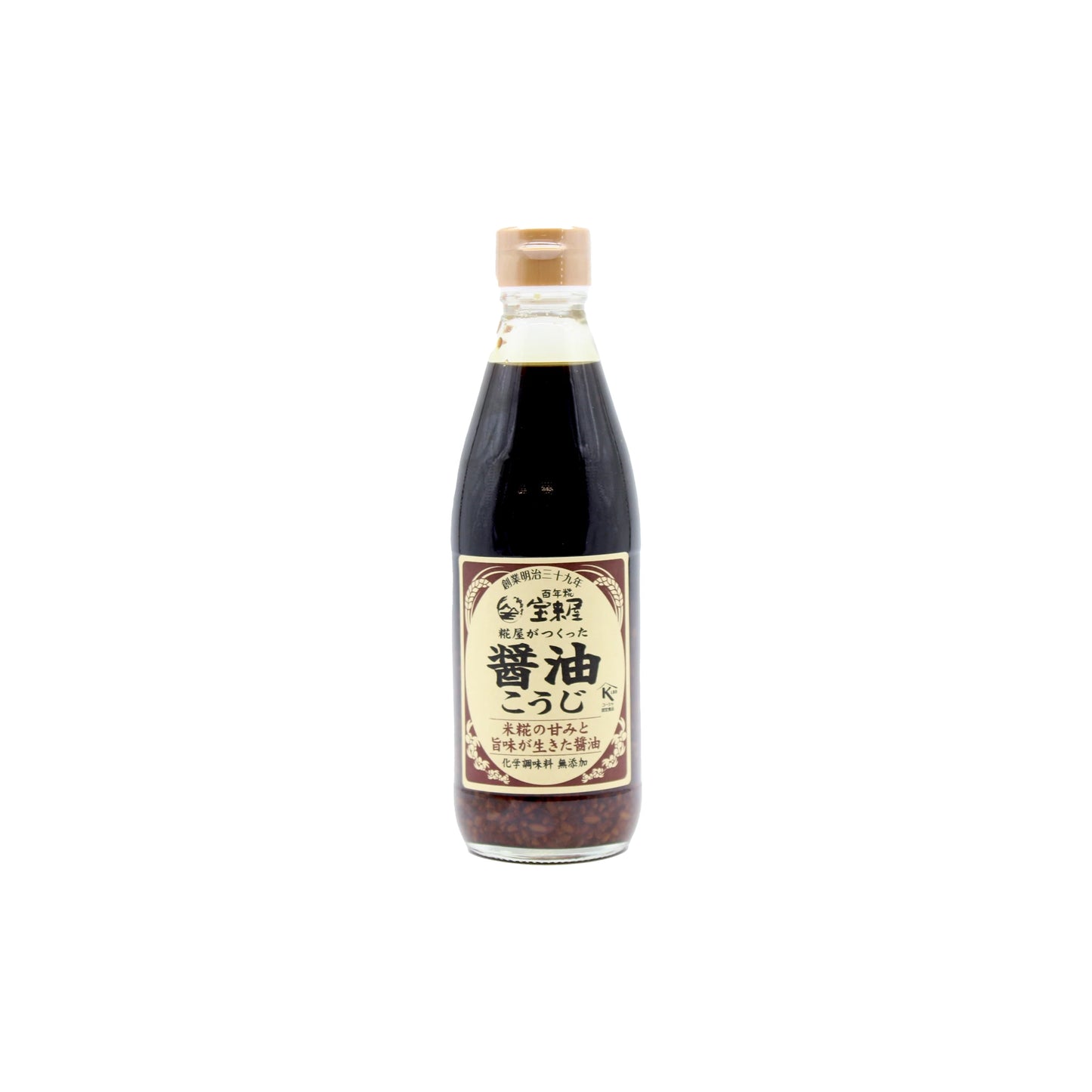
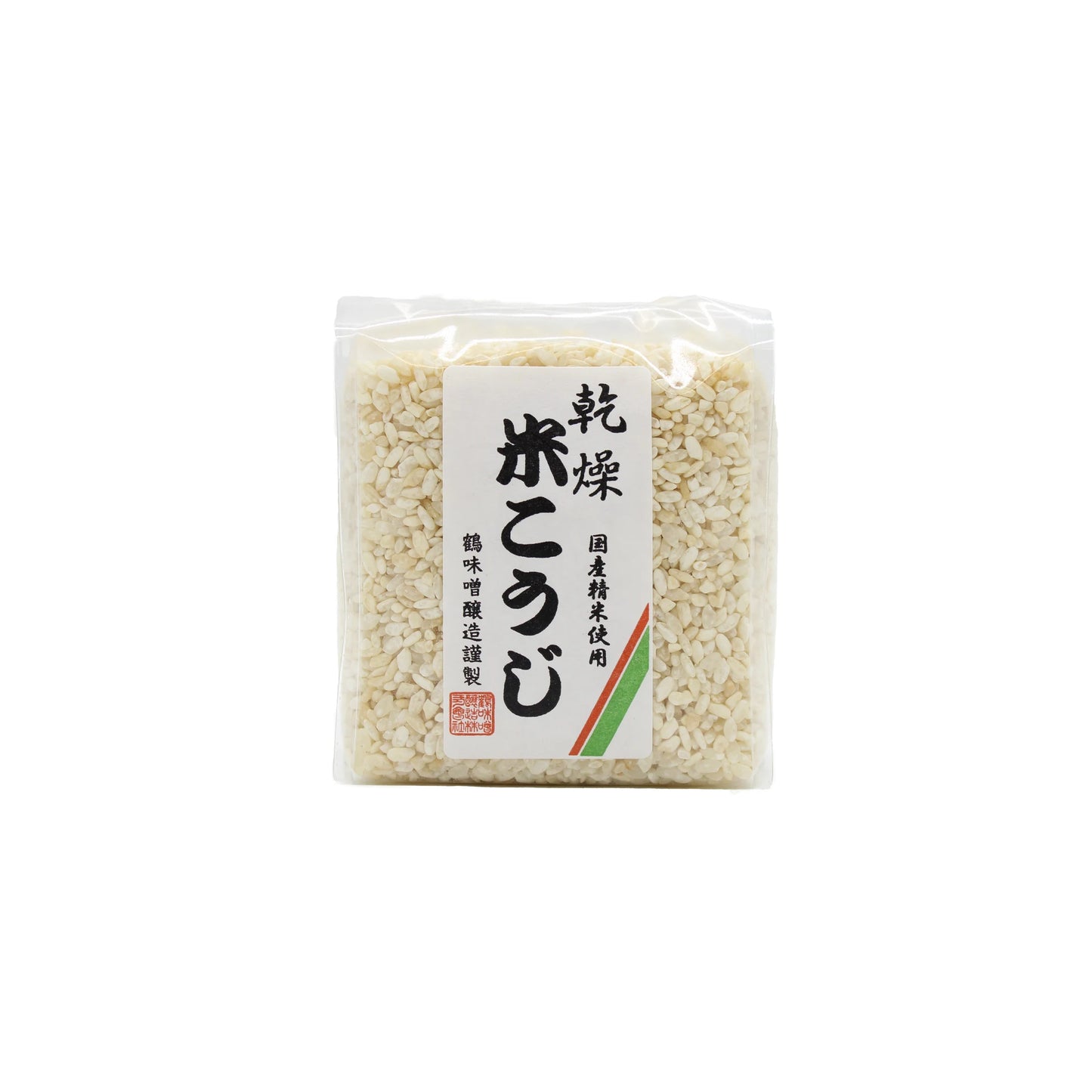
Koji refers to grains—usually rice, barley or soybeans—that have been inoculated with a specific mould called Aspergillus oryzae. Koji spores grow on the grains under controlled conditions, these spore play a crucial role by producing enzymes that break down proteins, fats and carbohydrates into simpler compounds like amino acids, fatty acids and sugars. The preparation and fermentation processes are particularly important with rice grains, they need to be flaky, dry and well-separated to ensure proper enzymatic activity. This process of enzymatic transformation brings out complex flavours and forms the foundation for many Japanese fermented foods.
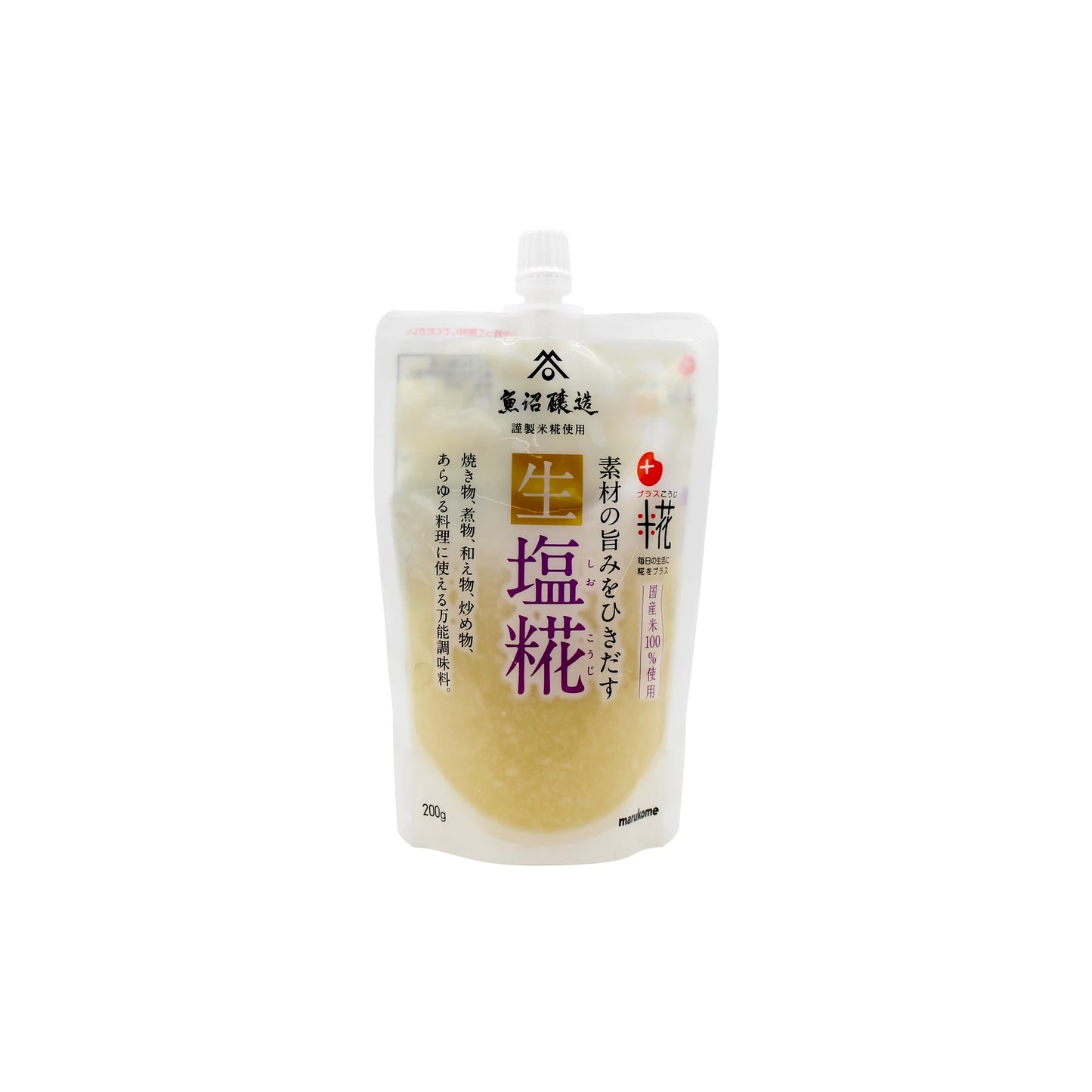
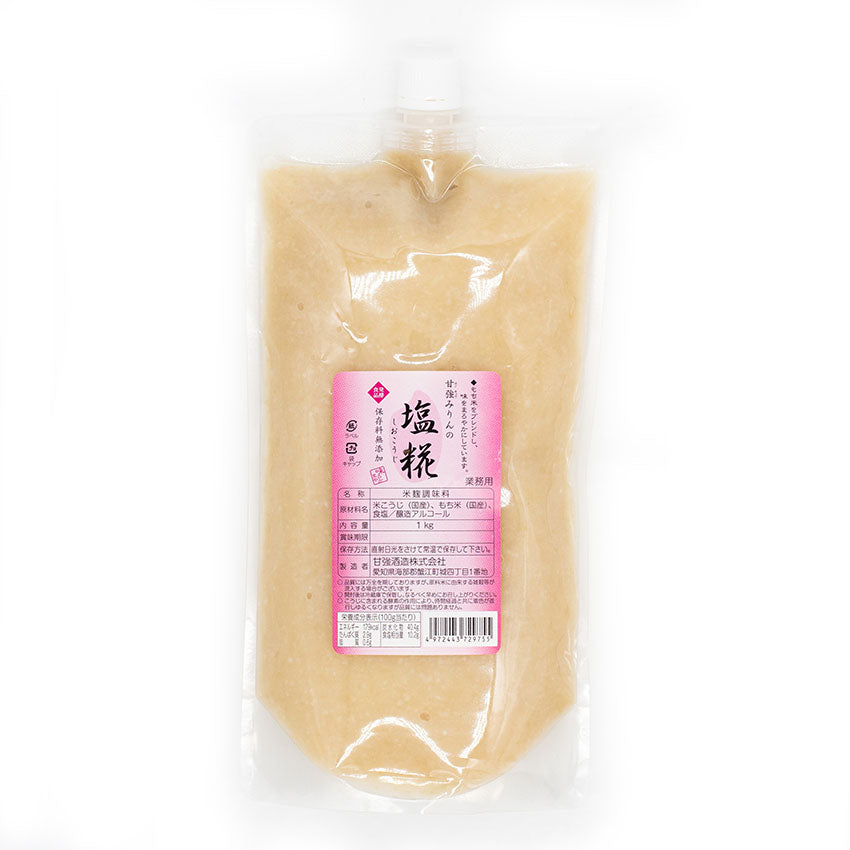
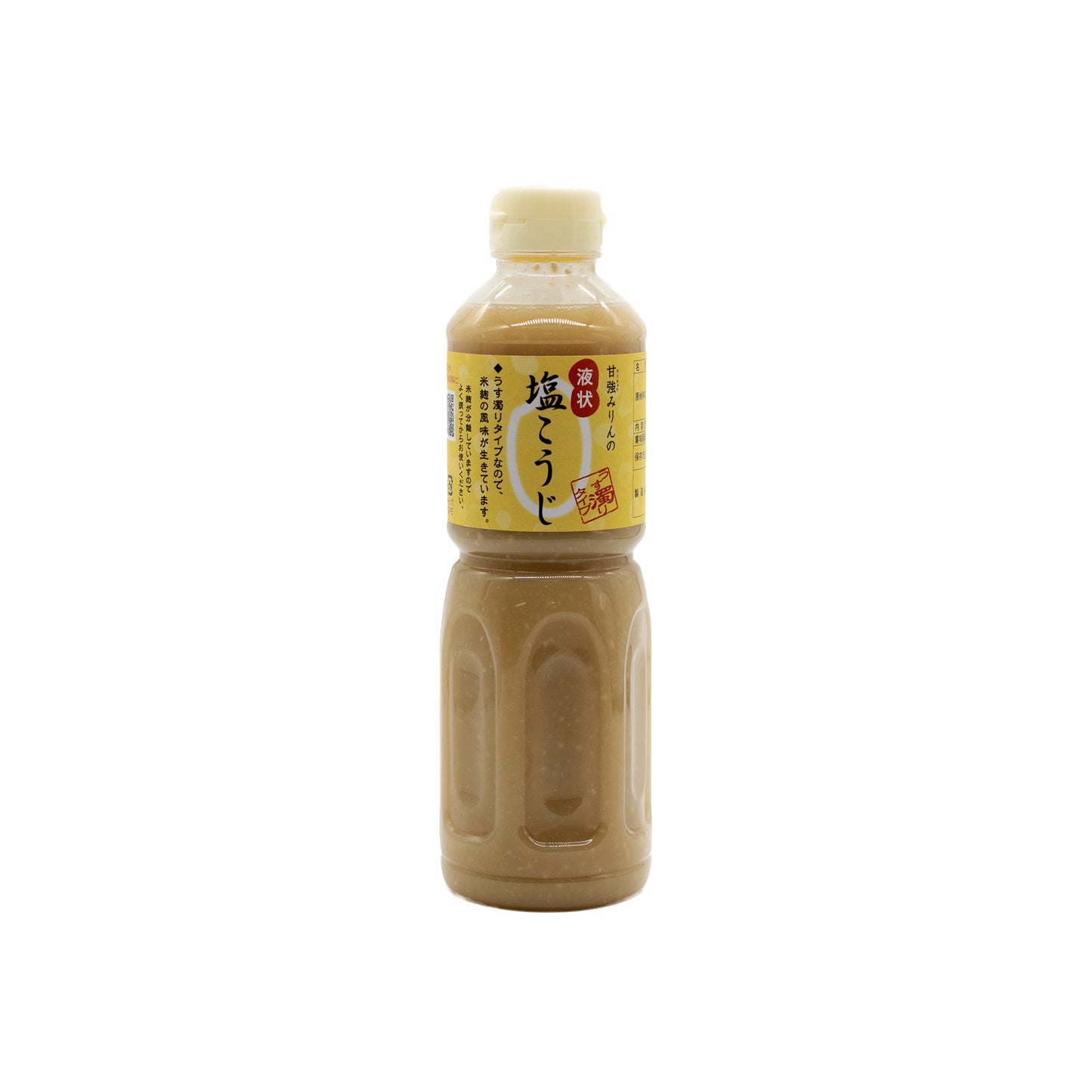
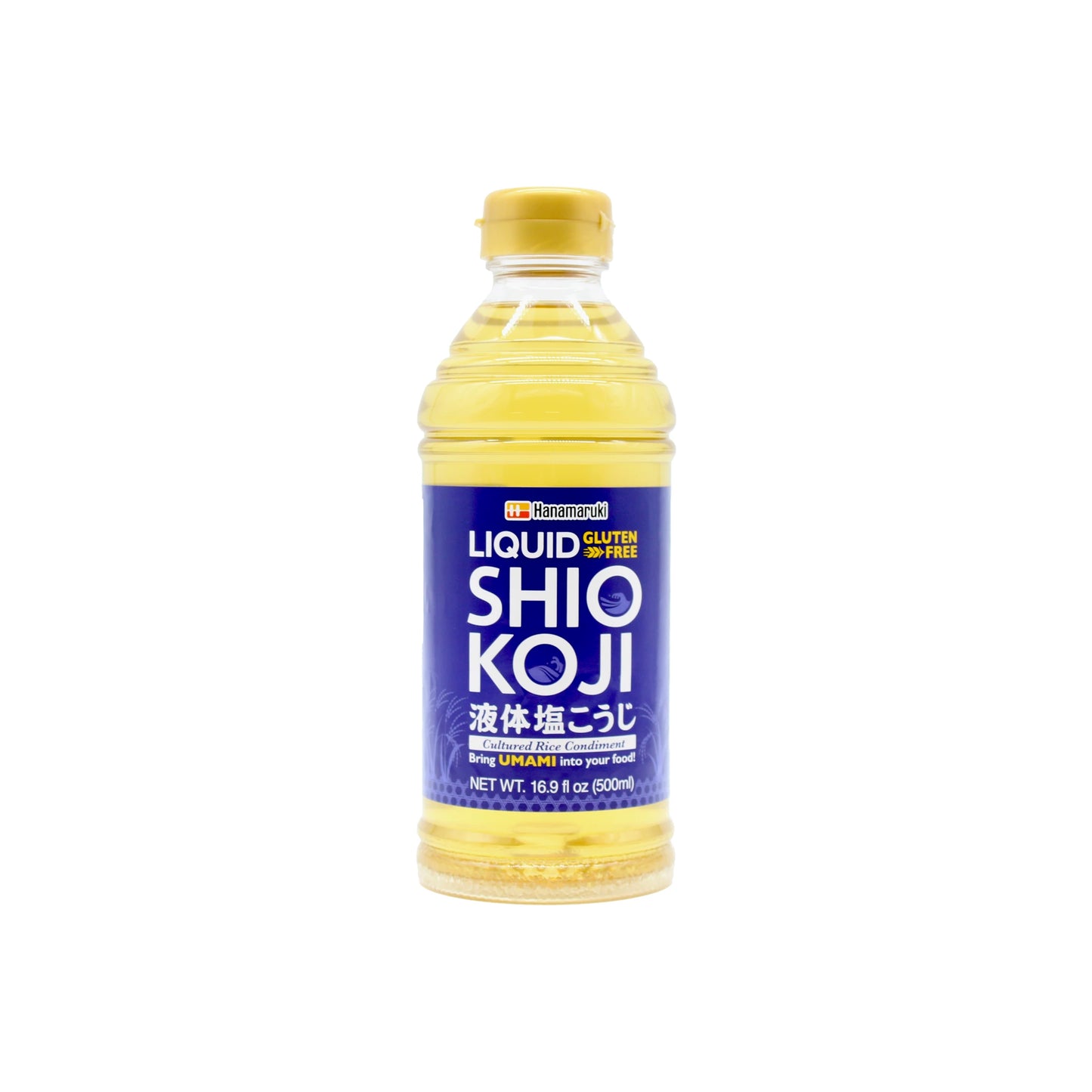
The resulting koji can be used to ferment other ingredients or serve as a seasoning, tenderiser and flavour-enhancer in products like shio koji.
You can read more about koji here.


Award Winning


Sustainable


Growers


Free Delivery
Get inspired with some recipes


Creamy Hojicha Ice Cream (Japanese Roasted Green Tea) Recipe
This creamy, custard-based ice cream recipe by Yuto from Sudachi is flavoured with the toasty depth of roasted Japanese hojicha...


Mirin Glazed Salmon Recipe
This must be the fastest way there is to create a culinary sensation. You do scarcely a thing — just...


Homemade Teriyaki Sauce Recipe
Traditionally used in Japan to glaze and flavour fish, teriyaki sauce is wonderfully versatile. Try this classic four-ingredient base recipe,...

Creamy Hojicha Ice Cream (Japanese Roasted Green Tea) Recipe
This creamy, custard-based ice cream recipe by Yuto from Sudachi is flavoured with the toasty depth of roasted Japanese hojicha tea.

Mirin Glazed Salmon Recipe
This must be the fastest way there is to create a culinary sensation. You do scarcely a thing — just dibble some salmon steaks in a dark glossy potion, most of which you get out of a jar — and what you make tastes as if you had been dedicating half your life to achieving the perfect combination of sweet, savoury, tender and crisp.

Homemade Teriyaki Sauce Recipe
Traditionally used in Japan to glaze and flavour fish, teriyaki sauce is wonderfully versatile. Try this classic four-ingredient base recipe, ready for you to put your own spin on.