



Japanese Kitchenware






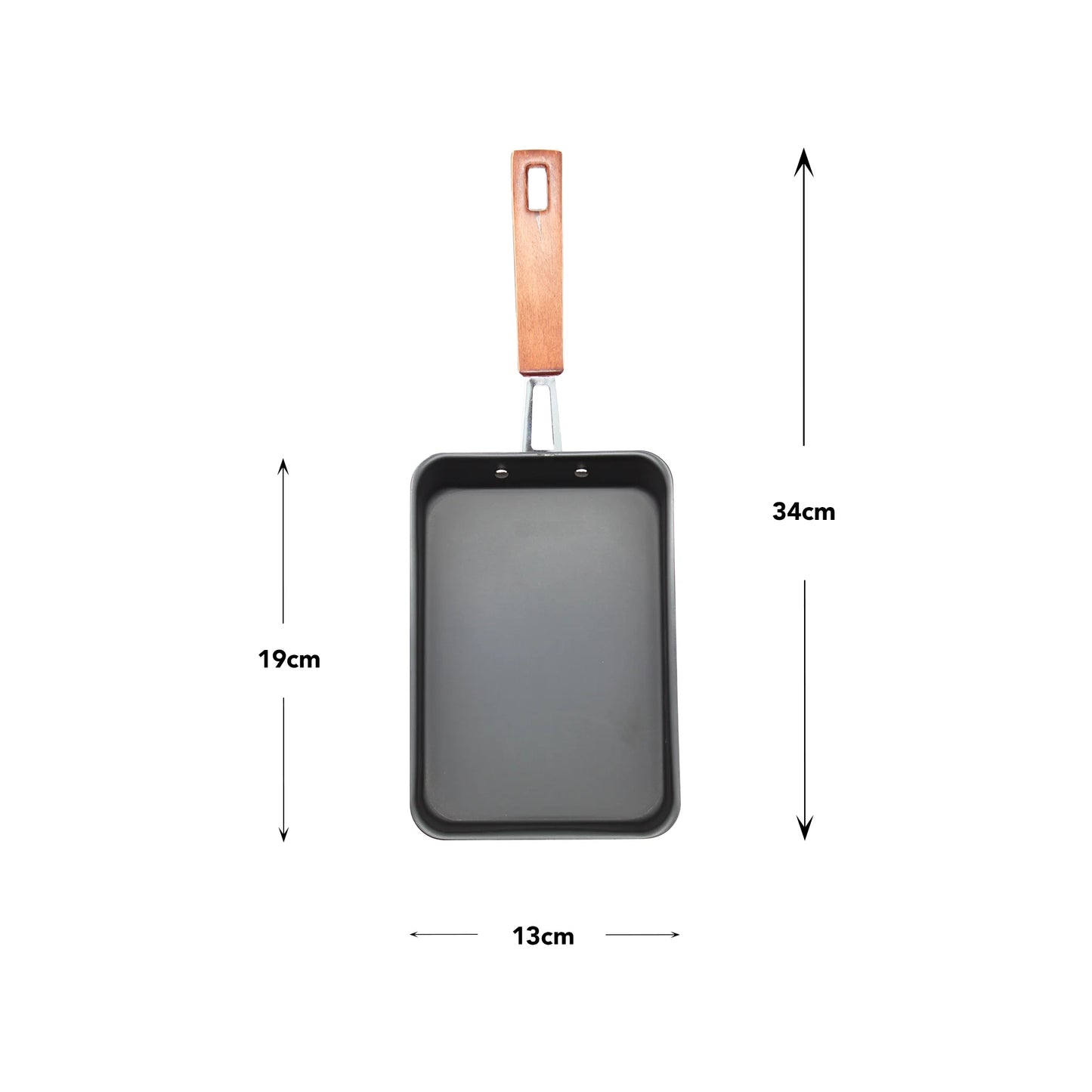


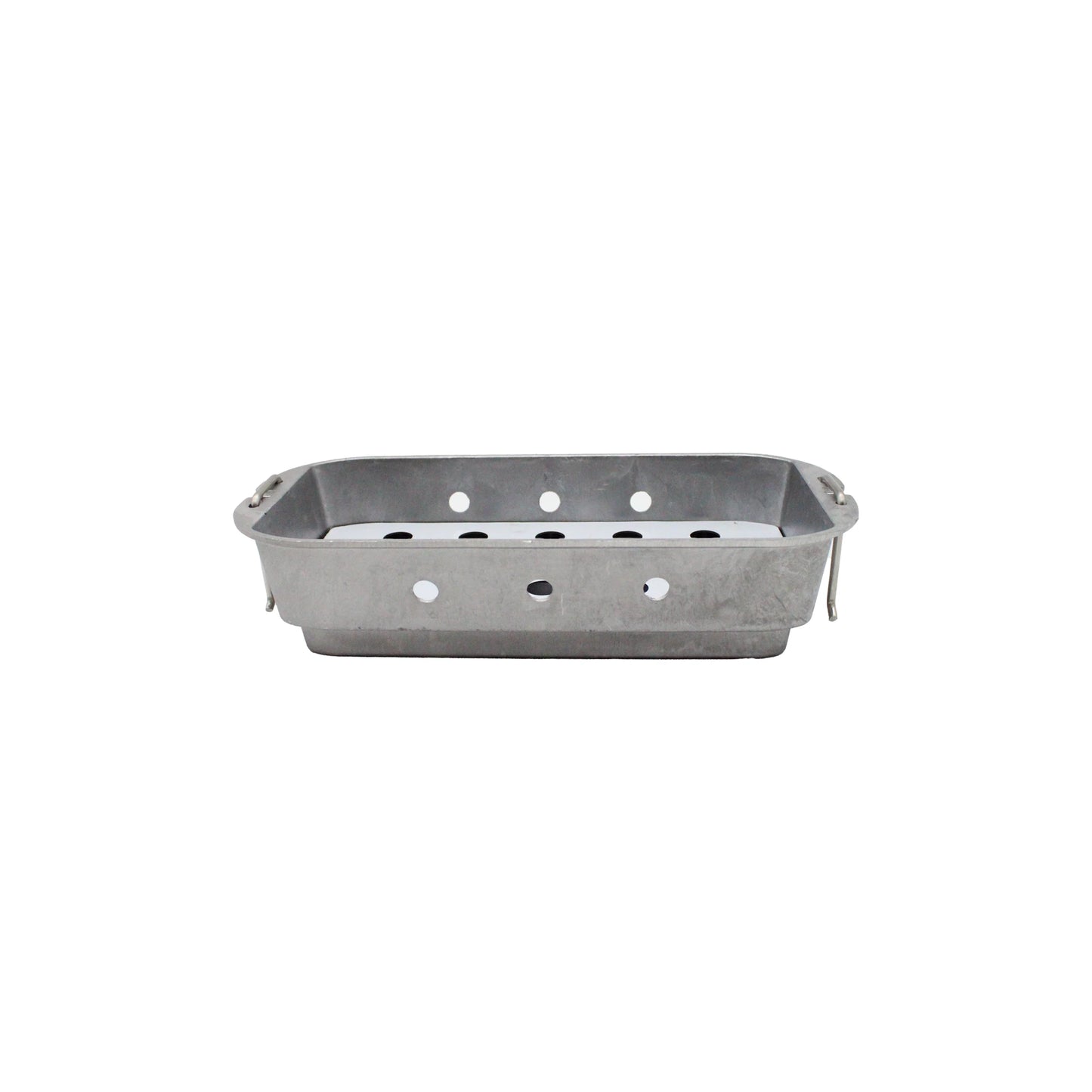

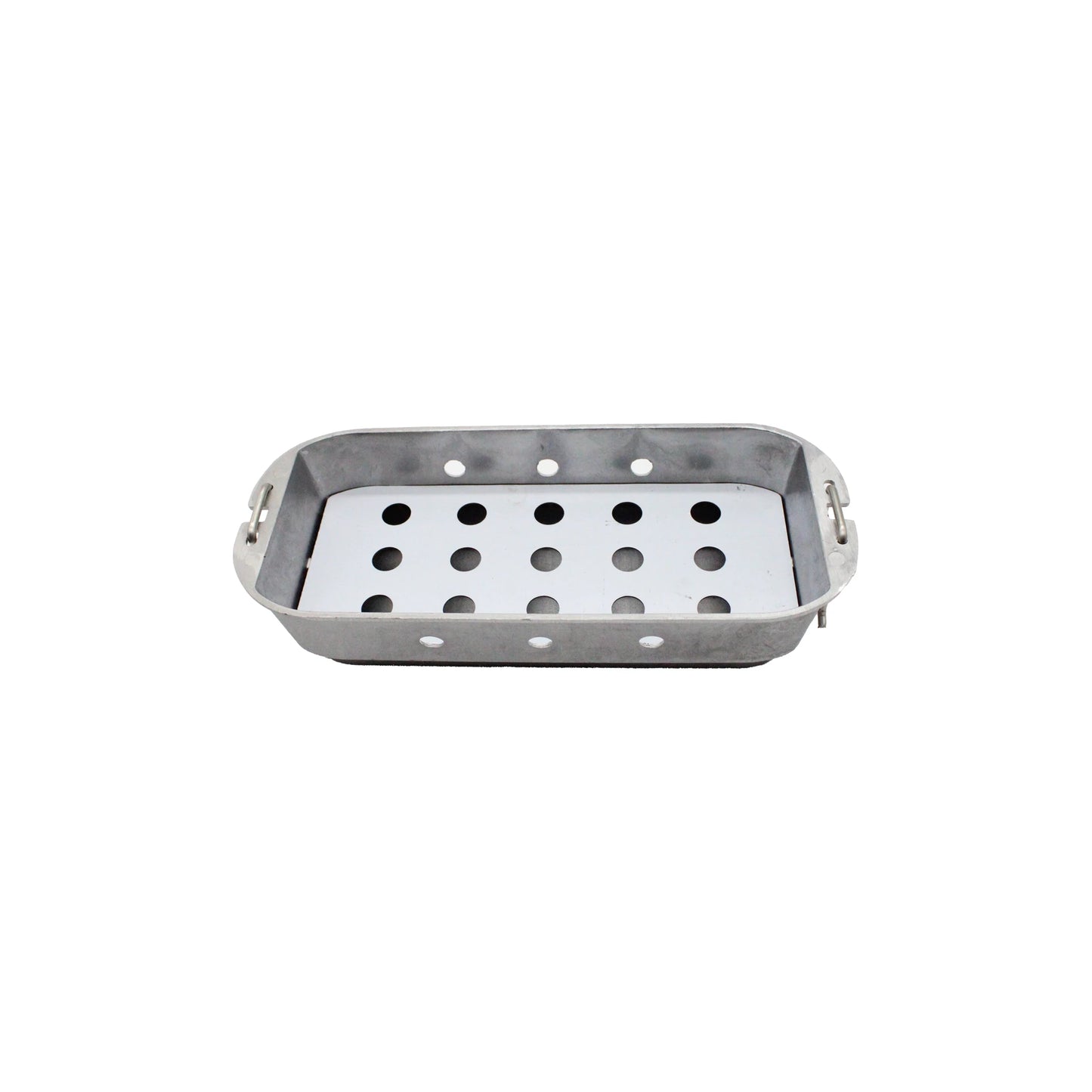

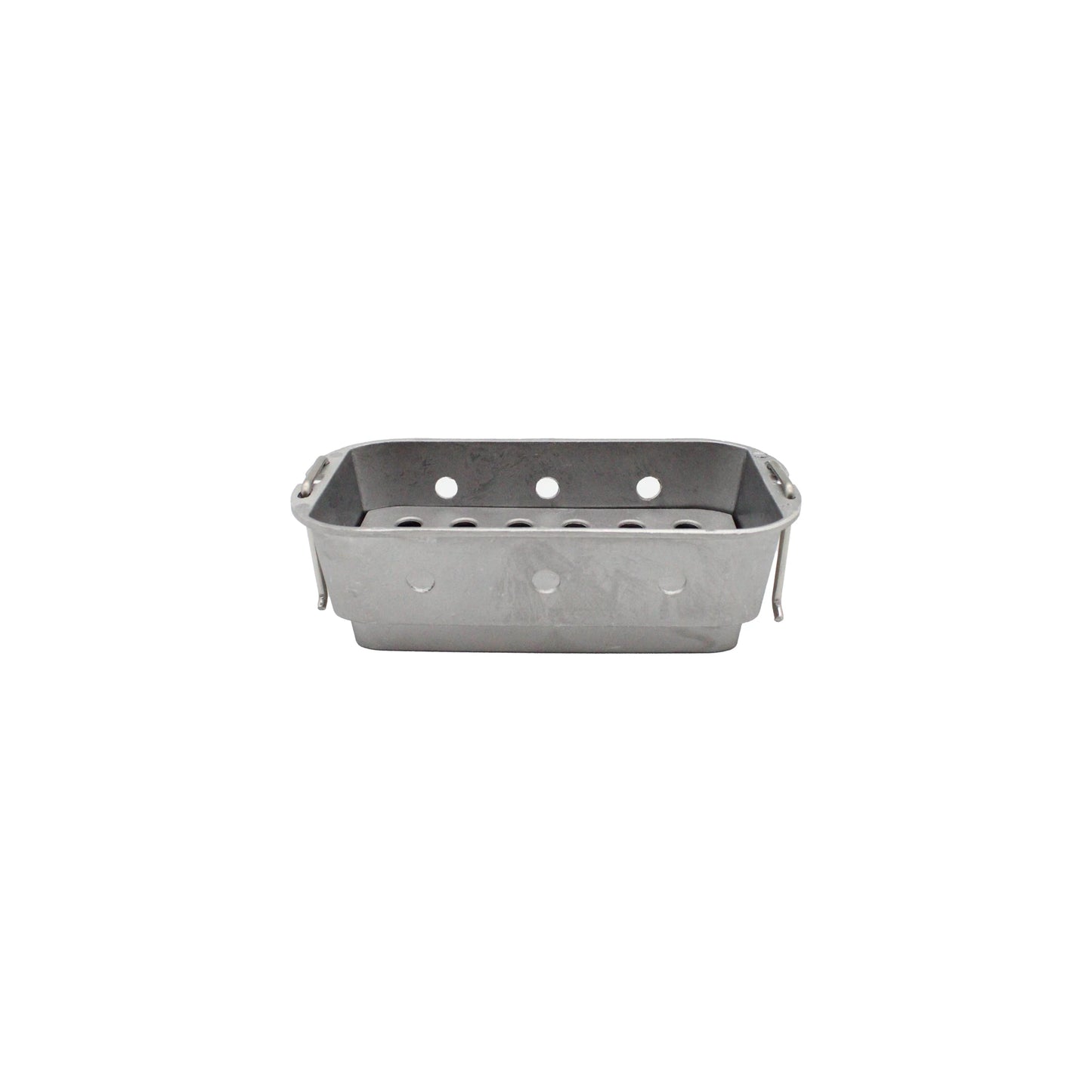













Japanese kitchenware vs Western cookware
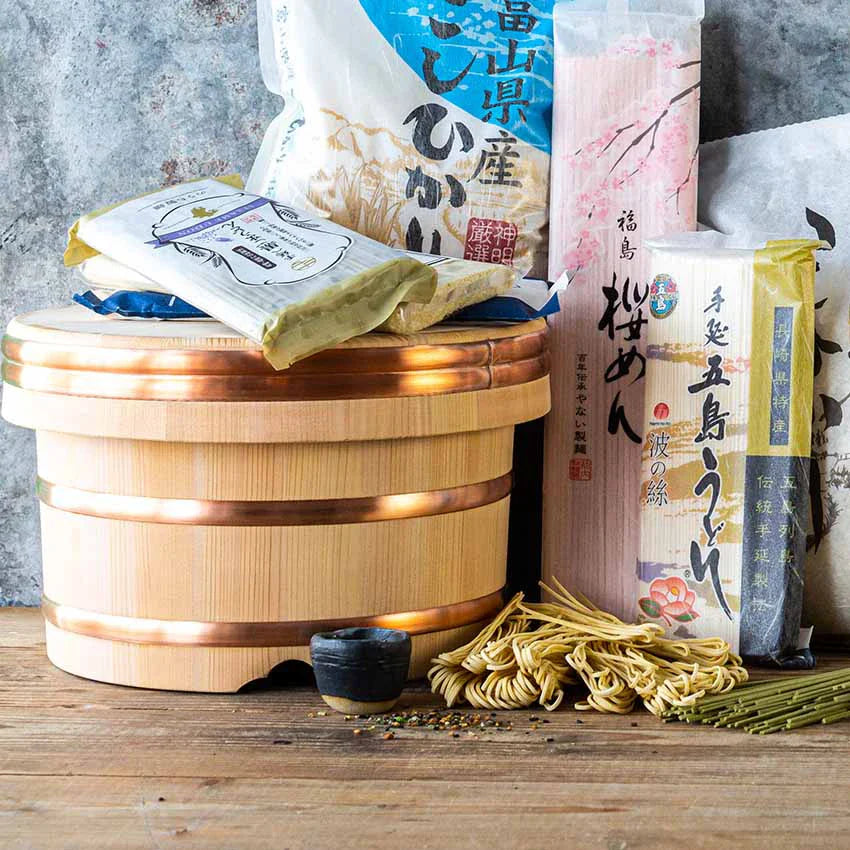
Japanese kitchenware is often designed around specific stages of preparation rather than general versatility. Cookware such as donabe and clay rice pots are made to manage heat, steam, and moisture in a controlled way, while wooden vessels like hangiri and ohitsu support washing, seasoning, and holding rice without damaging its texture.
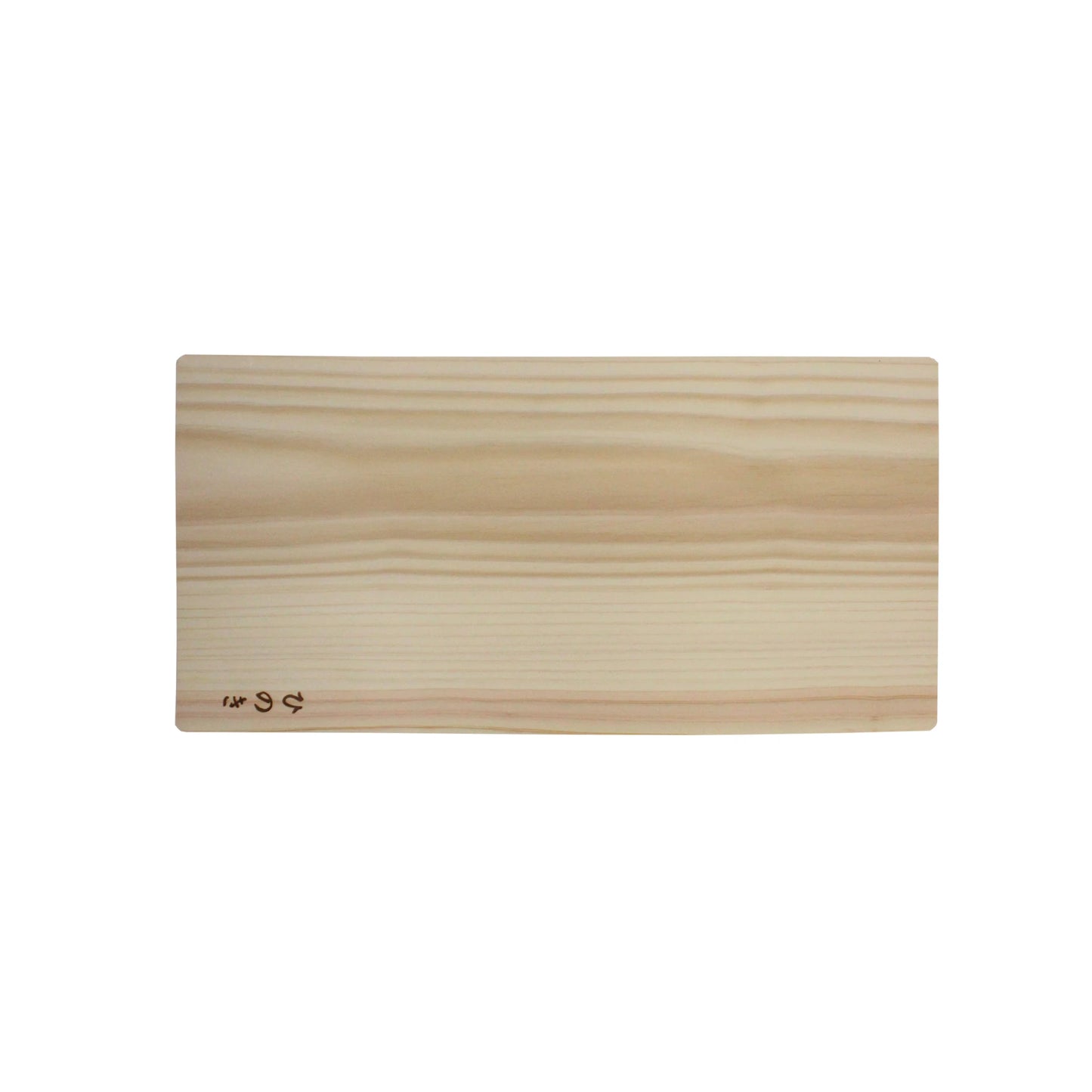
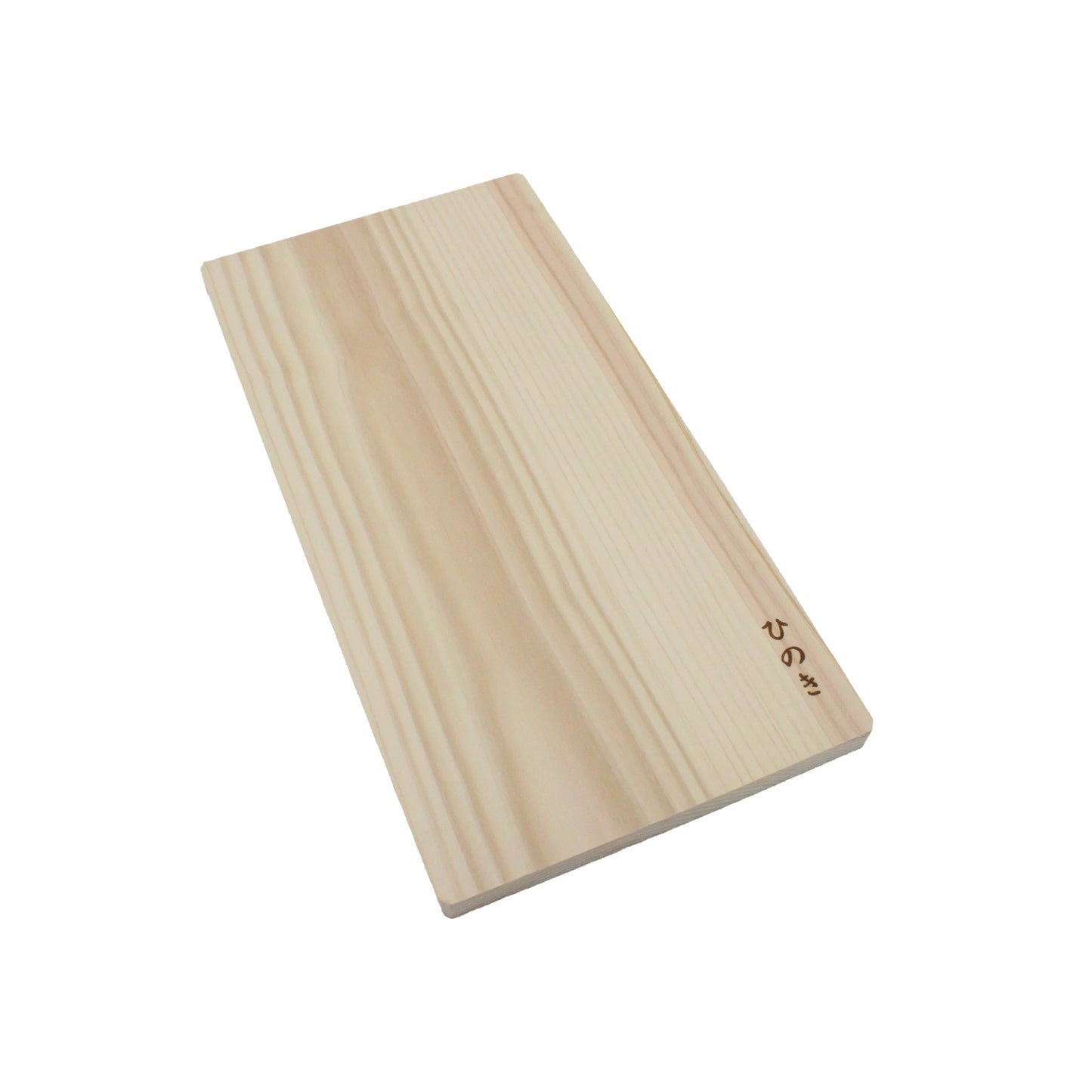
This approach is most notable in traditional earthenware made by makers such as Nagatani-en, whose clay pots are designed to distribute heat gently and retain steam during cooking. Wooden rice vessels, often made from Japanese cypress, are shaped to absorb excess moisture while keeping rice at a stable temperature after cooking.
Western cookware tends to prioritise multipurpose use, with heavier pots and pans designed to handle a wide range of techniques such as boiling, frying, roasting, and baking. Japanese kitchenware is typically more specialised, with each piece intended to support a defined task, whether that’s cooking rice evenly, steaming ingredients, or holding food in optimal condition before serving.
How Japanese kitchenware is used
Japanese kitchenware is typically used in a defined sequence rather than as all-purpose equipment. Clay pots and donabe are used to cook rice or steam ingredients gently, allowing heat and moisture to build gradually. Once cooked, rice is often transferred to a hangiri to cool and season evenly, before being held in an ohitsu to maintain temperature and texture until serving.
This approach helps rice cool evenly, prevents it from becoming compacted, and keeps texture and flavour intact until serving. Each vessel is used for a specific stage of preparation, rather than trying to do everything in one pot.


Award Winning


Sustainable


Growers


Free Delivery
Get inspired with some recipes


Creamy Hojicha Ice Cream (Japanese Roasted Green Tea) Recipe
This creamy, custard-based ice cream recipe by Yuto from Sudachi is flavoured with the toasty depth of roasted Japanese hojicha...


Mirin Glazed Salmon Recipe
This must be the fastest way there is to create a culinary sensation. You do scarcely a thing — just...


Homemade Teriyaki Sauce Recipe
Traditionally used in Japan to glaze and flavour fish, teriyaki sauce is wonderfully versatile. Try this classic four-ingredient base recipe,...

Creamy Hojicha Ice Cream (Japanese Roasted Green Tea) Recipe
This creamy, custard-based ice cream recipe by Yuto from Sudachi is flavoured with the toasty depth of roasted Japanese hojicha tea.

Mirin Glazed Salmon Recipe
This must be the fastest way there is to create a culinary sensation. You do scarcely a thing — just dibble some salmon steaks in a dark glossy potion, most of which you get out of a jar — and what you make tastes as if you had been dedicating half your life to achieving the perfect combination of sweet, savoury, tender and crisp.

Homemade Teriyaki Sauce Recipe
Traditionally used in Japan to glaze and flavour fish, teriyaki sauce is wonderfully versatile. Try this classic four-ingredient base recipe, ready for you to put your own spin on.