



Japanese Kitchen Knives

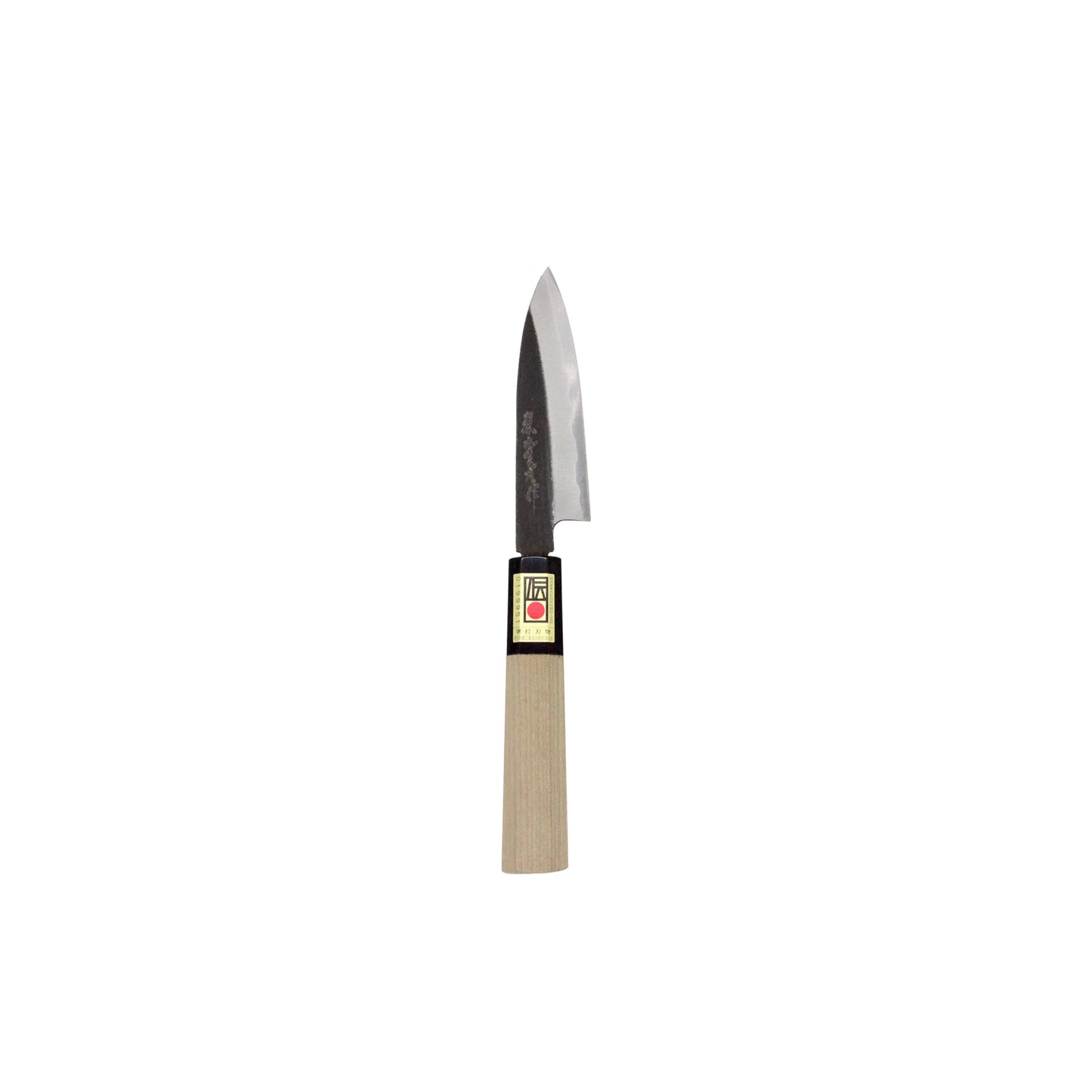

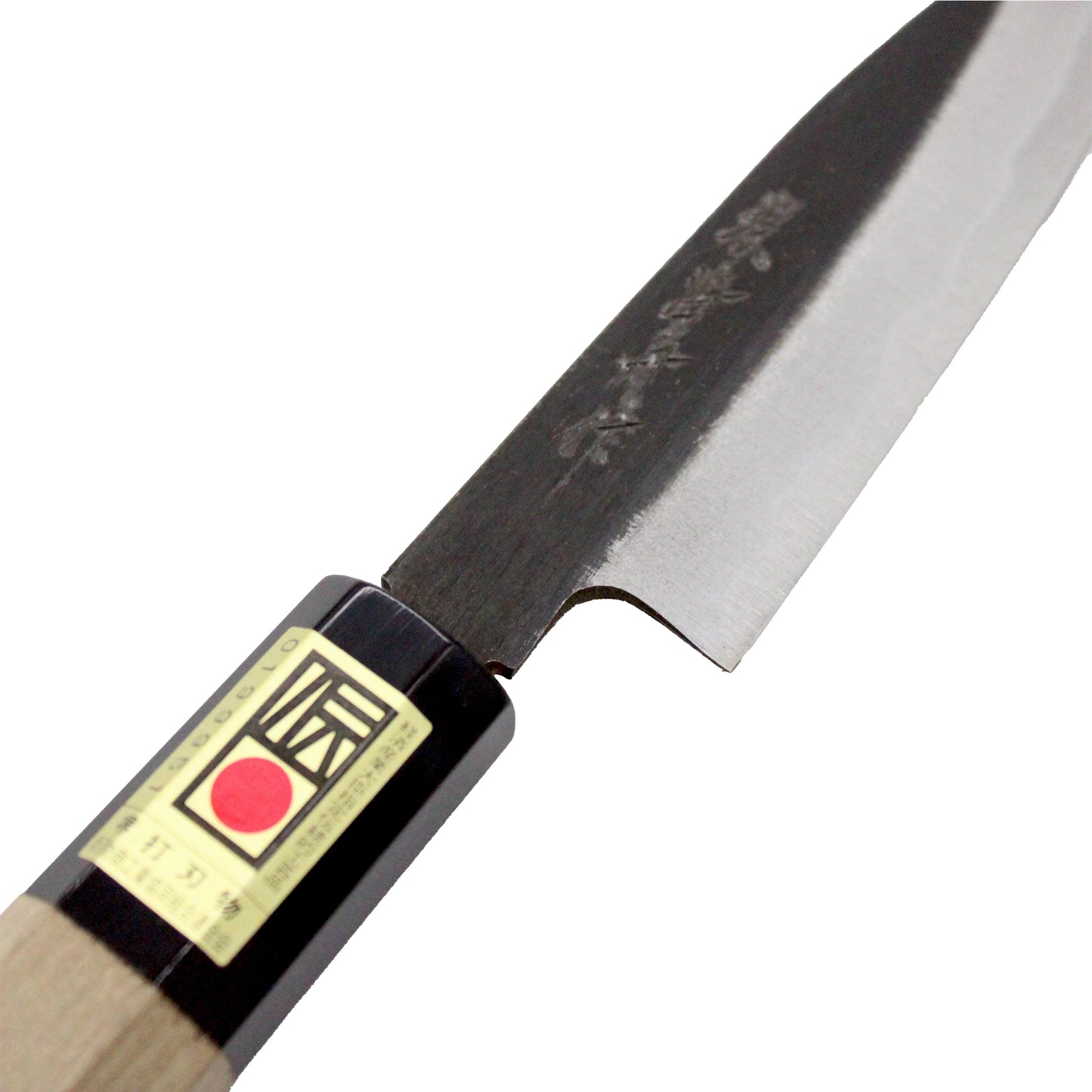

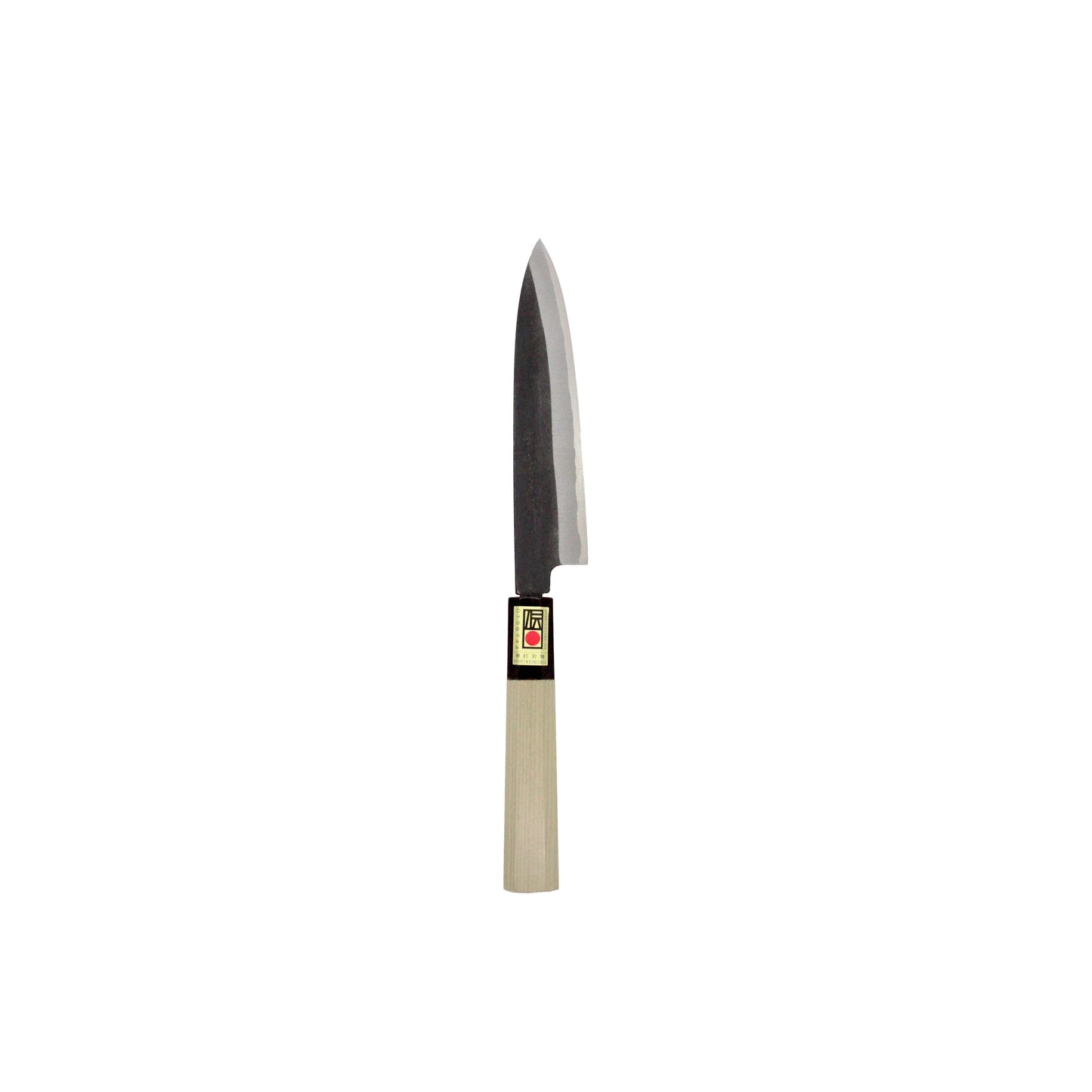

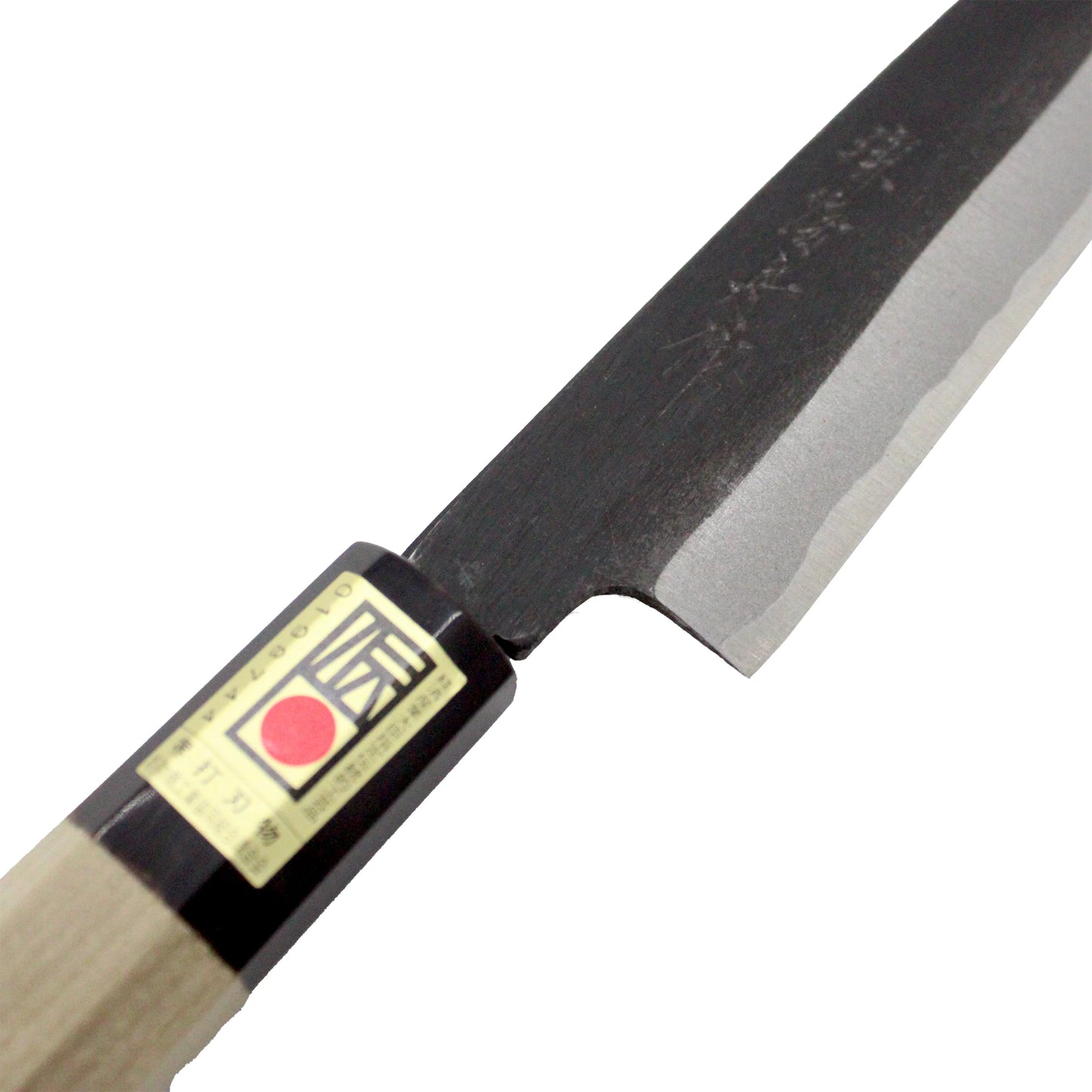

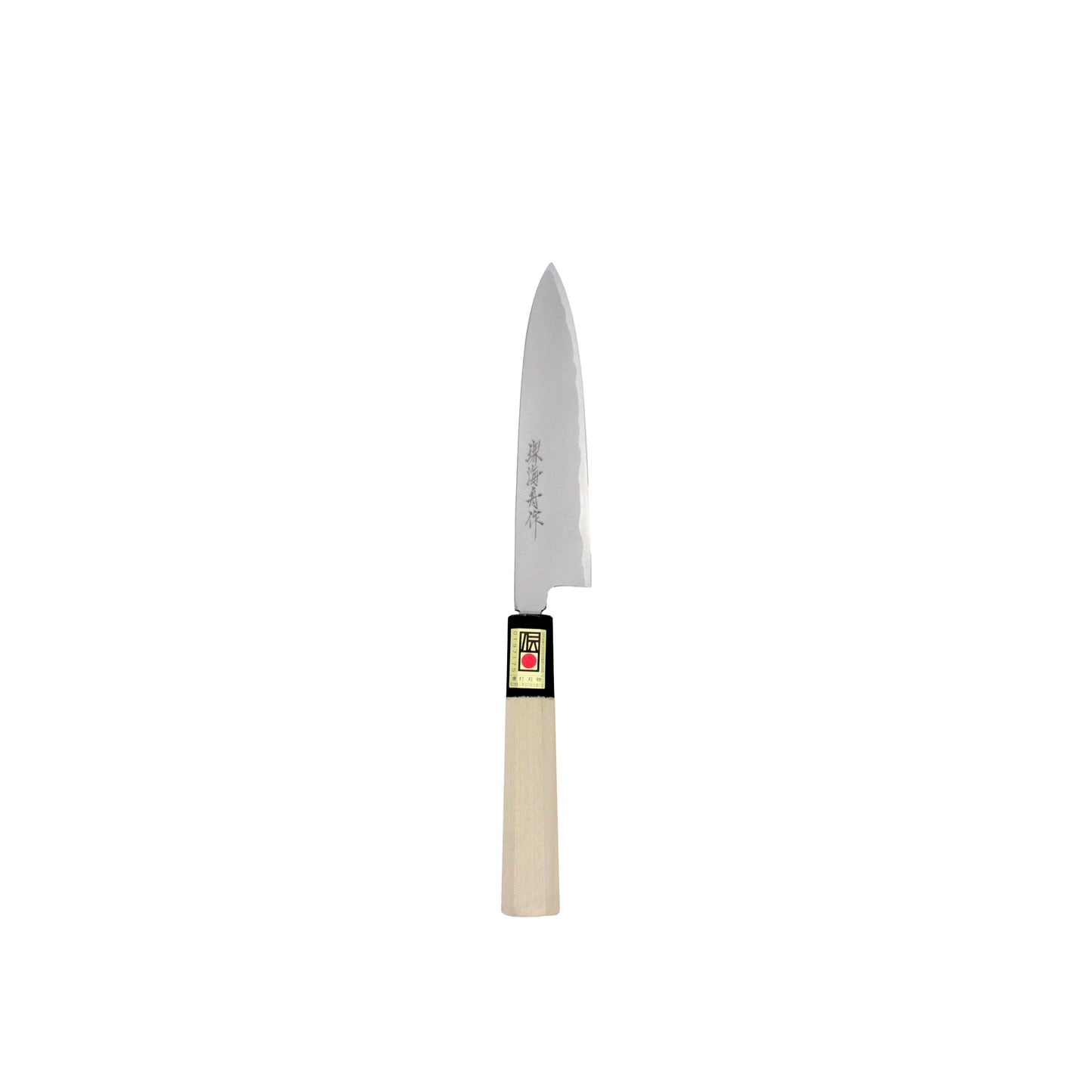

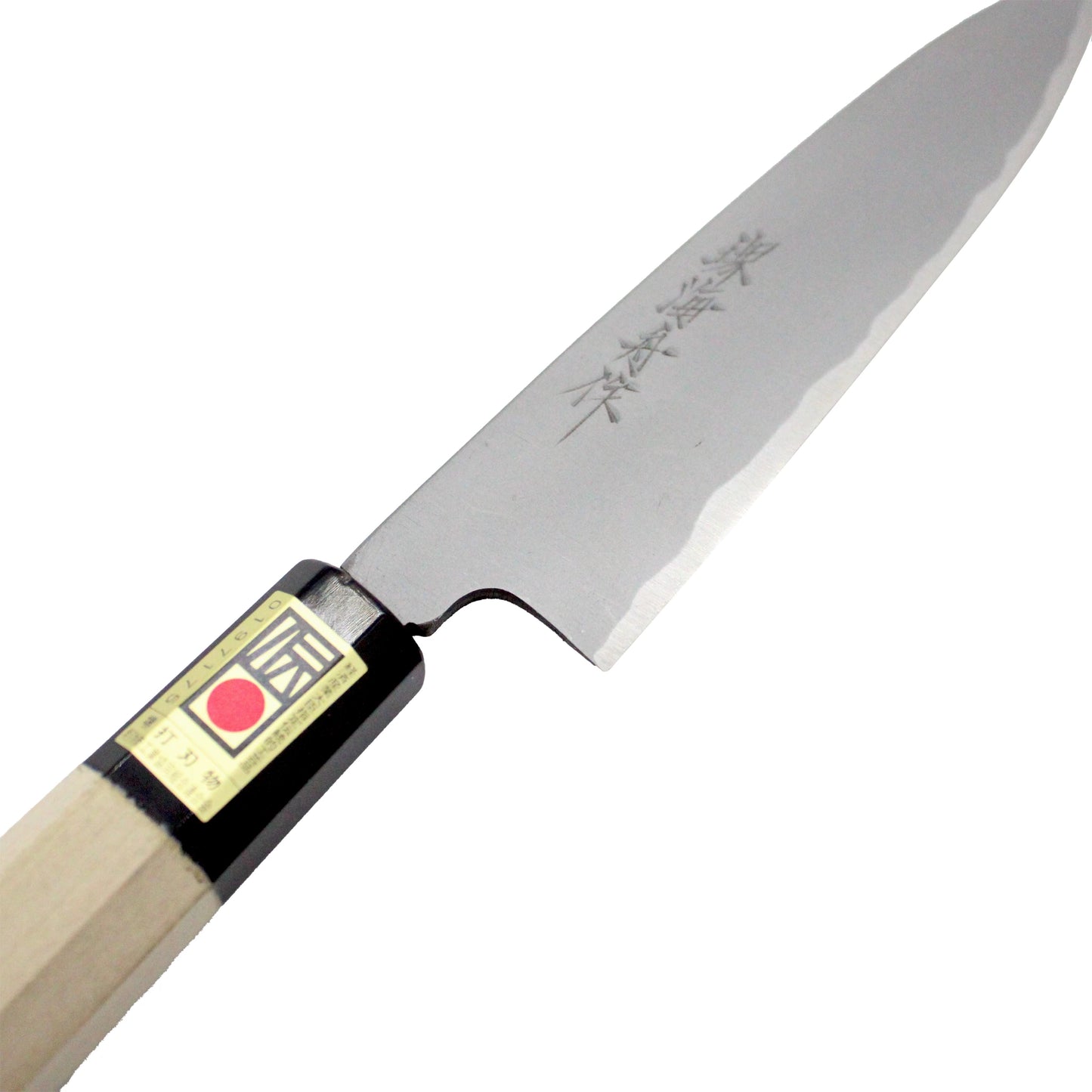

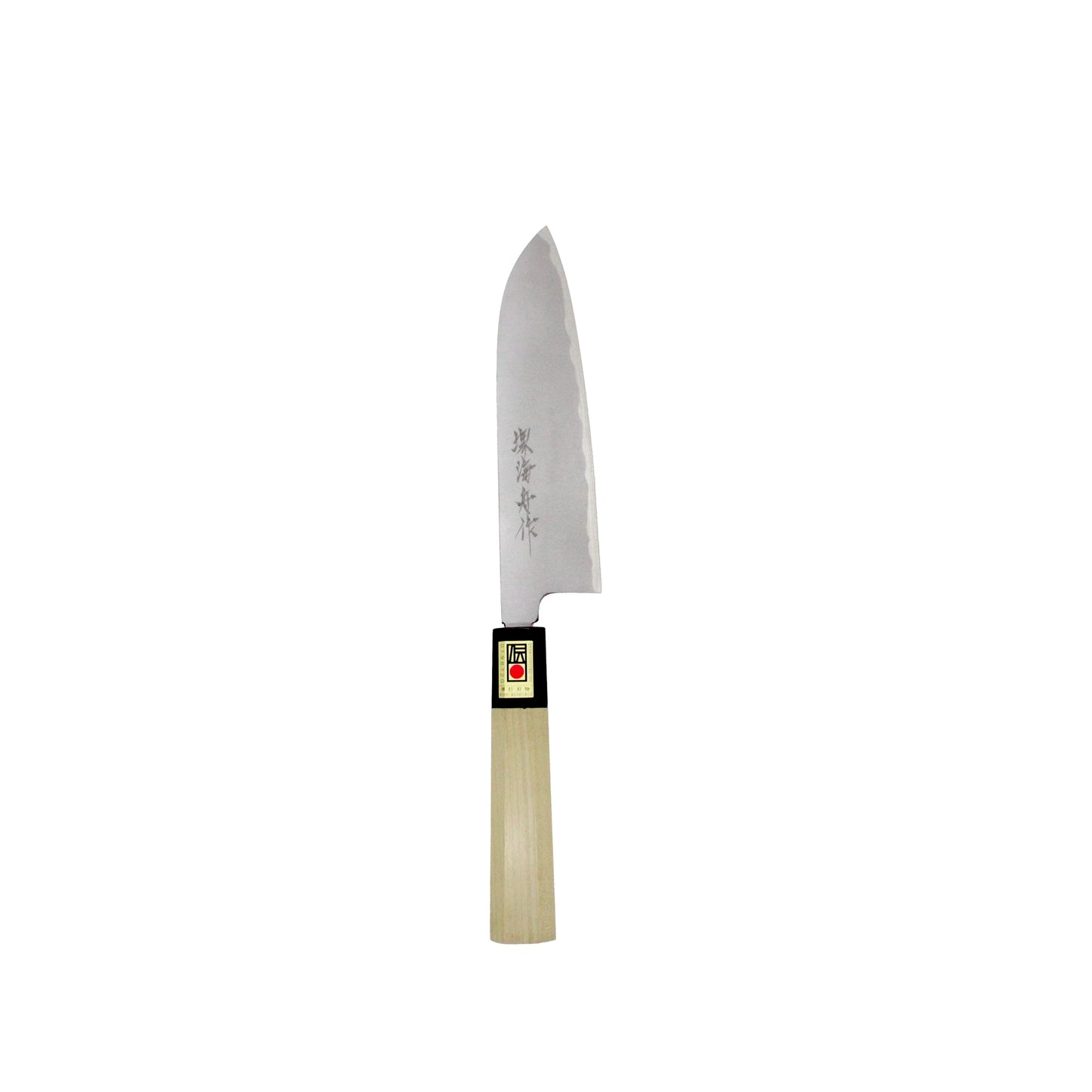

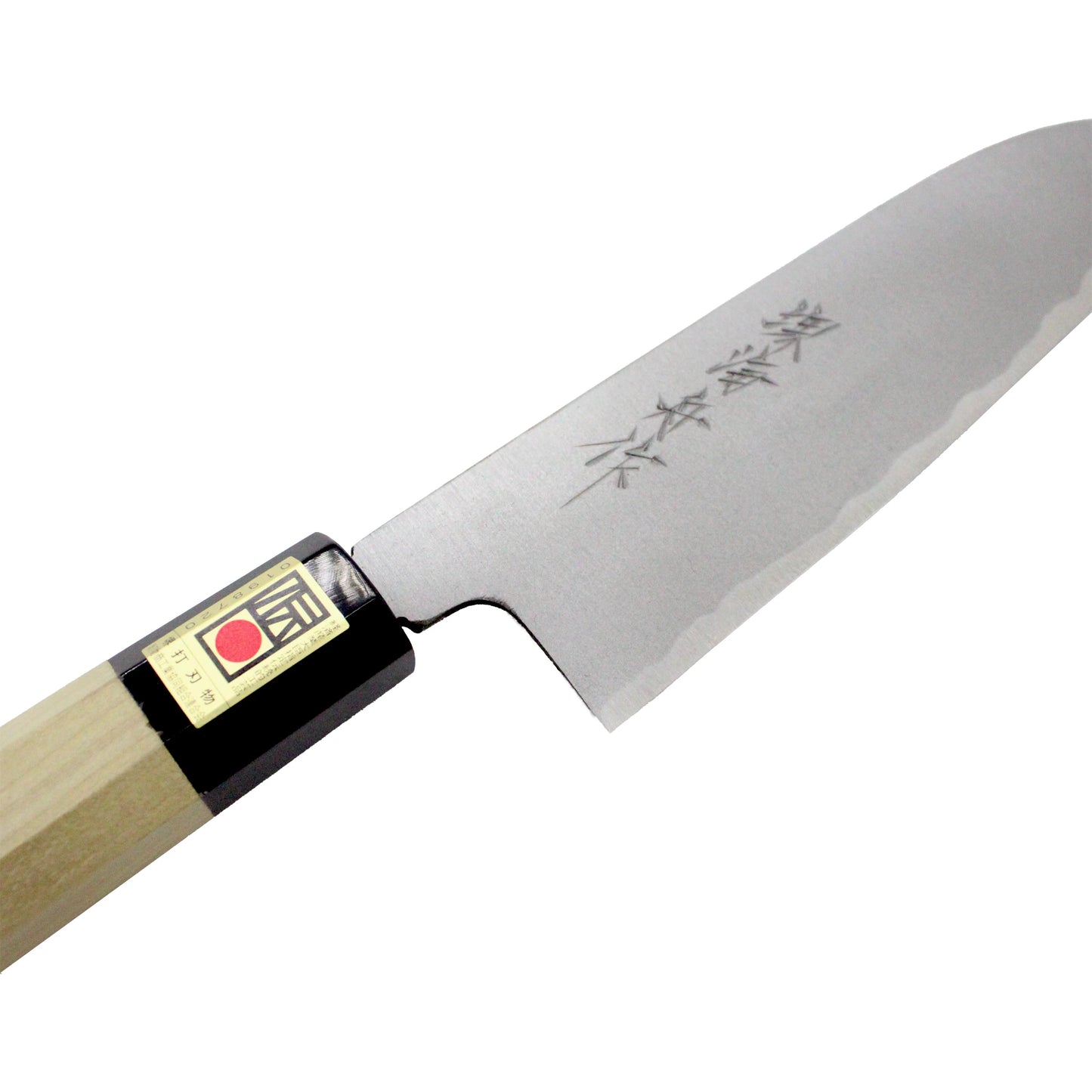

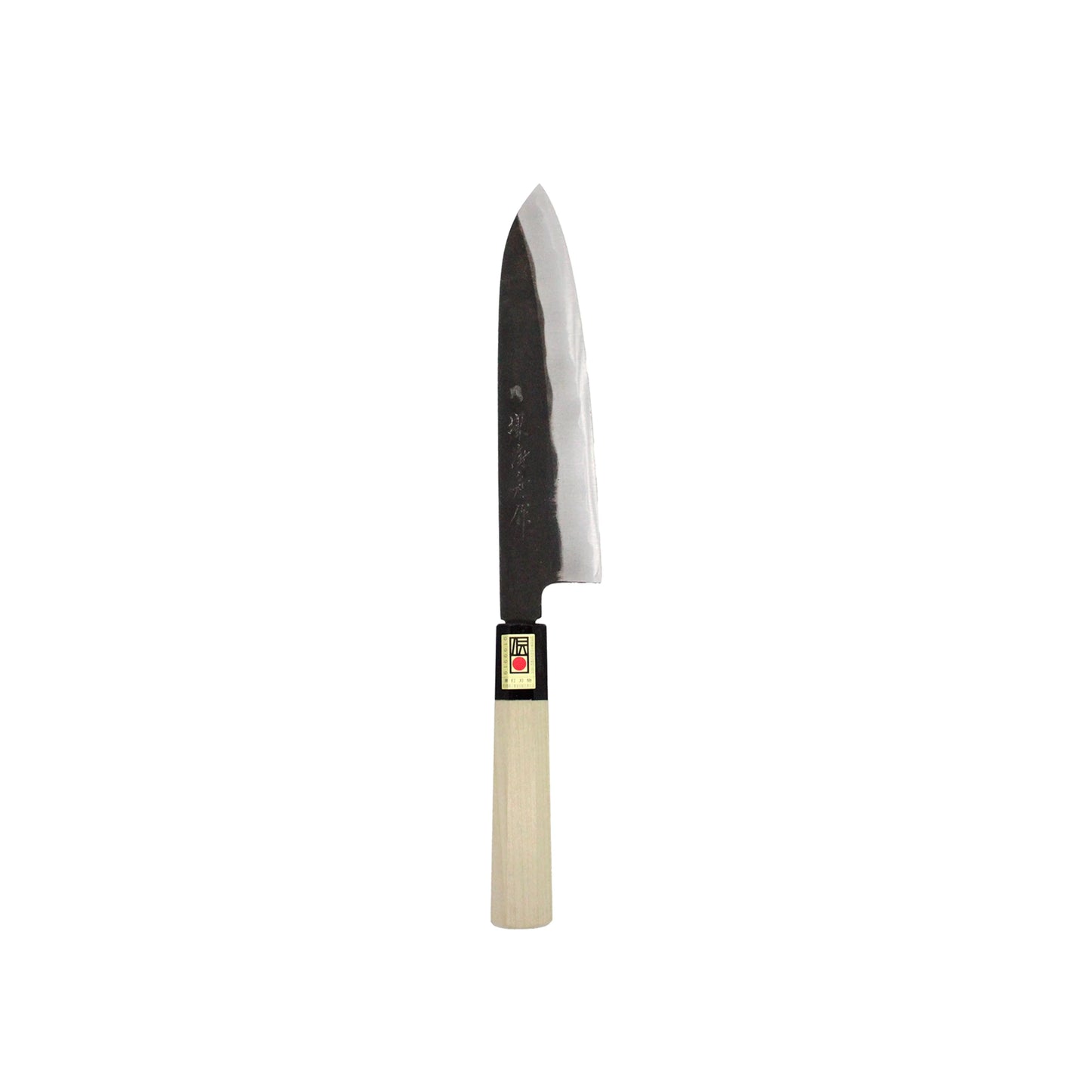

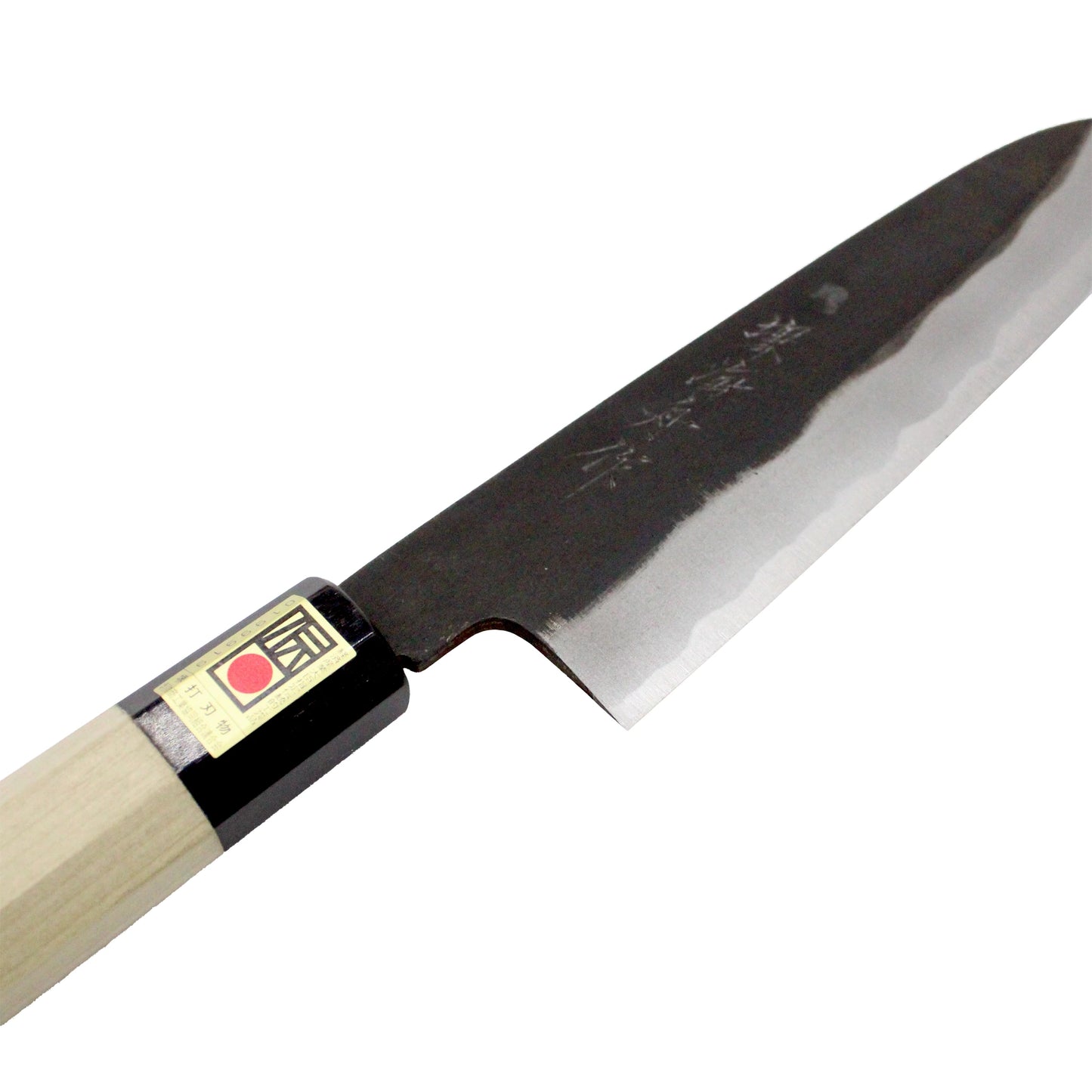

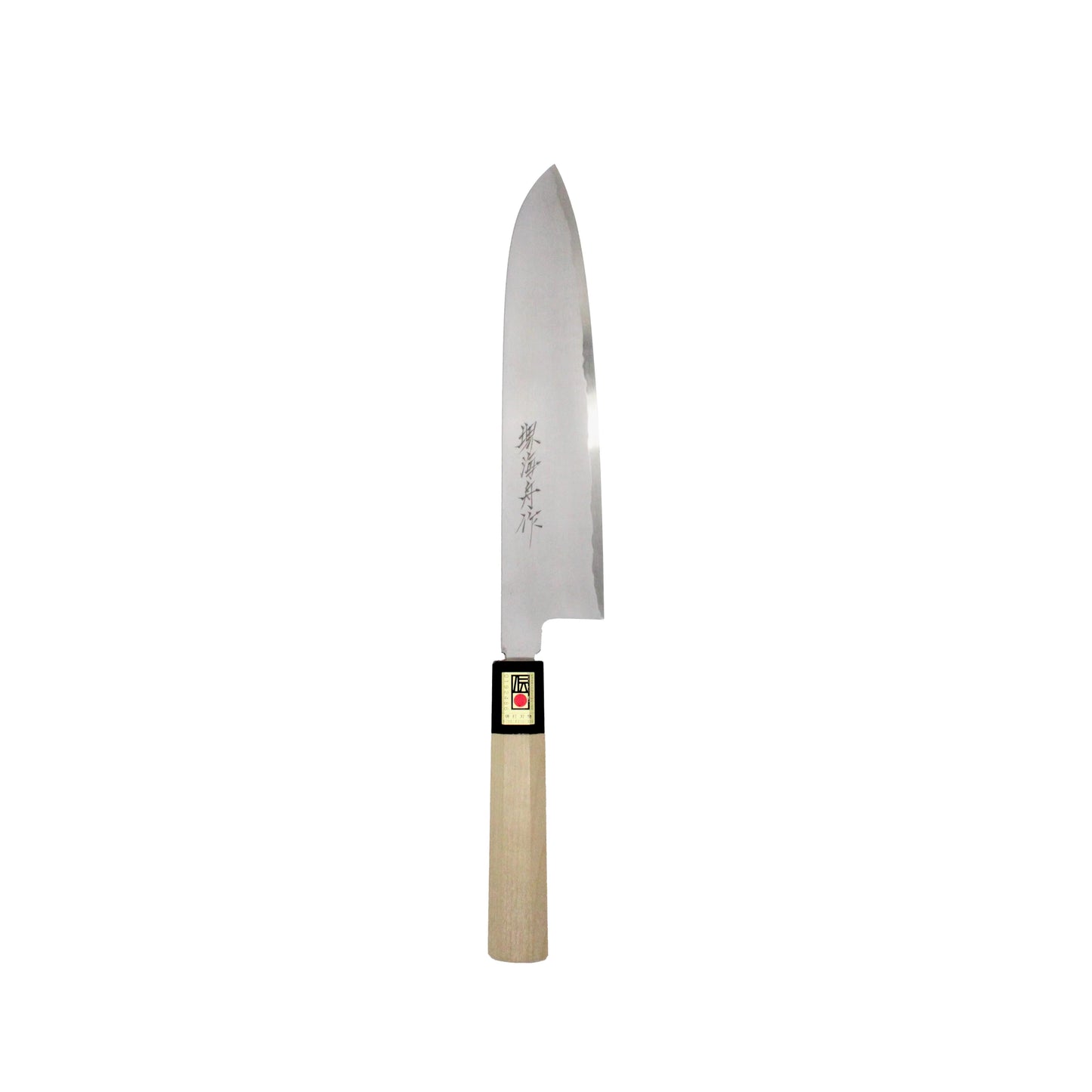

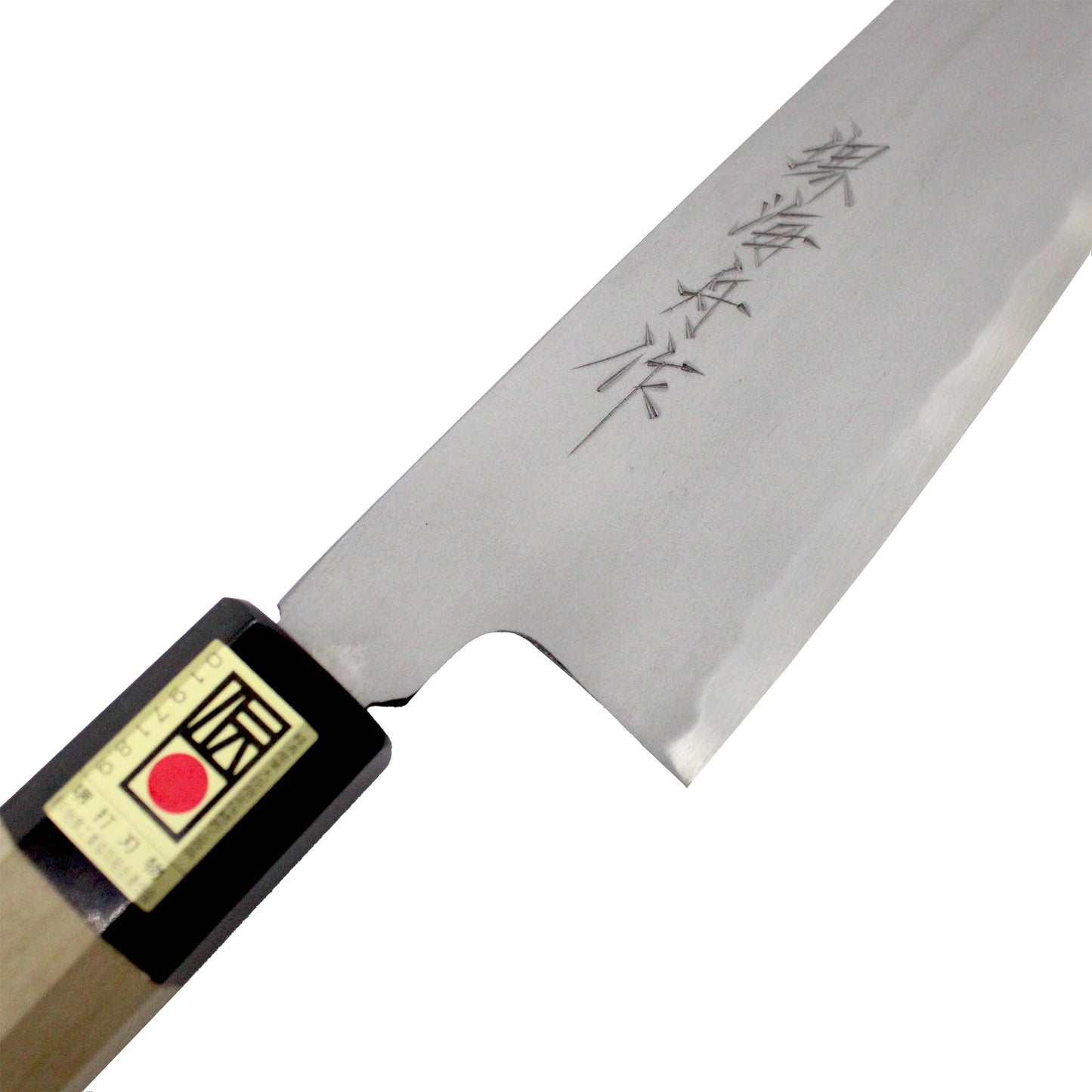









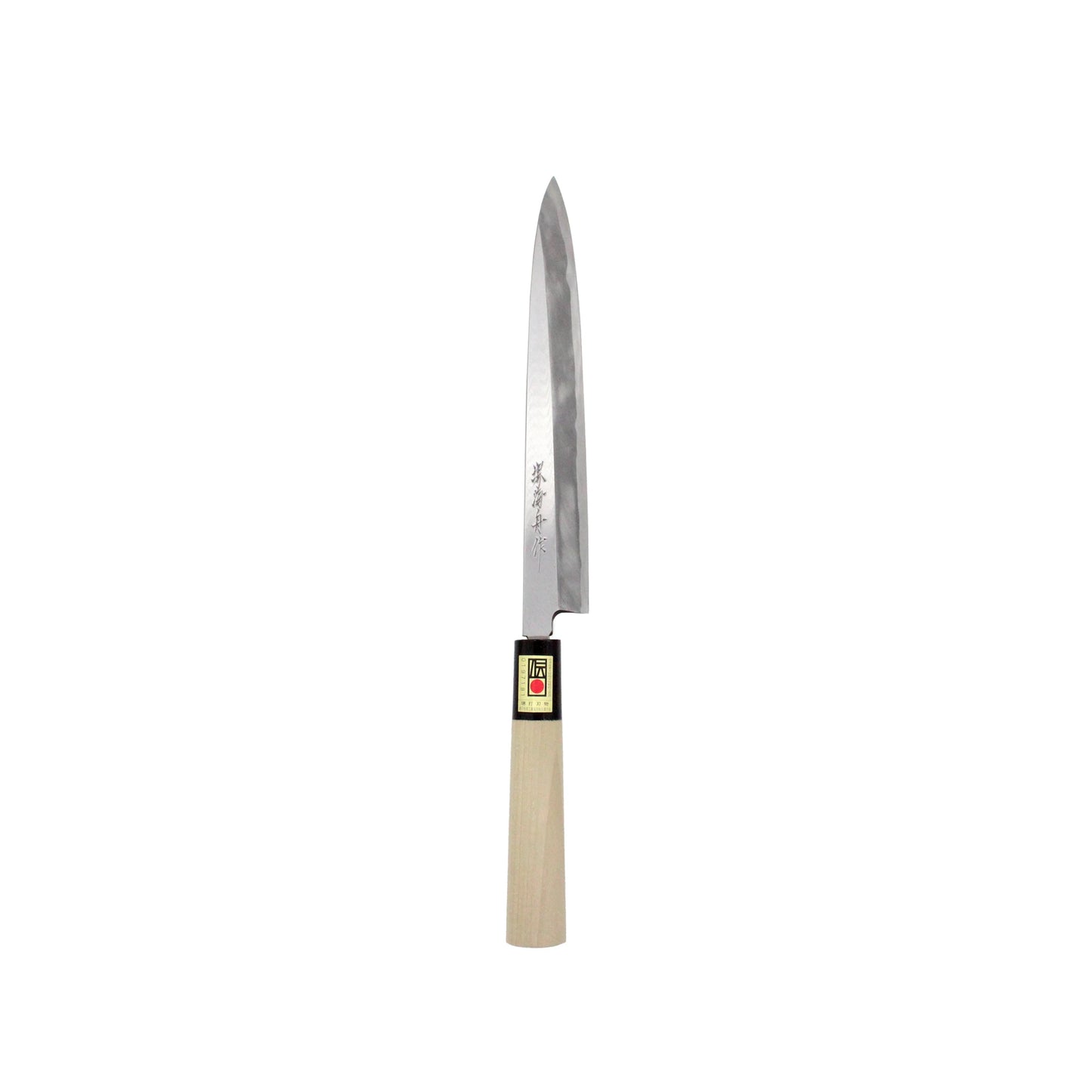

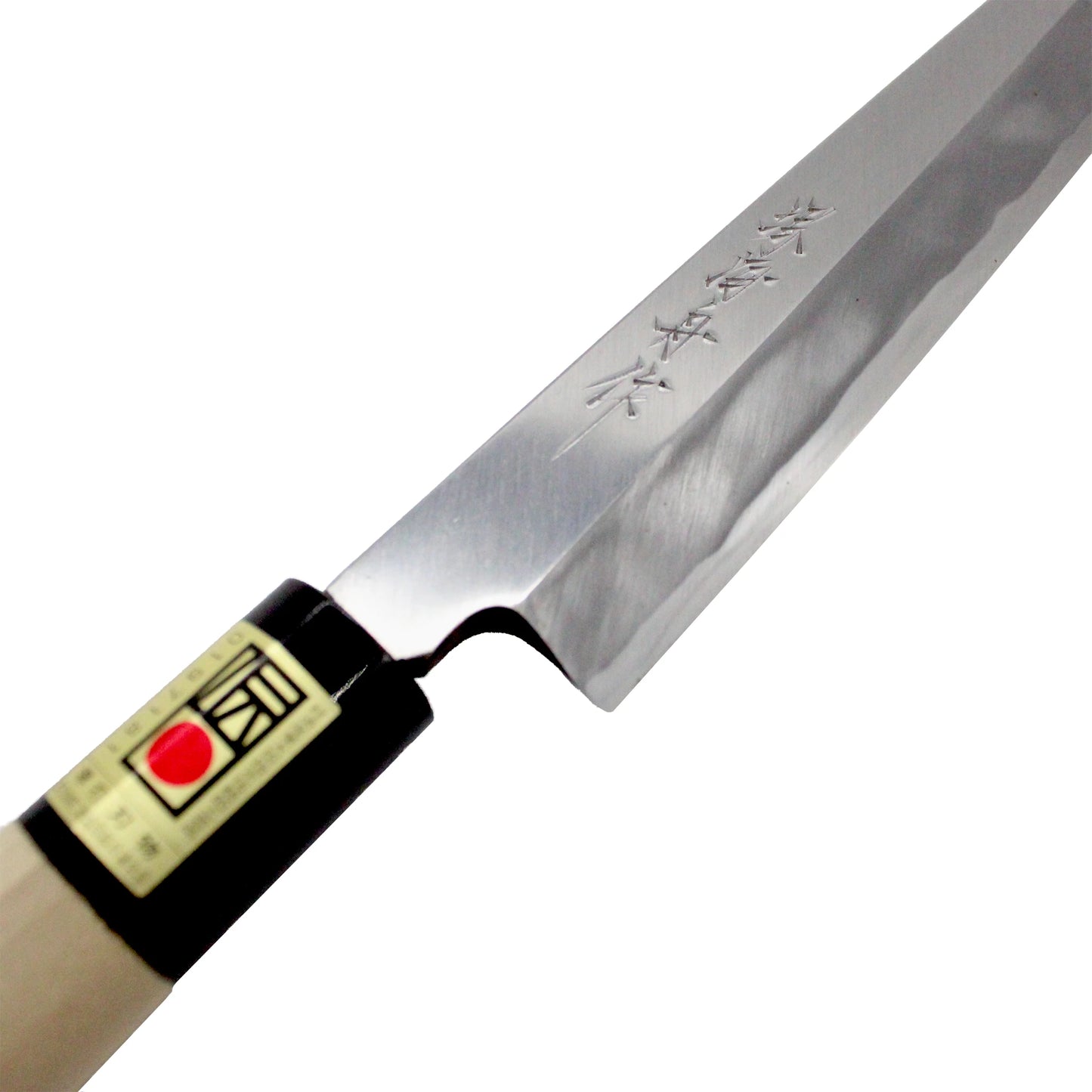

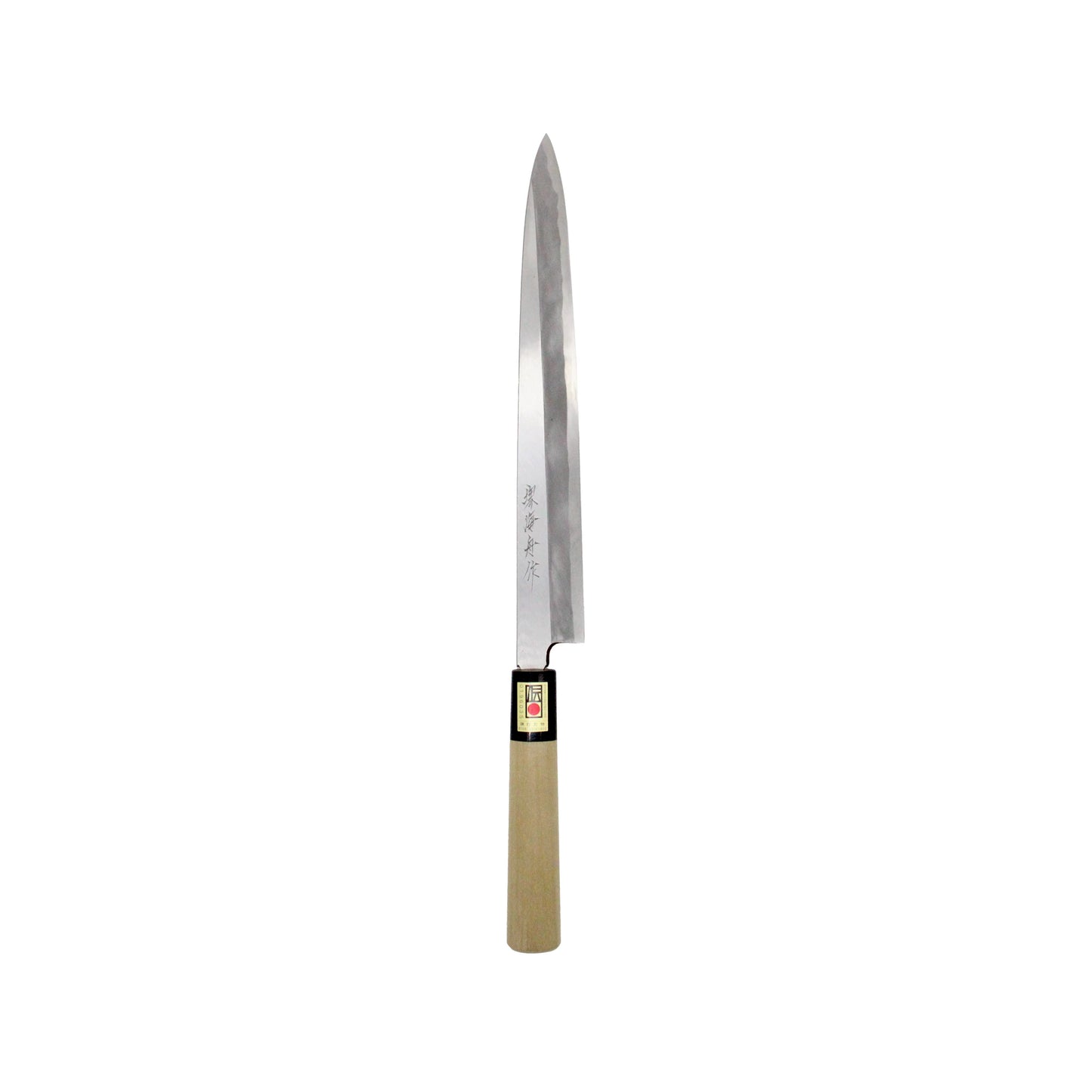

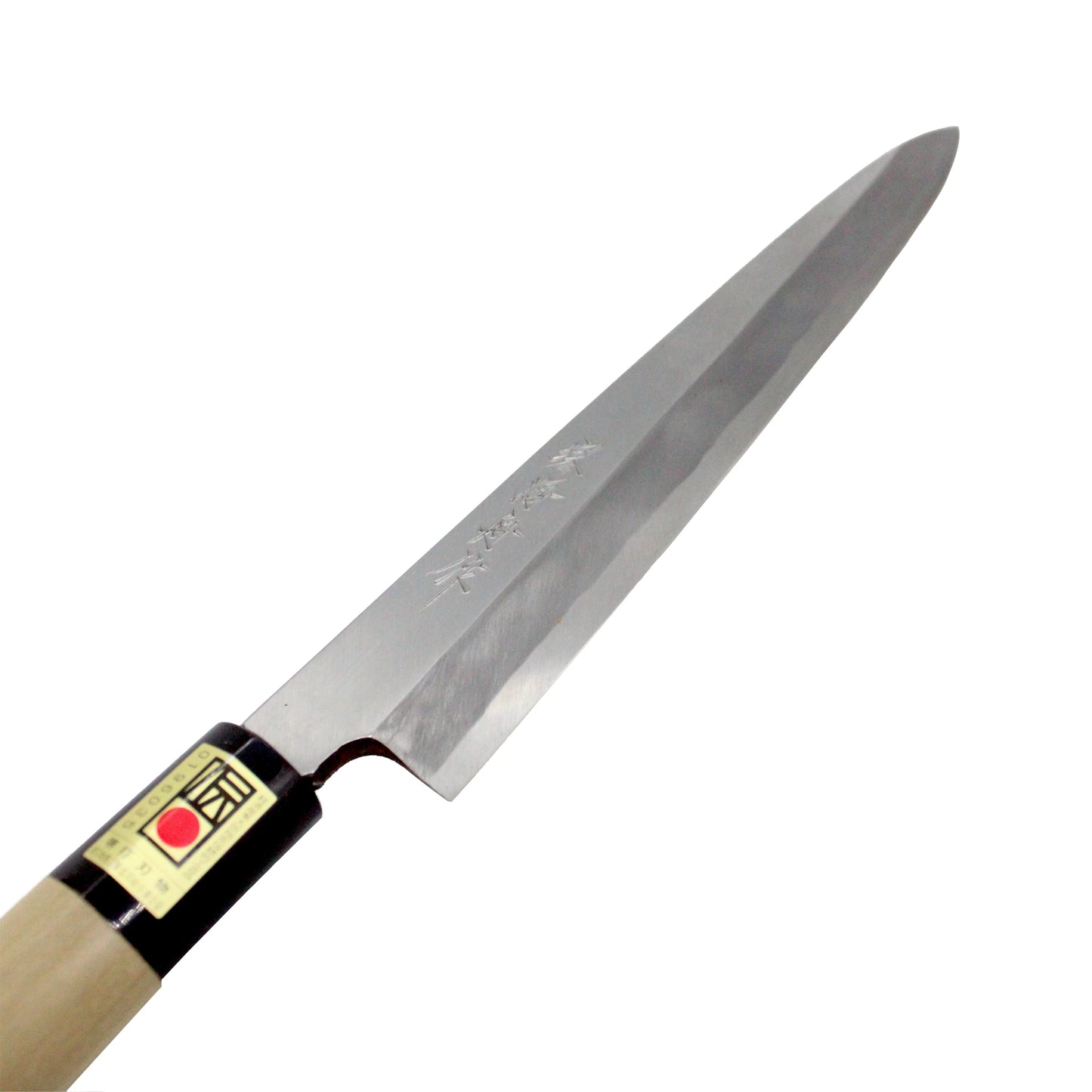

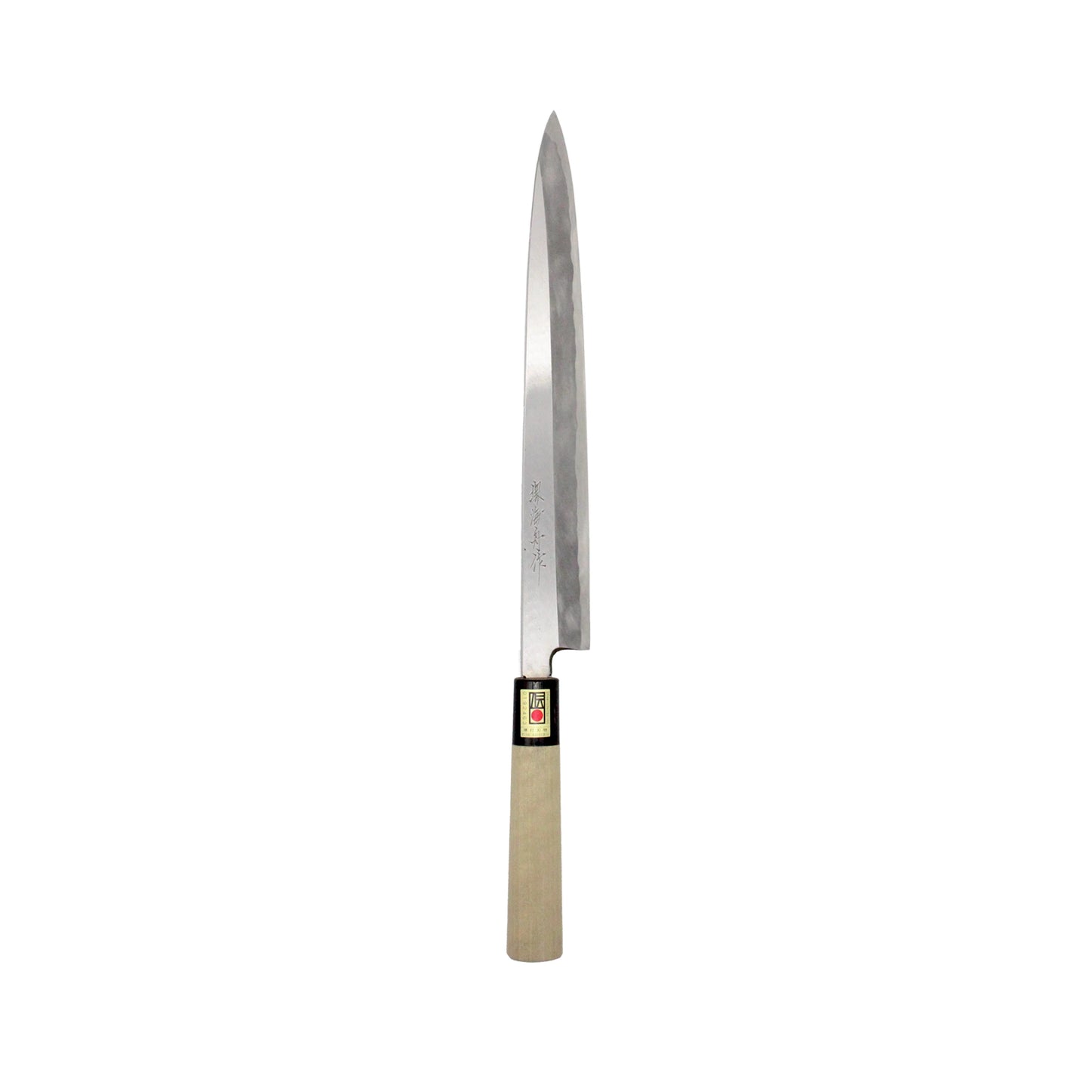

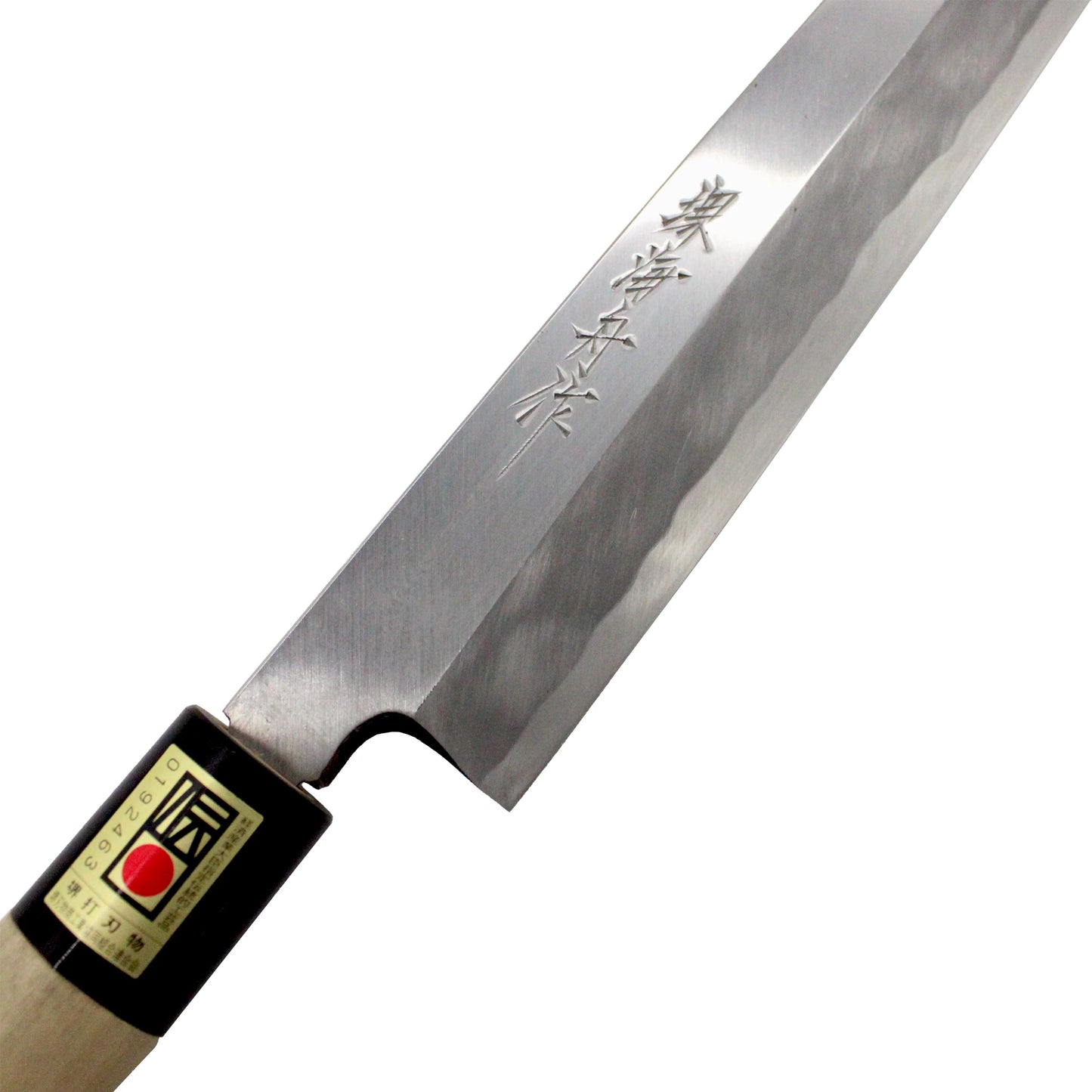










Forged in Sakai, finished by hand
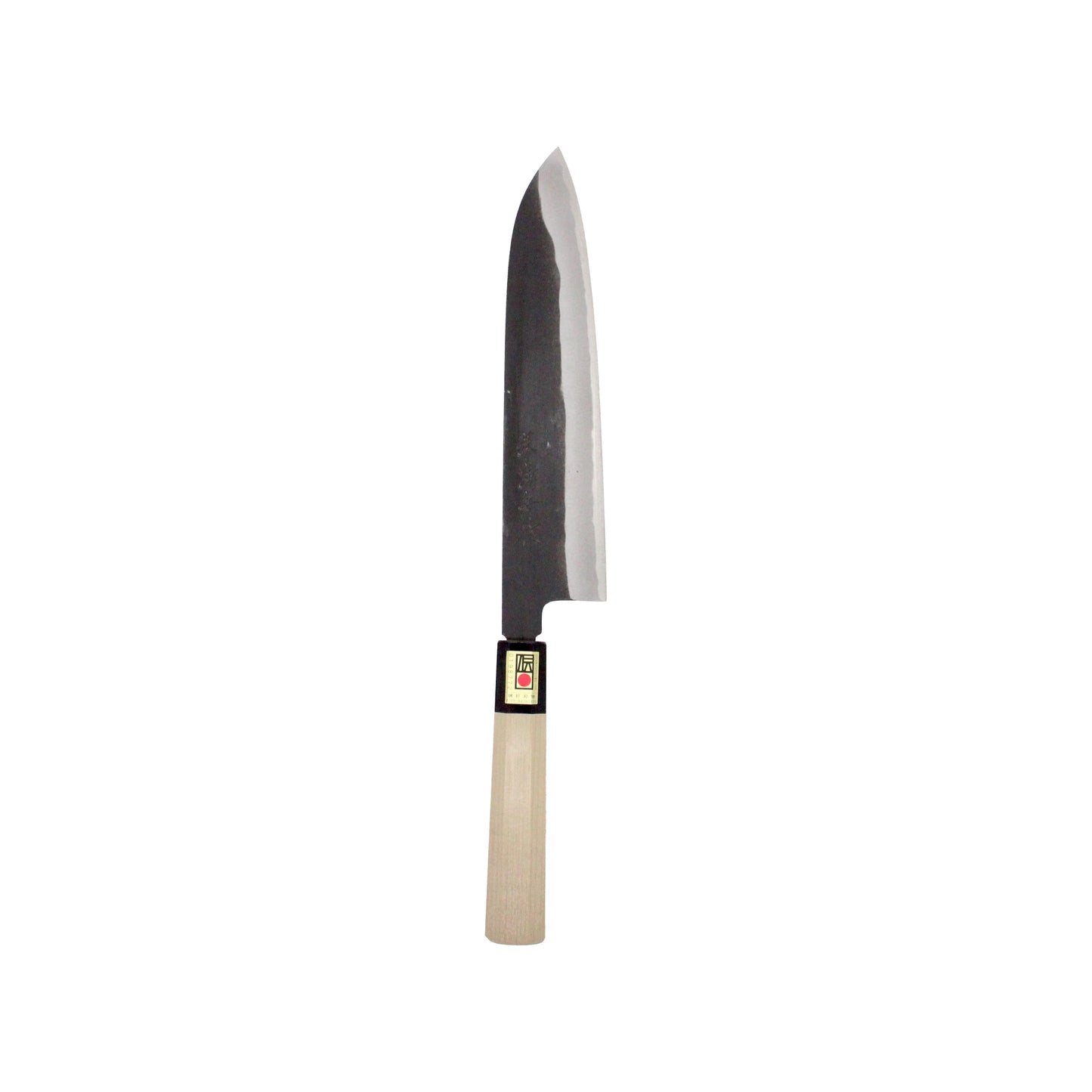
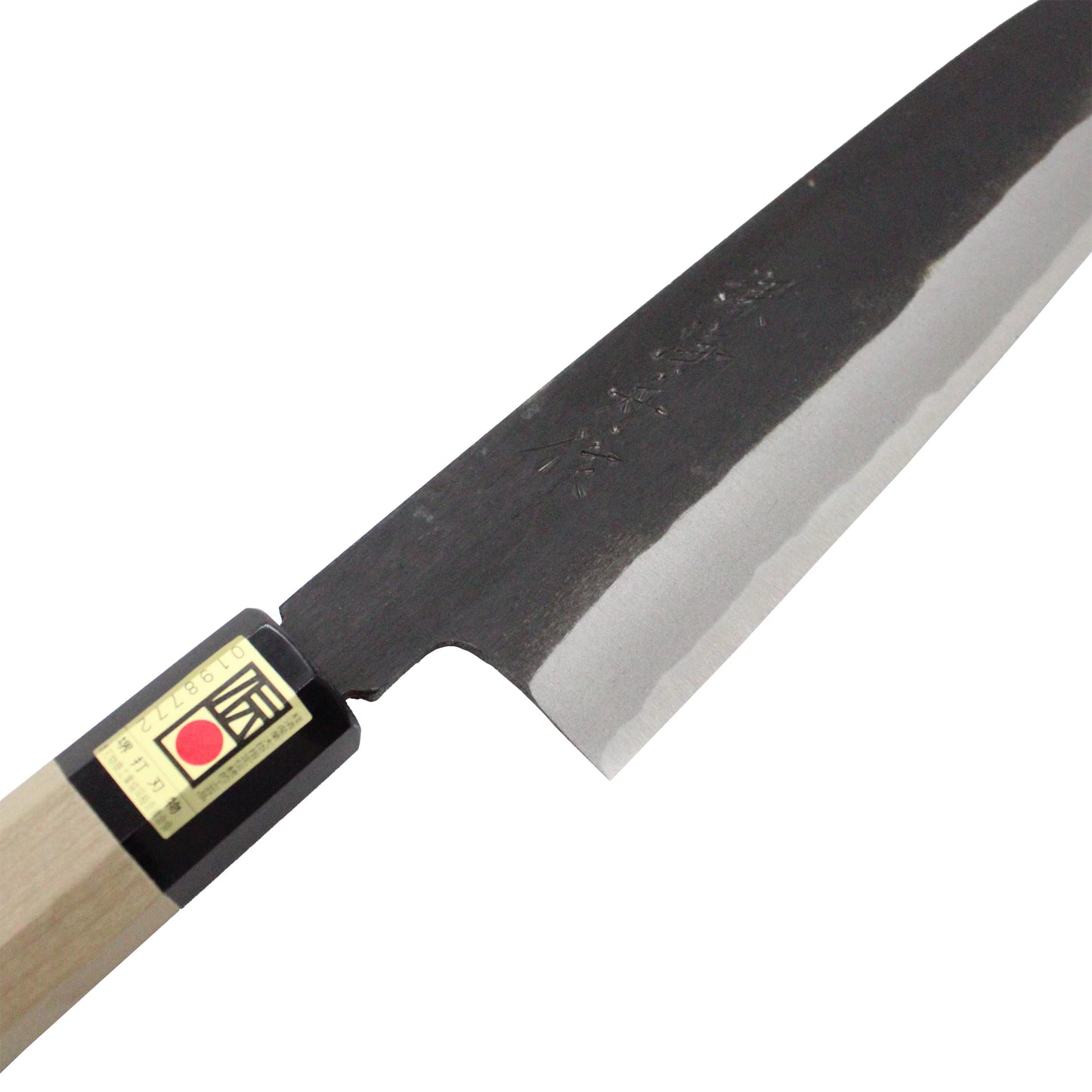
Sakai in Osaka has been the home of Japanese blade-making for more than 600 years. First, it was for samurai swords, and now it is for the Japanese kitchen knives prized by chefs across the UK. Each blade in our collection passes through the same Sakai workshop tradition, where every stage is handled by a different specialist: forging, shaping, sharpening and finishing.
Our Japanese knives are shaped and sharpened by Tahara Shunichi, recognised by the Japanese government and the Osaka Prefecture as a Master of Traditional Crafts. He works alone, using an ox-bone grinder powered by belt-driven motors his grandfather would still recognise. The Tahara family have been at this for more than a hundred years, and it shows in the finish. There's real balance, real weight and an edge that stays sharp through a full evening of prep.
You can feel that care the moment you pick one up. The handle settles into the palm, the spine rests cleanly under your finger, and the cut starts almost before you've decided to move. Treated well (wiped dry after use, kept off the dishwasher rack, honed on a whetstone every so often), a blade like this will outlast every other tool in your kitchen.
Choosing the right Japanese knife for the job
Different cuts call for different blades. Our range covers the shapes a home cook or chef is most likely to reach for, each ground for a specific task.
The gyuto is the all-rounder. It is a Japanese chef's knife with a gently curved belly for rocking through onions, herbs and meat. It's the closest equivalent to a European chef knife, and a good starting point if you're new to Japanese chef knives in the UK. The santoku is shorter and flatter, named for its three virtues: meat, fish and vegetables.
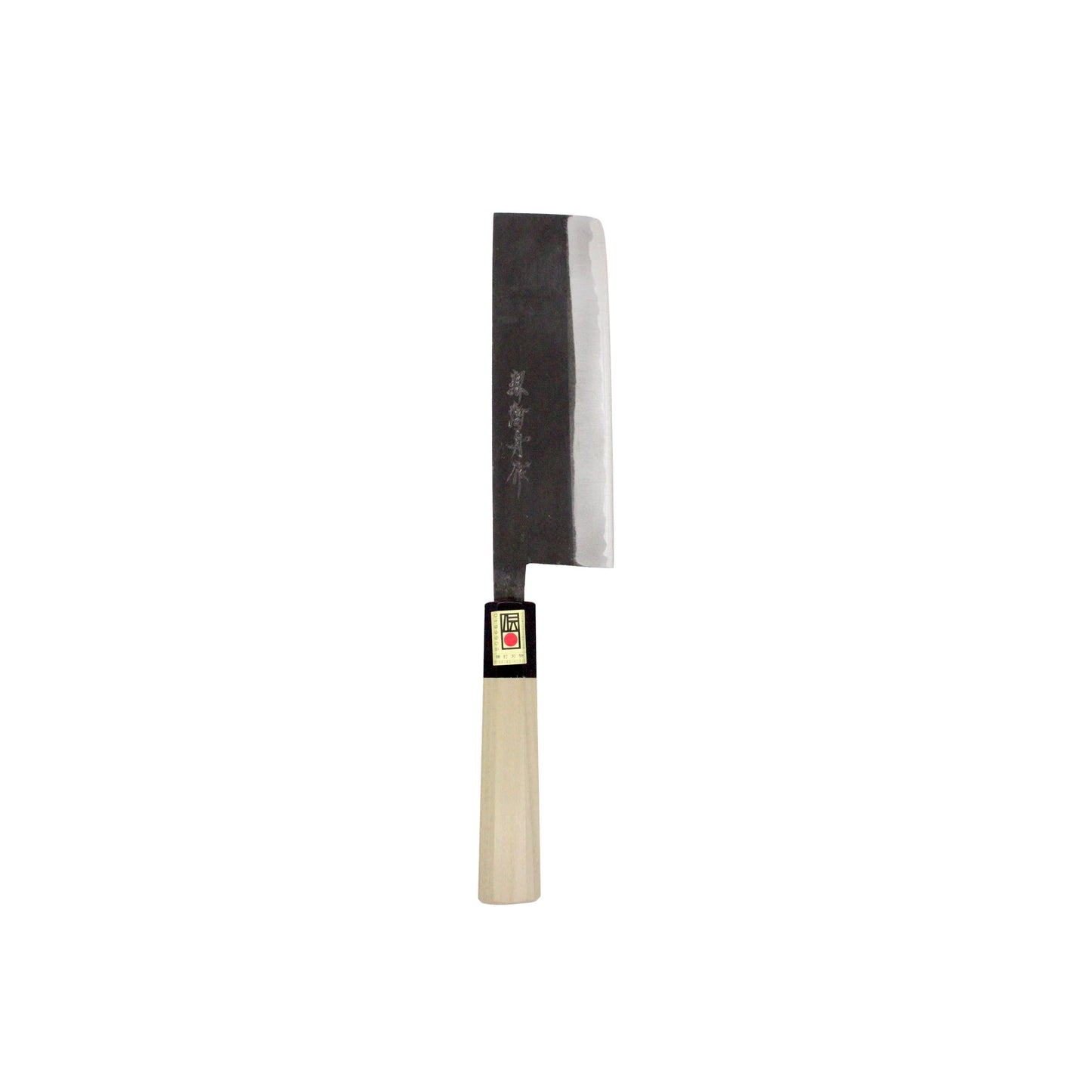
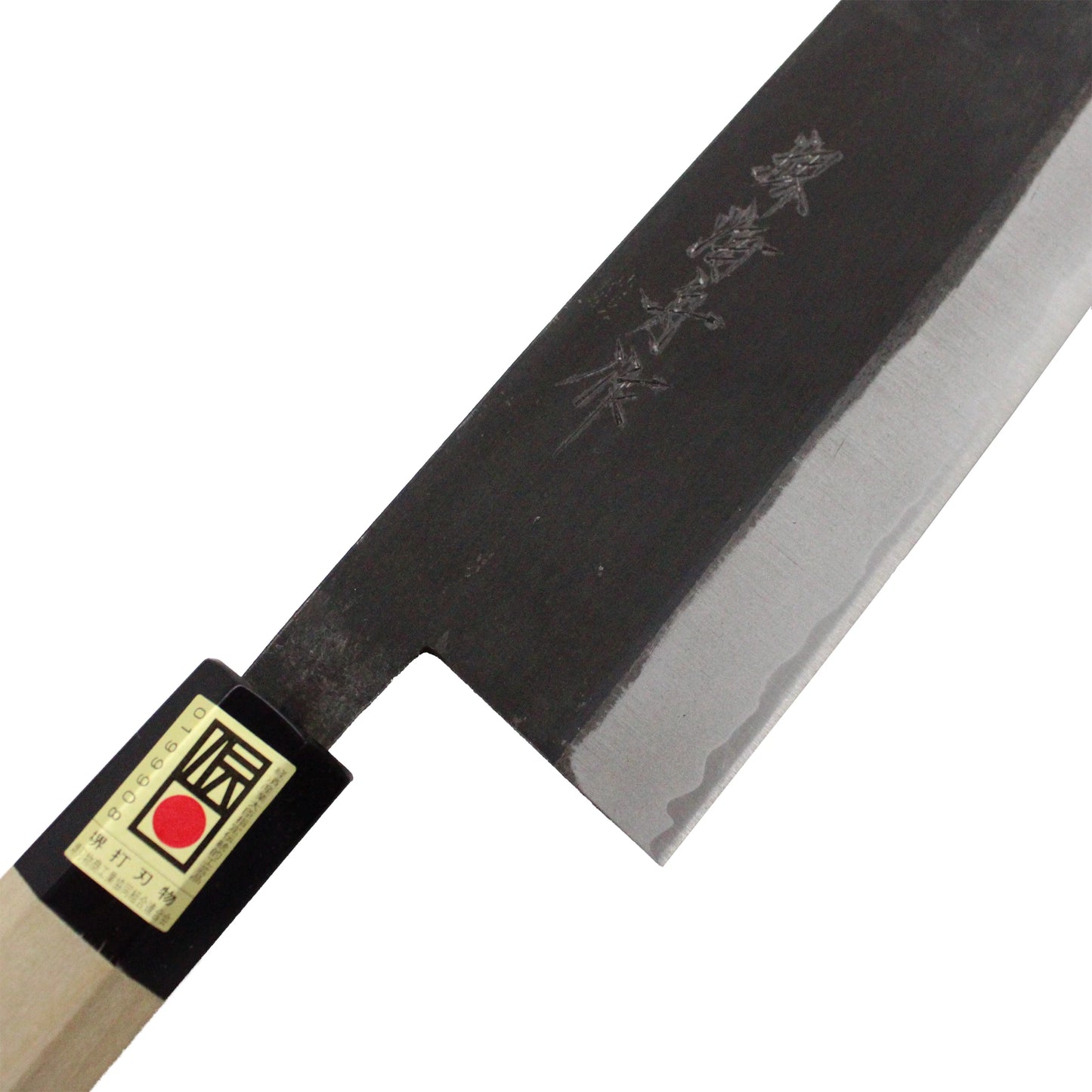
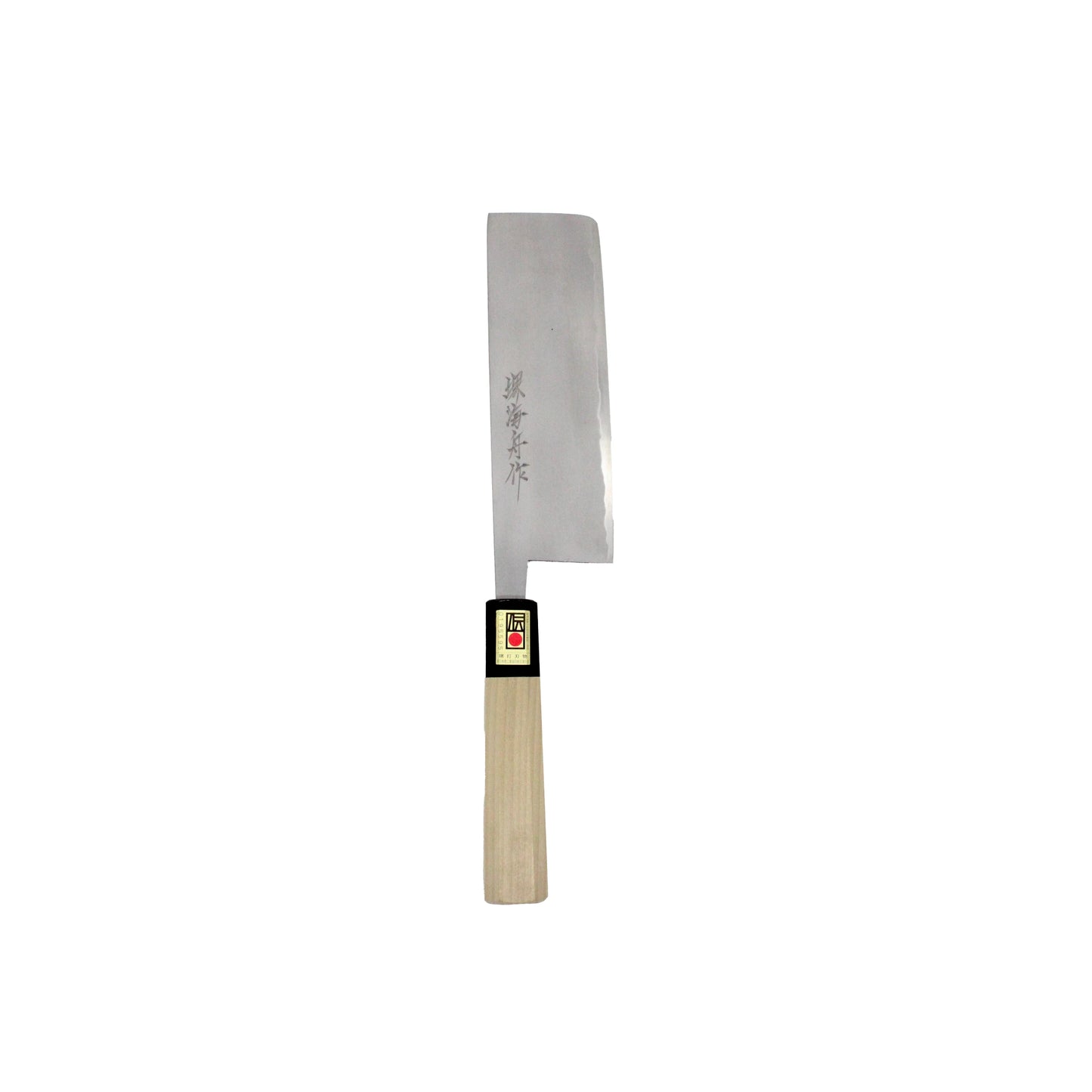
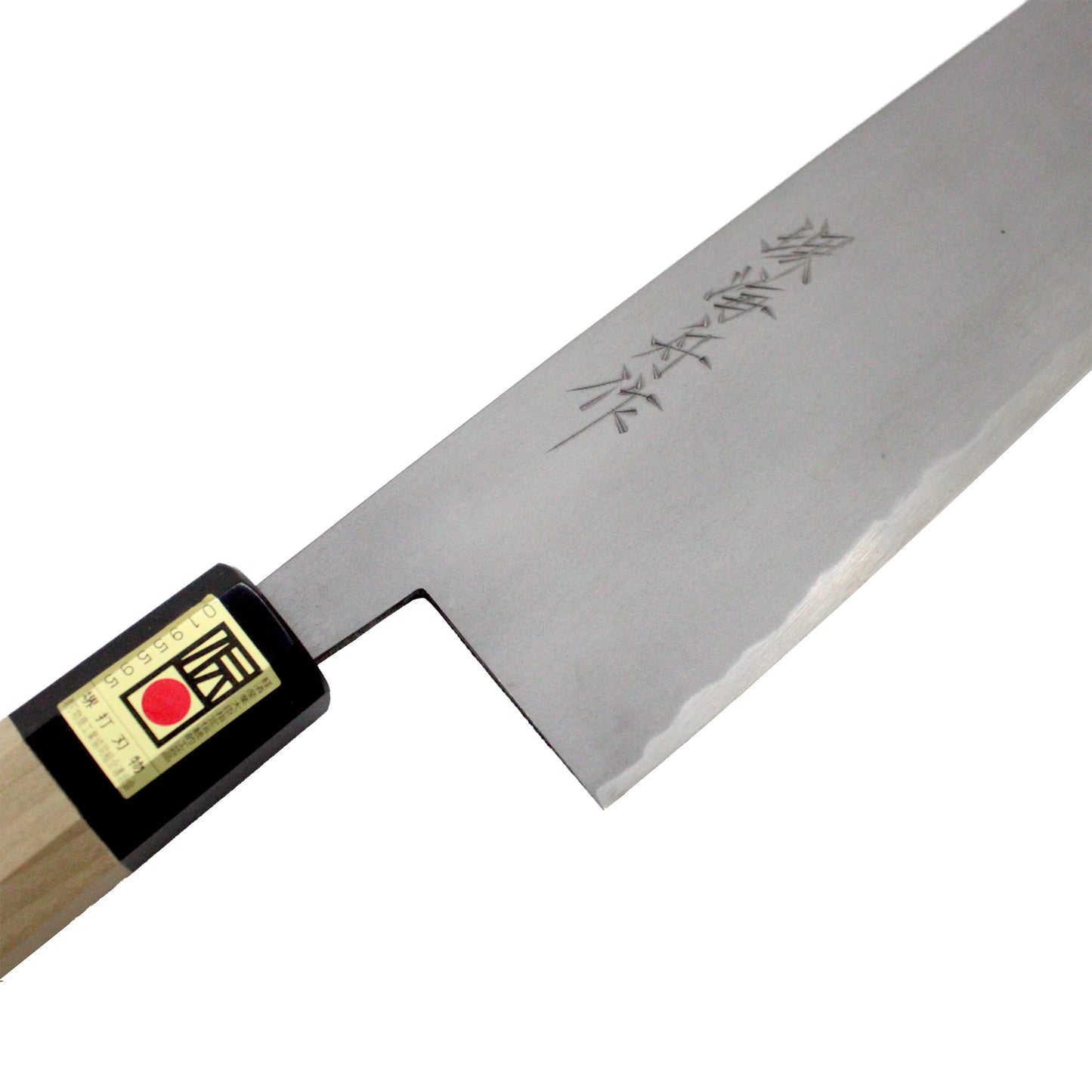
For dedicated vegetable prep, the nakiri is the shape to know. Tall, flat and rectangular, it drops straight down through a daikon or a head of cabbage in clean, parallel slices. This is a proper Japanese vegetable knife, with none of the wedging you get from a curved Western blade.
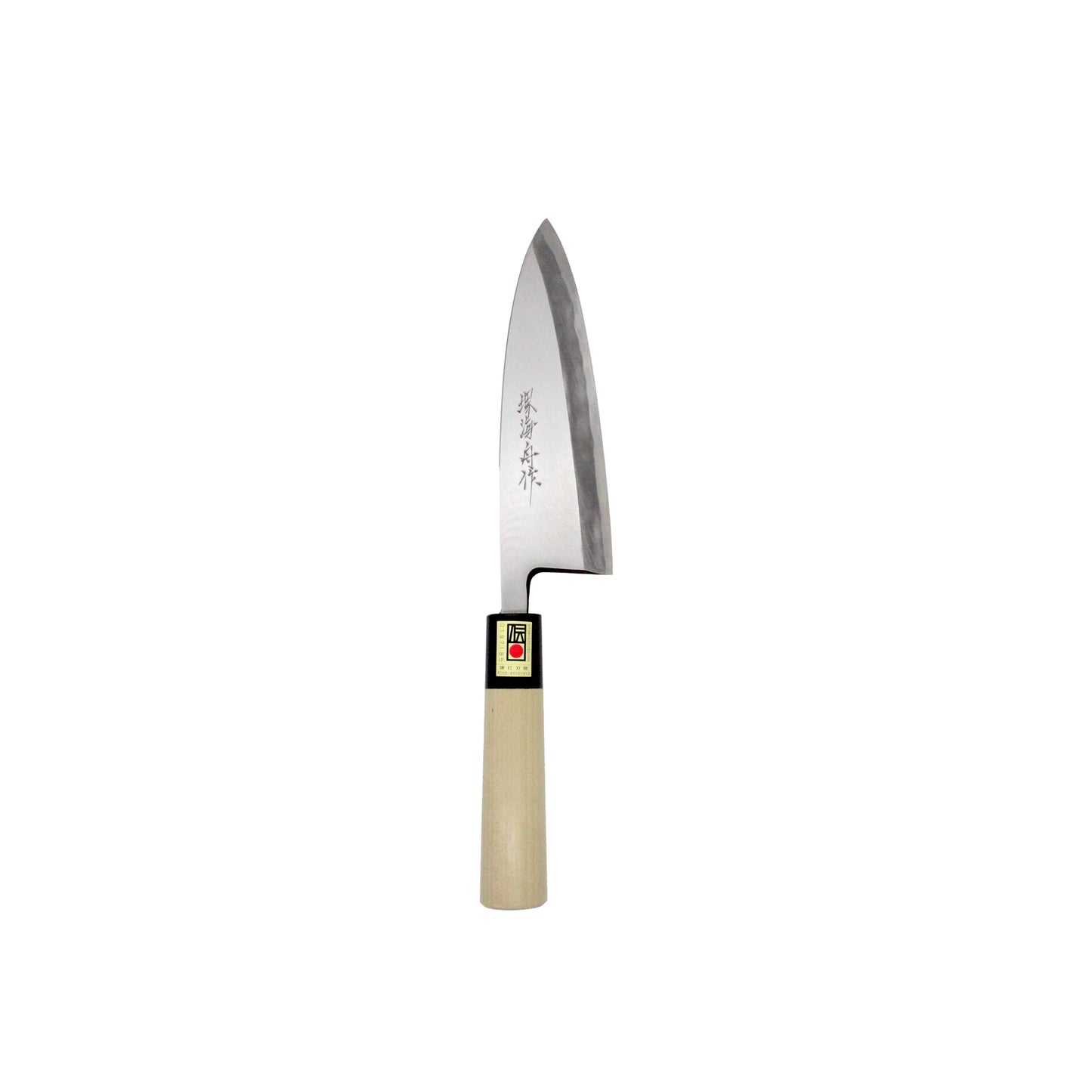
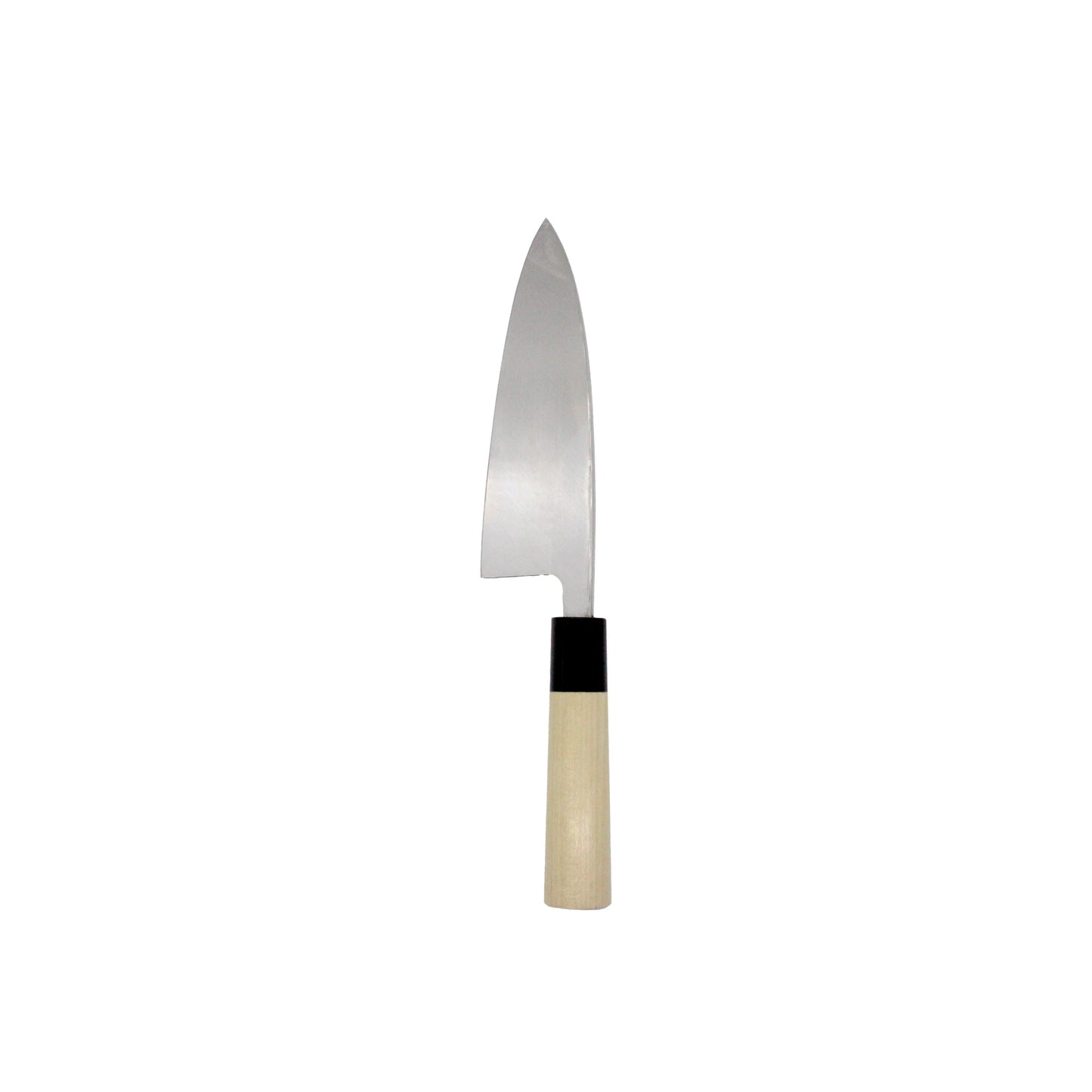
The petty is the smallest in the range. It's the Japanese paring knife equivalent, sized for trimming, peeling and detail work a bigger blade can't reach. Beyond that, the yanagiba is the long, single-bevelled slicer built for sashimi (one steady pull, no sawing), and the deba is heavier still, weighted at the heel for filleting whole fish and breaking through small bones.
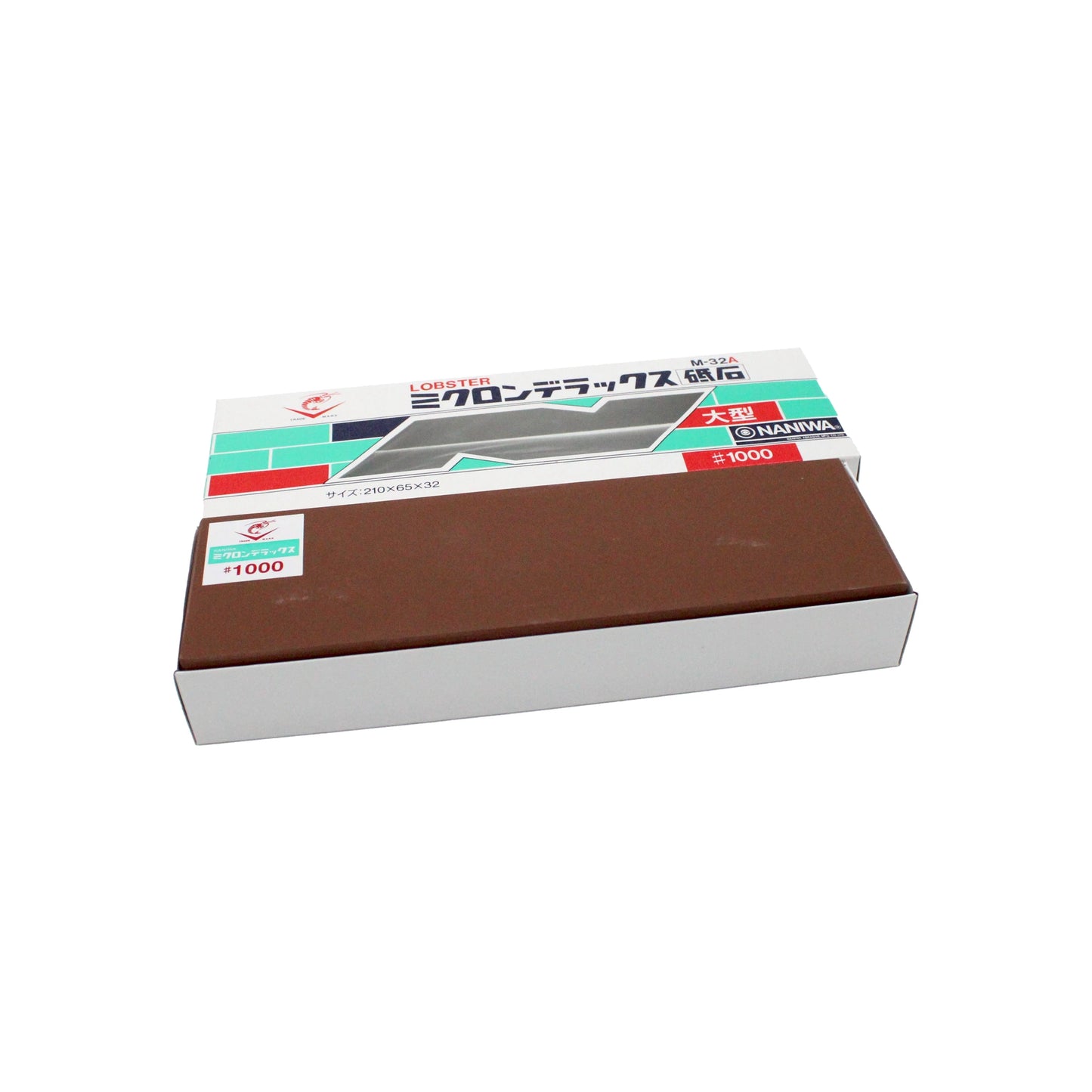
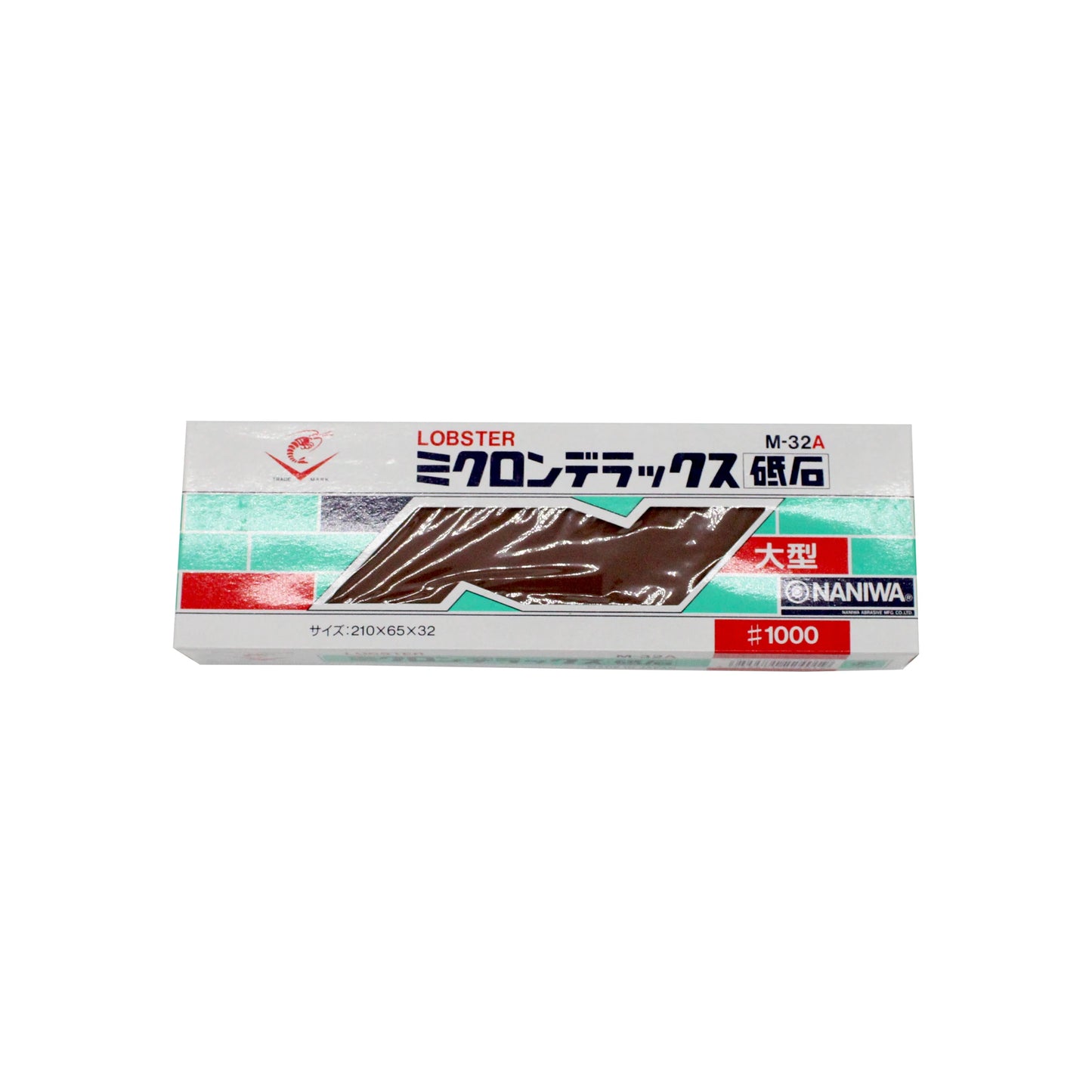
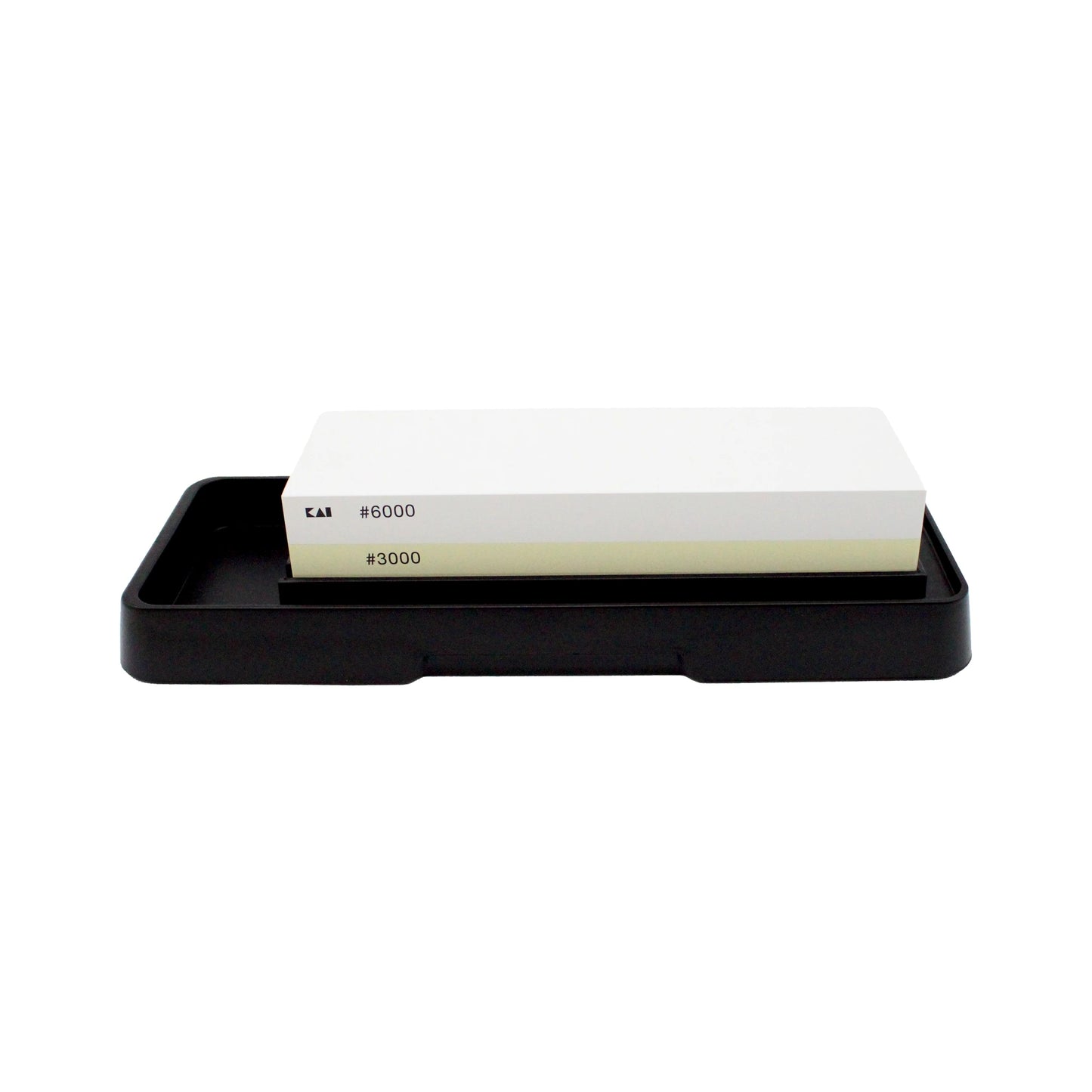
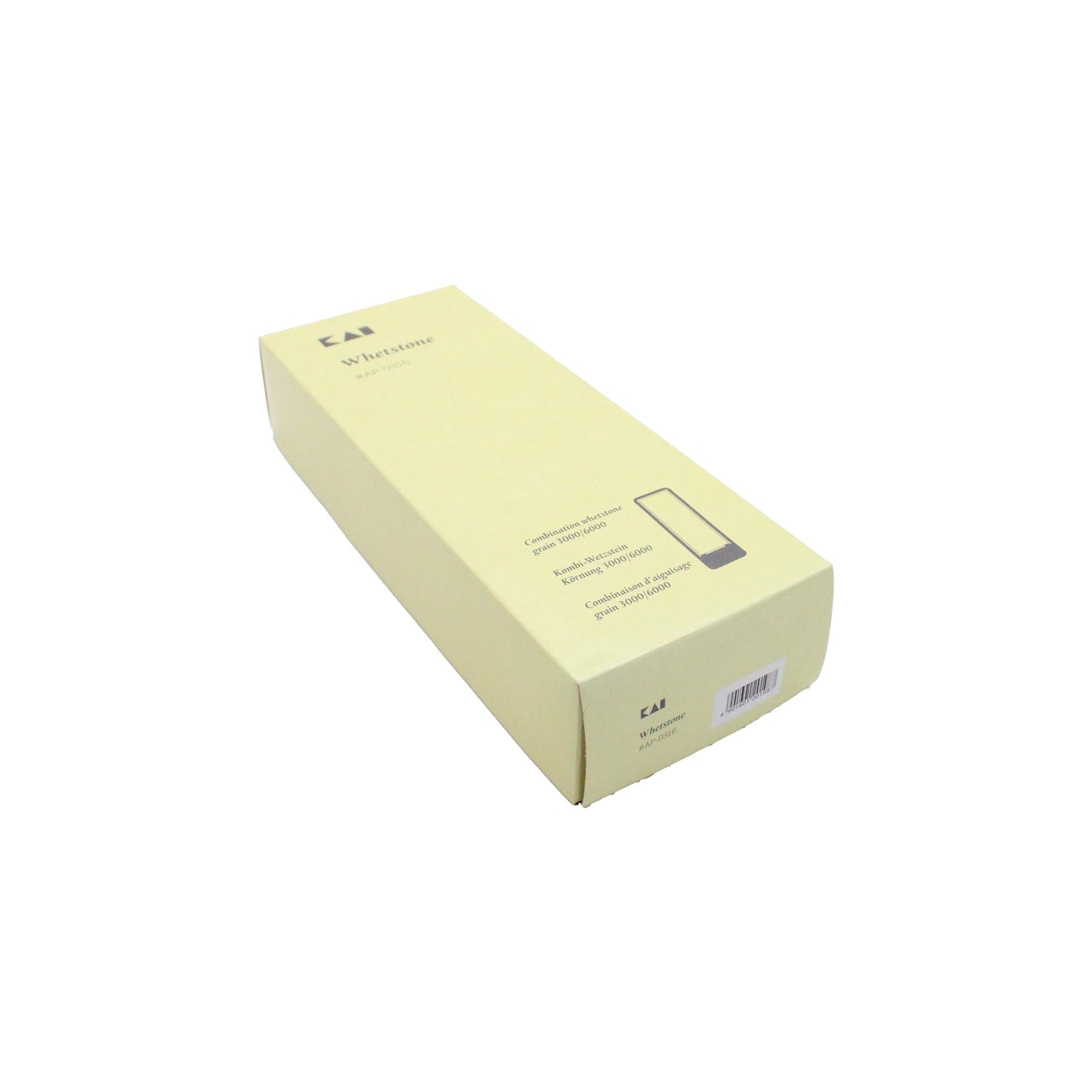
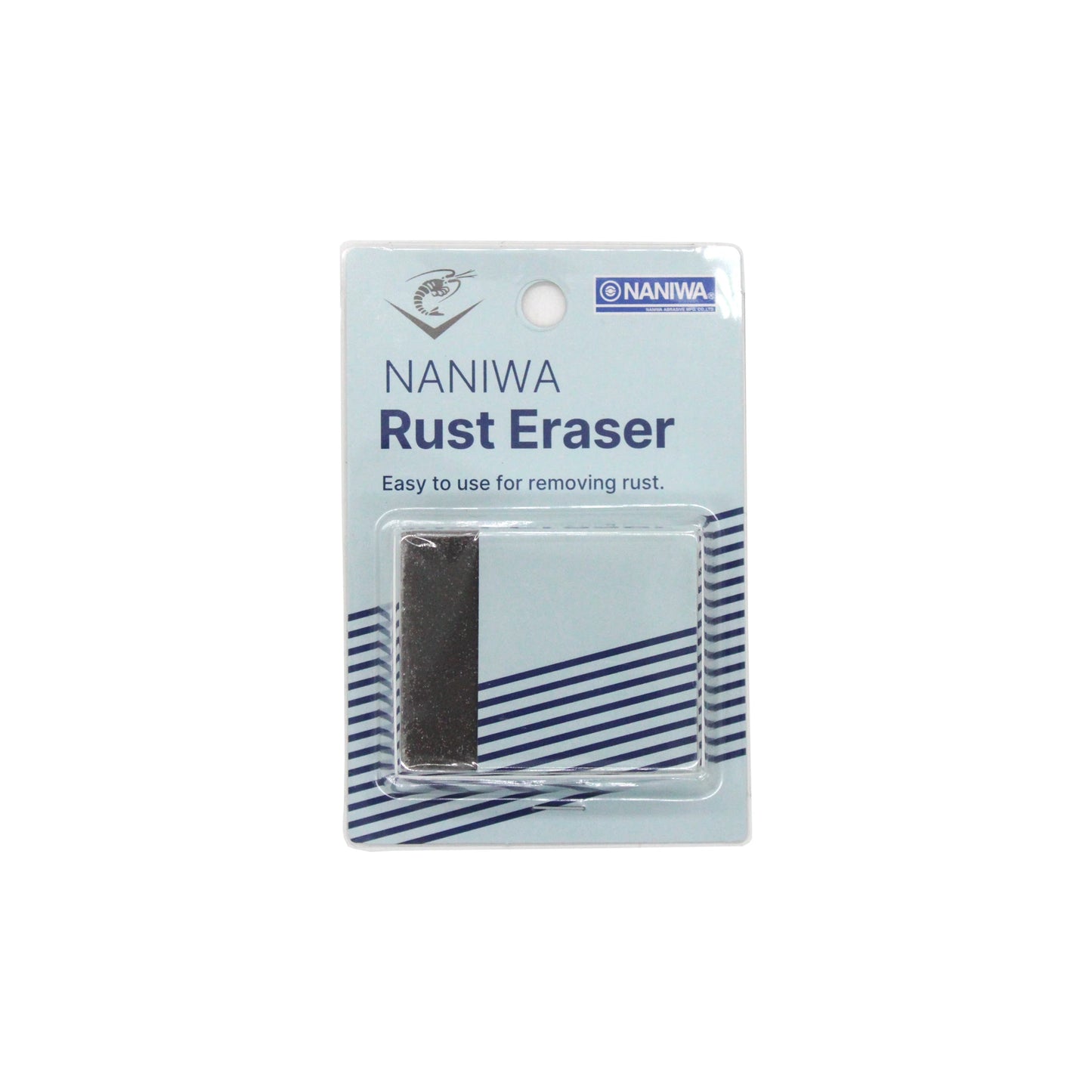
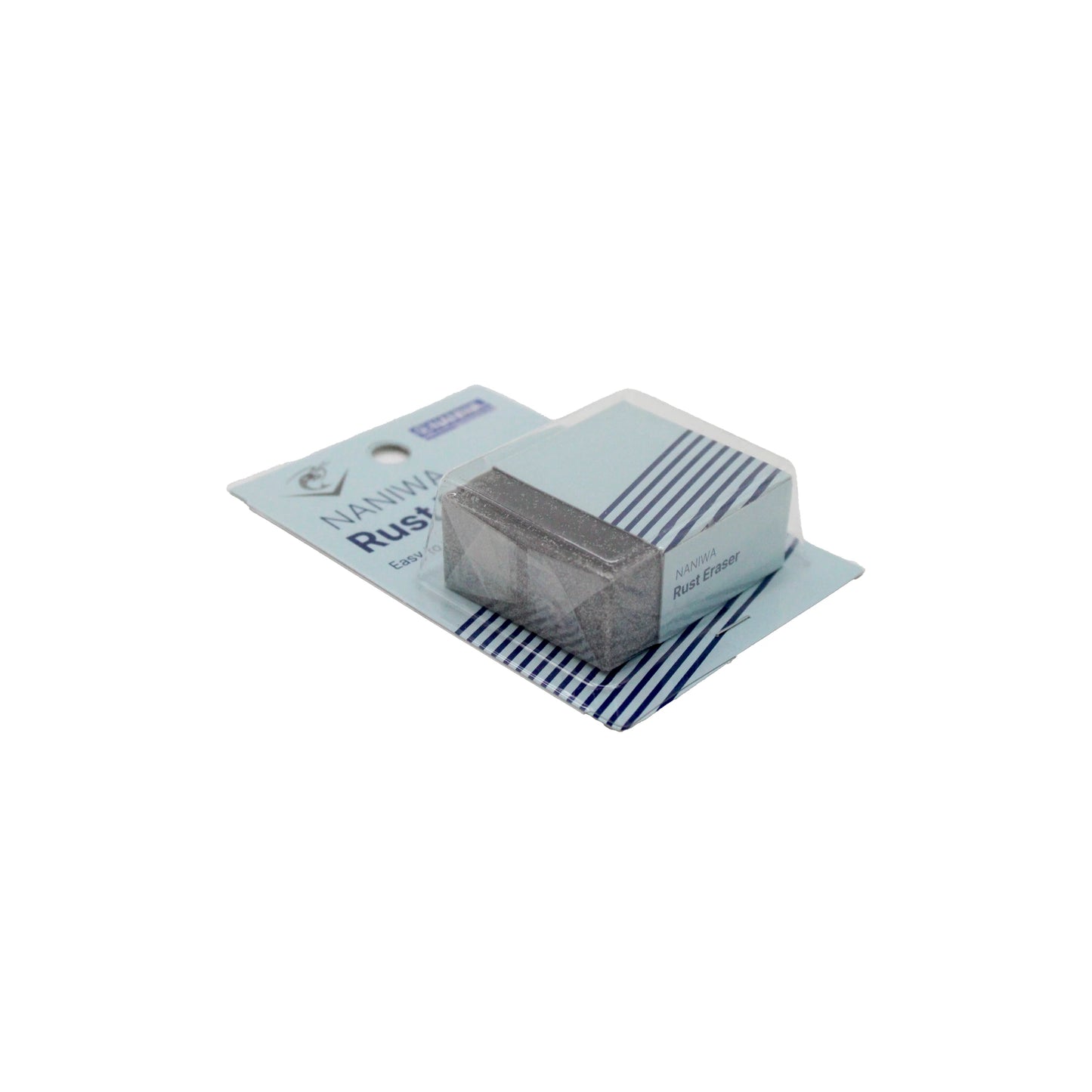
To keep any of these performing, pair them with a whetstone and the occasional rust eraser. Both are stocked here, and both are used in Tahara Shunichi's workshop.
How to sharpen your Japanese knife


Award Winning


Sustainable


Growers


Free Delivery
You might also like...

Get inspired with some recipes


New Potatoes with Fresh Wasabi Butter
A simple seasonal side that turns humble new potatoes into something elegant and memorable.


Grilled Mackerel with Mikan Ponzu
A classic combination that lets the rich flavour of mackerel shine.


Black Sesame Bread Recipe
Nutty, hearty and deeply aromatic, this wholemeal black sesame loaf brings a subtle roasted depth to a classic everyday bread.

New Potatoes with Fresh Wasabi Butter
A simple seasonal side that turns humble new potatoes into something elegant and memorable.

Grilled Mackerel with Mikan Ponzu
A classic combination that lets the rich flavour of mackerel shine.

Black Sesame Bread Recipe
Nutty, hearty and deeply aromatic, this wholemeal black sesame loaf brings a subtle roasted depth to a classic everyday bread.