



Dashi & Katsuobushi










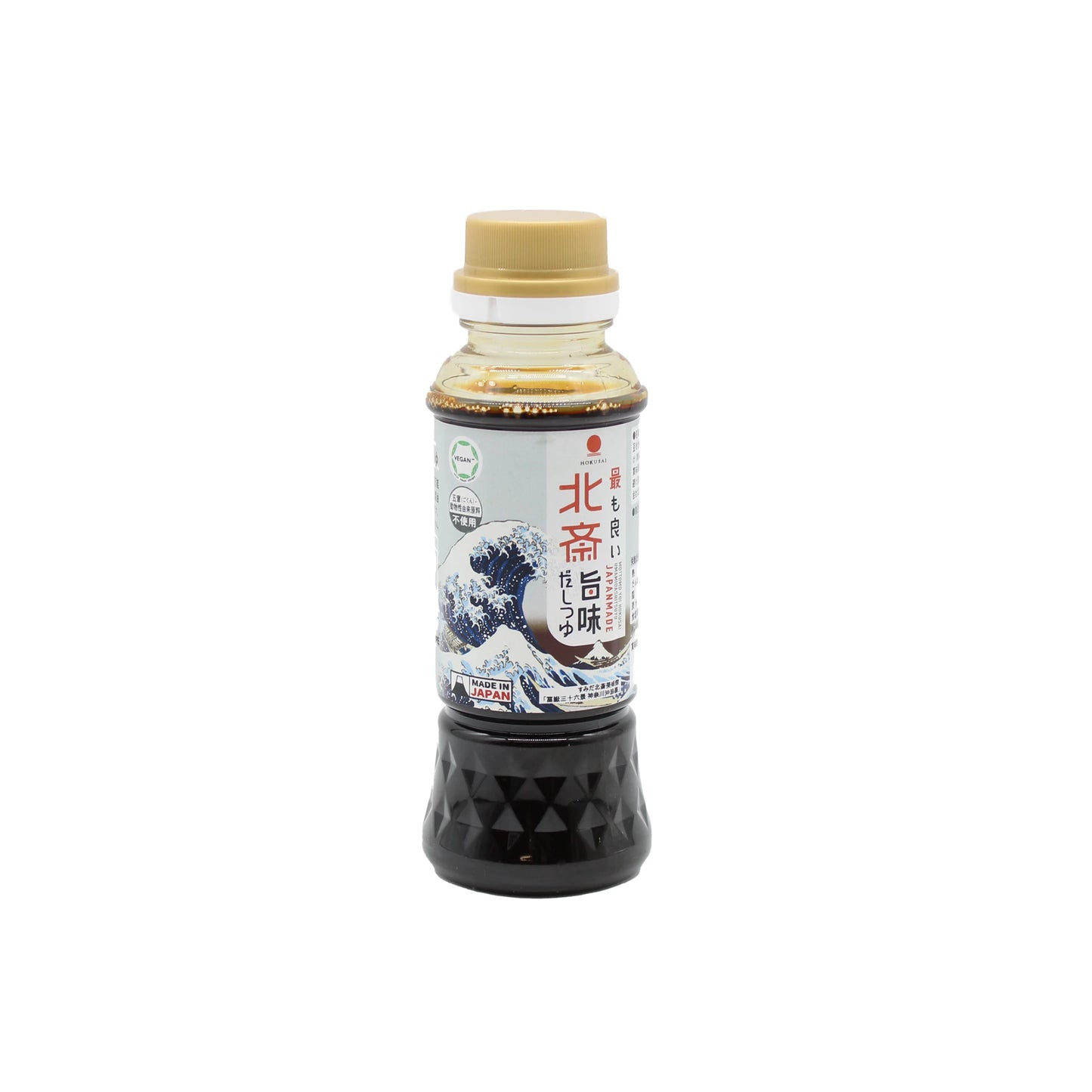

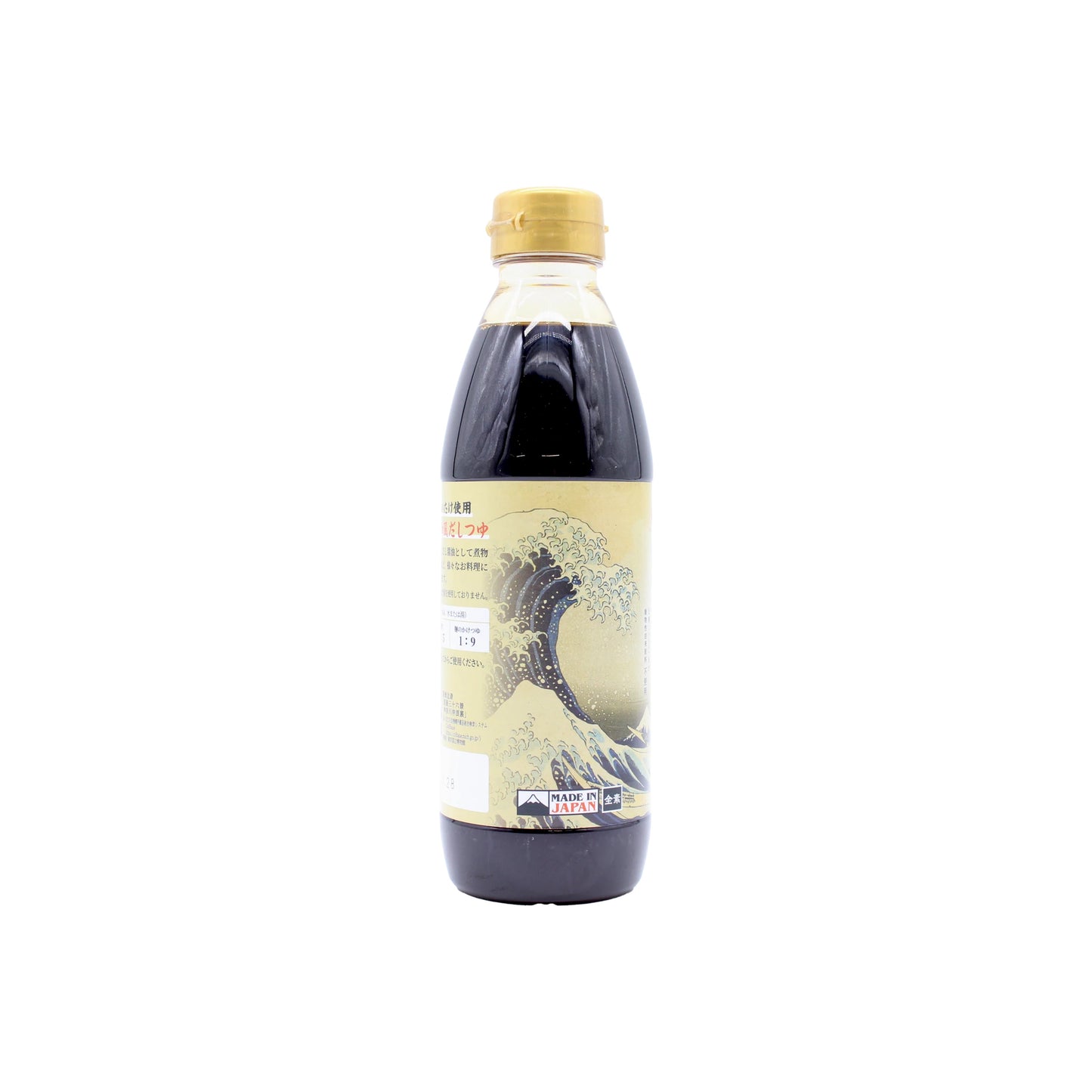

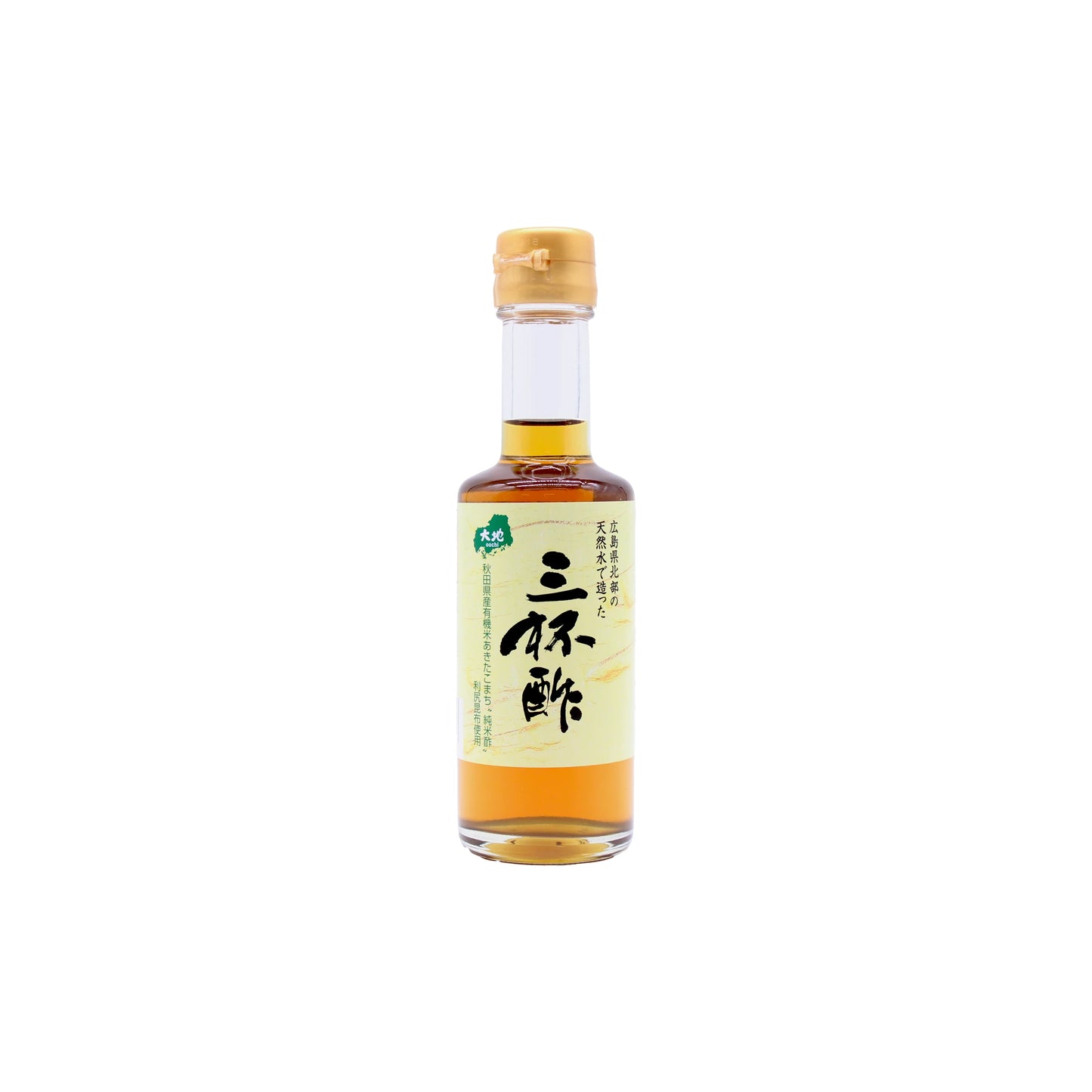

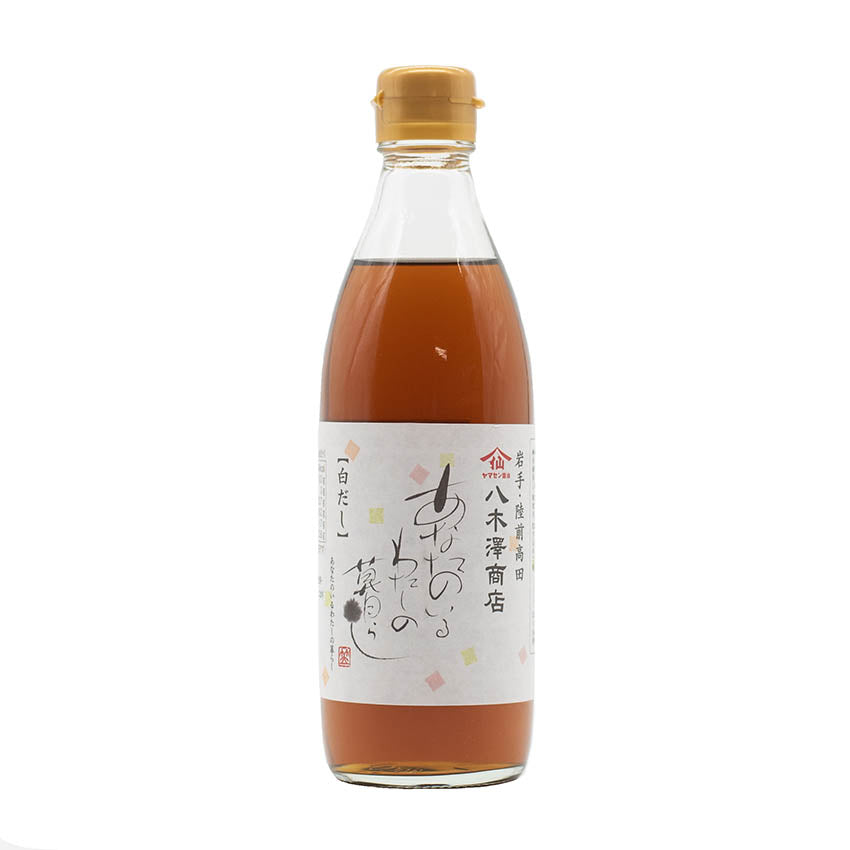







What makes a good dashi stock
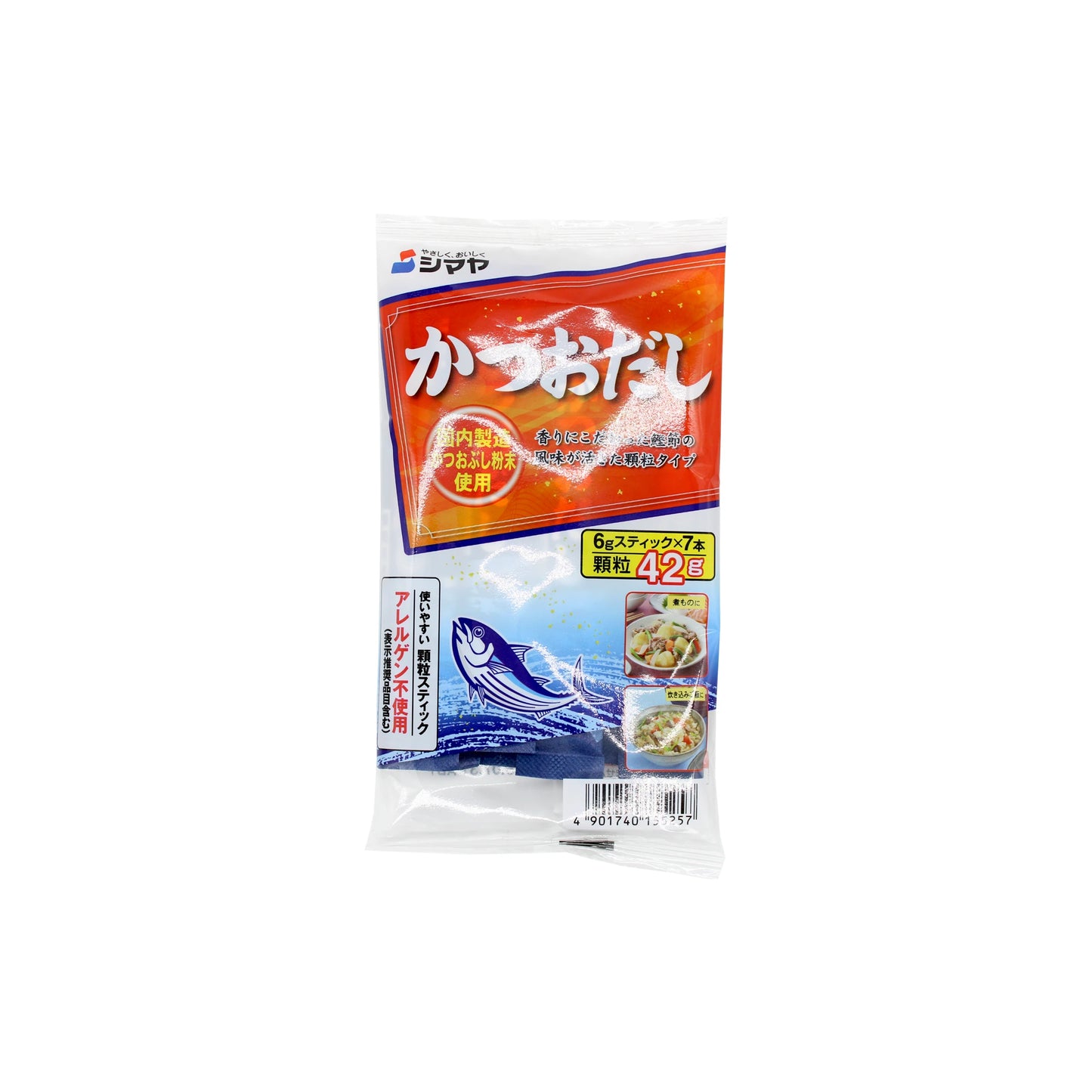
Traditional dashi starts with two ingredients: kombu seaweed and katsuobushi. Kombu is a thick, dark kelp harvested off the coast of Hokkaido. It releases glutamate as it soaks, giving the broth a deep, rounded savouriness. Katsuobushi adds inosinic acid, which multiplies that umami when the two meet. The result is a stock that tastes fuller than either ingredient alone. That synergy is what separates real dashi from a generic stock cube.
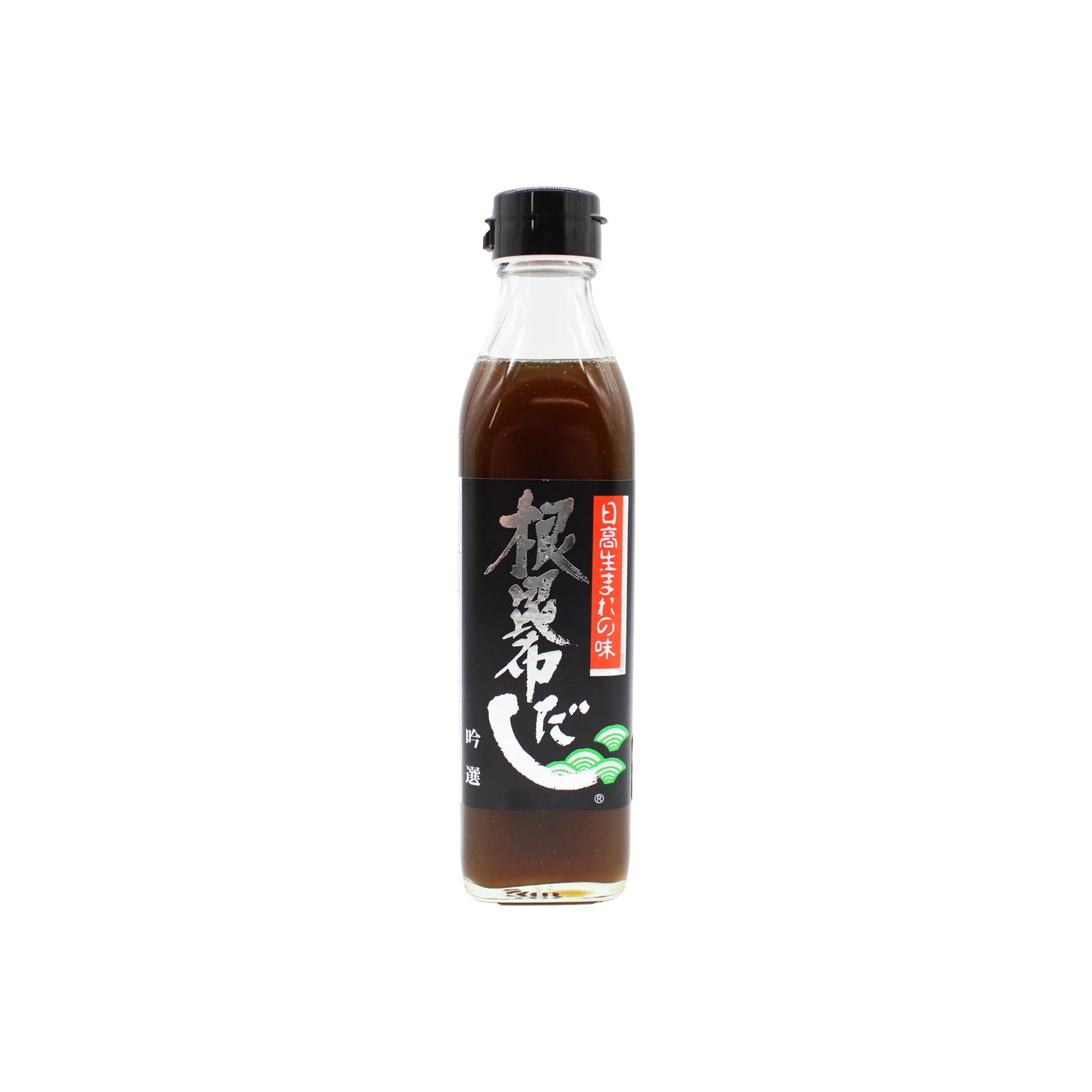
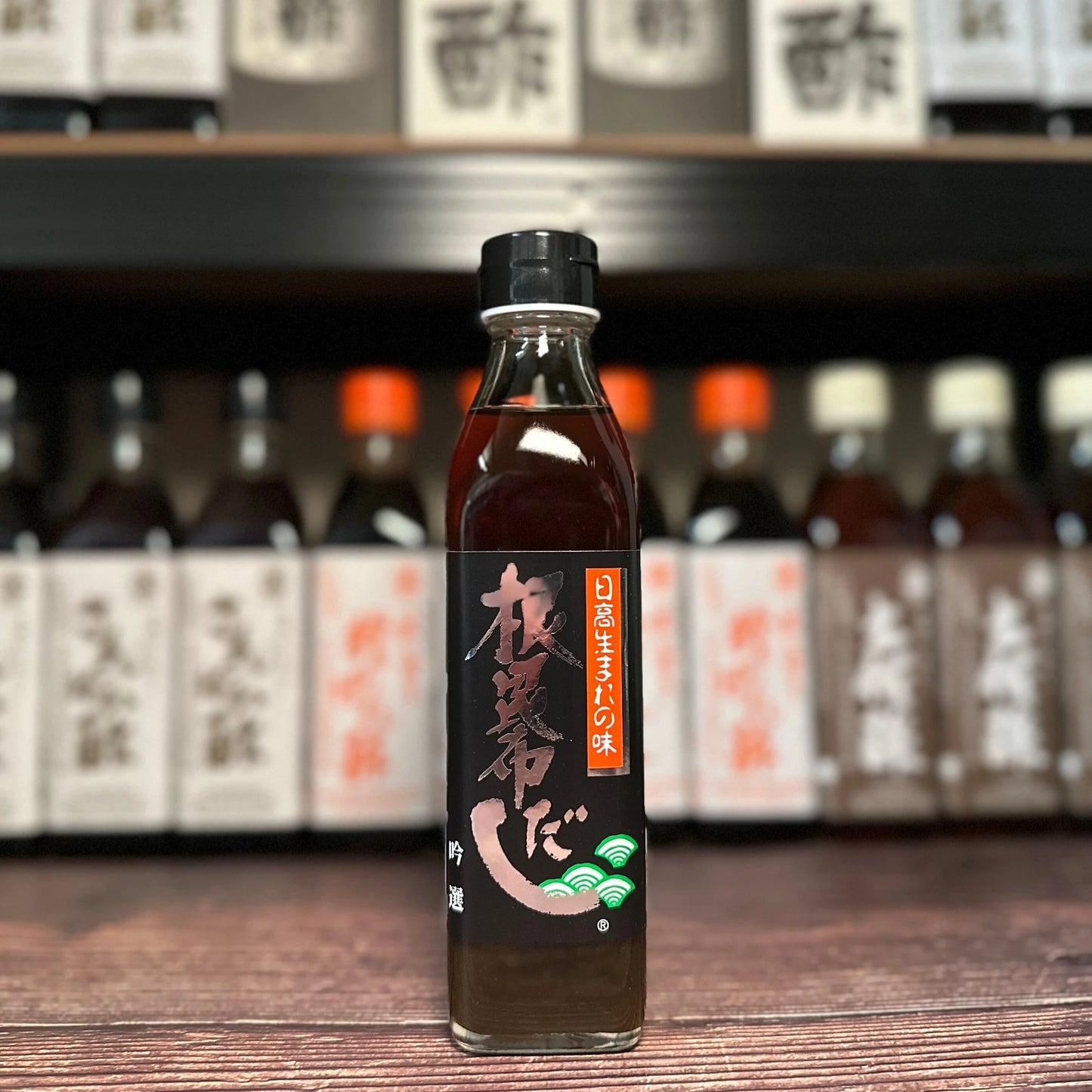
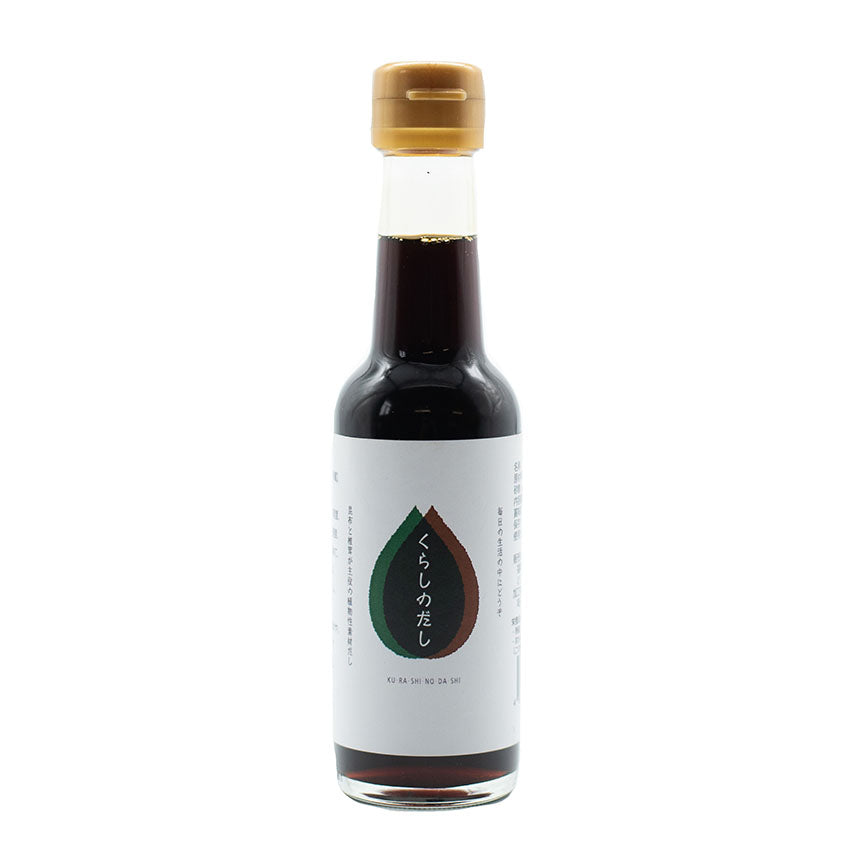
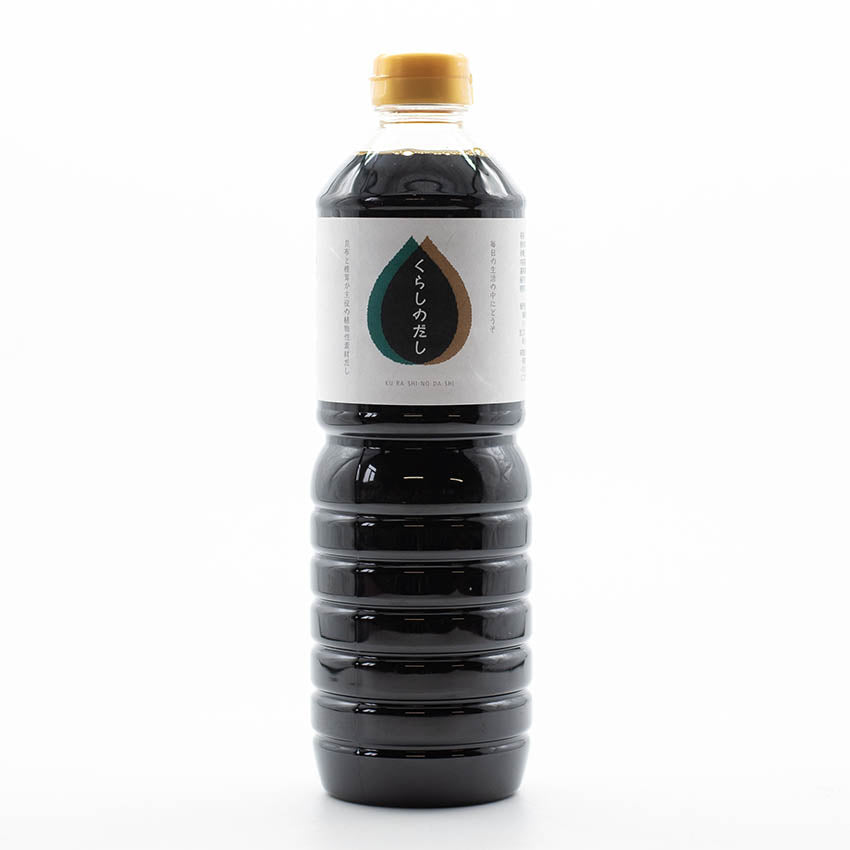
The concentrated liquid dashi in our collection uses the same principle. The kombu and bonito are steeped and reduced in Japan, then bottled so you can dilute with hot water at home or add some directly to your dish when cooking. What reaches your bowl still carries that characteristic warmth: slightly smoky, a little bit briny, with a lingering savouriness that coats the palate. It's the flavour that sits underneath a bowl of miso soup or a pan of simmered kabocha.
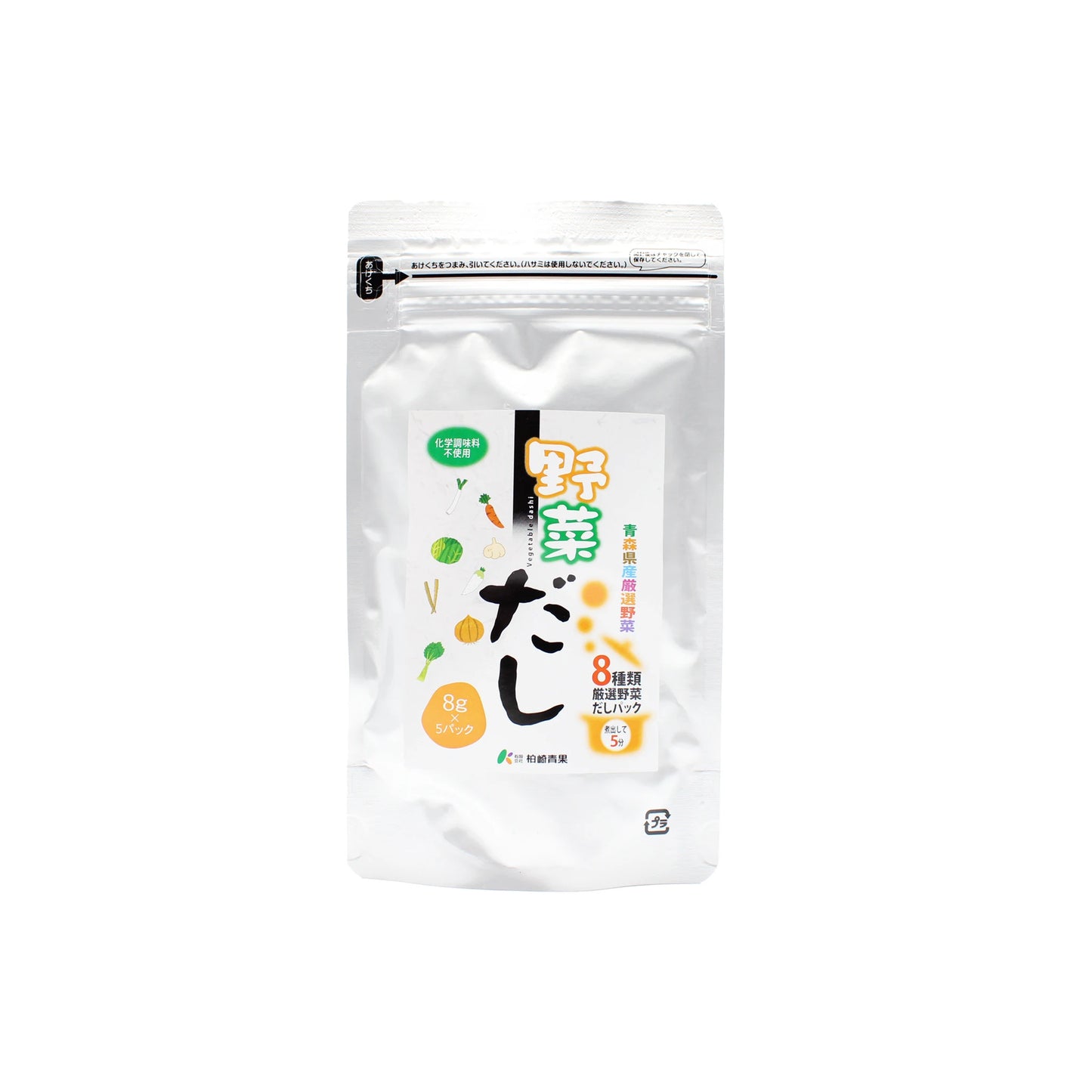
If you prefer to skip animal products, our shiitake mushroom dashi delivers equal depth. Dried shiitake are high in guanylate, which is another umami compound. The resulting stock has an earthy, almost woodsy richness that works particularly well in vegetable-based noodle broths and hot pots.
How to use dashi and katsuobushi in your kitchen
A bottle of concentrated dashi stock simplifies dishes that would otherwise need hours of preparation. Dilute it according to the ratio on the label and you've got a base for miso soup in minutes. Stir it into a simmering pot of udon or pour it over chilled soba noodles as a dipping broth. A splash added to a sauce or gravy, even a Western one, gives a savoury roundness you can taste but can't quite place.
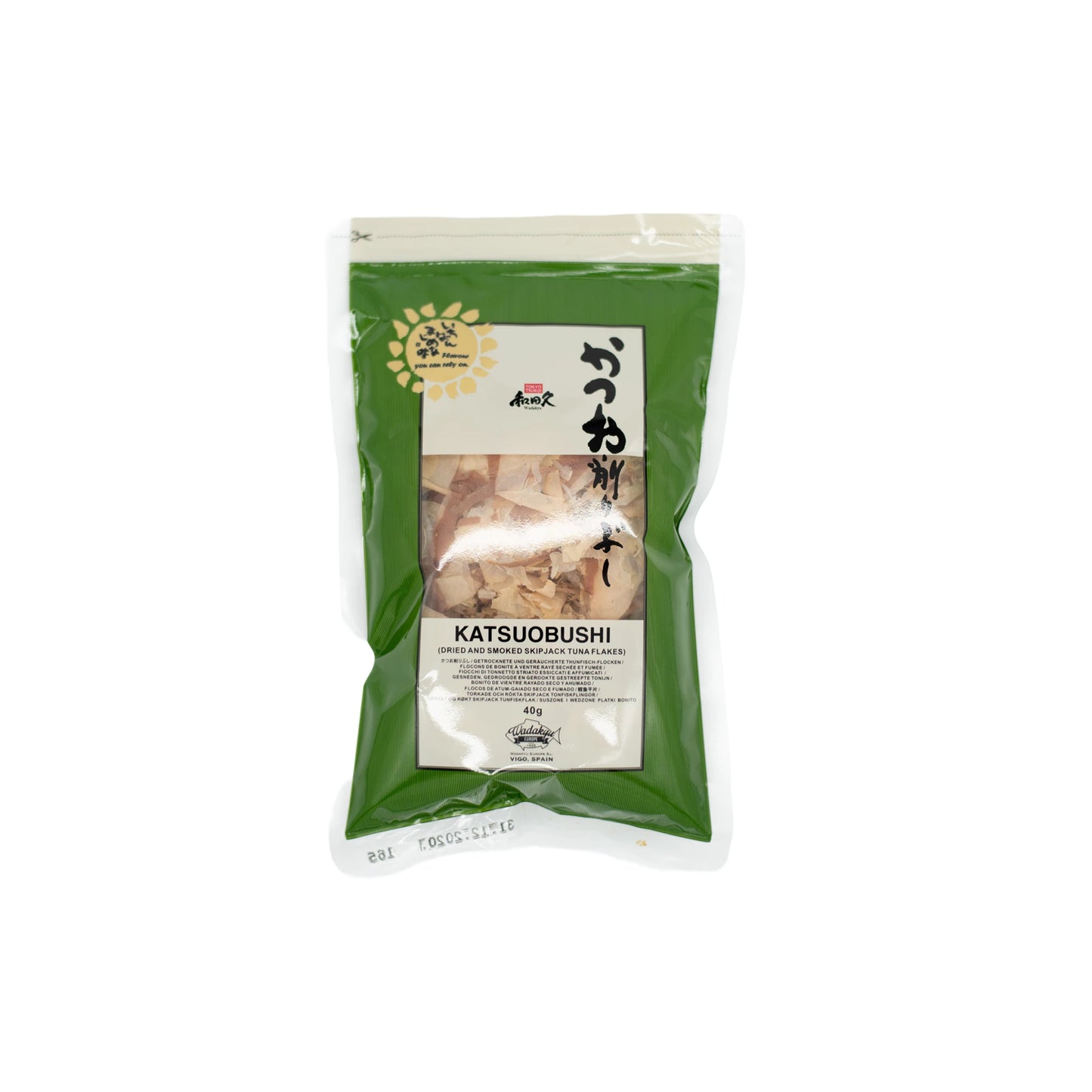
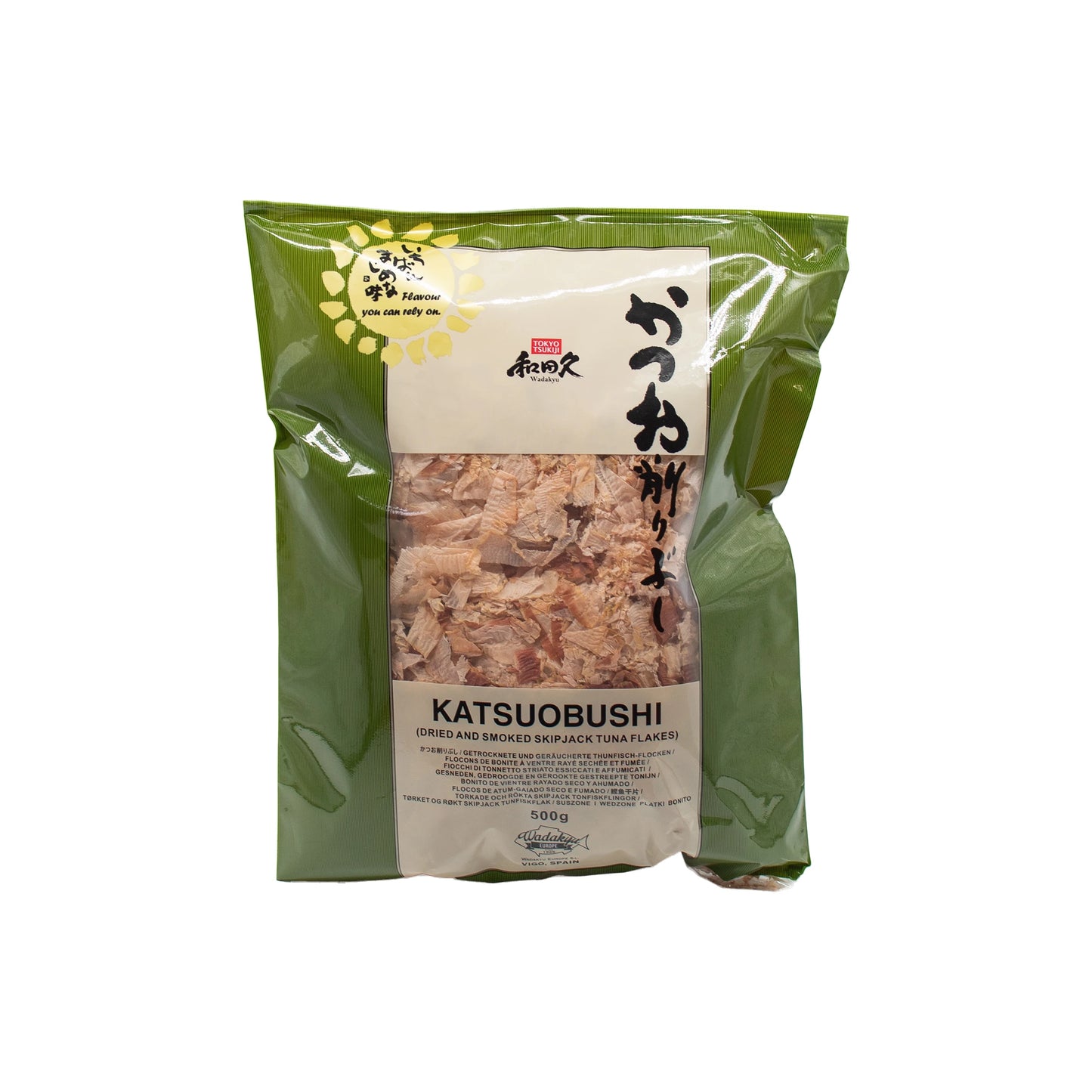
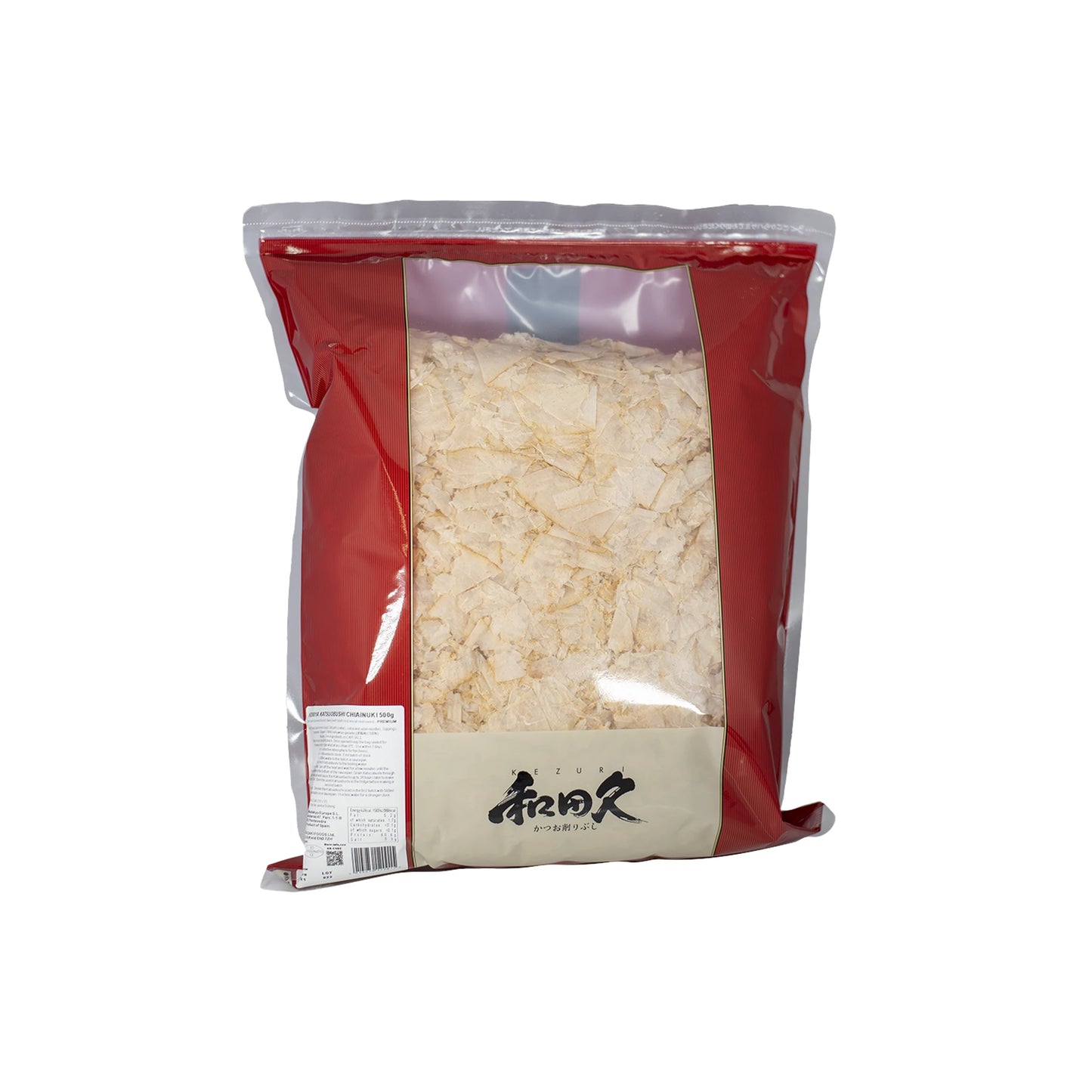
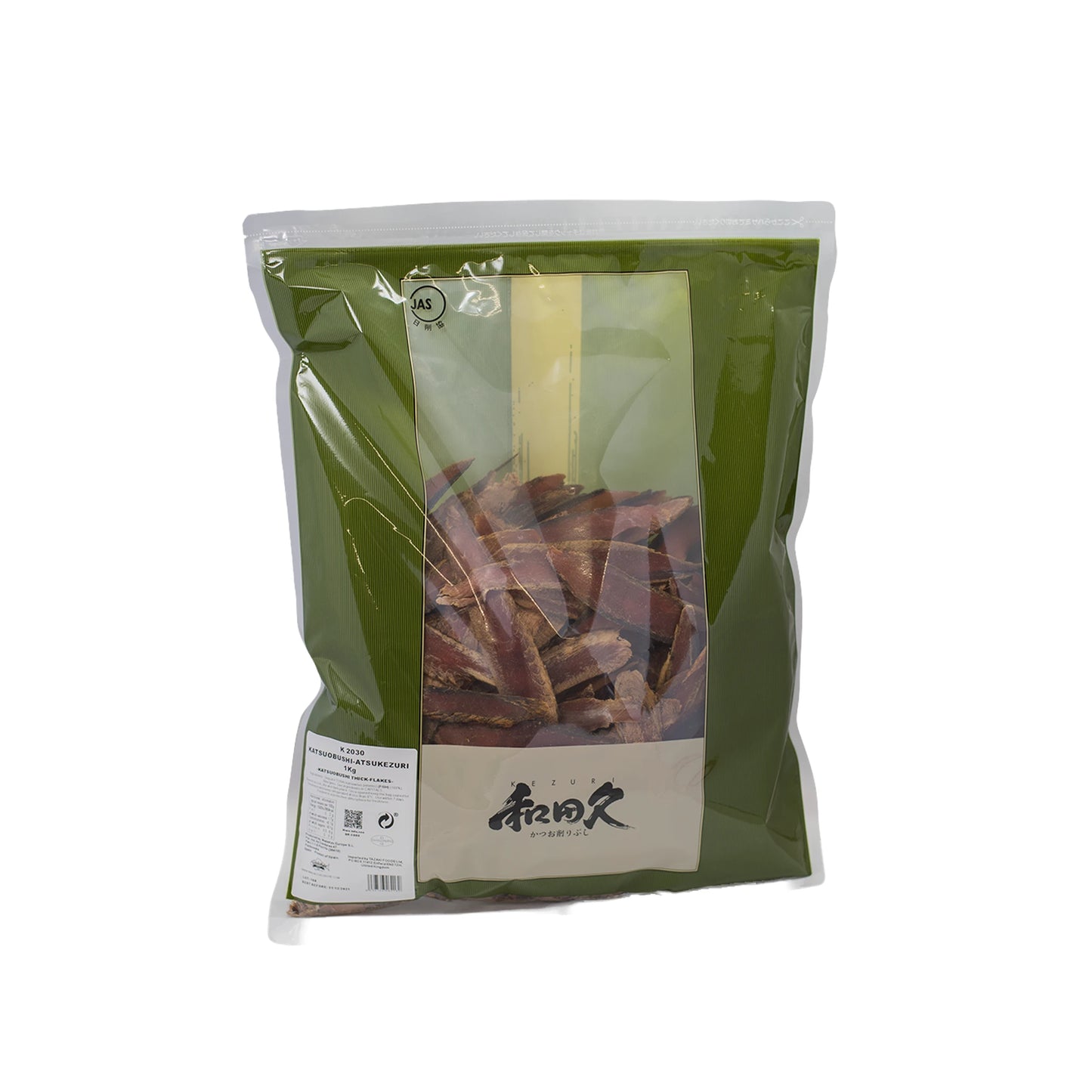
Katsuobushi (dried bonito flakes) has a different role. These paper-thin bonito flakes are shaved from blocks of skipjack tuna that have been smoked, dried and sometimes fermented over months. Drop a handful into hot water for a quick dashi, or scatter them over takoyaki, okonomiyaki or a simple bowl of rice. They're known for their gentle dance when placed on hot food, because the heat curls the flakes as they release their smoky, slightly sweet scent.
If you're pairing dashi with other Japanese staples, try it alongside our miso pastes for a proper miso soup, or with our kombu seaweed and a handful of bonito flakes for a from-scratch ichiban dashi. It also works well as a cooking liquid for our udon and soba noodles, and you'll find more ideas in our soup ingredients collection.


Award Winning


Sustainable


Growers


Free Delivery
You might also like...


Get inspired with some recipes


Easy Kabocha Squash Soup Recipe
This silky smooth, kabocha soup recipe is rich, creamy and highlights the natural sweetness of kabocha squash. It's autumn comfort in...


Chicken Zosui (Japanese Rice Soup) Recipe
This Ultimate Chicken Zosui recipe is a comforting rice soup made with tender chicken thighs and fresh vegetables served in...


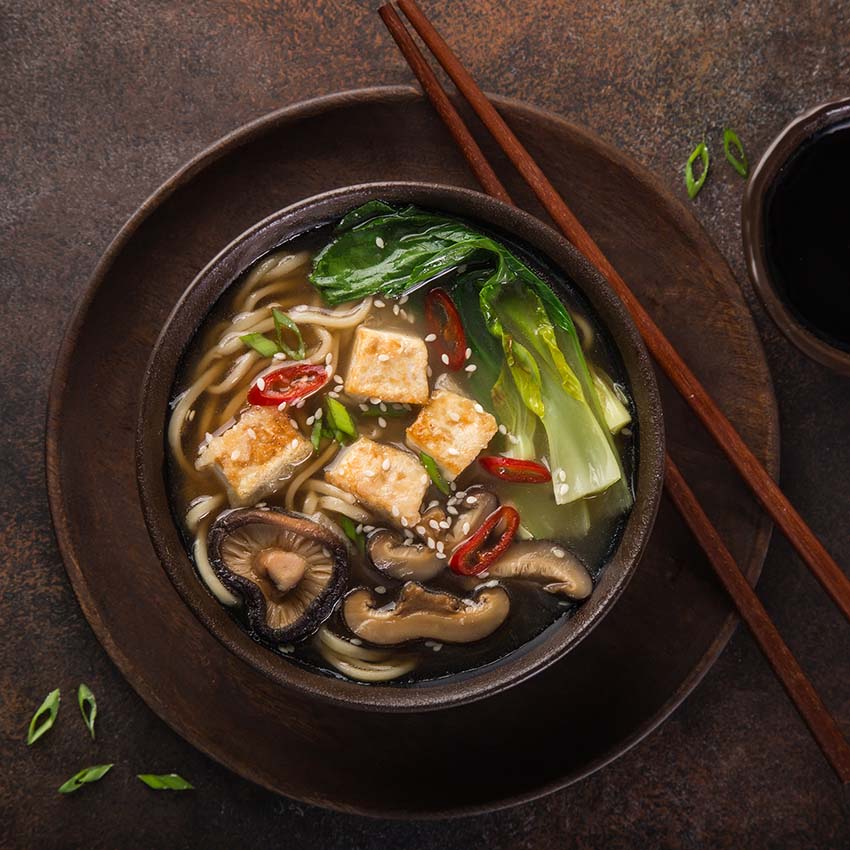
Creamy Vegetarian Miso Ramen with Soy & Dashi Recipe
Enjoy this quick to make, creamy vegetarian miso ramen with soy and dashi broth.


Black Sesame Bread Recipe
Nutty, hearty and deeply aromatic, this wholemeal black sesame loaf brings a subtle roasted depth to a classic everyday bread.


Black Sesame Ice Cream Recipe
Make your own rich, creamy and nutty black sesame ice cream at home with just a handful of simple ingredients, no ice cream machine required!


Shio Koji Karaage Chicken Recipe
Level up your homemade chicken karaage with this simple shio koji marinade for incredible umami and melt-in-your-mouth juiciness!