



Sake

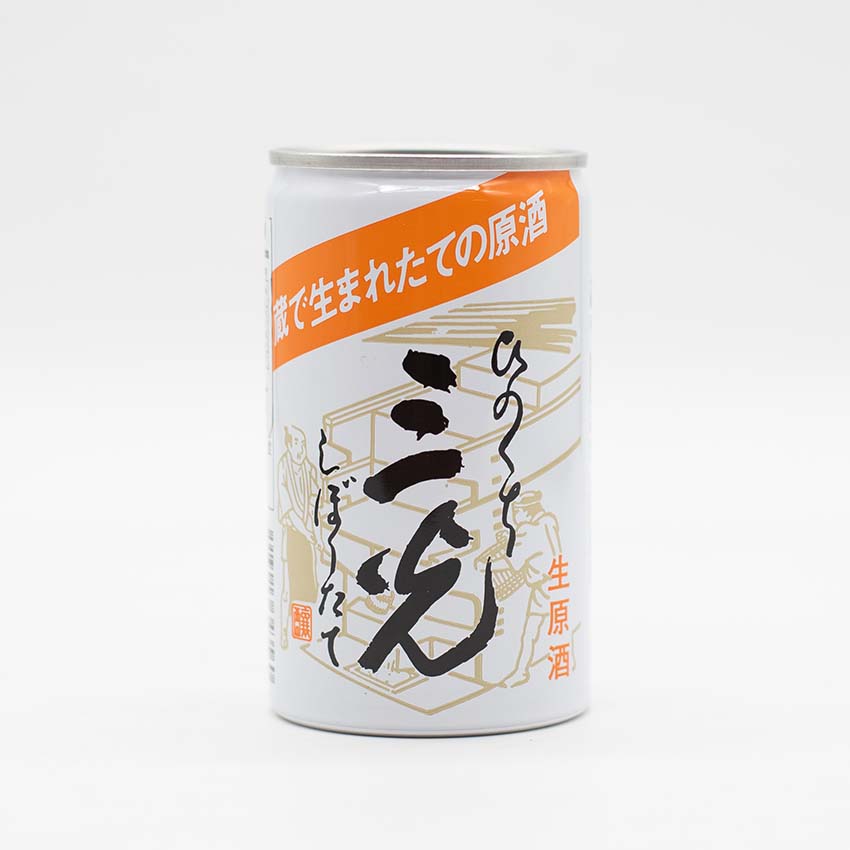


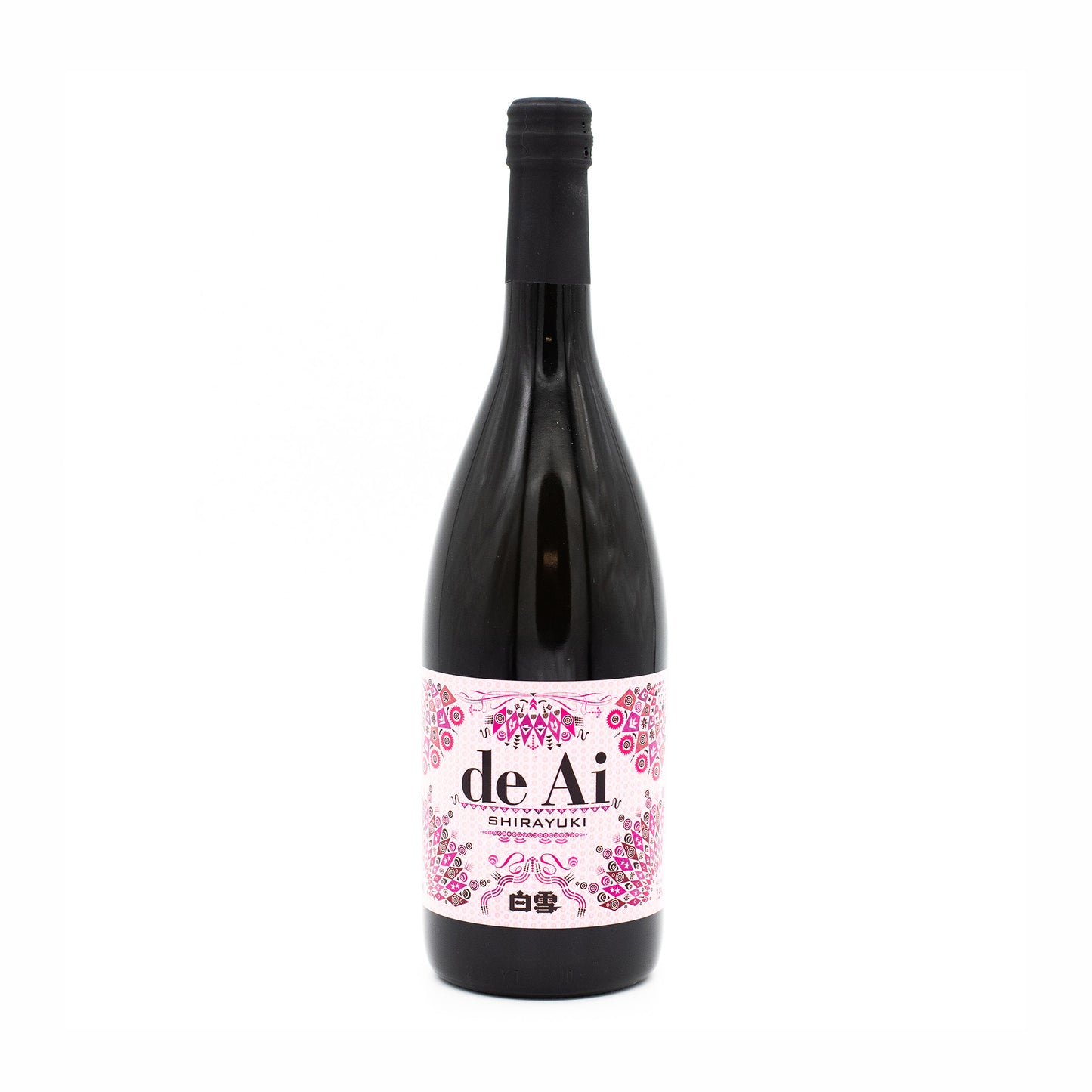

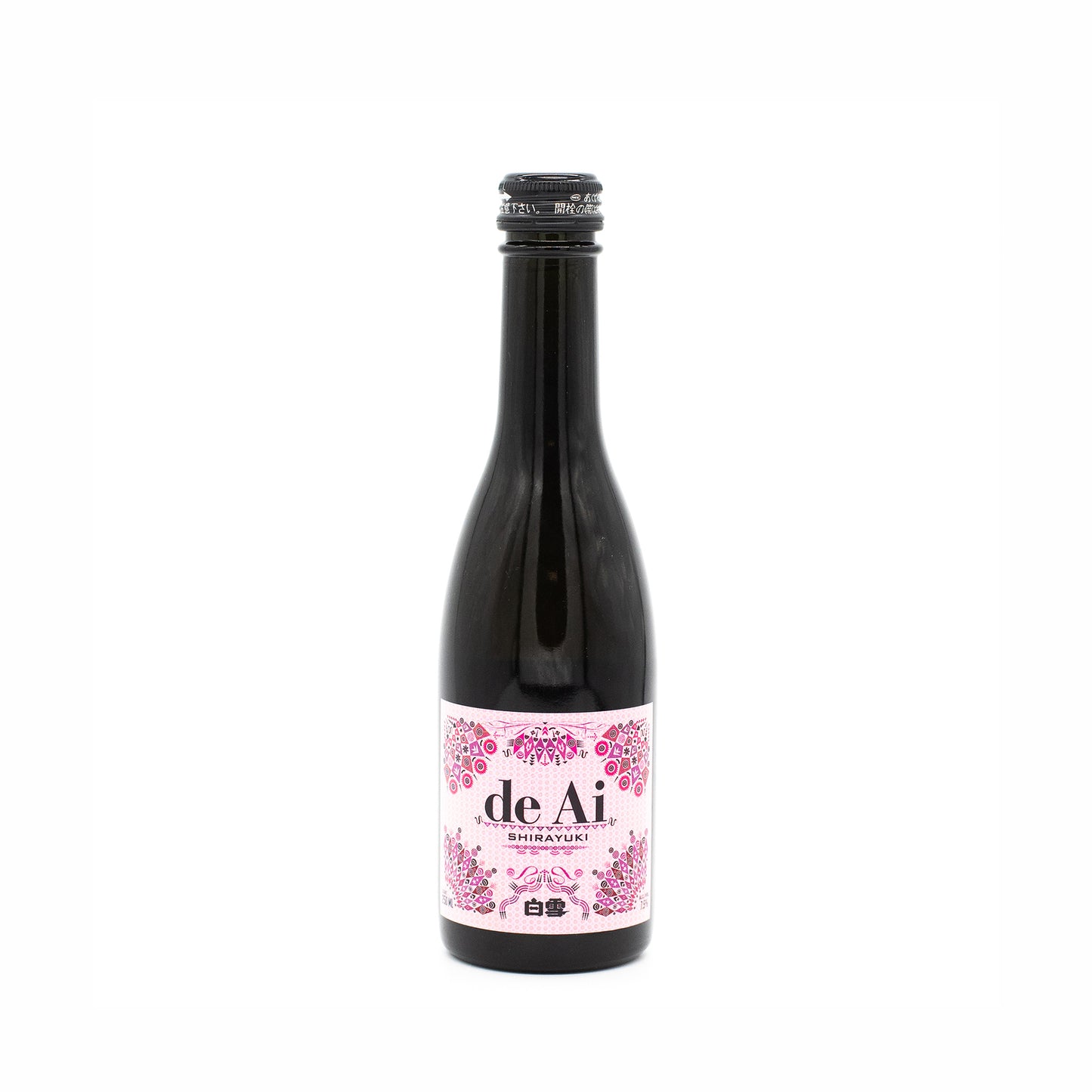

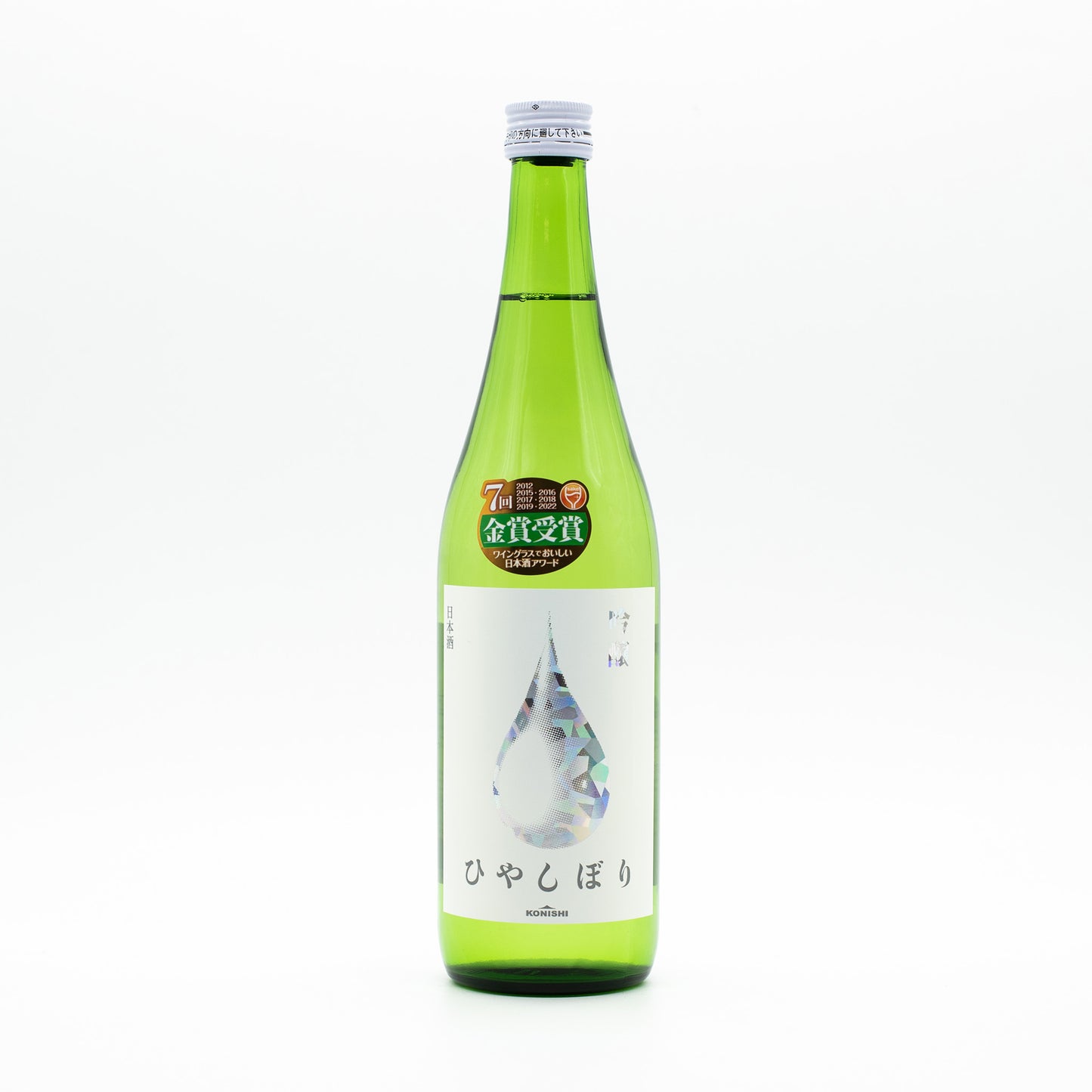

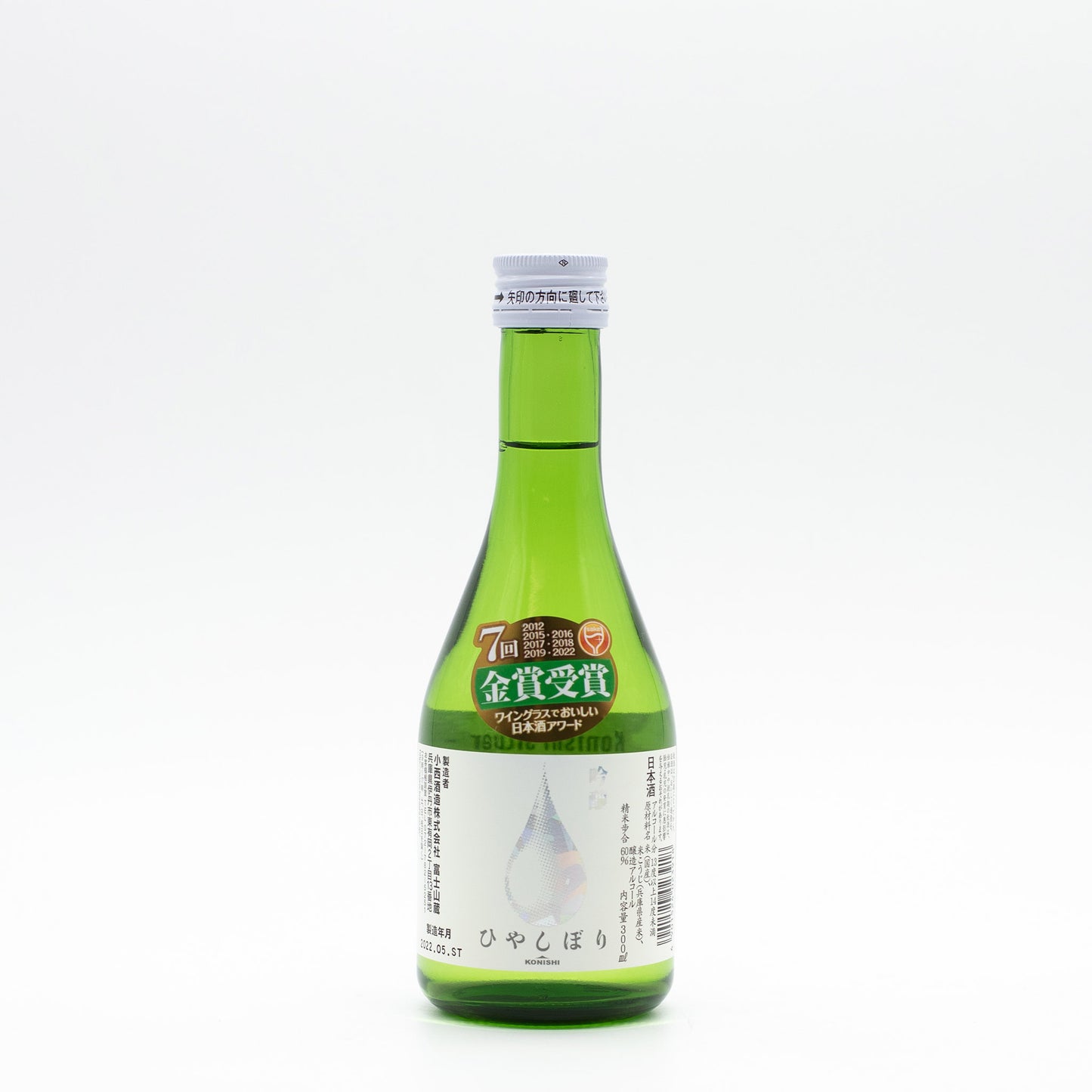

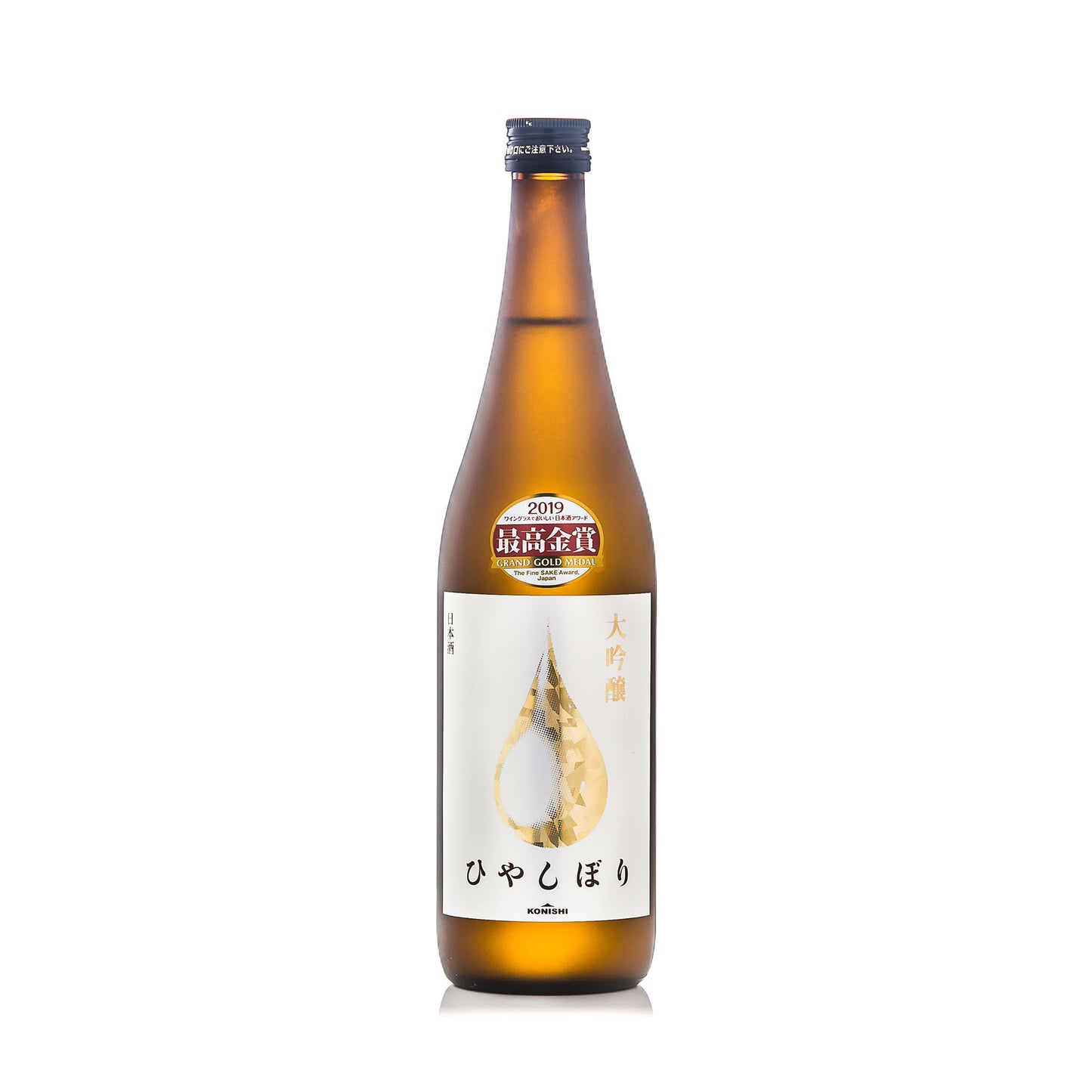

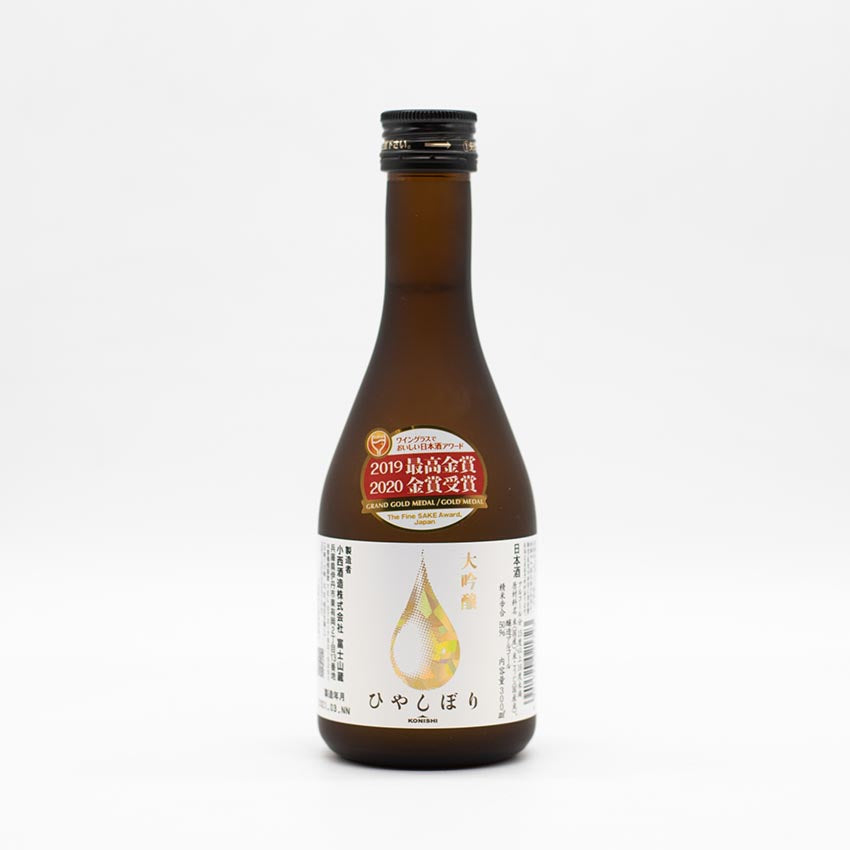

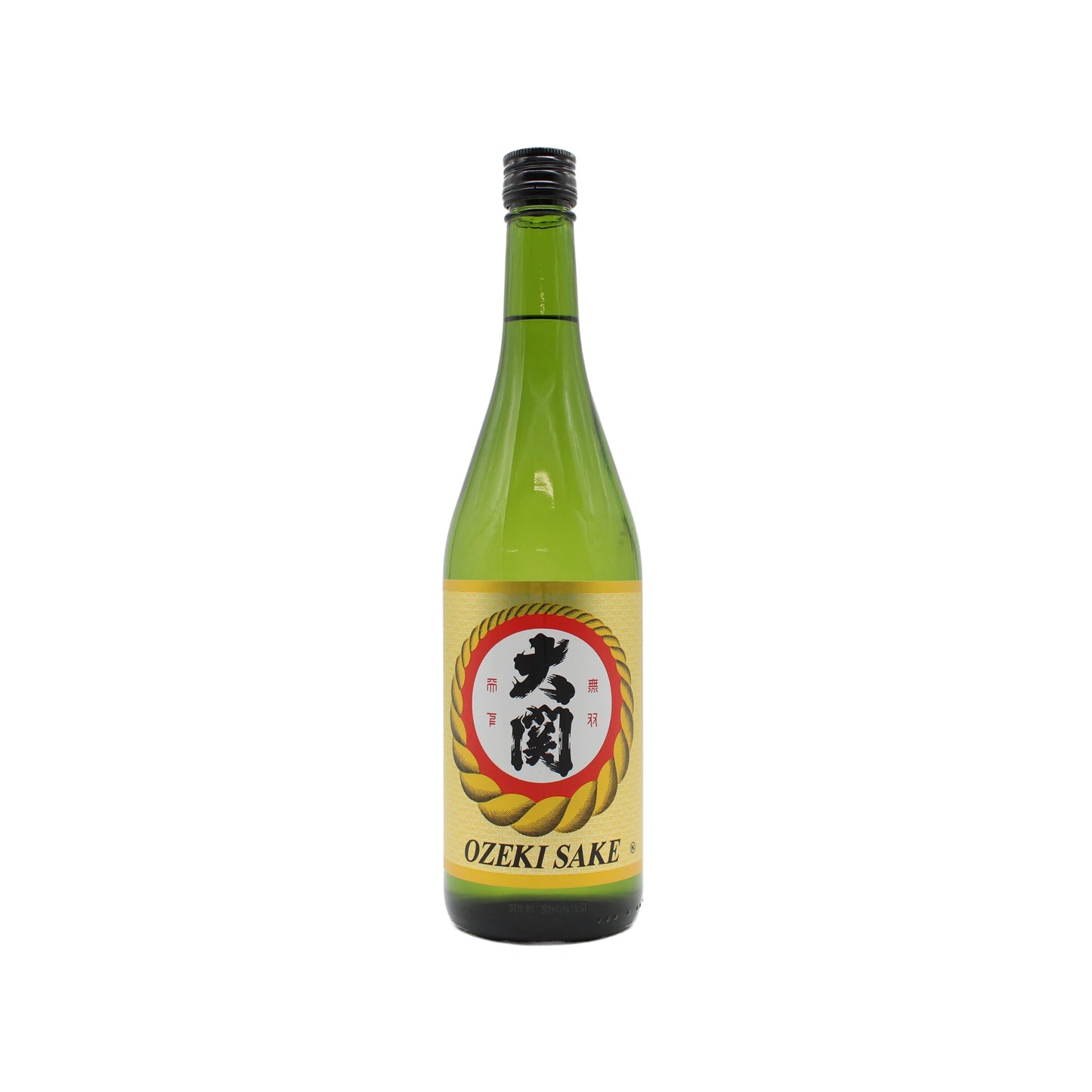










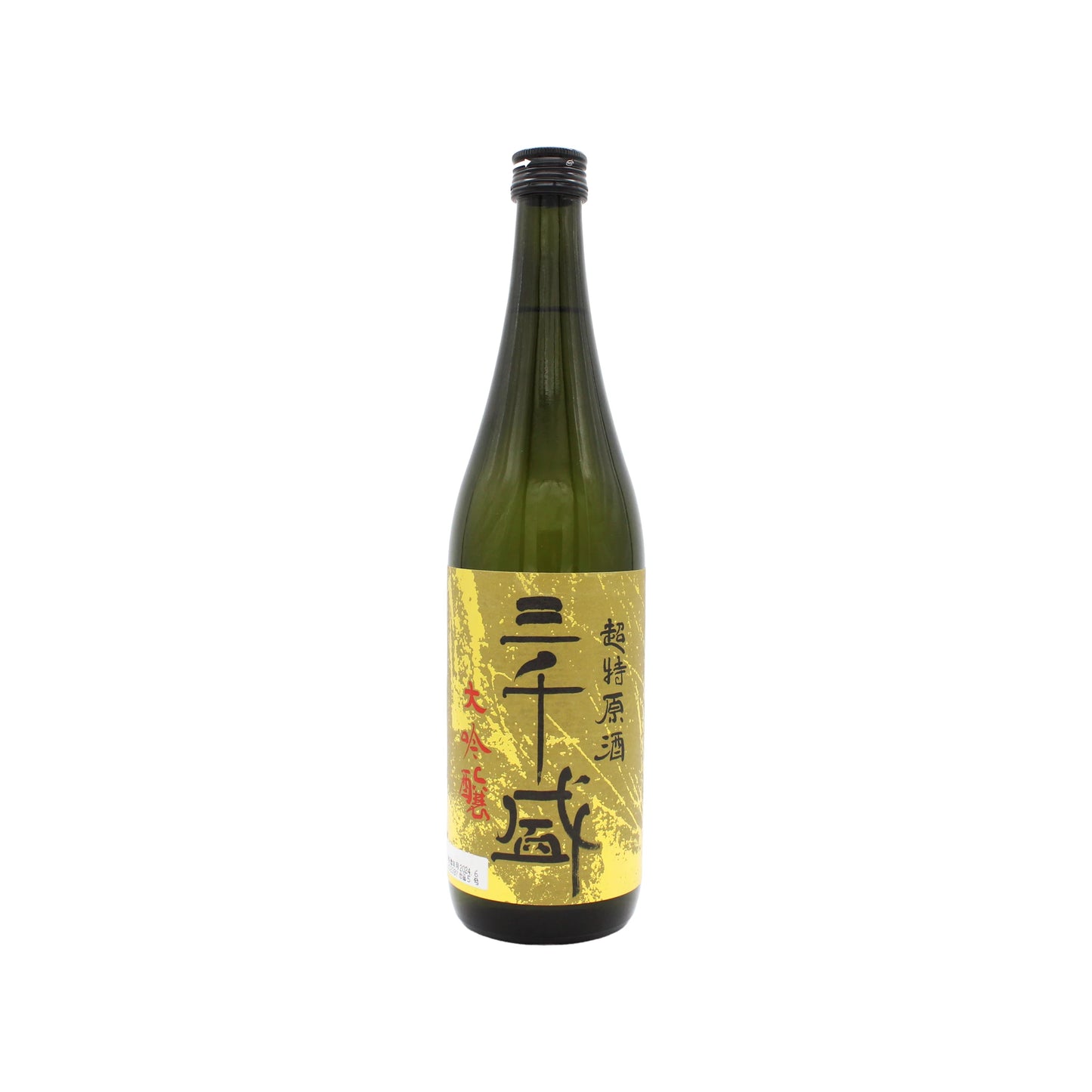

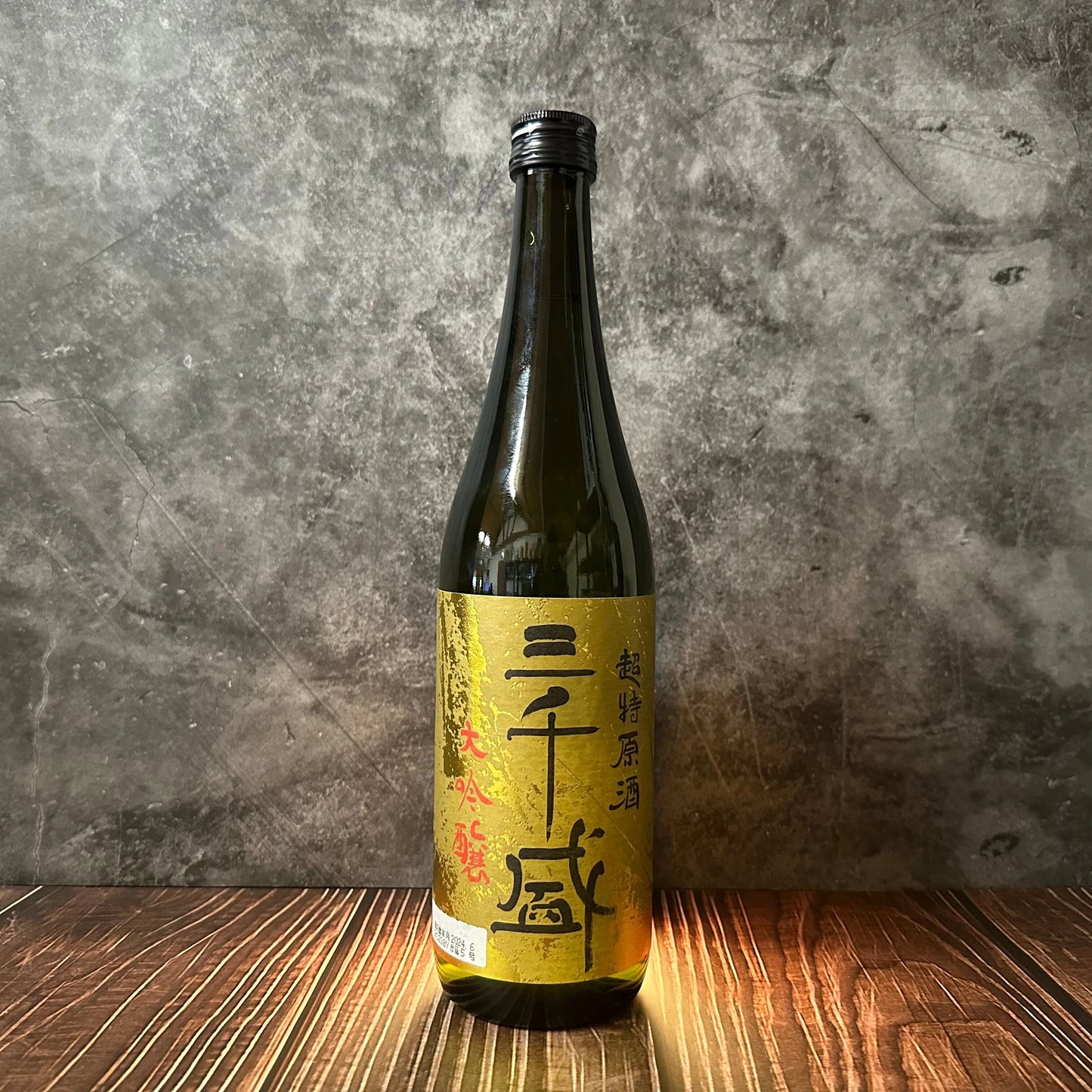

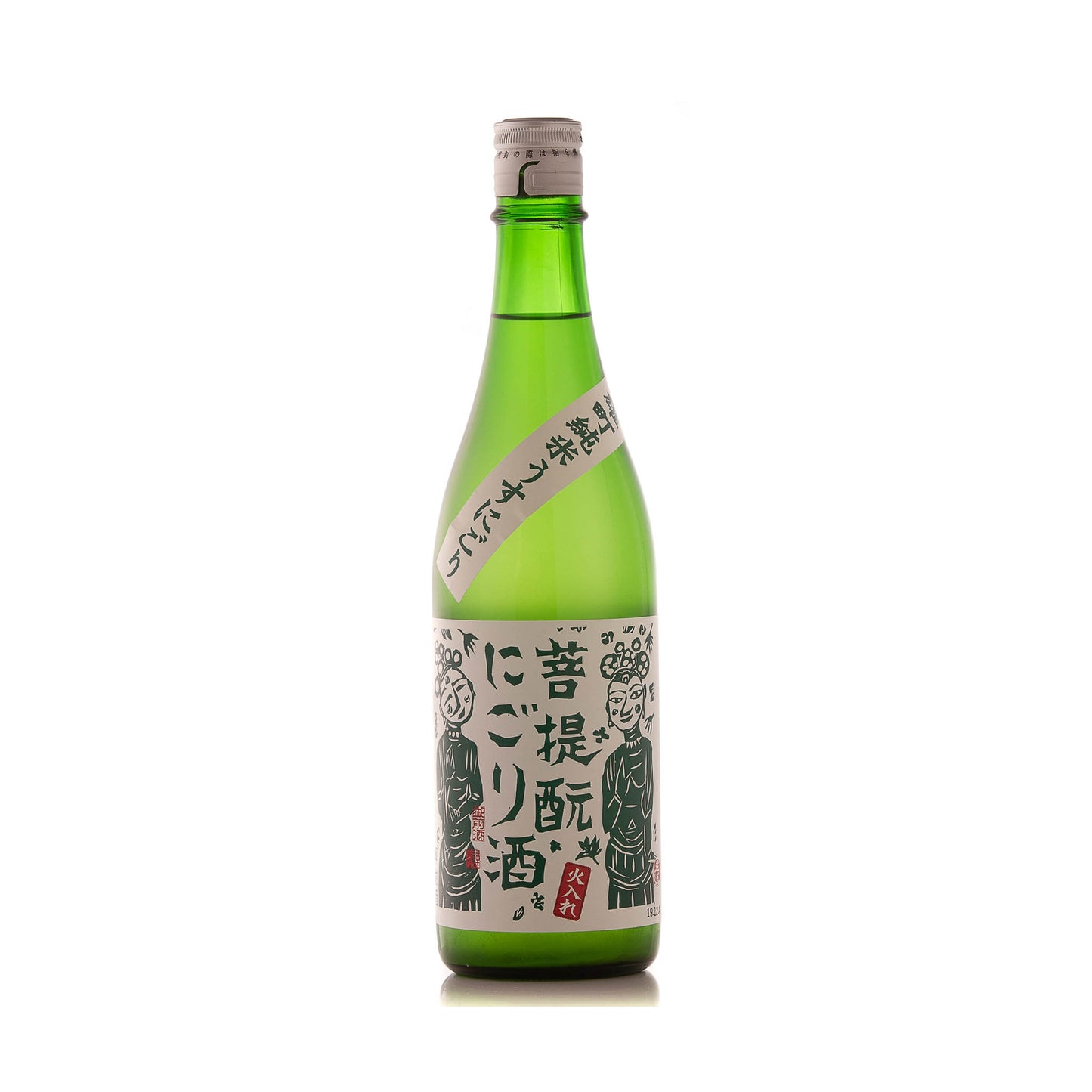

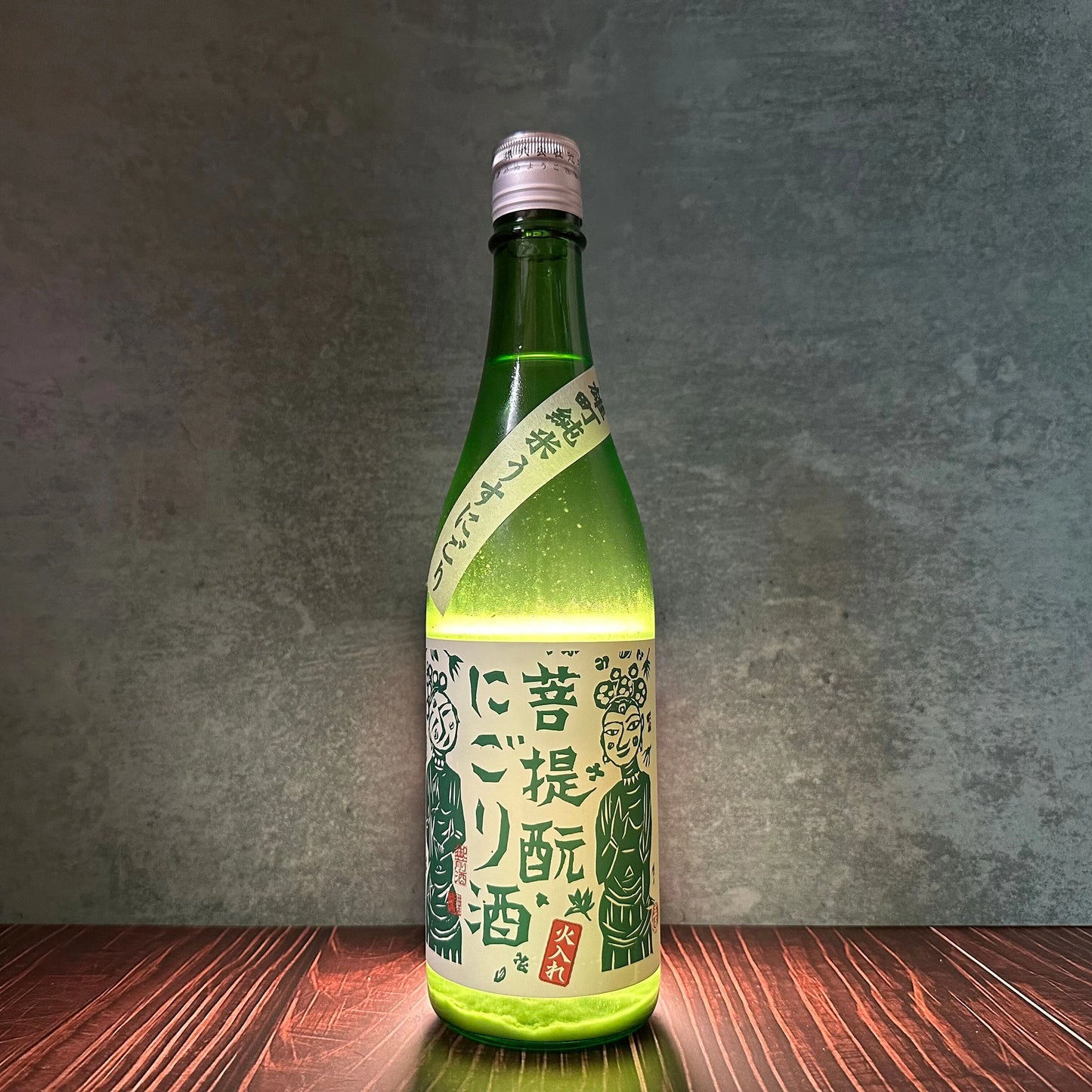











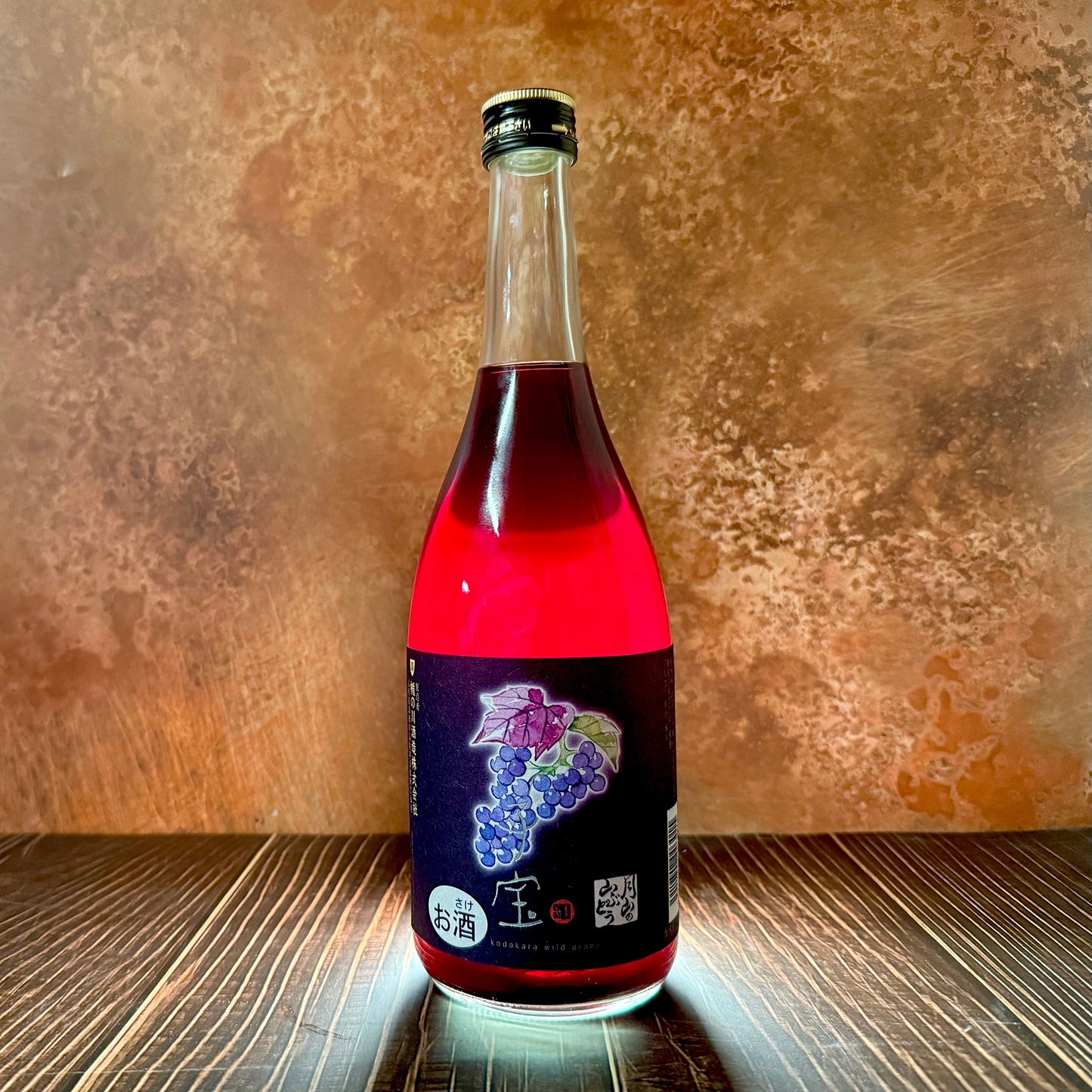

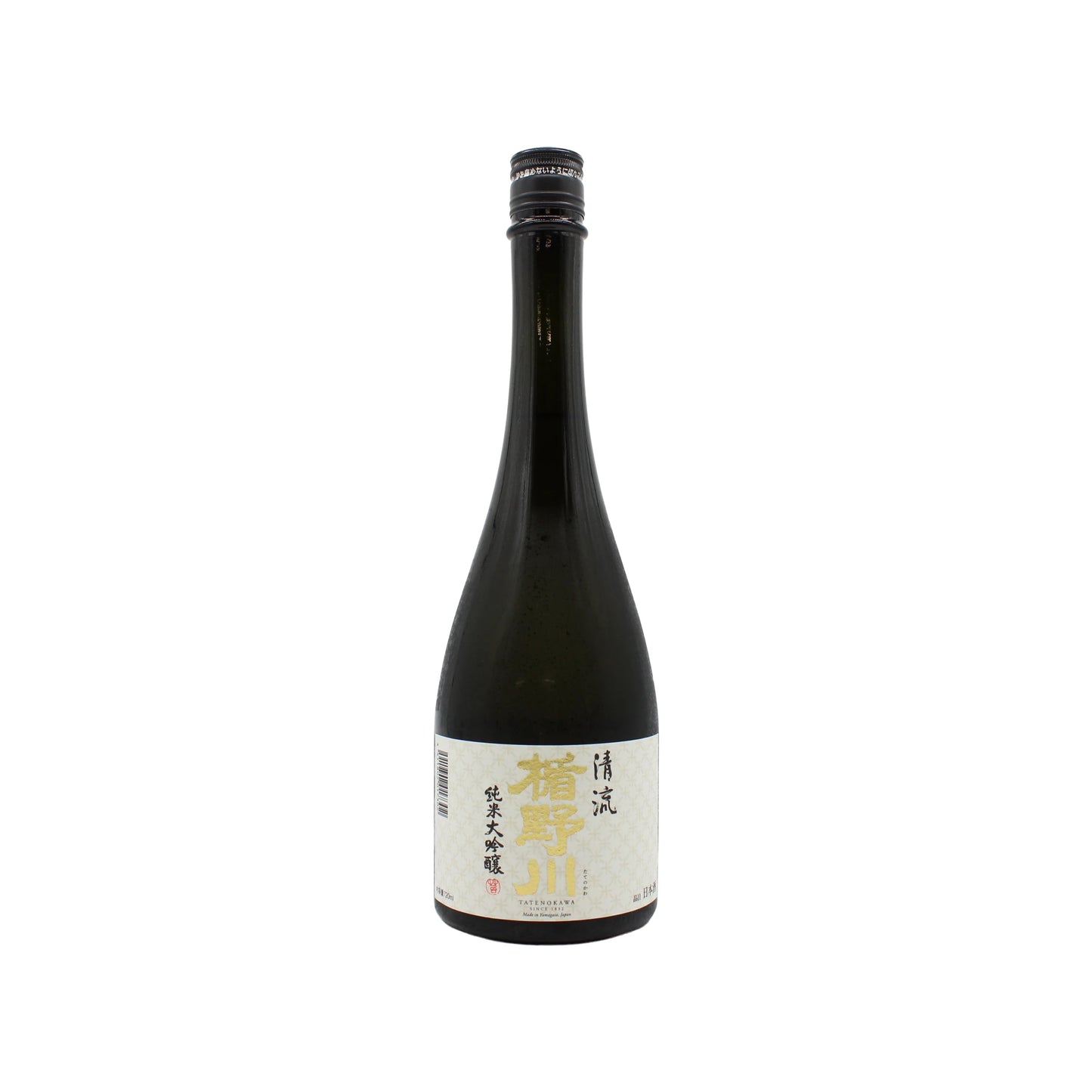

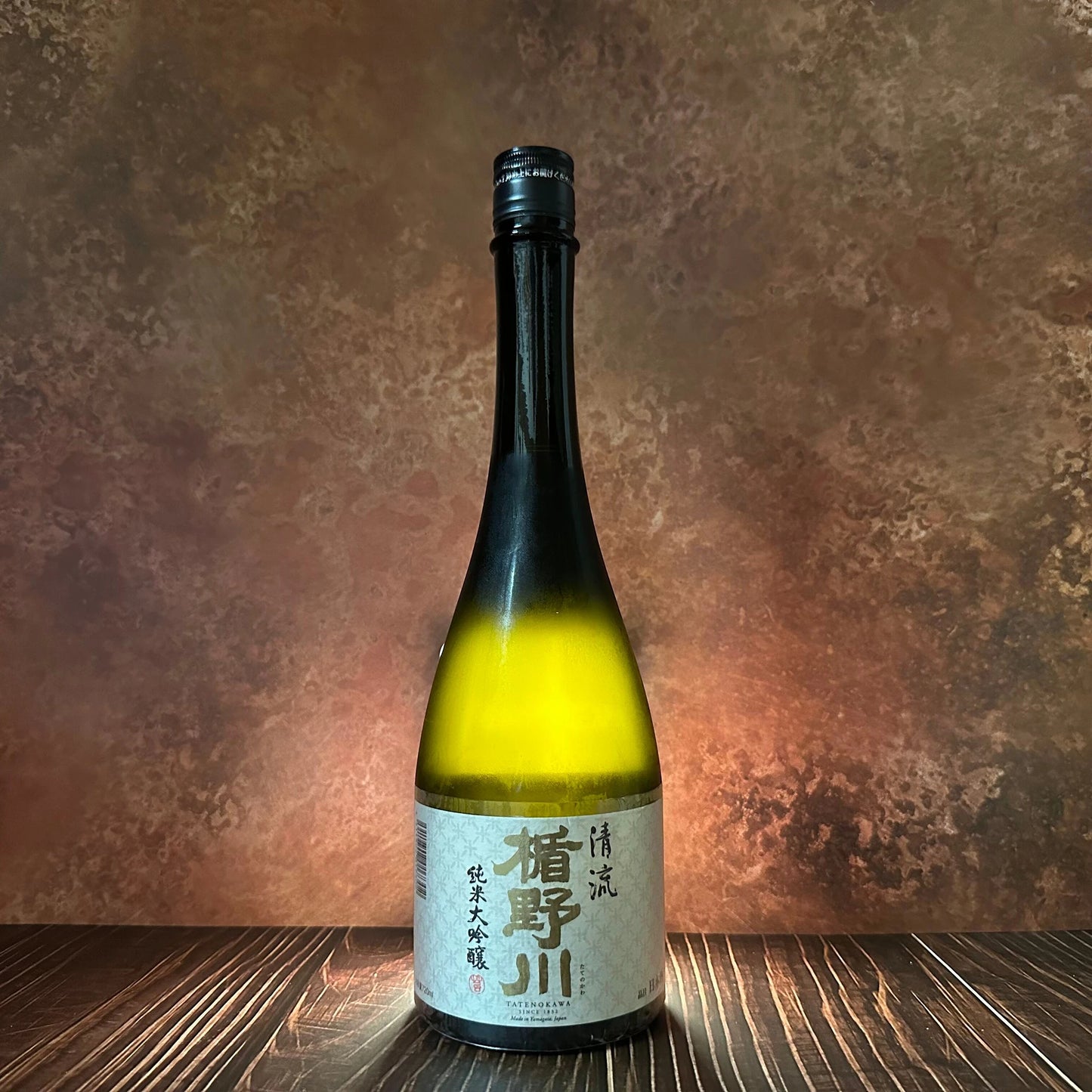


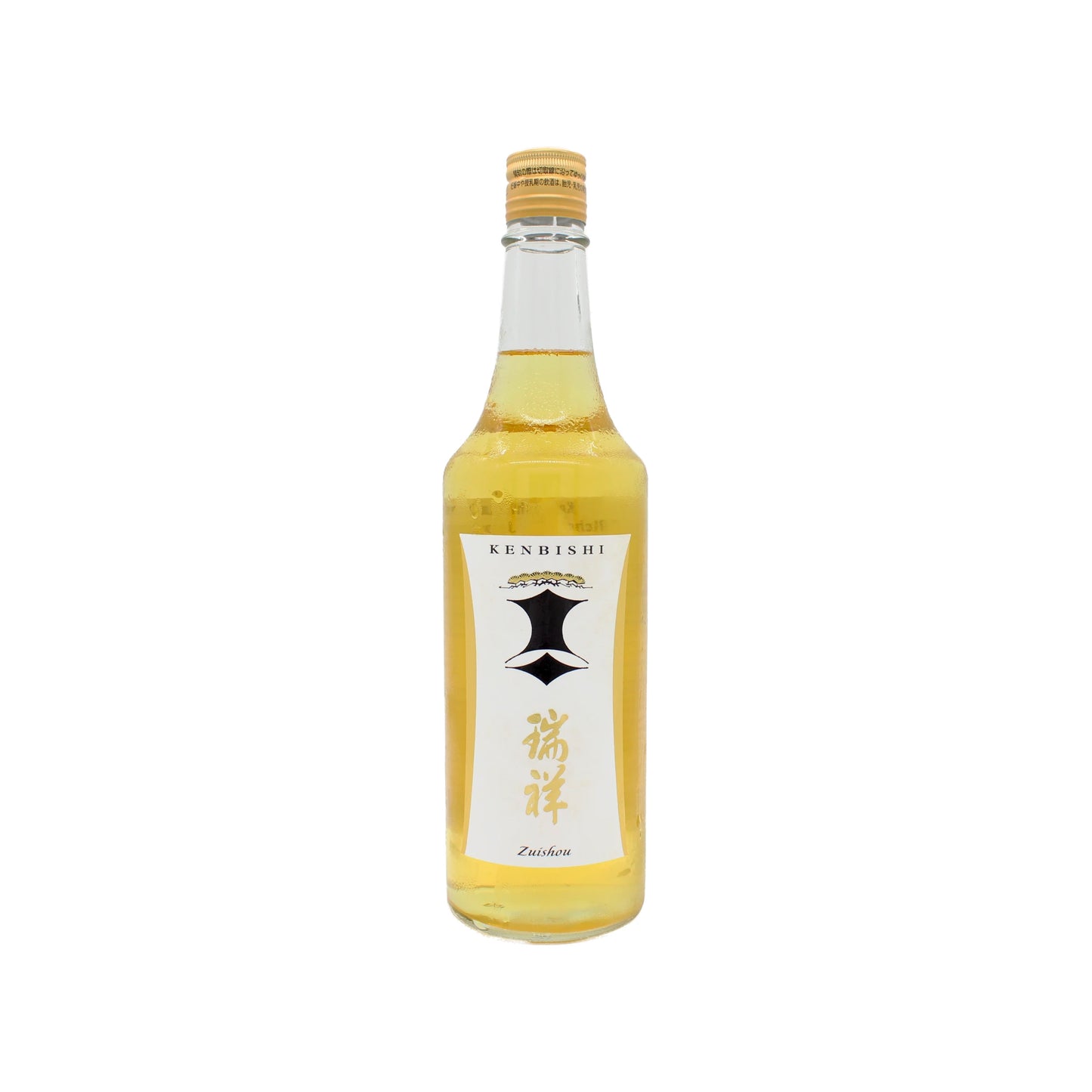


About our Japanese Sake collection
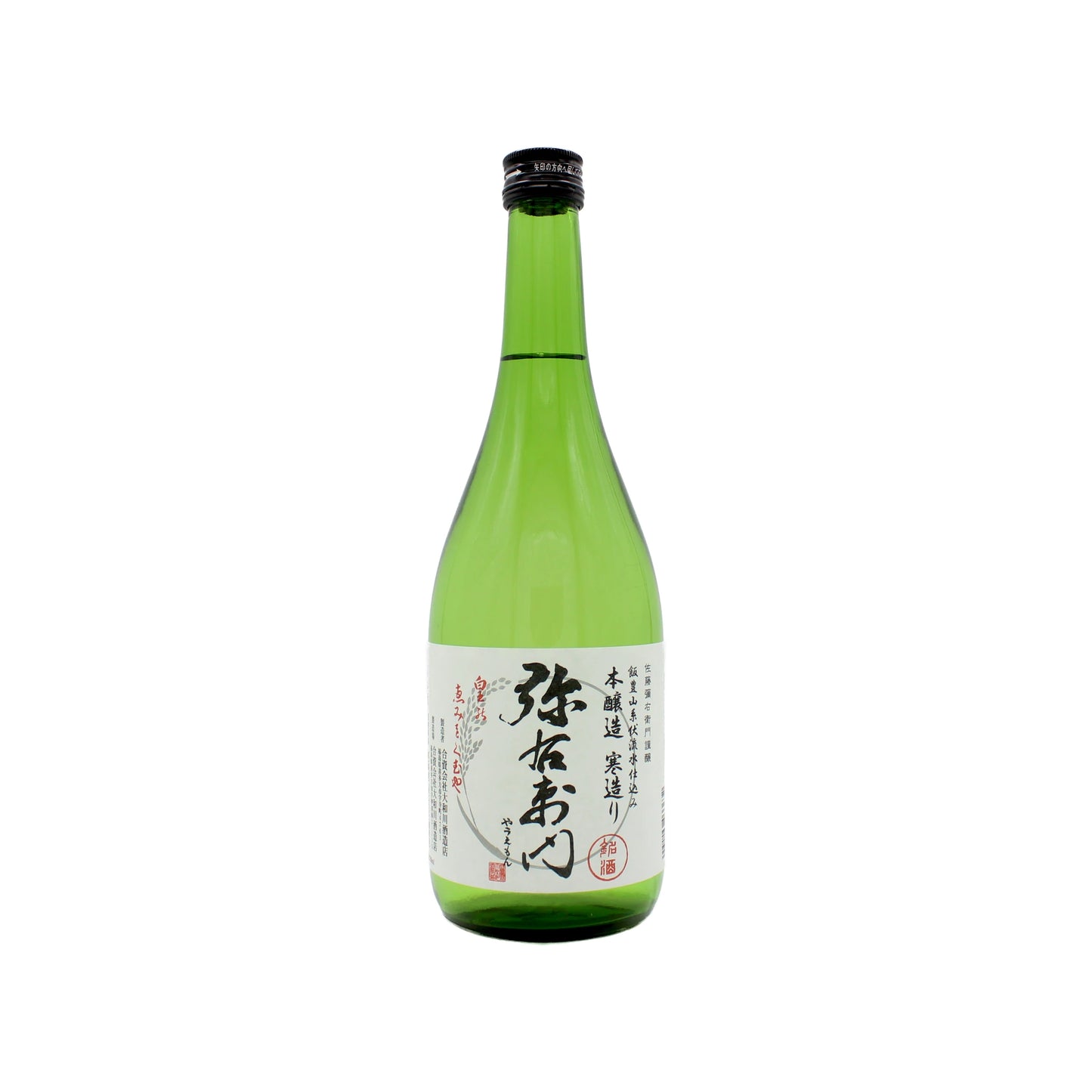
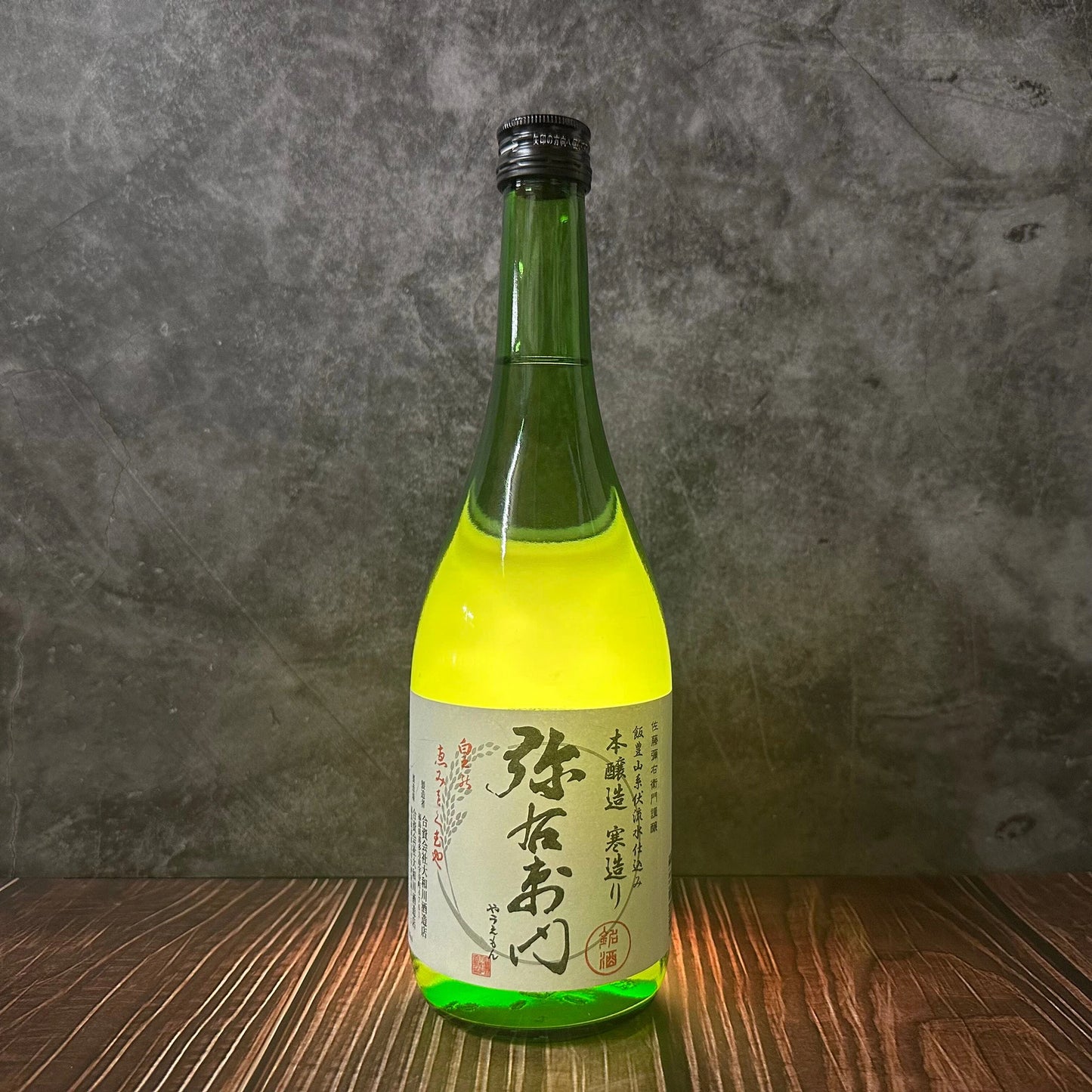
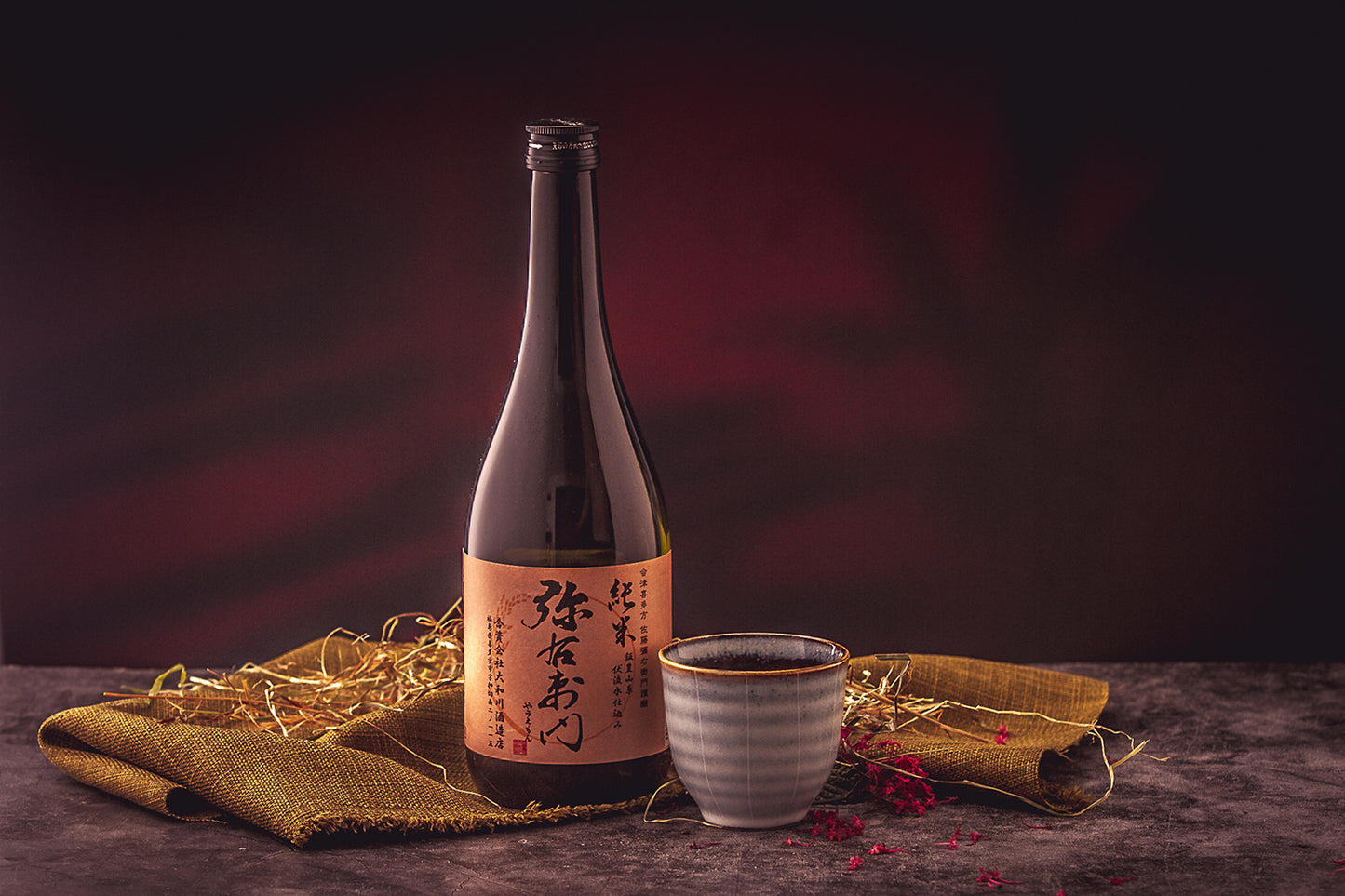
Commonly found in Japanese restaurants and served in traditional sake cups, this drink - also known in the UK as “Japanese rice wine” - is a big part of Japanese life. Our Japanese sake range has been carefully selected from five of the finest brewers in Japan. Boasting well over a thousand years of sake production between them, these are masters of their art.
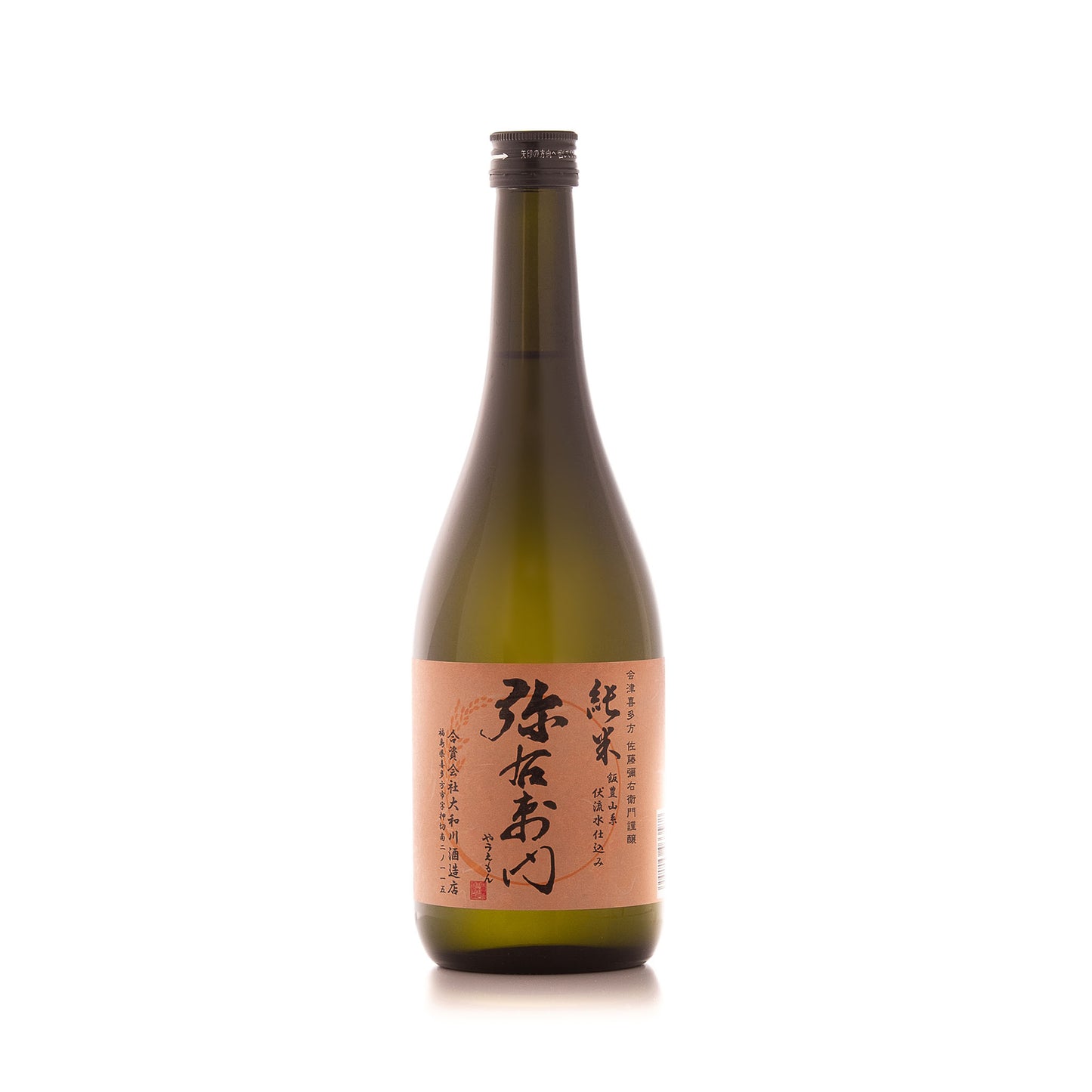
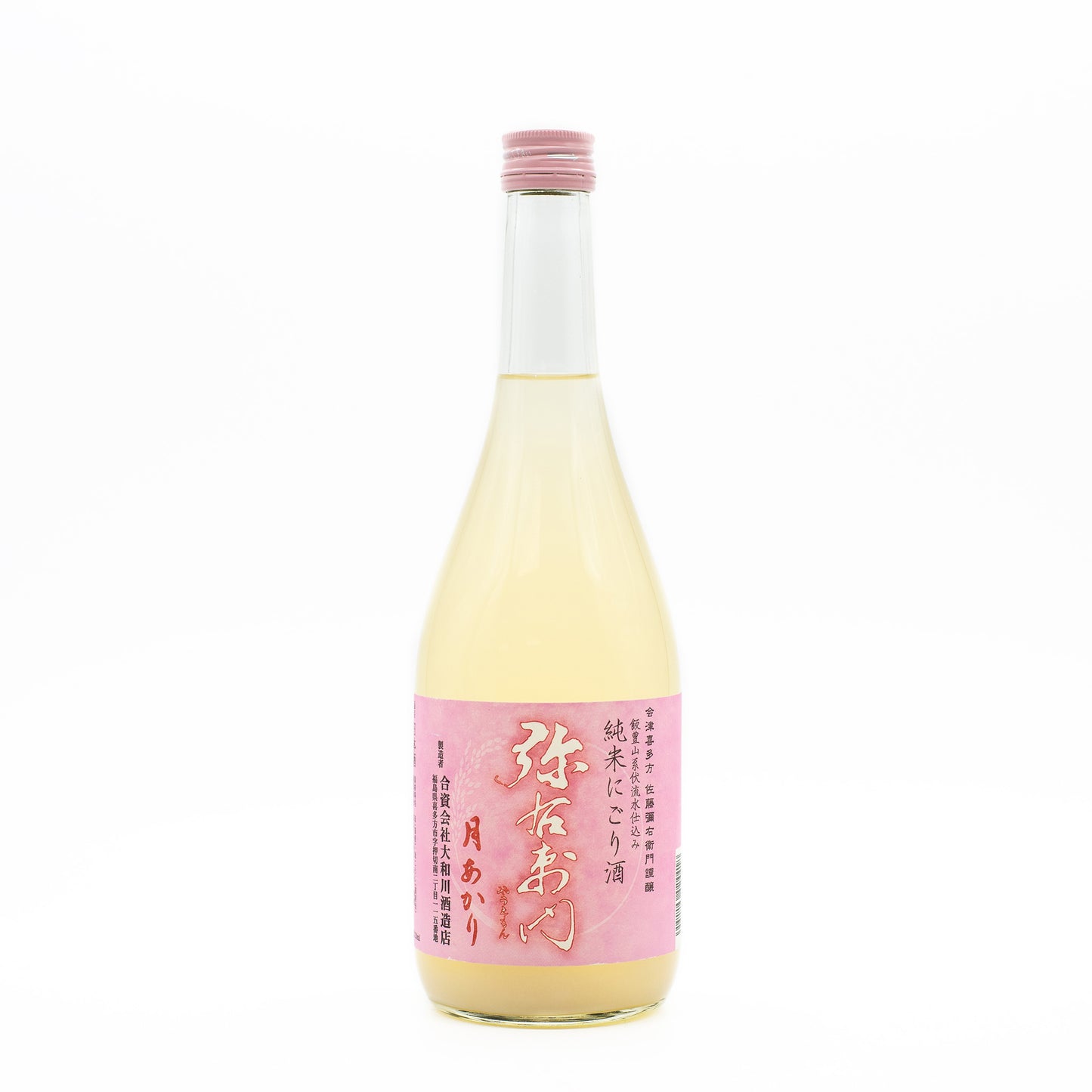
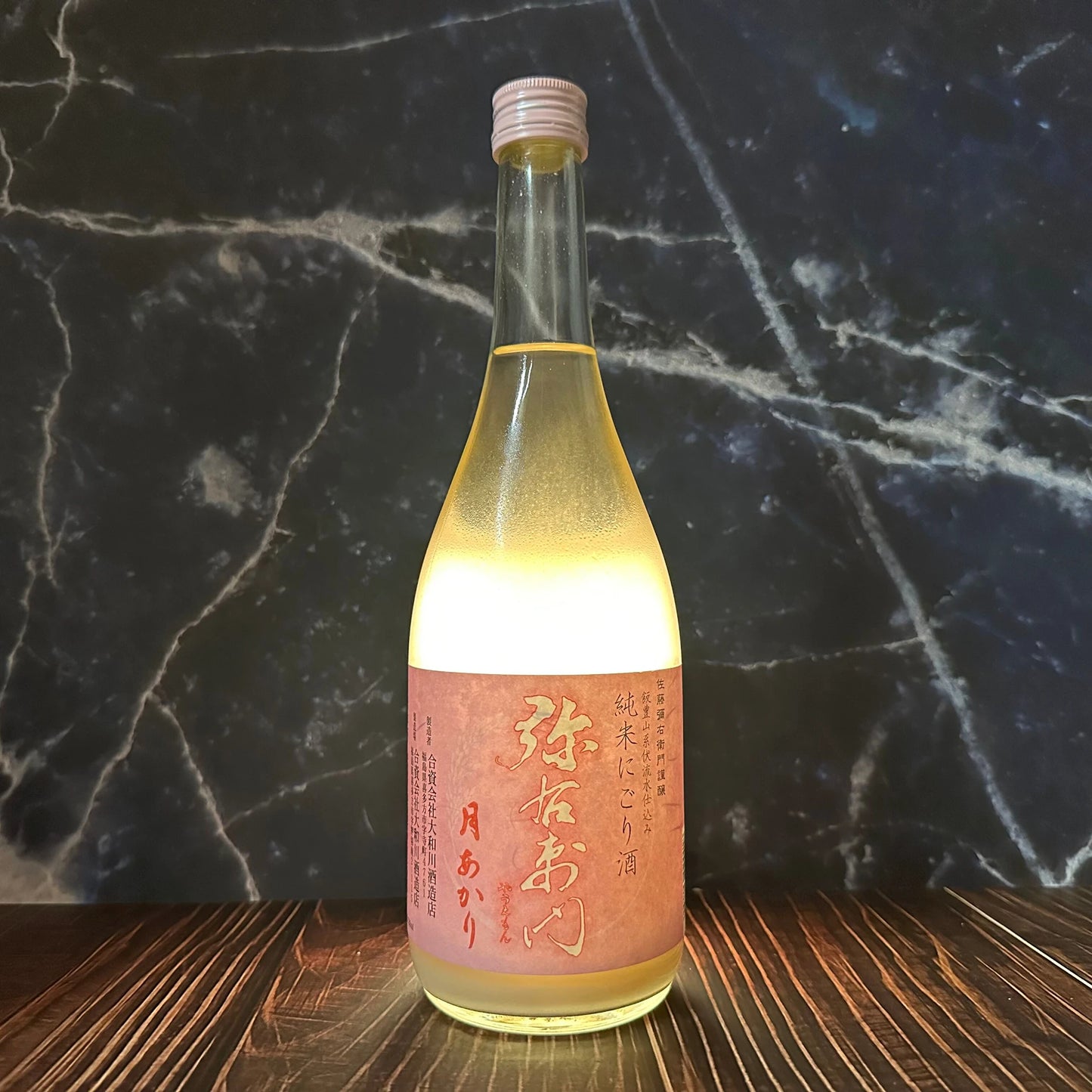
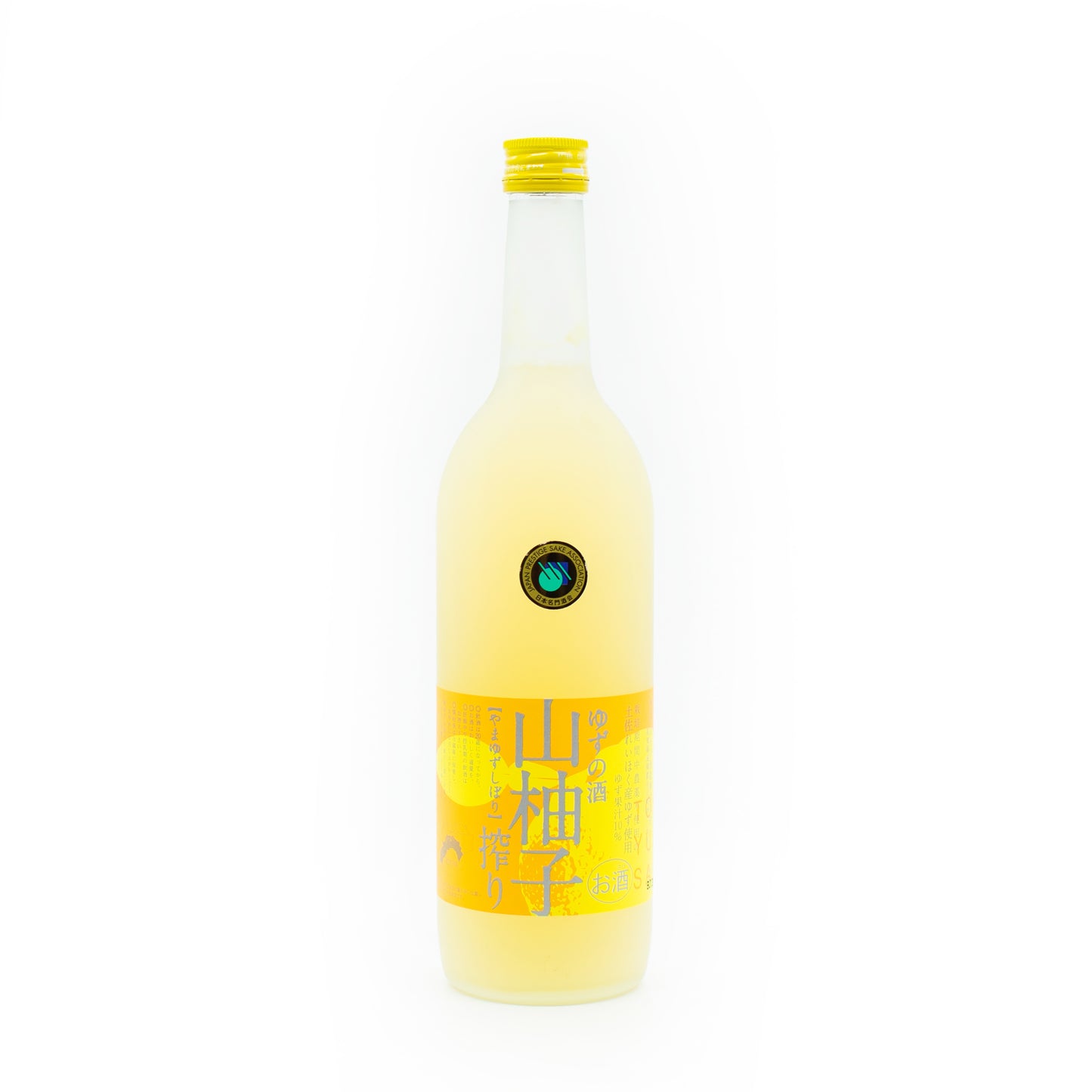
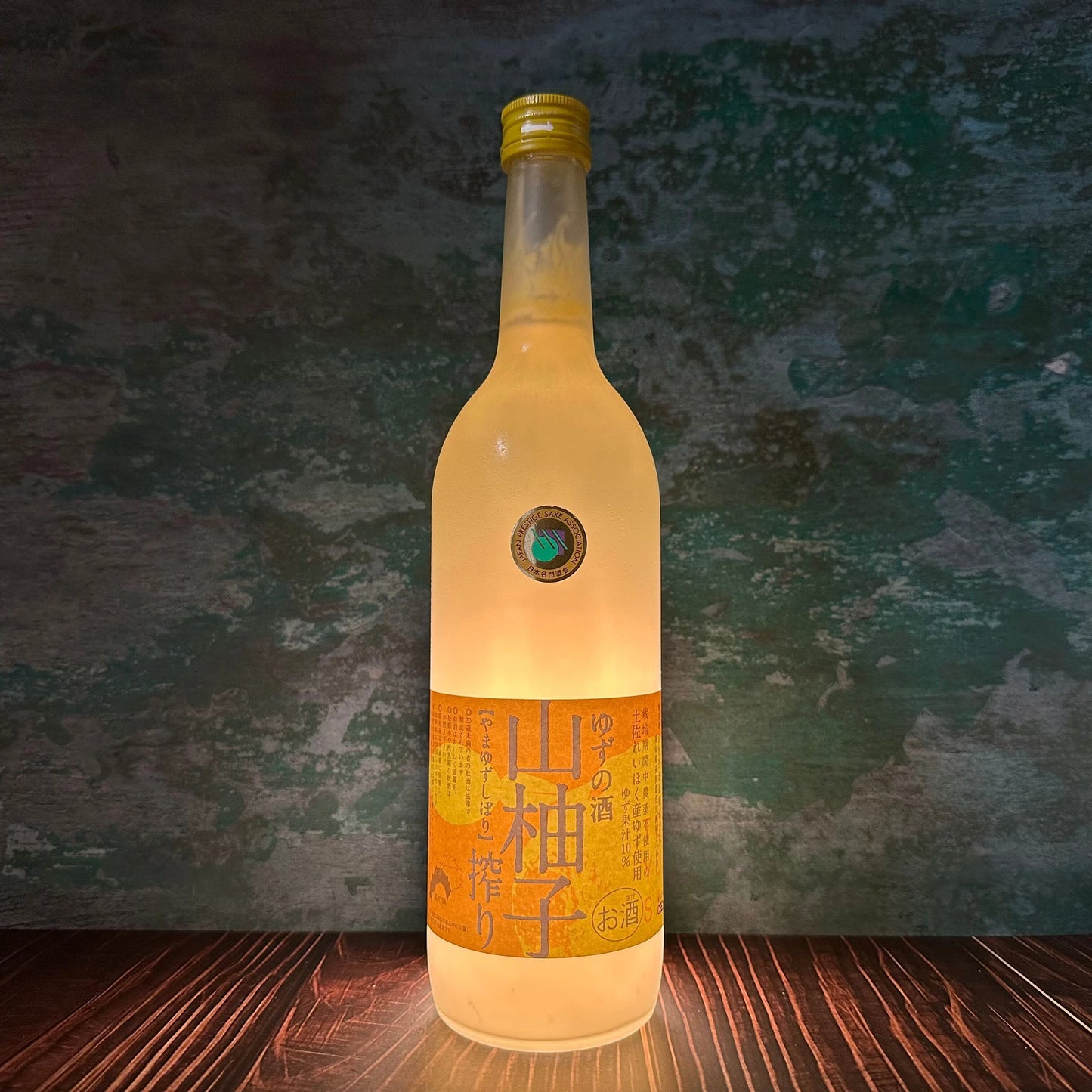
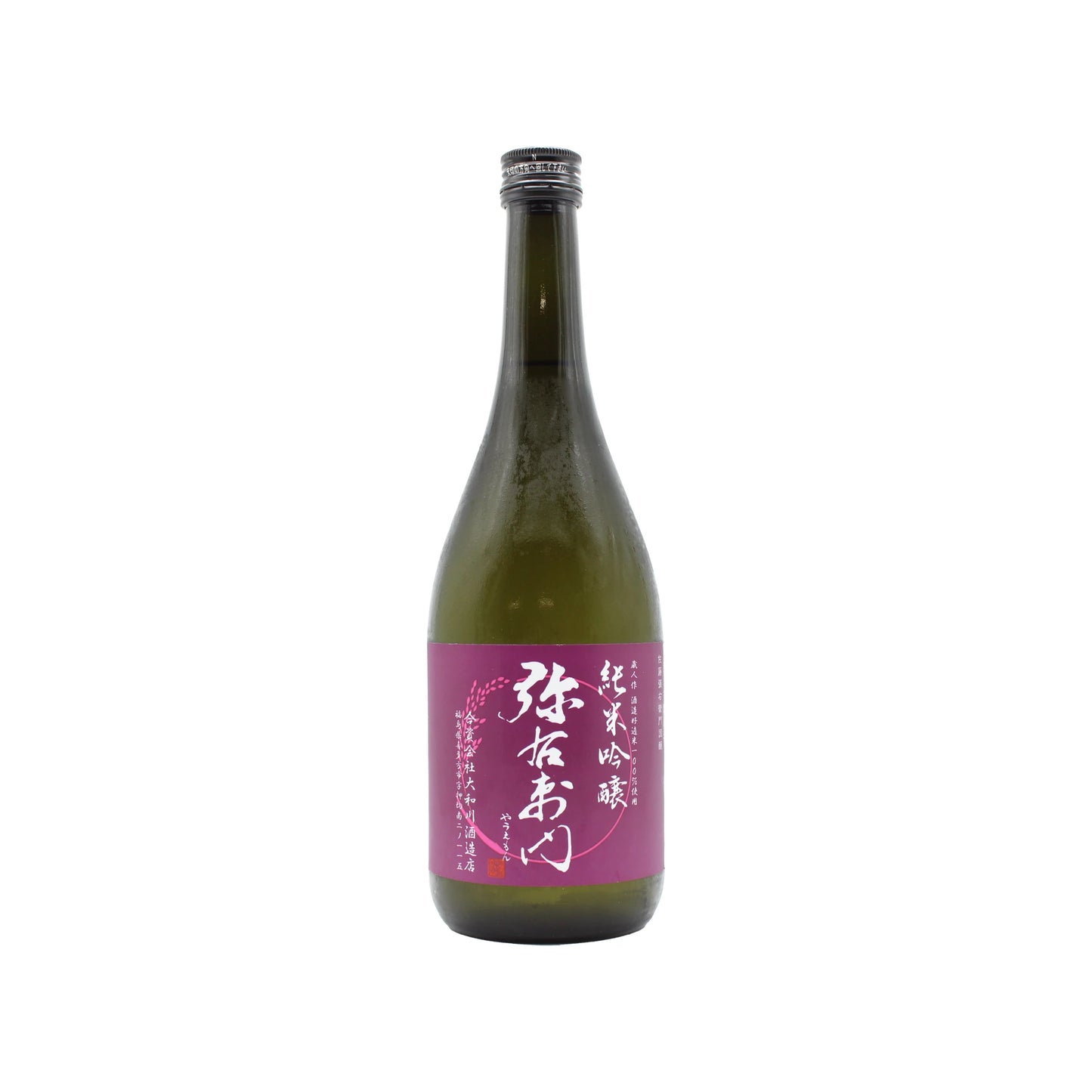
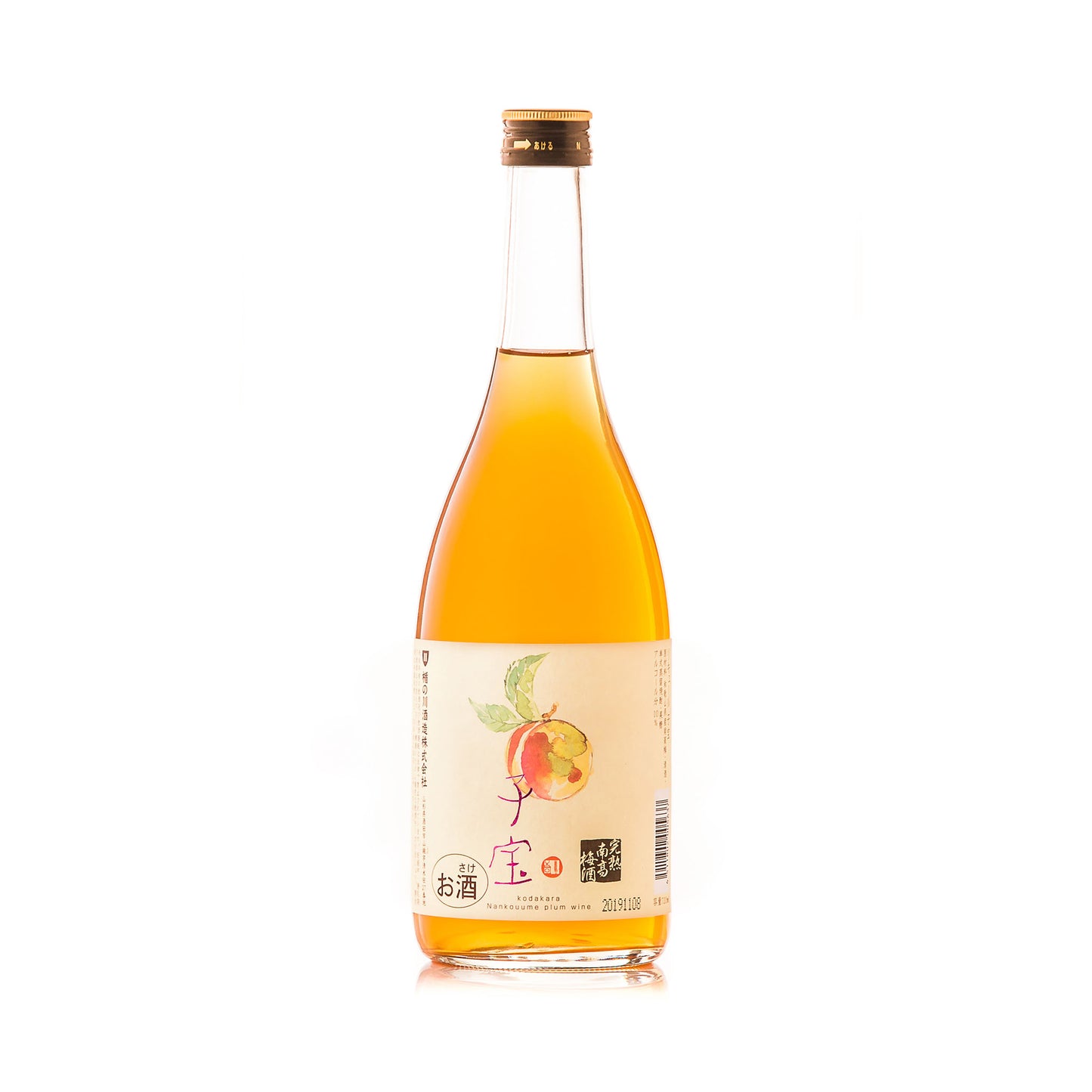
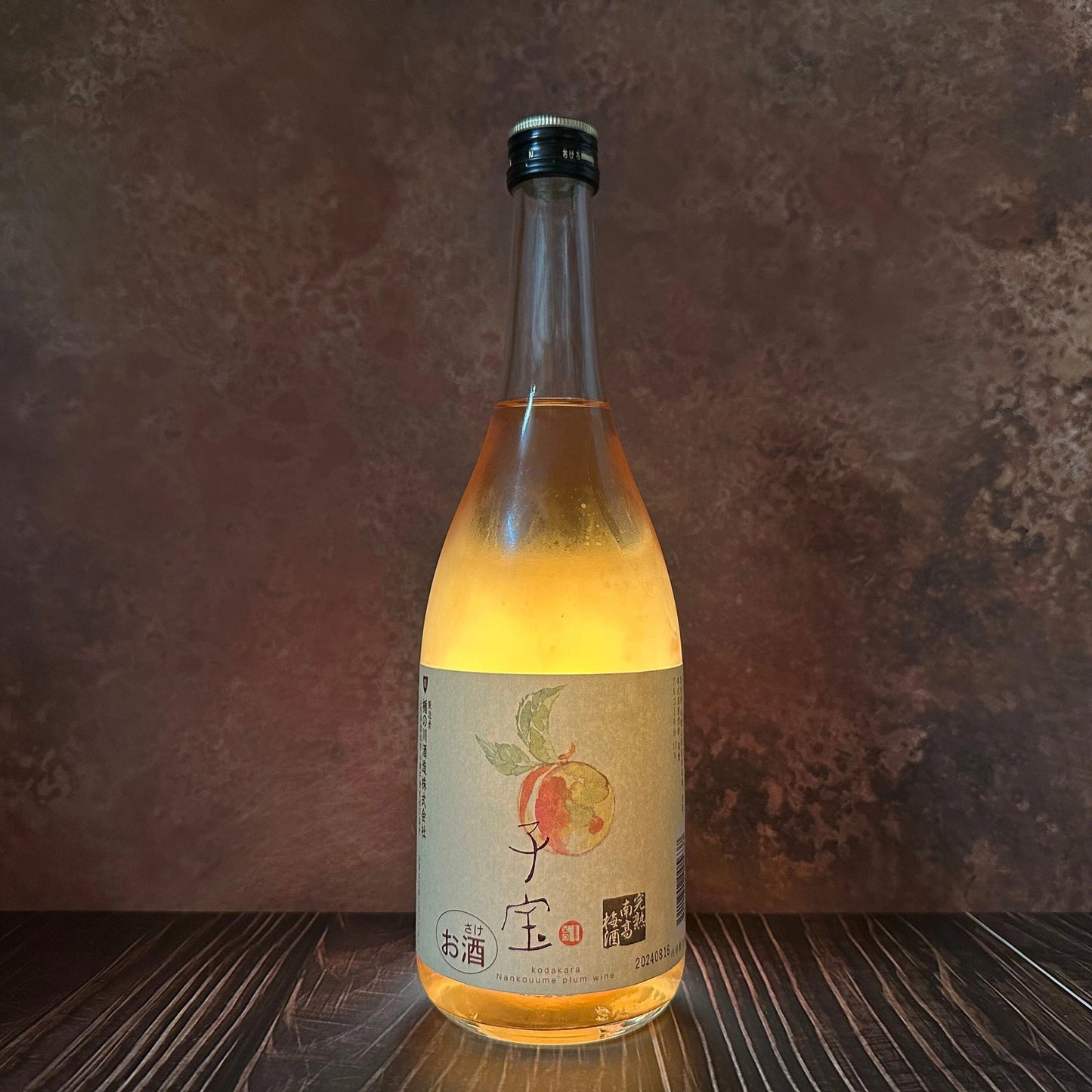
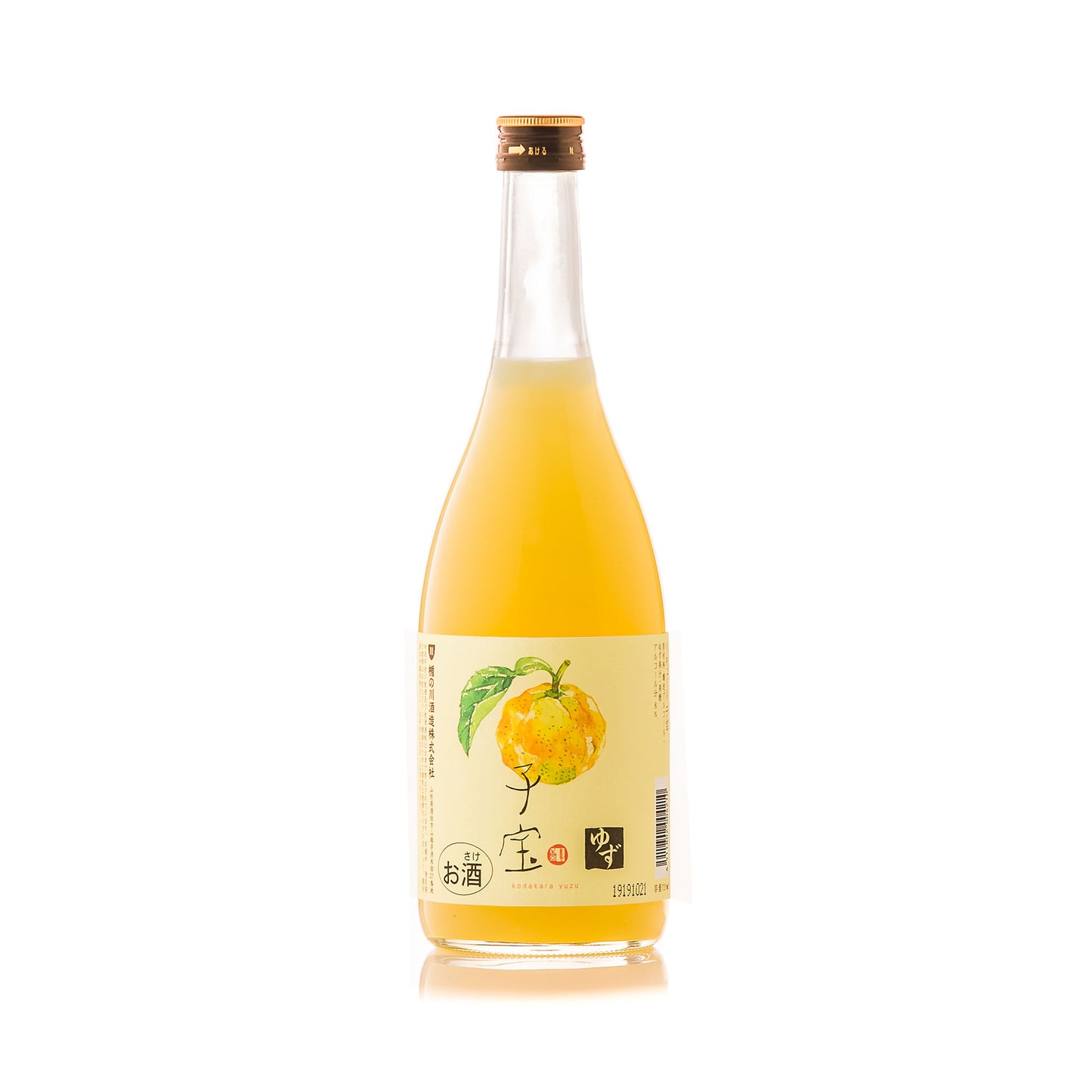
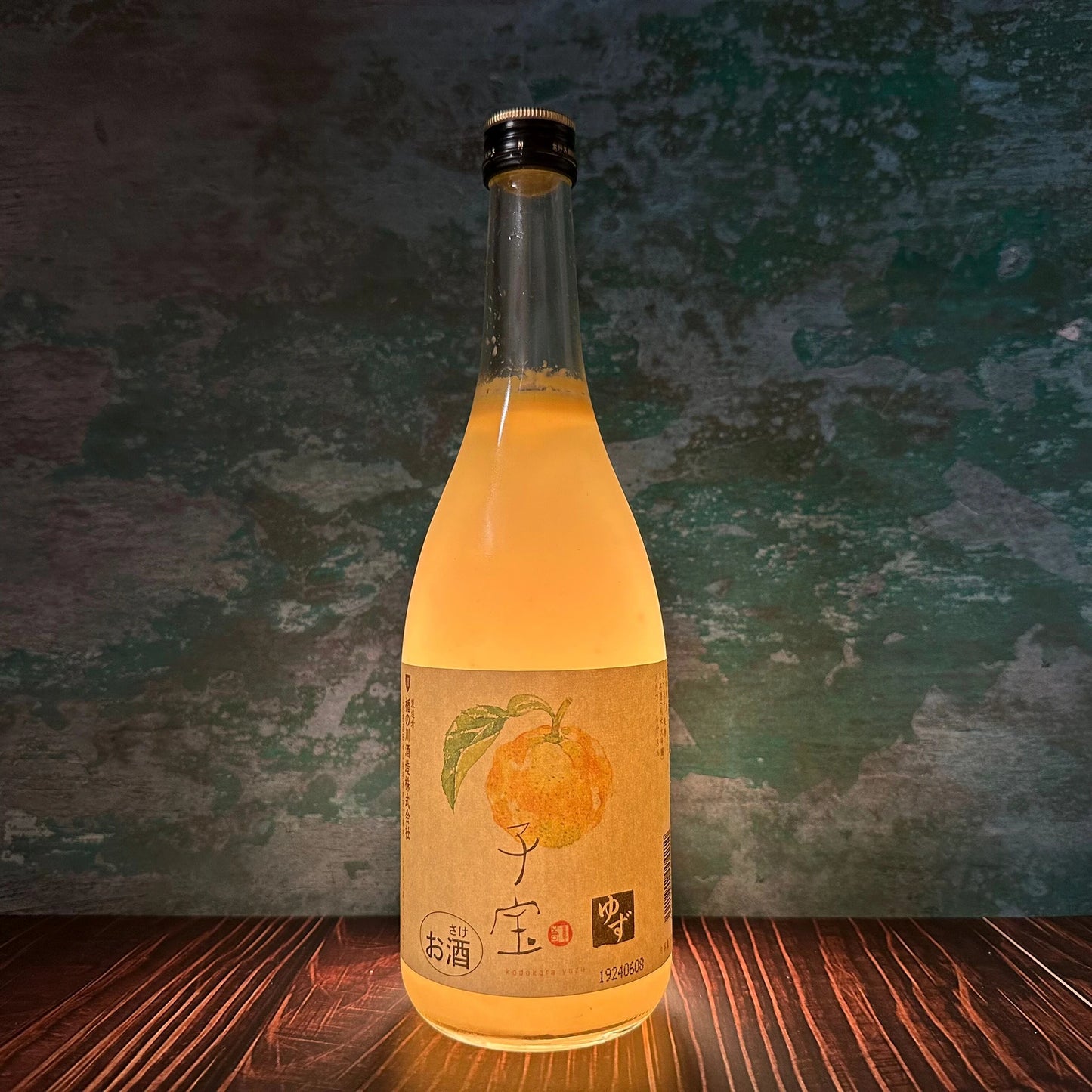
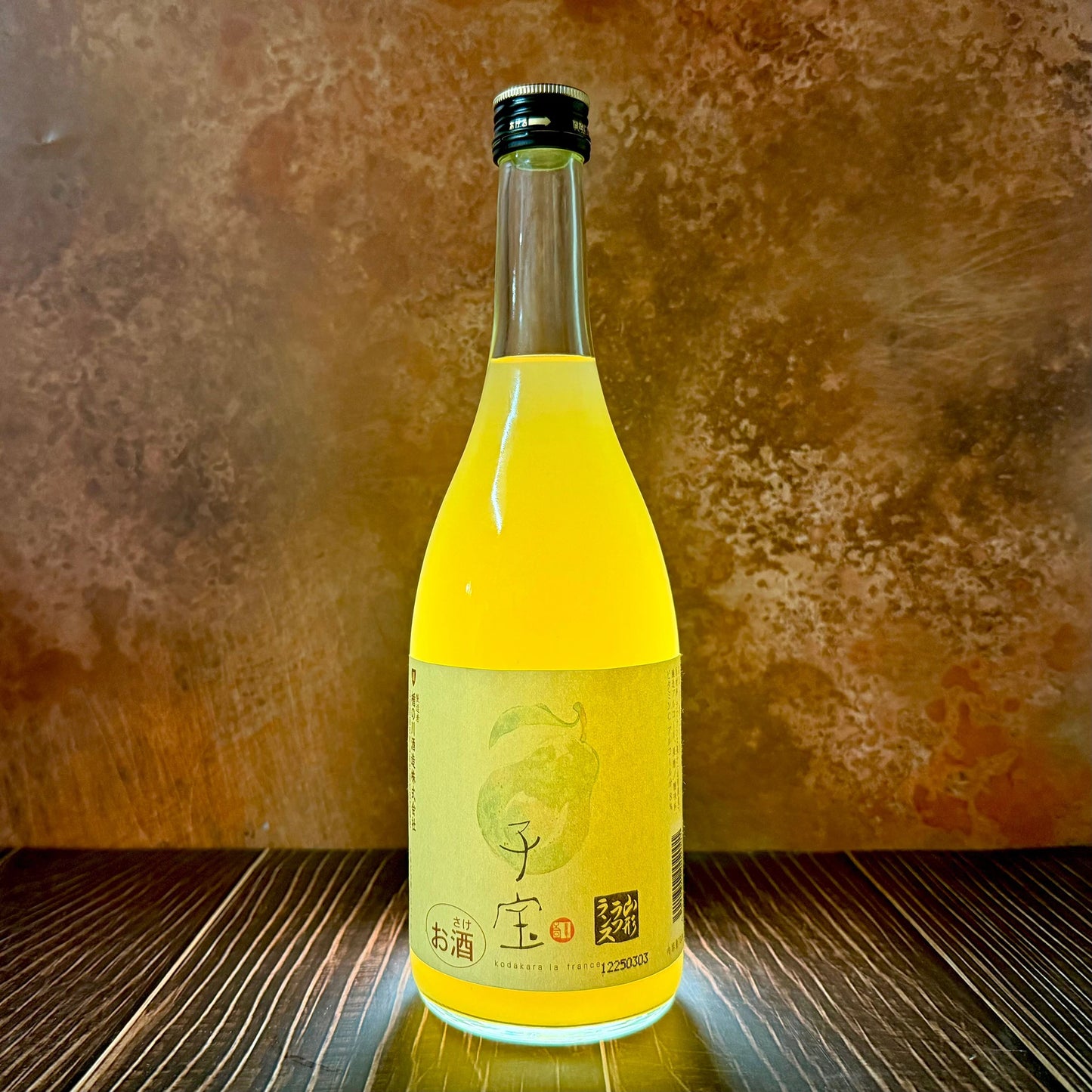
Choose from a pure rice, fuller-bodied junmai; a highly polished, refined and aromatic daiginjo; a cloudy and creamy nigori; a fruity, delicate and crisp ginjo; a flavoursome, smooth, medium-bodied honjozo; or a fruit-filled, syrupy umeshu or tart yuzushu. Whatever your preferences or familiarity with this traditional yet versatile drink, we stock a wide selection of styles and taste profiles – from sake styles that are clean and floral with melon, pear or apple notes, to others that are more earthy and deeply umami-driven with a richer rice character.
If you’re new to the world of sake, the simple distinction between popular types is this: junmai sake is often fuller-bodied and well suited to food because of its umami depth without acidity, whereas ginjo and daiginjo styles tend to be lighter and more aromatic. Nigori sake offers a cloudier, creamier texture that's particularly approachable for people newer to sake, and for those who prefer a fruity sweetness and/or tartness in their drinks, umeshu and yuzushu sake styles are made with syrupy umeshu plum and refreshing yuzu respectively.
How is Japanese Sake made?
Japanese sake is brewed using four main ingredients: rice, water, yeast and koji mould. Although often referred to as rice wine, the brewing process is actually closer to beer production because the starches within the rice first need to be converted into sugars before fermentation can begin.
The process starts with milling the rice to remove the outer layers of the grain, and how much rice is removed has a major influence on flavour and quality. More highly polished rice generally produces cleaner, lighter and more aromatic premium Japanese sake (such as ginjo and daiginjo styles), whereas less polished rice can create fuller-bodied and more savoury styles (like junmai sake).
After polishing, the rice is washed to remove residual powder, soaked in water and then steamed to create a softer texture before being combined with koji. Koji is a cultivated mould that breaks down rice starch into fermentable sugars, making sake brewing possible. After a couple of days, yeast is then added to begin fermentation.
Once fermentation is complete (after a few weeks depending on the style), the sake is pressed, filtered and pasteurised before ageing and bottling. Some styles, such as nigori sake, are only lightly filtered, giving them a cloudy appearance and creamier texture.
Different regions of Japan are known for distinct sake profiles due to variations in water composition, climate and brewing traditions. Soft water regions often produce elegant, delicate sake, whilst harder water can create drier and more structured Japanese sake alcohol styles.


Award Winning


Sustainable


Growers


Free Delivery
You might also like...


Get inspired with some recipes


Shio Koji Karaage Chicken Recipe
Level up your homemade chicken karaage with this simple shio koji marinade for incredible umami and melt-in-your-mouth juiciness!


Quick Mushroom Donburi Rice Bowl Recipe
Make irresistible Mushroom Donburi with your favourite mushrooms coated with a rich and savoury Japanese style sauce and topped with...


Easy and Delicious Ponzu Chicken Recipe
This Ponzu Chicken recipe by Yuto Omura from Sudachi delivers ultra-crispy skin topped with a bright, tangy homemade ponzu sauce....


Black Sesame Bread Recipe
Nutty, hearty and deeply aromatic, this wholemeal black sesame loaf brings a subtle roasted depth to a classic everyday bread.


Black Sesame Ice Cream Recipe
Make your own rich, creamy and nutty black sesame ice cream at home with just a handful of simple ingredients, no ice cream machine required!

Shio Koji Karaage Chicken Recipe
Level up your homemade chicken karaage with this simple shio koji marinade for incredible umami and melt-in-your-mouth juiciness!