




Japanese Cookware

Filter by

Availability
0 selected Reset
Price
The highest price is £490.00 Reset
£
£
Out of stock
£11.95
( / )
From £40.00
( / )
£6.95
( / )
£9.95
( / )
£14.95
( / )
£29.00
( / )
£3.00
( / )
£12.95
( / )
£7.00
( / )
From £2.50
( / )
£17.50
( / )
From £22.95
( / )
From £22.95
( / )
£1.95
( / )
£3.50
( / )
£39.00
( / )
Out of stock
£295.00
( / )
£44.00
( / )
£55.00
( / )
£54.00
( / )
On sale
£45.00 Regular price£54.00
( / )
£59.00
( / )
£62.00
( / )
Out of stock
£31.00 Regular price£62.00
( / )
    American Express Apple Pay Google Pay Maestro Mastercard PayPal Shop Pay Visa

Frequently asked questions

A donabe pot is a traditional Japanese clay pot that is primarily used for cooking and serving hot dishes, including hot pots (nabe), rice, stews, and soups. The donabe pot’s porous nature allows it to absorb moisture, which enhances the flavours and texture of the food being cooked, and it is highly valued for its ability to retain heat and cook food evenly. All in all, a donabe pot is an incredibly versatile and traditional piece of Japanese cookware that’s an essential in many Japanese kitchens!

A tamagoyaki pan, also known as a makiyakinabe, is a special rectangular or square-shaped frying pan used primarily for making tamagoyaki – a Japanese rolled omelette. The pan is designed to make this omelette in a layered fashion, where beaten eggs are cooked in thin layers and then rolled up into a neat, cylindrical shape. This technique gives tamagoyaki its characteristic fluffy and slightly sweet texture.

Not at all! Most Japanese cookware is designed for long-lasting use with proper care. For example, donabe pots should be seasoned before their first use and allowed to dry thoroughly after washing to prevent cracking.

Tamagoyaki pans may need gentle cleaning and occasional oiling to maintain their non-stick surface. Following simple care instructions will keep your cookware performing beautifully for years.

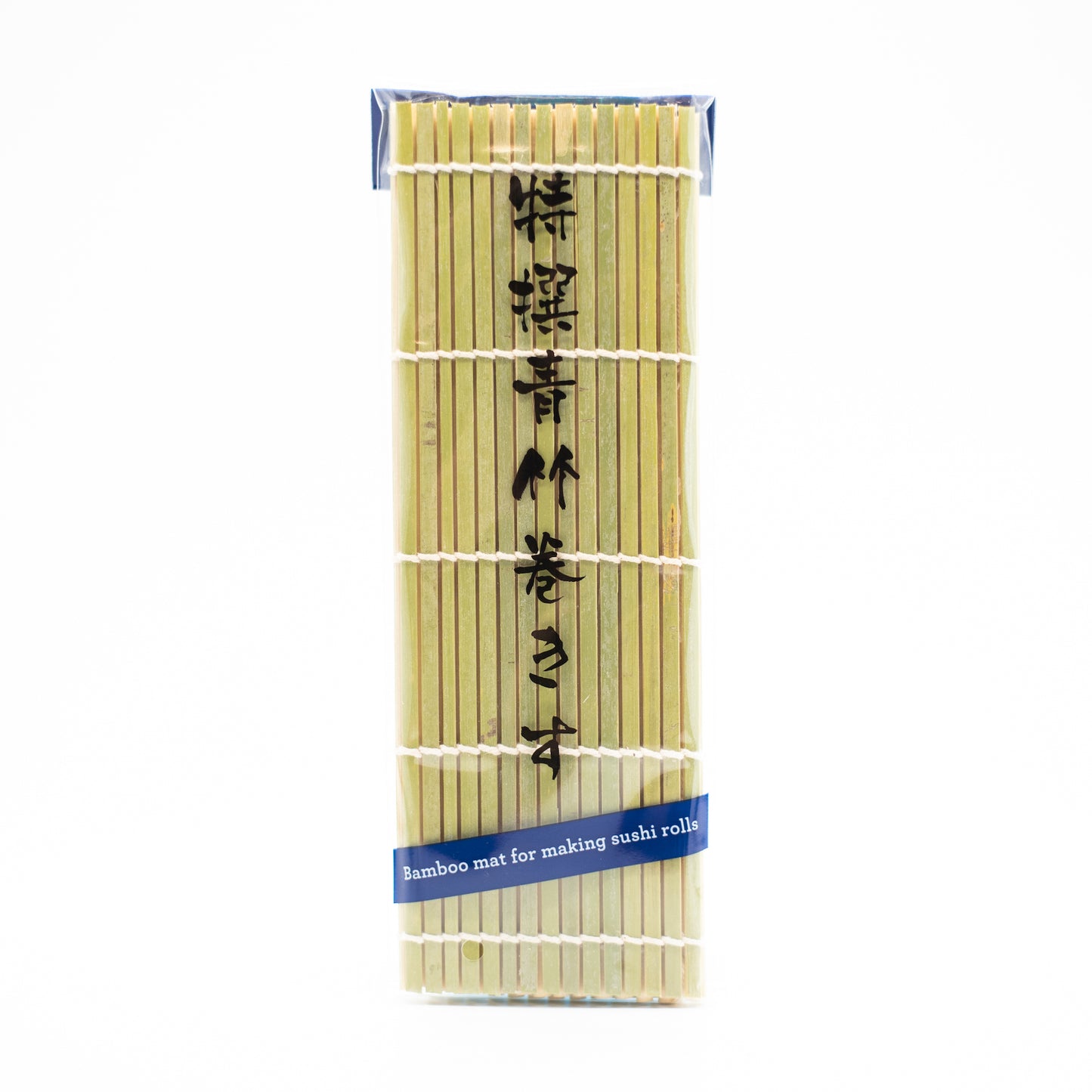
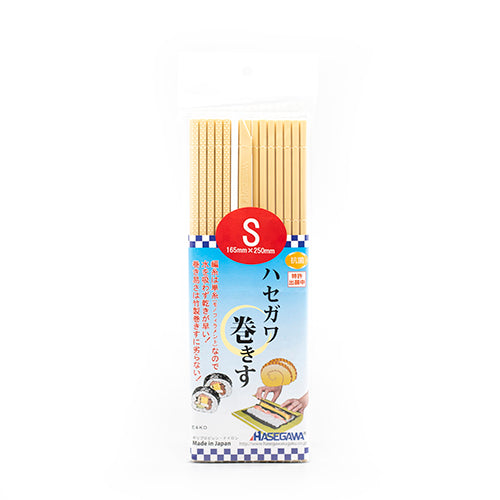
A maki mat, or bamboo rolling mat, is essential for crafting sushi rolls (makizushi). To use it, place a sheet of nori (seaweed) on the mat, spread an even layer of sushi rice over the nori, and add your desired fillings.

Then, lift the edge of the mat closest to you and begin rolling it away from you, applying gentle pressure to form a tight roll. Once rolled, use a sharp knife to slice the sushi into bite-sized pieces.

Get inspired with some recipes

Creamy vegetarian miso ramen recipe by Yuki Gomi

Creamy Vegetarian Miso Ramen with Soy & Dashi Recipe

Enjoy this quick to make, creamy vegetarian miso ramen with soy and dashi broth.

Mushroom and Edamame Takikomi Gohan Recipe

Mushroom and Edamame Takikomi Gohan Recipe

This recipe leans fully into plant-based comfort. The shiitake dashi gives the rice its depth, shimeji mushrooms add tenderness, while...

Honeyberry, Blackberry & Apple Crumble Recipe

Honeyberry, Blackberry & Apple Crumble Recipe

A classic British pudding recipe with a deep, tangy berry flavour — perfect with custard, cream, or ice cream.

Creamy vegetarian miso ramen recipe by Yuki Gomi

Creamy Vegetarian Miso Ramen with Soy & Dashi Recipe

Enjoy this quick to make, creamy vegetarian miso ramen with soy and dashi broth.

Mushroom and Edamame Takikomi Gohan Recipe

Mushroom and Edamame Takikomi Gohan Recipe

This recipe leans fully into plant-based comfort. The shiitake dashi gives the rice its depth, shimeji mushrooms add tenderness, while the edamame bring little bursts of sweetness and a bright pop of green. The whole thing is light but still satisfying.

Honeyberry, Blackberry & Apple Crumble Recipe

Honeyberry, Blackberry & Apple Crumble Recipe

A classic British pudding recipe with a deep, tangy berry flavour — perfect with custard, cream, or ice cream.