



Japanese Barbecues

Filter by

Availability
0 selected Reset
Price
The highest price is £490.00 Reset
£
£
£54.00
( / )
£59.00
( / )
Out of stock
£62.00
( / )
Out of stock
£69.00
( / )
£99.00
( / )
£105.00
( / )
Out of stock
£239.00
( / )
Out of stock
£279.00
( / )
Out of stock
£425.00
( / )
£359.00
( / )
£390.00
( / )
Out of stock
£490.00
( / )
£490.00
( / )
£257.00
( / )
£19.00
( / )
£4.50
( / )
From £3.50
( / )
From £8.50
( / )
Out of stock
£11.95
( / )
£11.50
( / )
£16.95
( / )
Out of stock
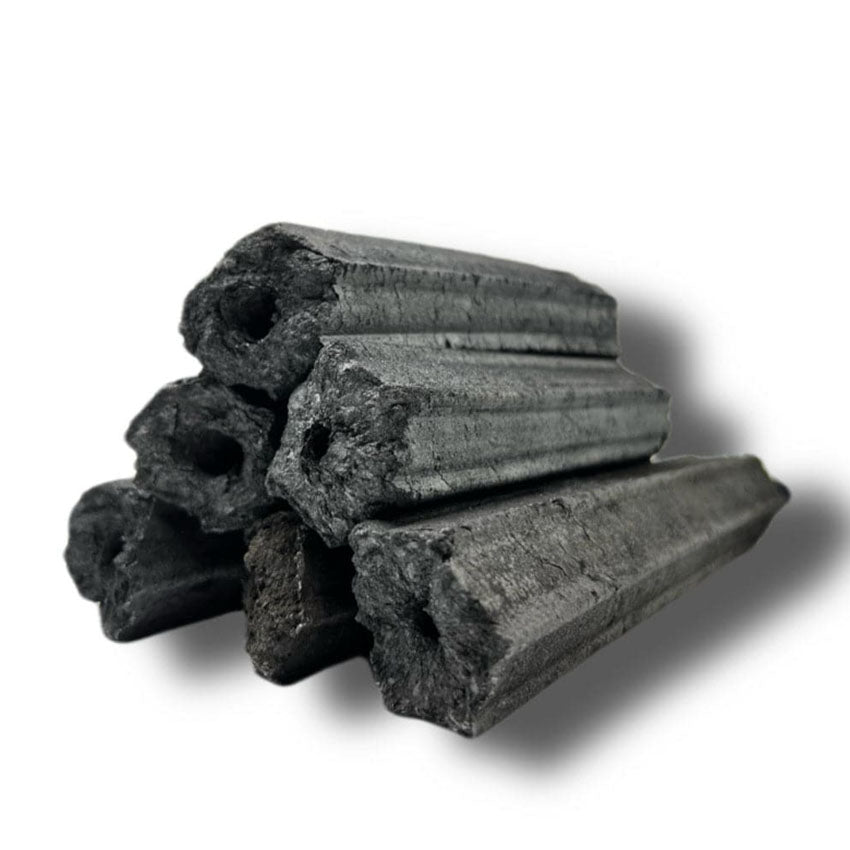
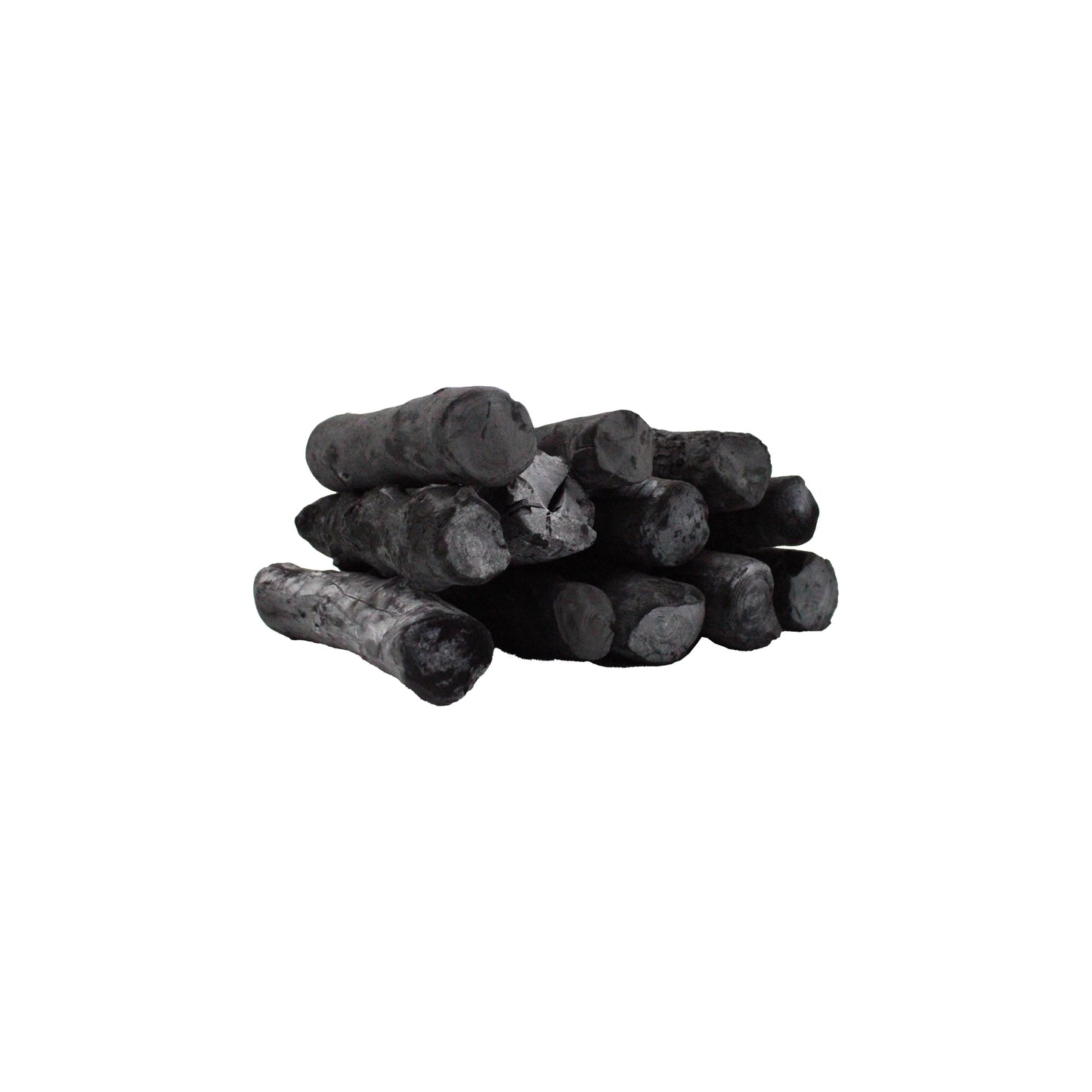
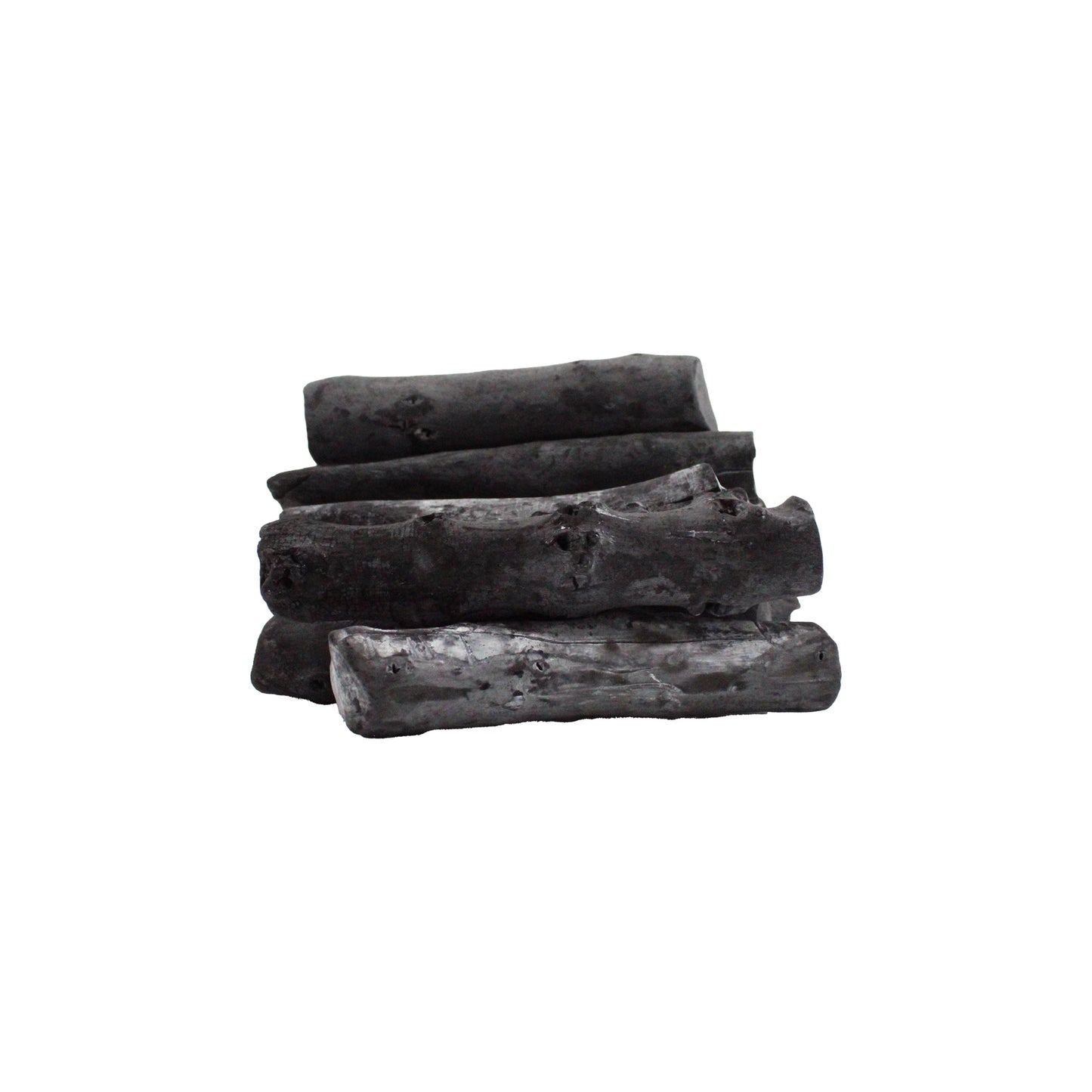
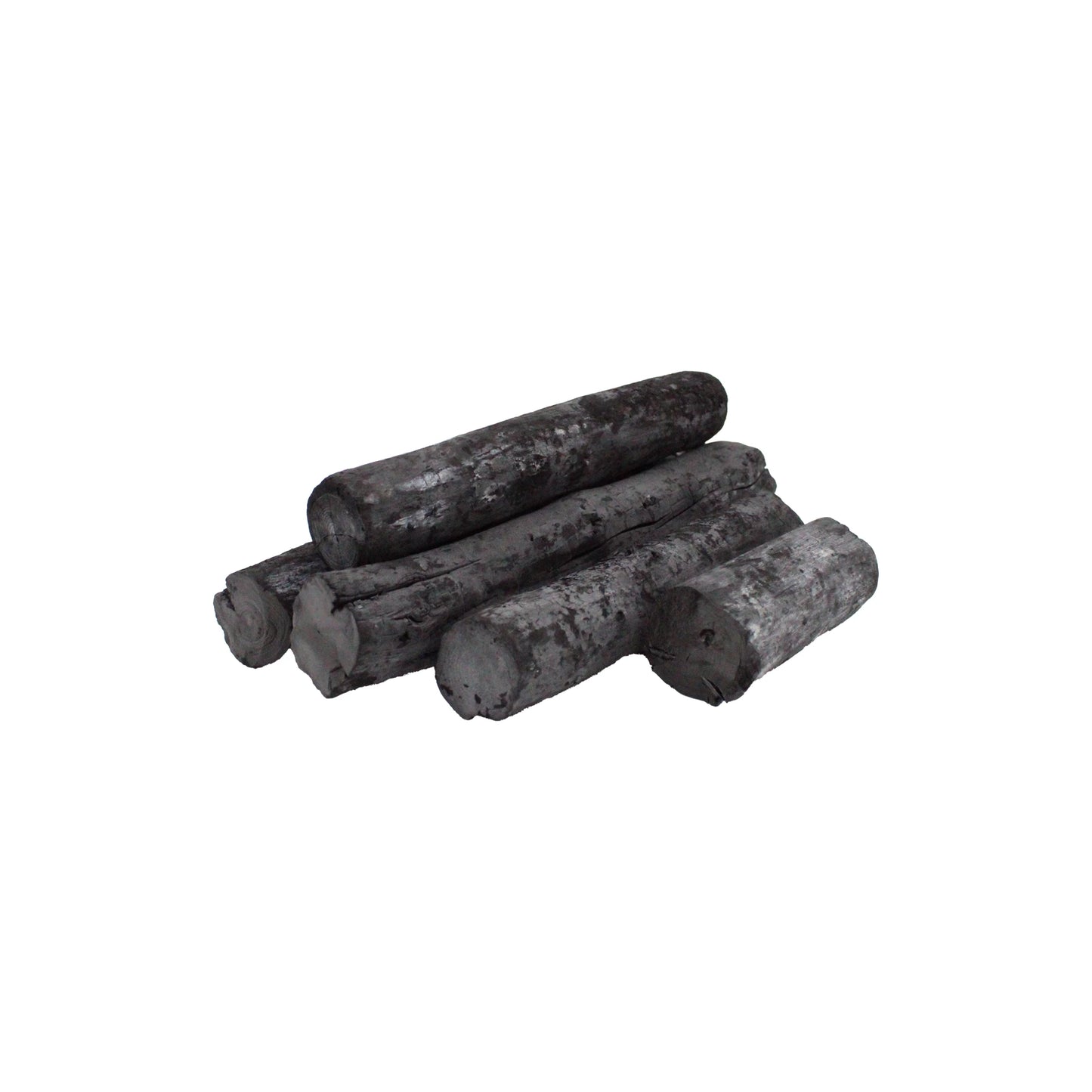
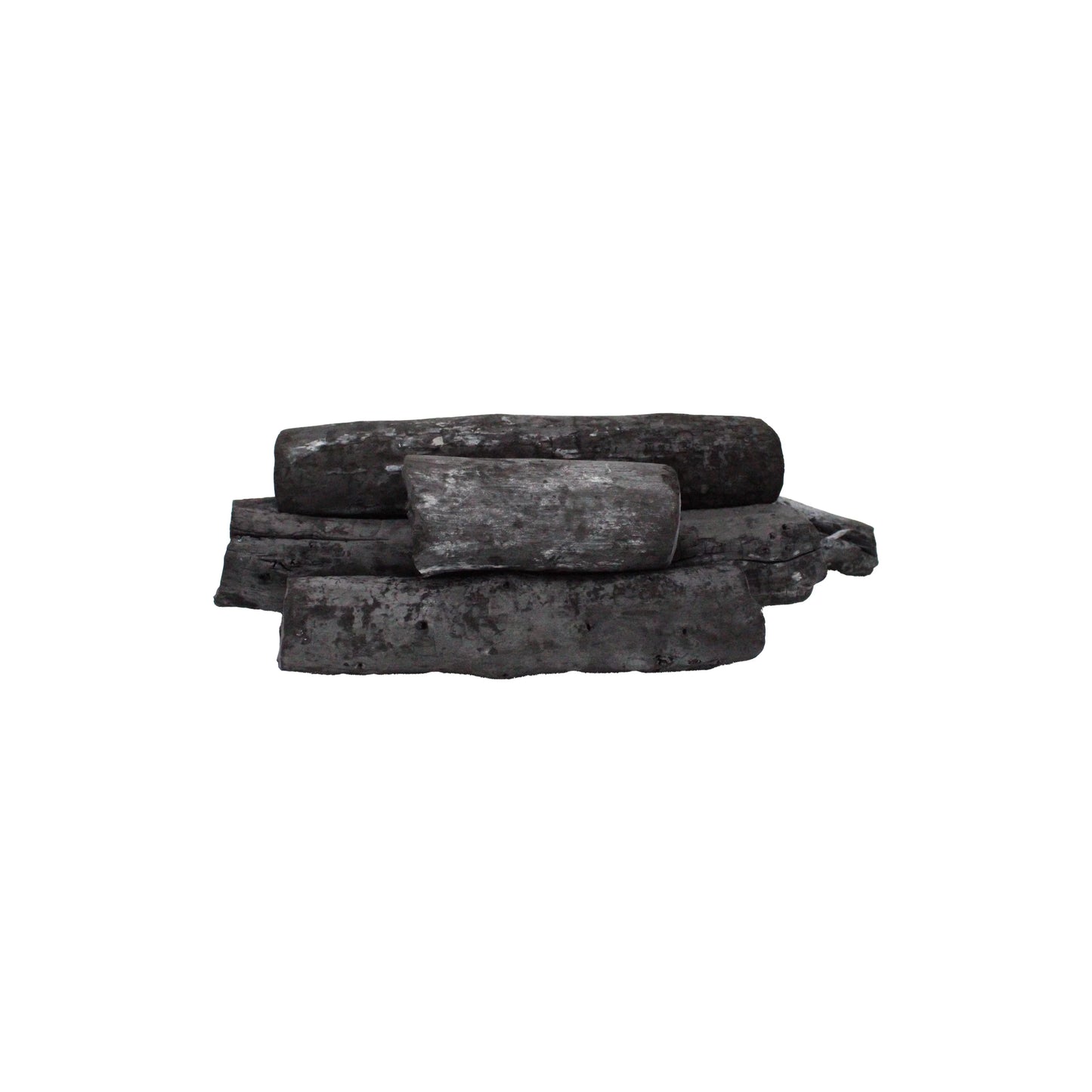
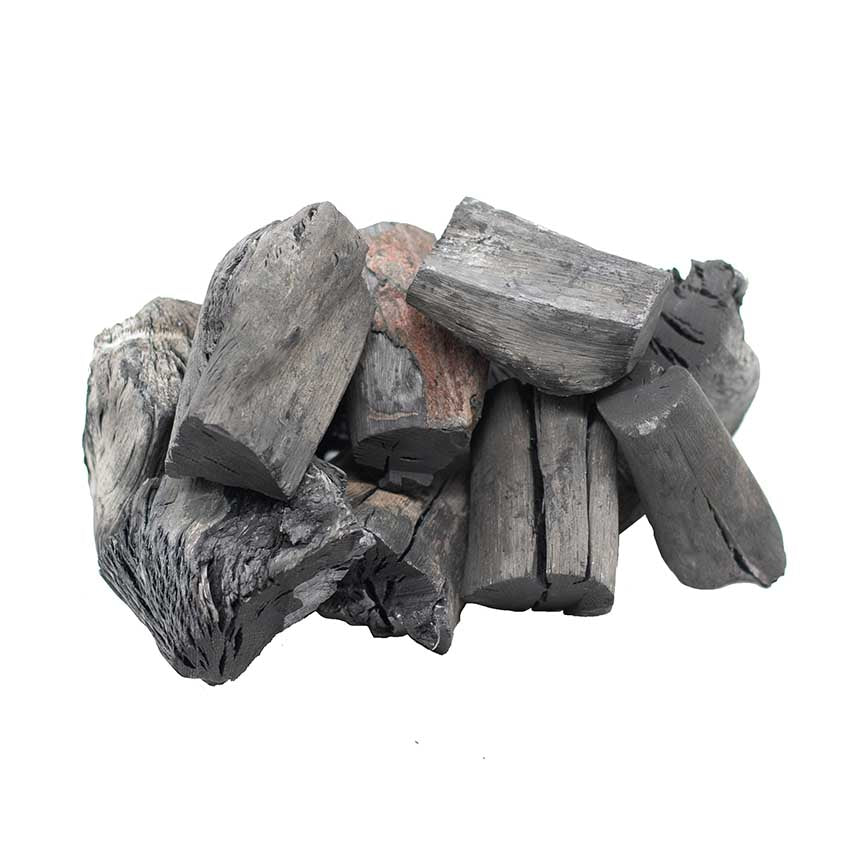
Several pieces of Binchotan Komaru charcoal from Laos (1kg), crafted using traditional Japanese techniques, are stacked together on a white background.
£11.95
( / )
From £2.50
( / )
£7.00
( / )
    American Express Apple Pay Google Pay Maestro Mastercard PayPal Shop Pay Visa

Frequently asked questions

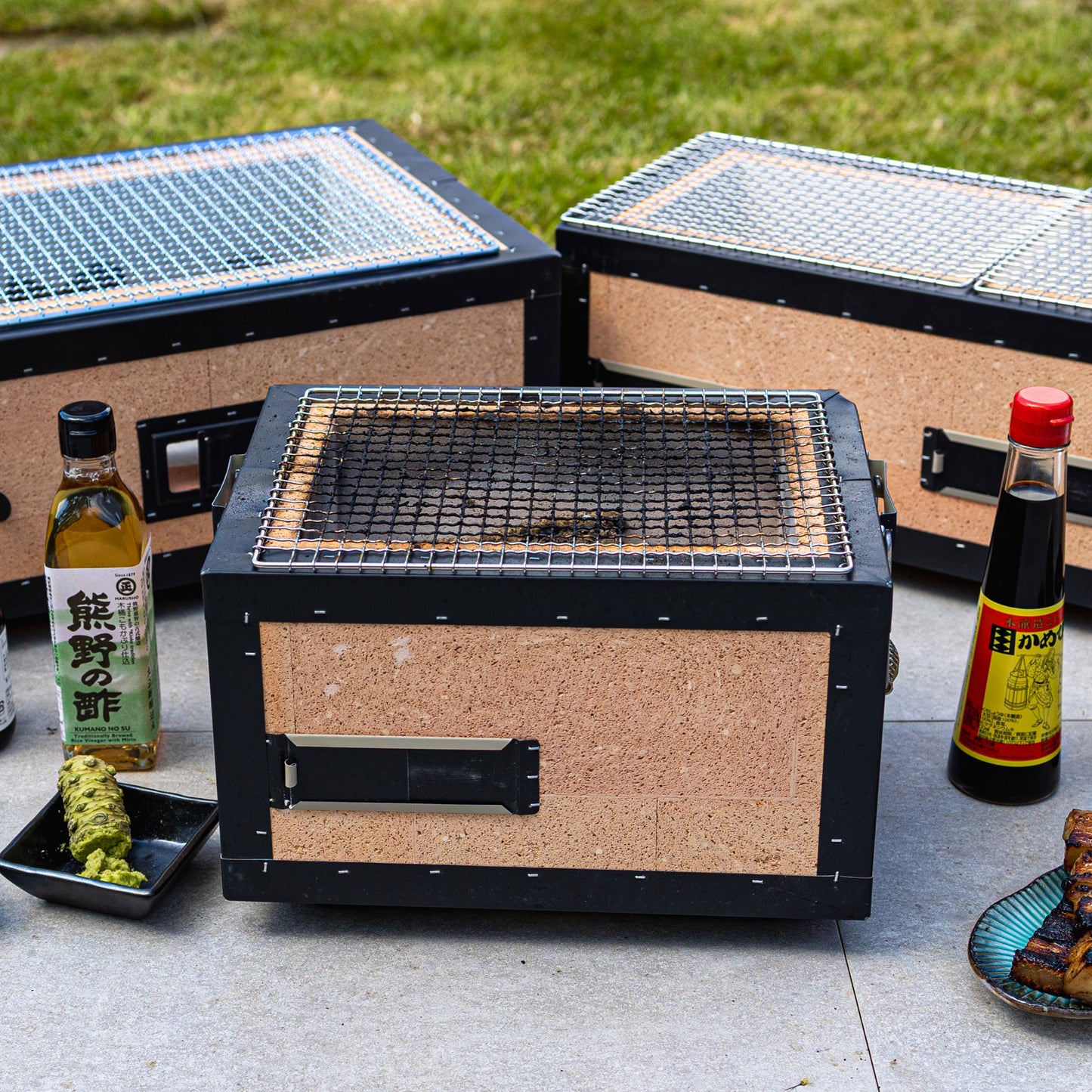
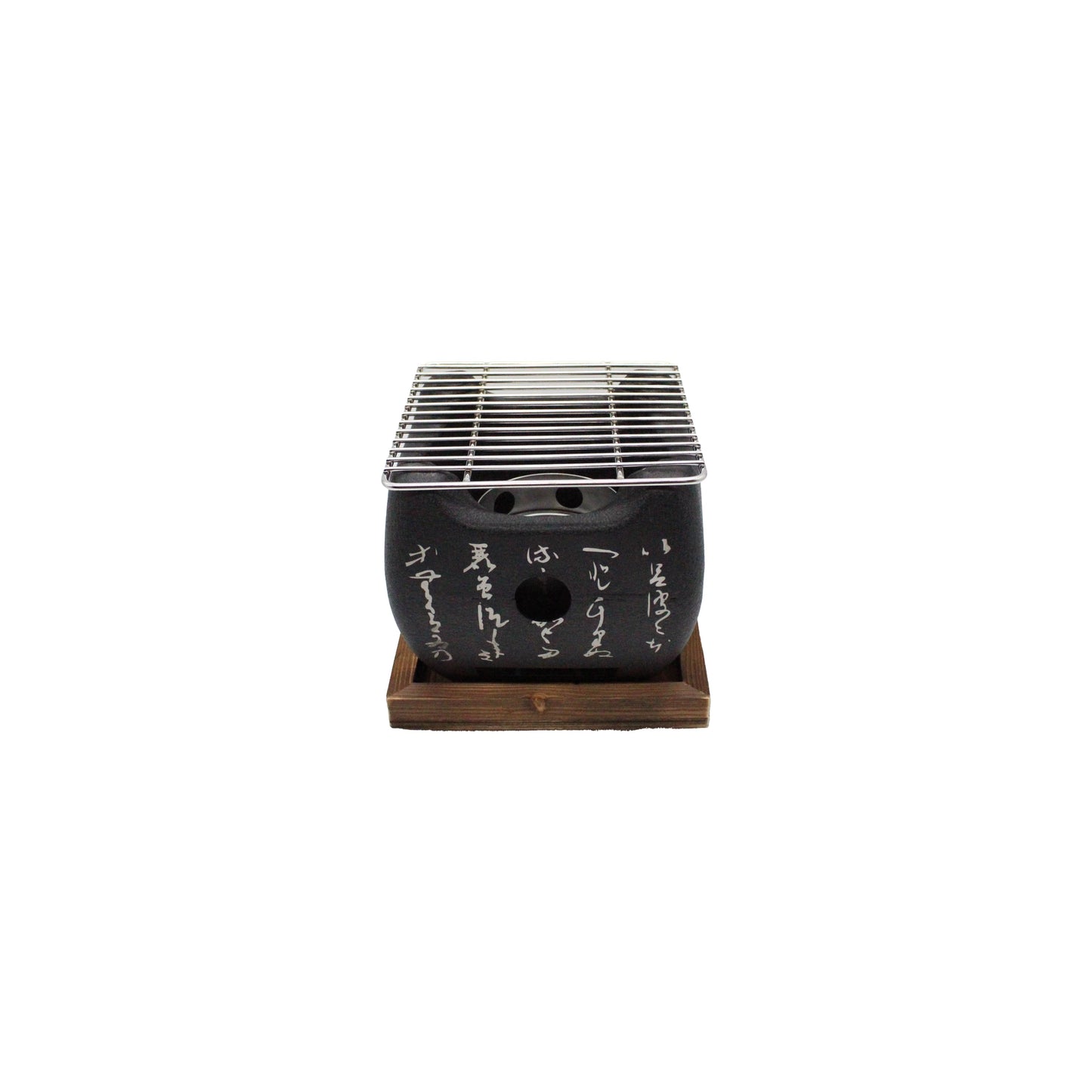
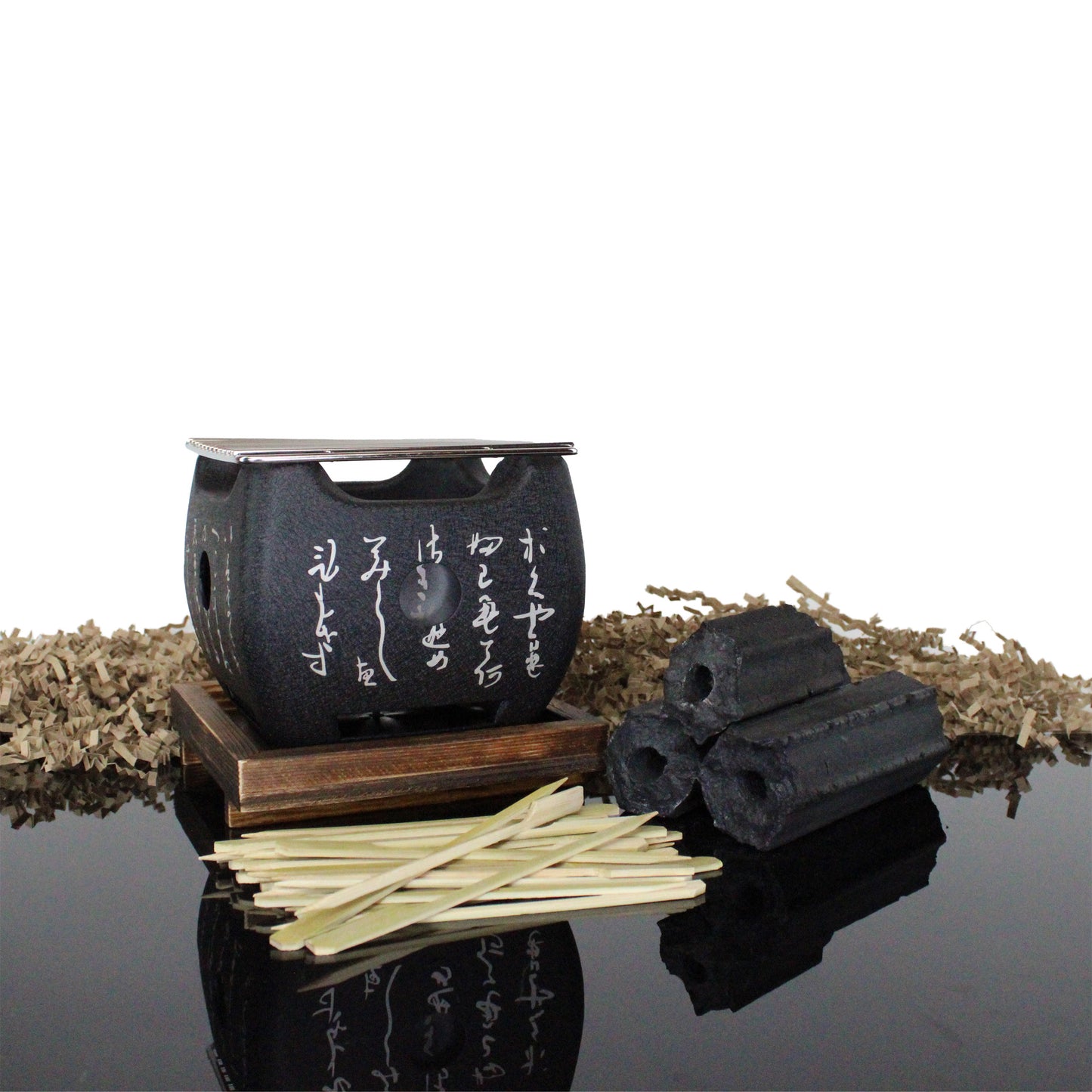
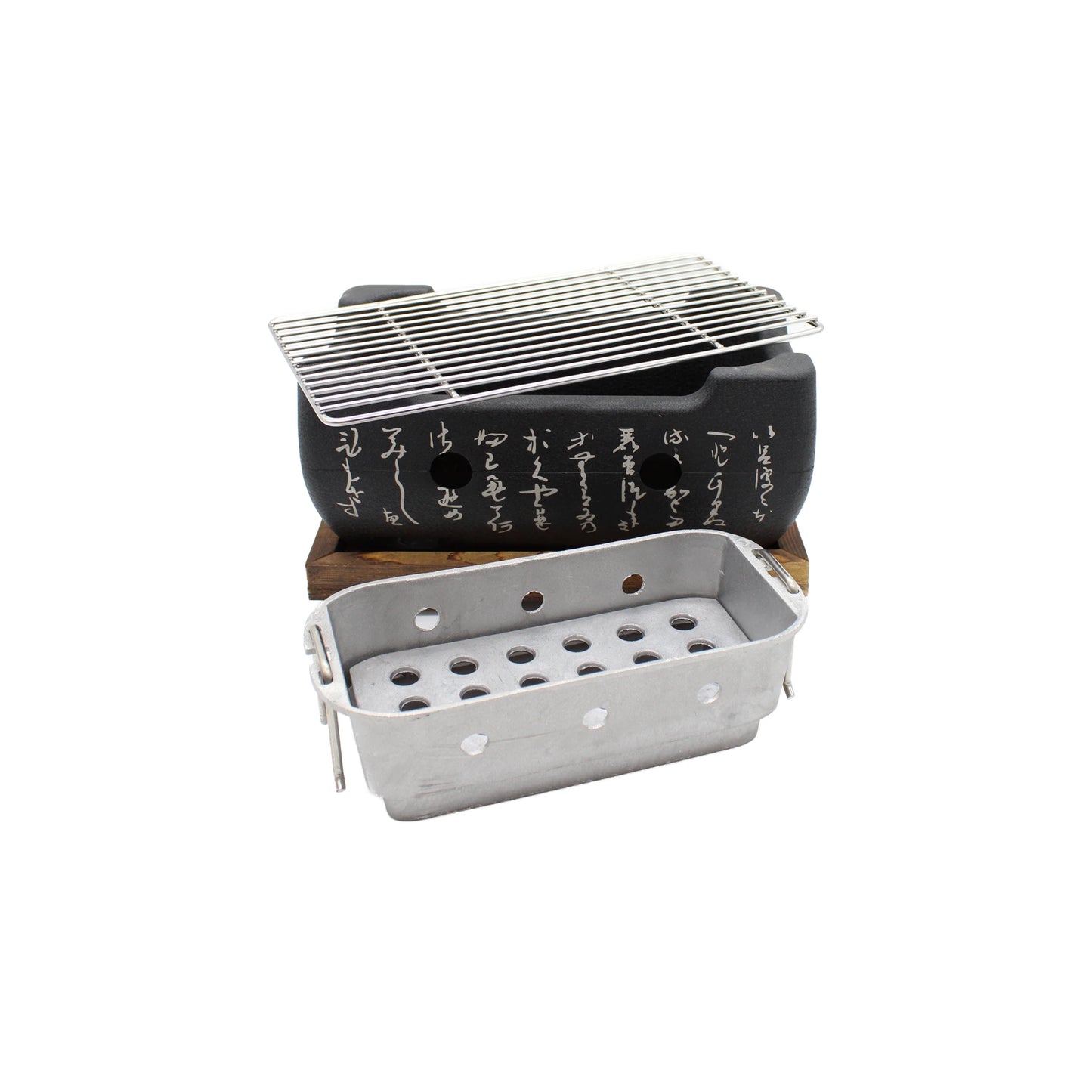
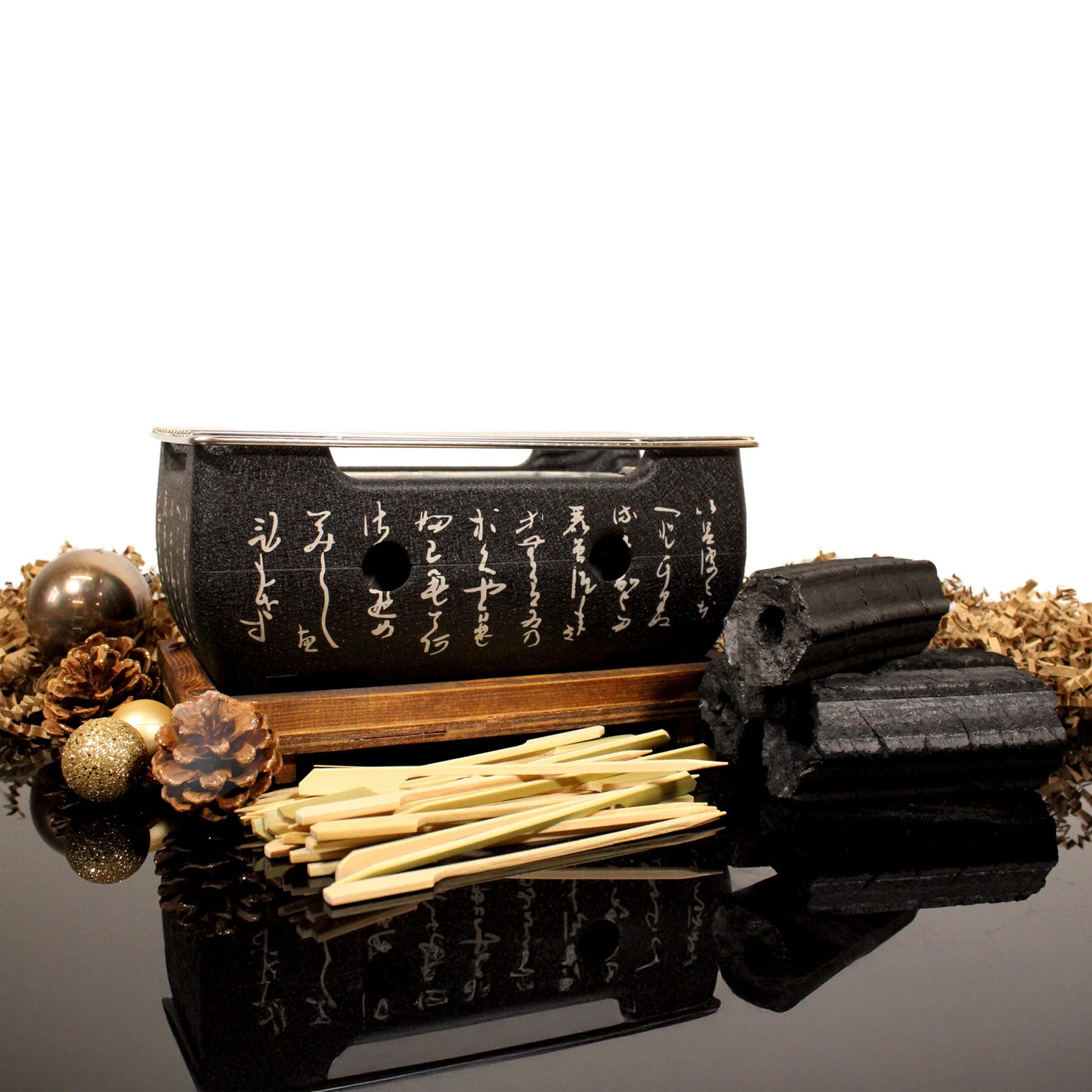
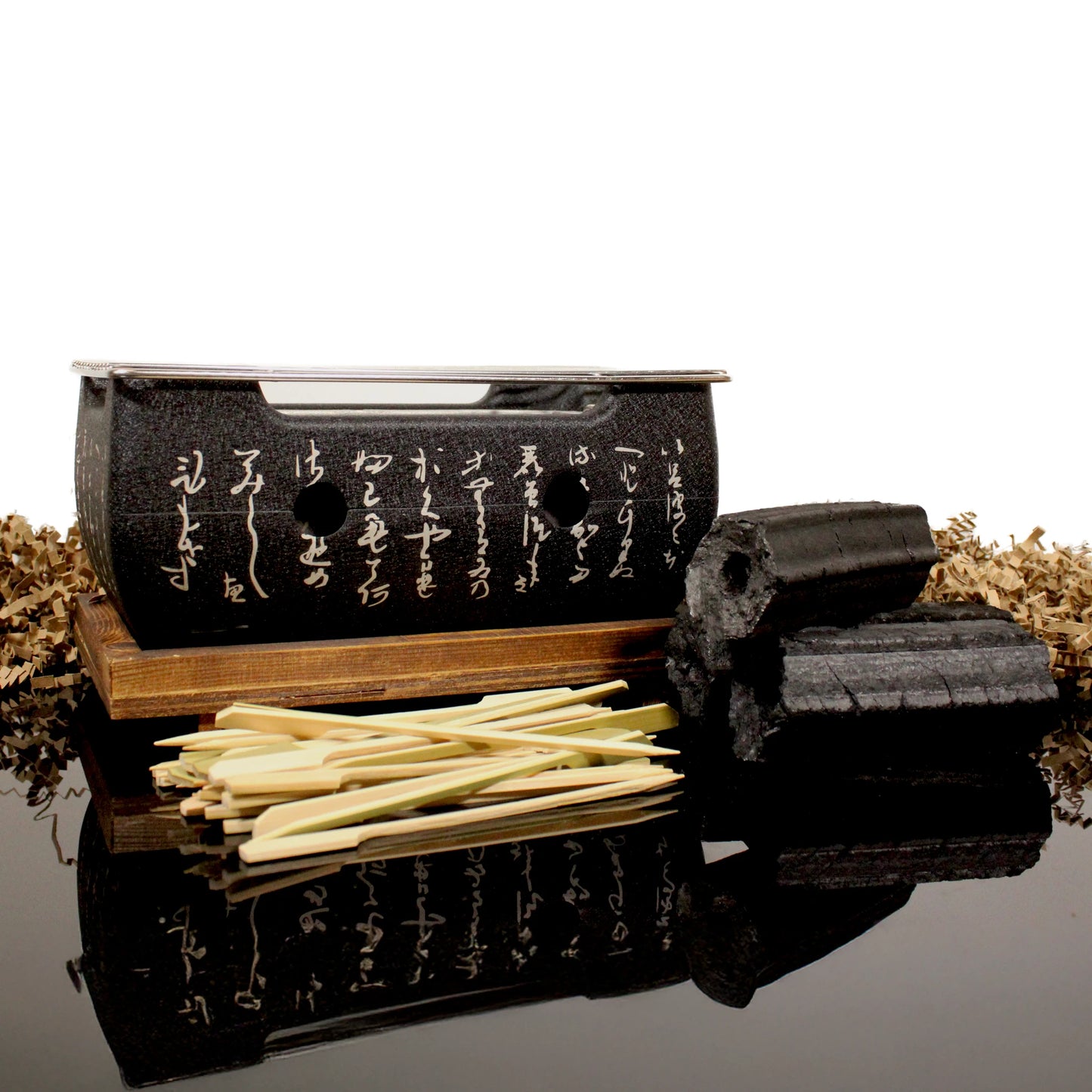
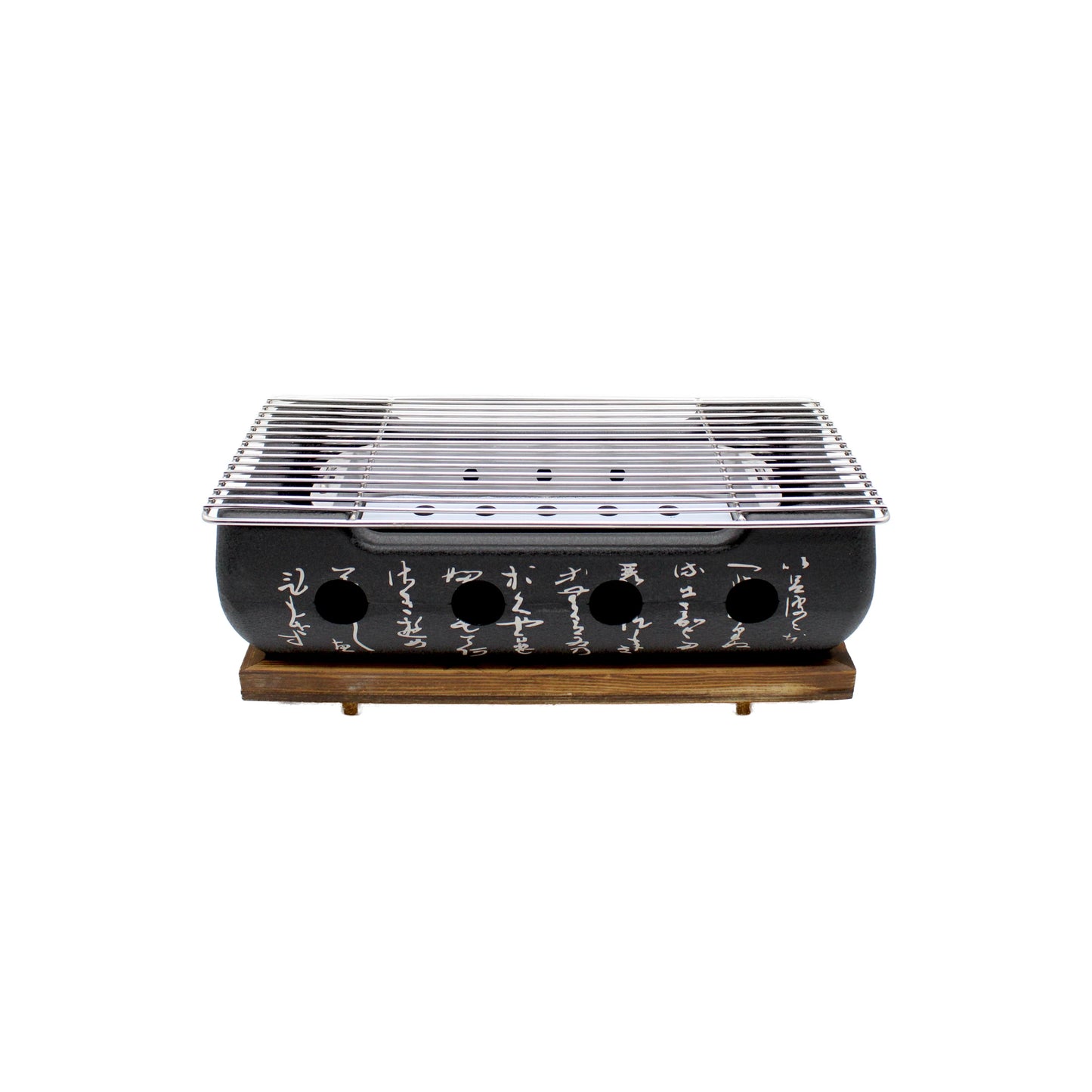
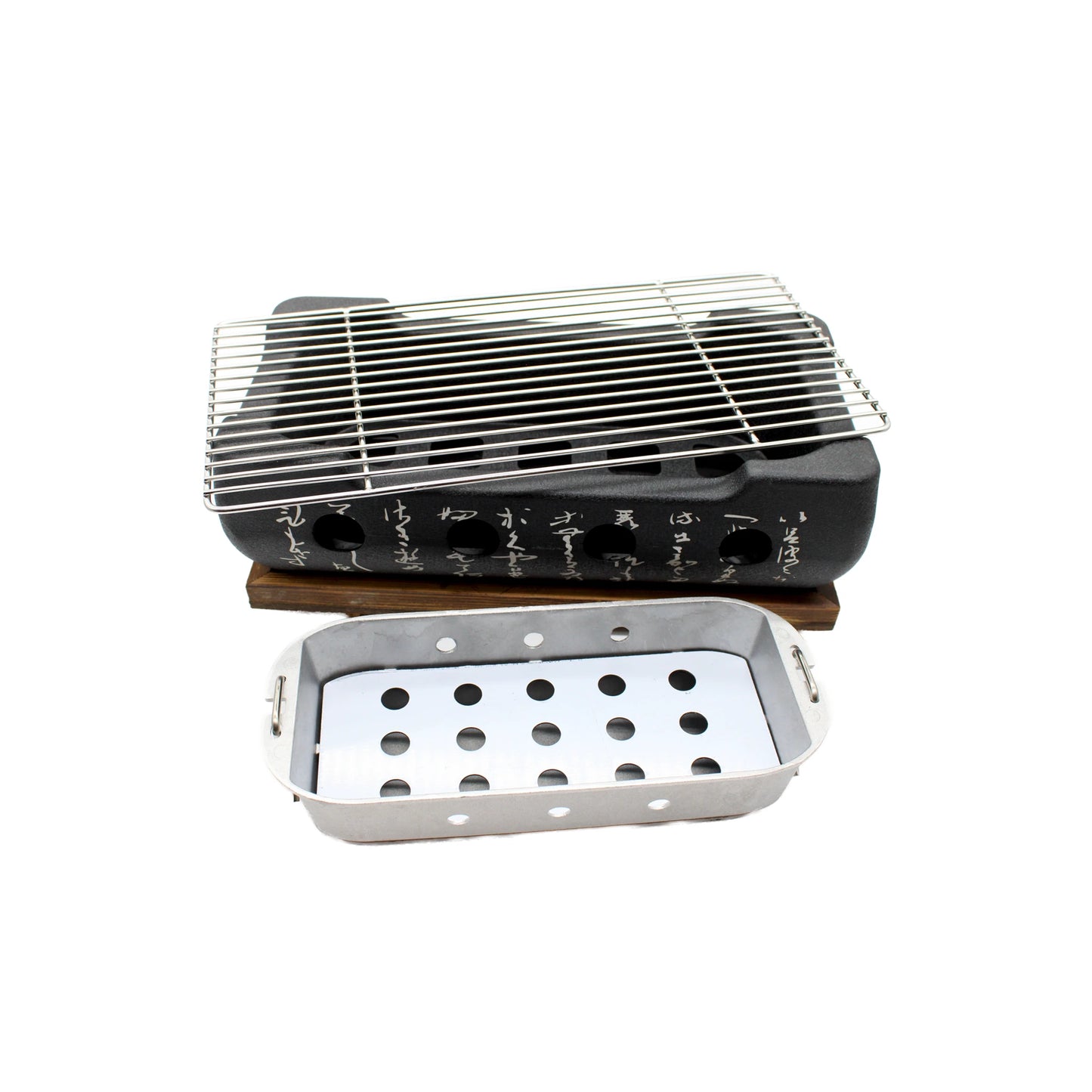
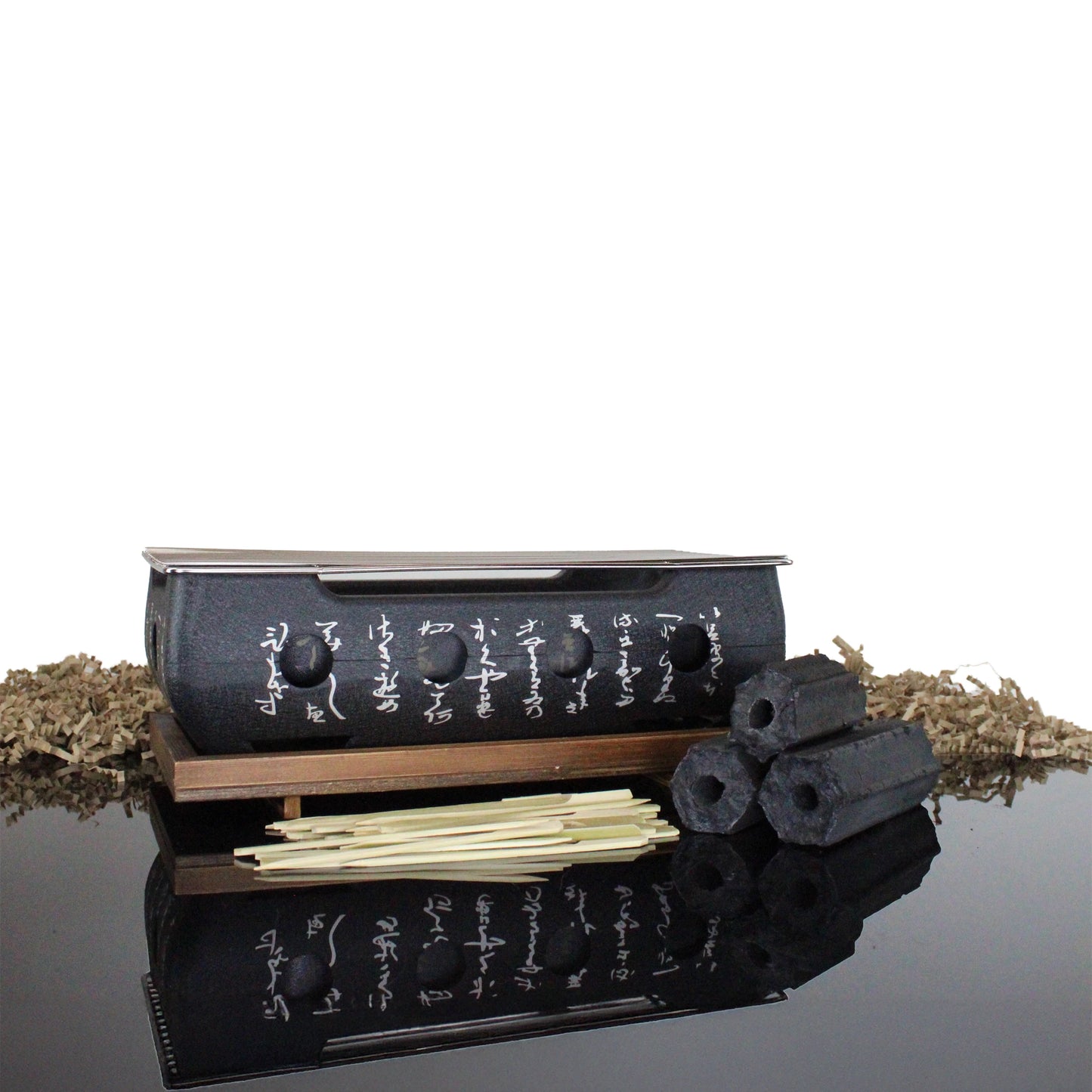
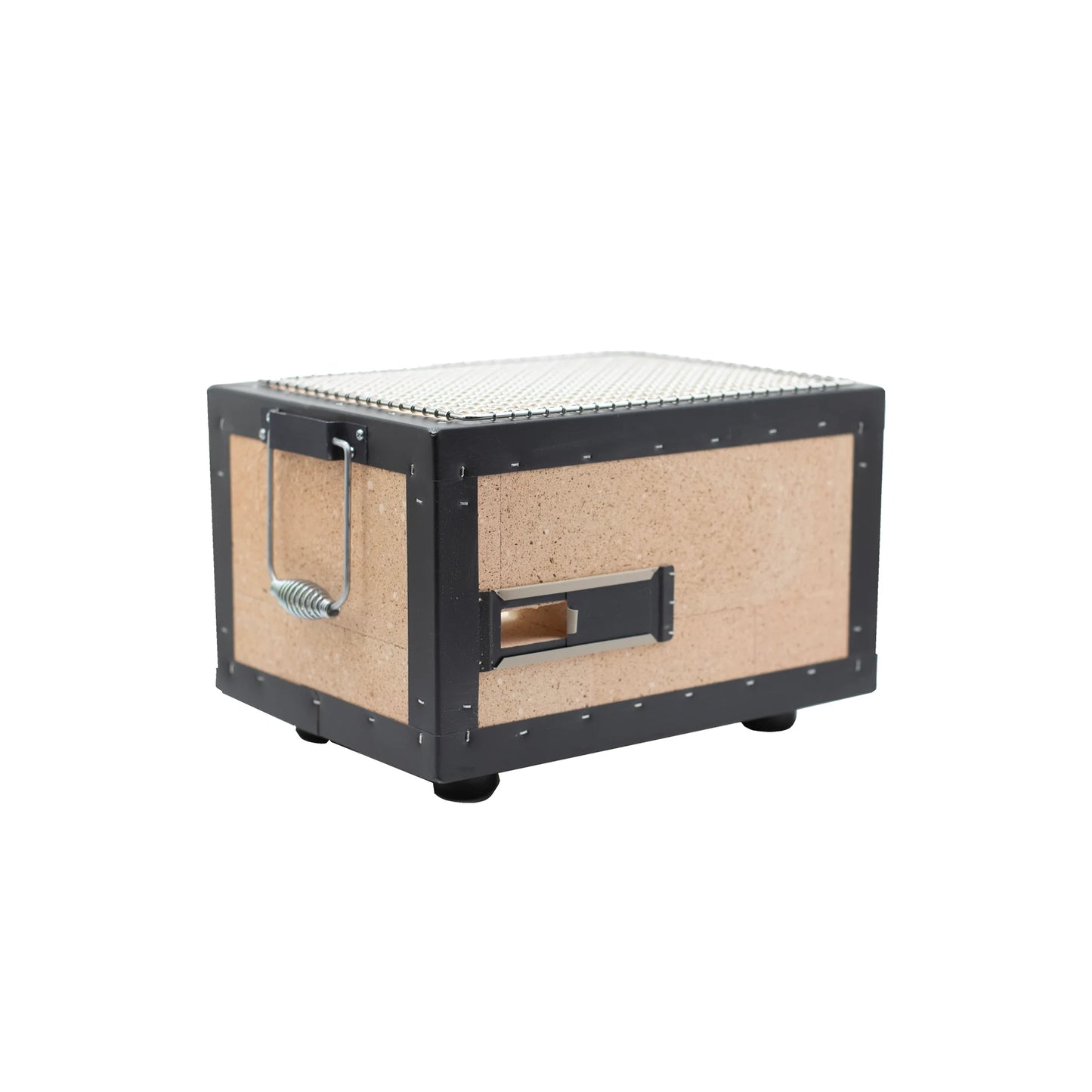
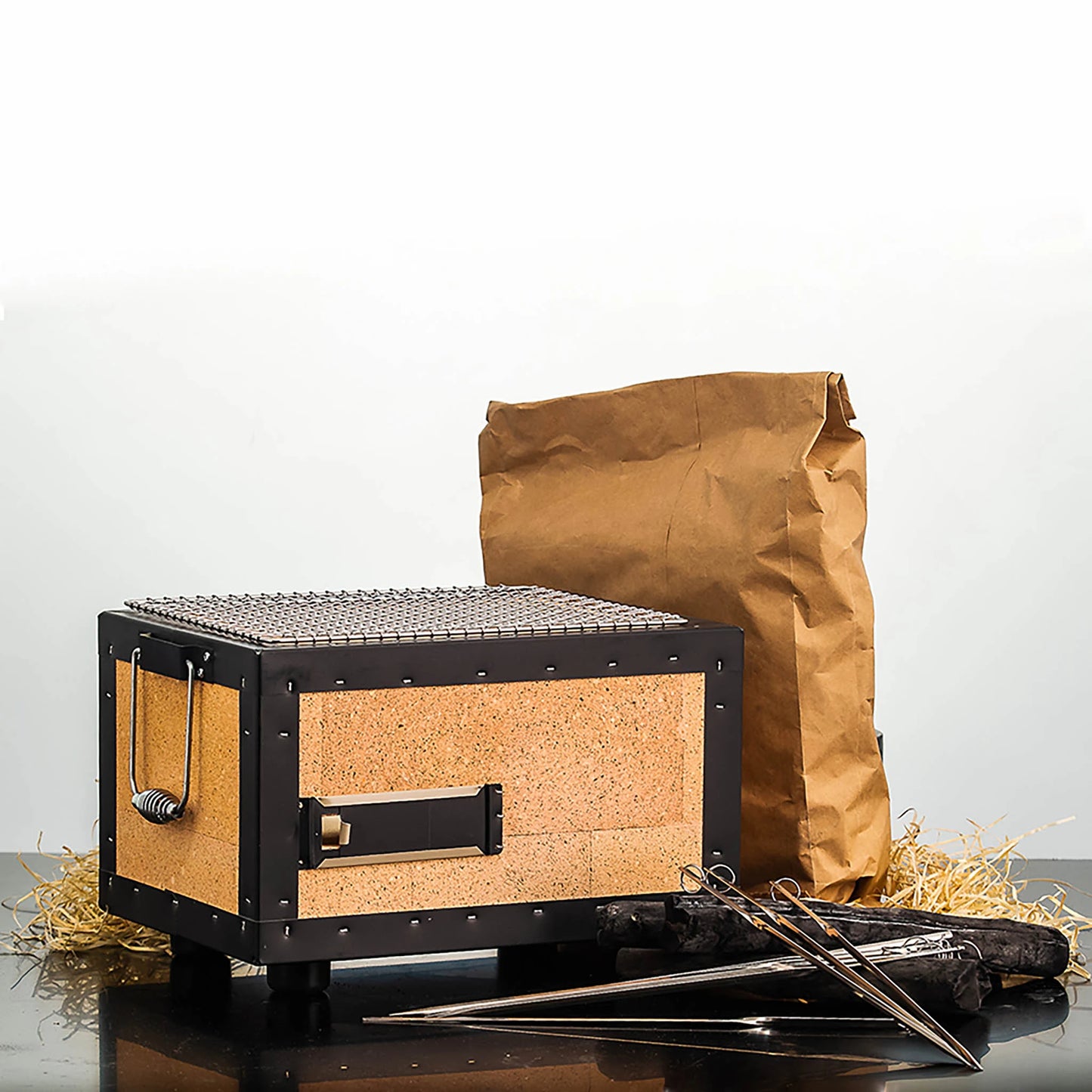
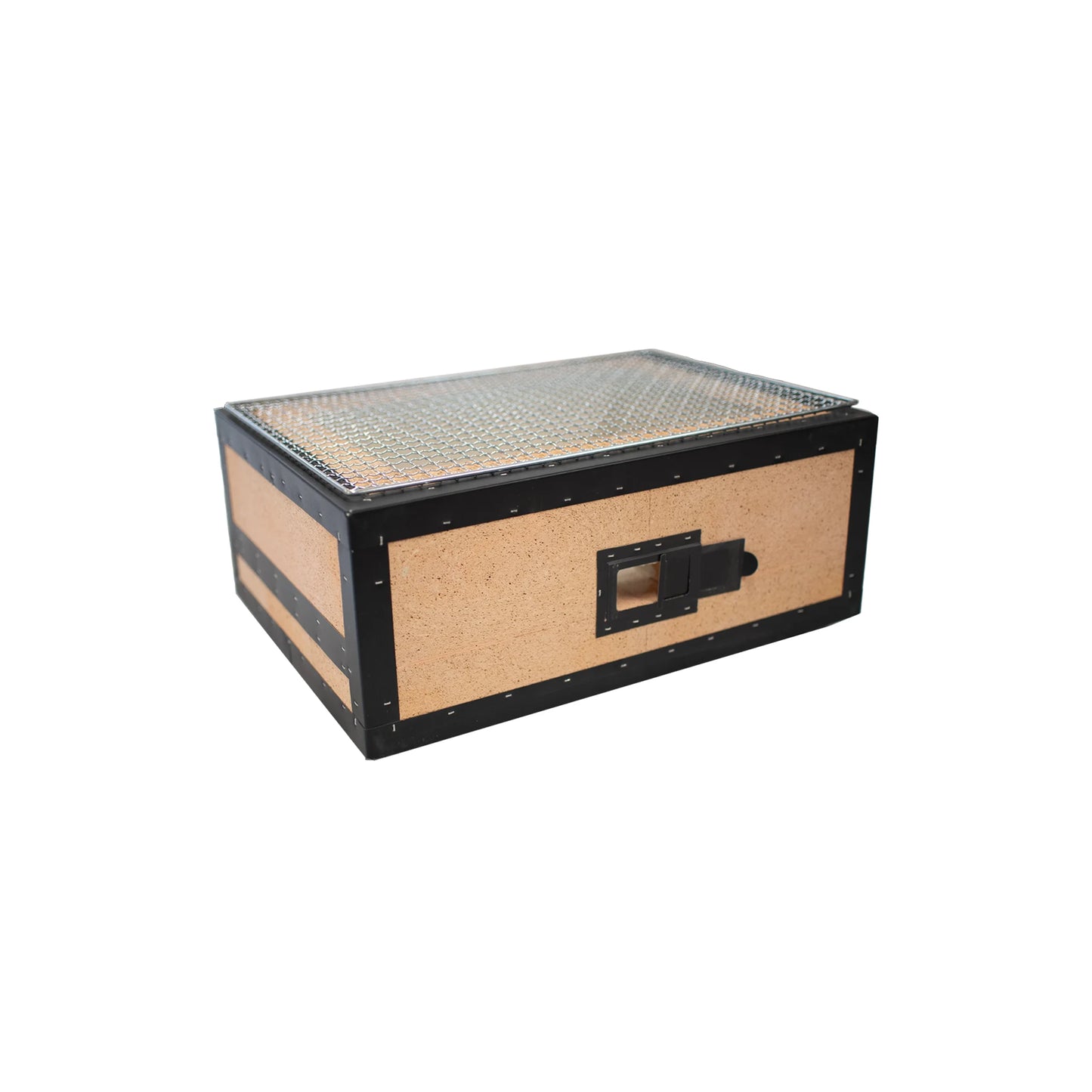
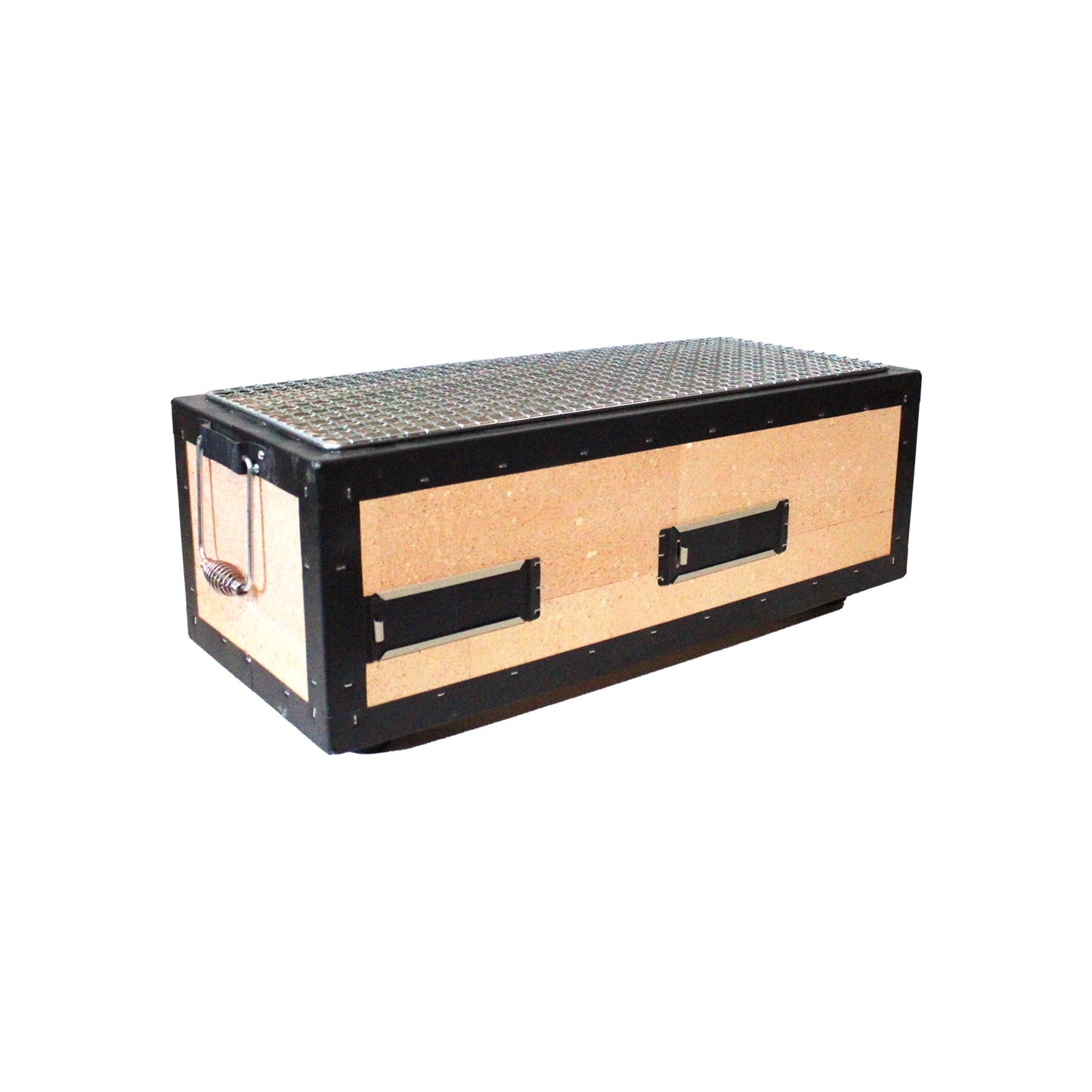
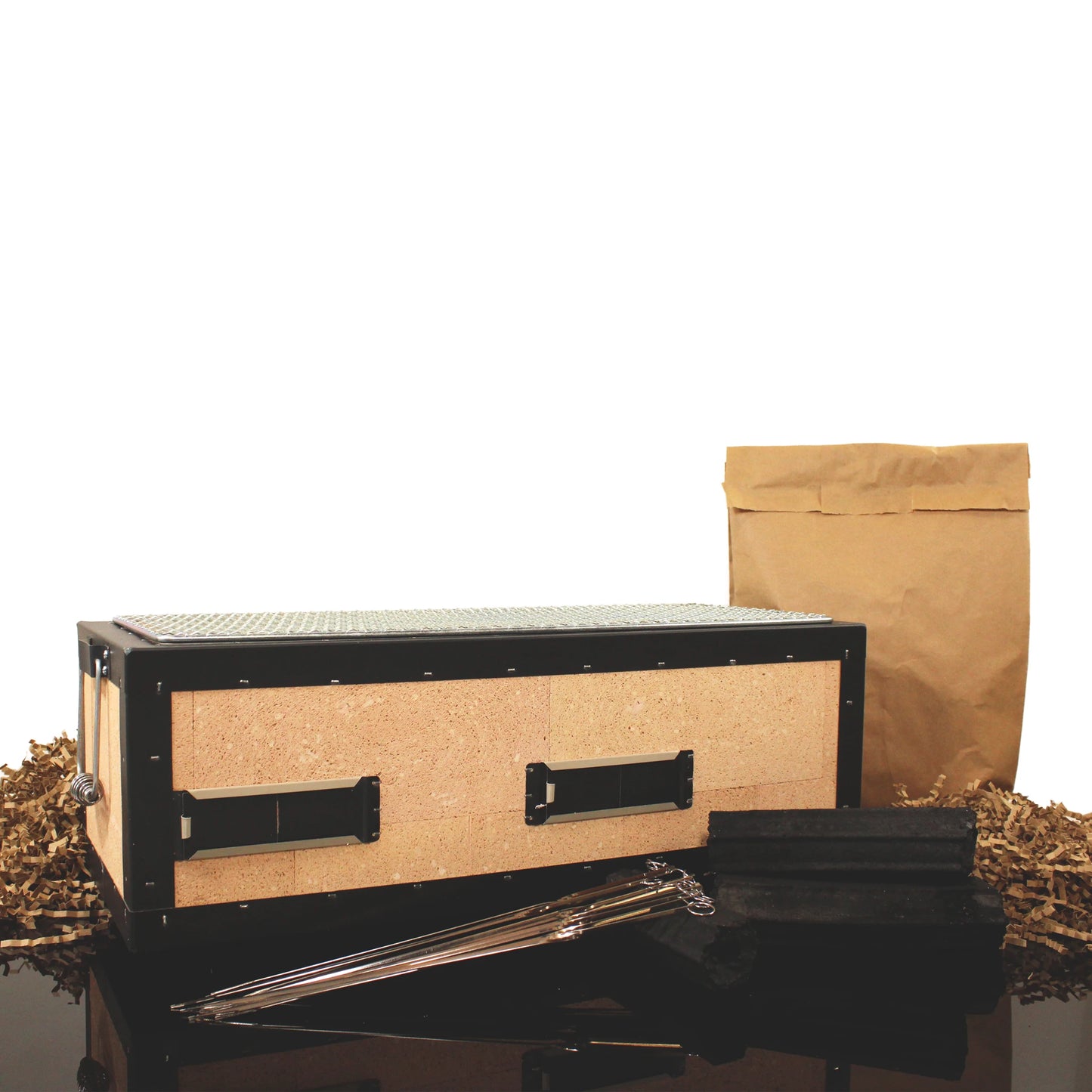
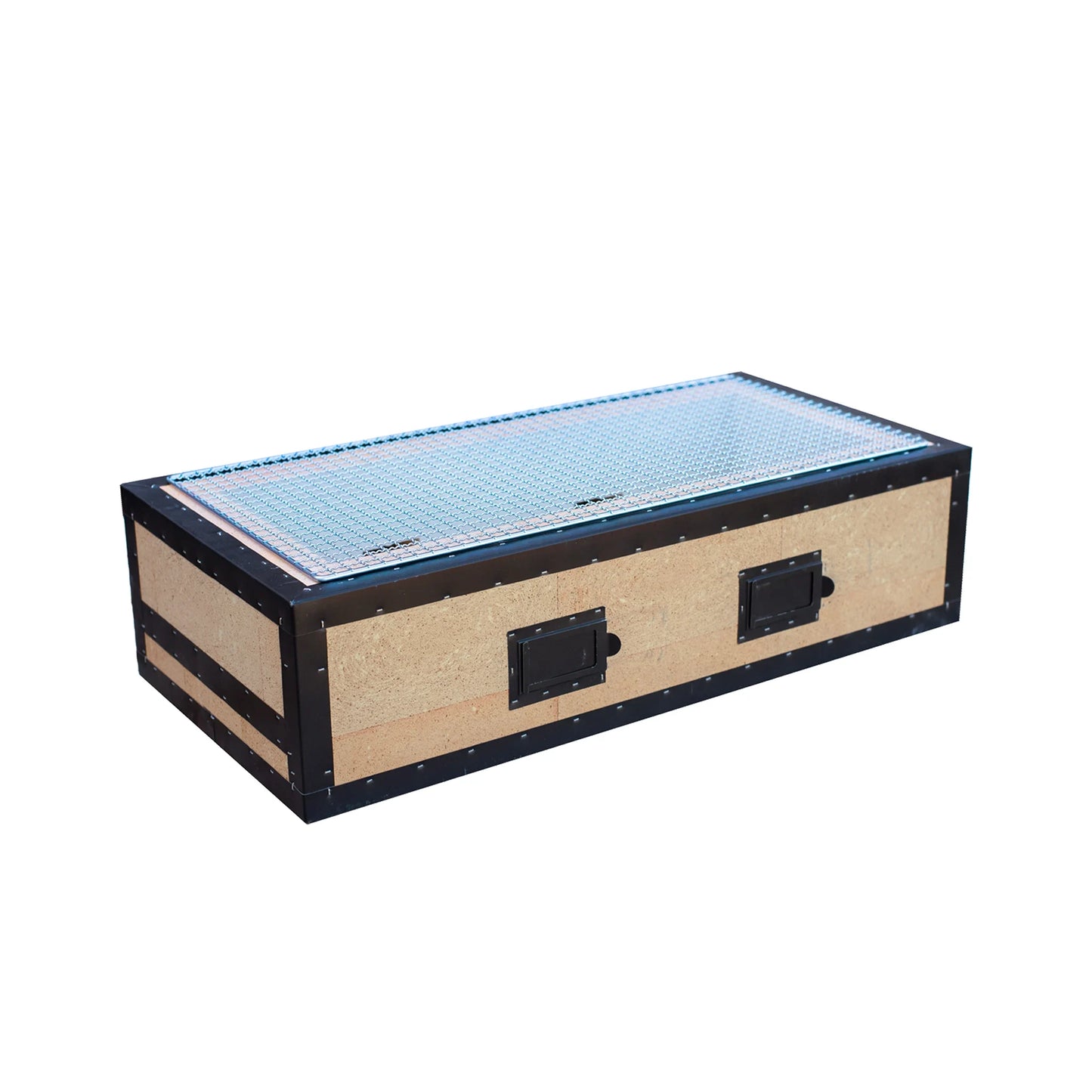
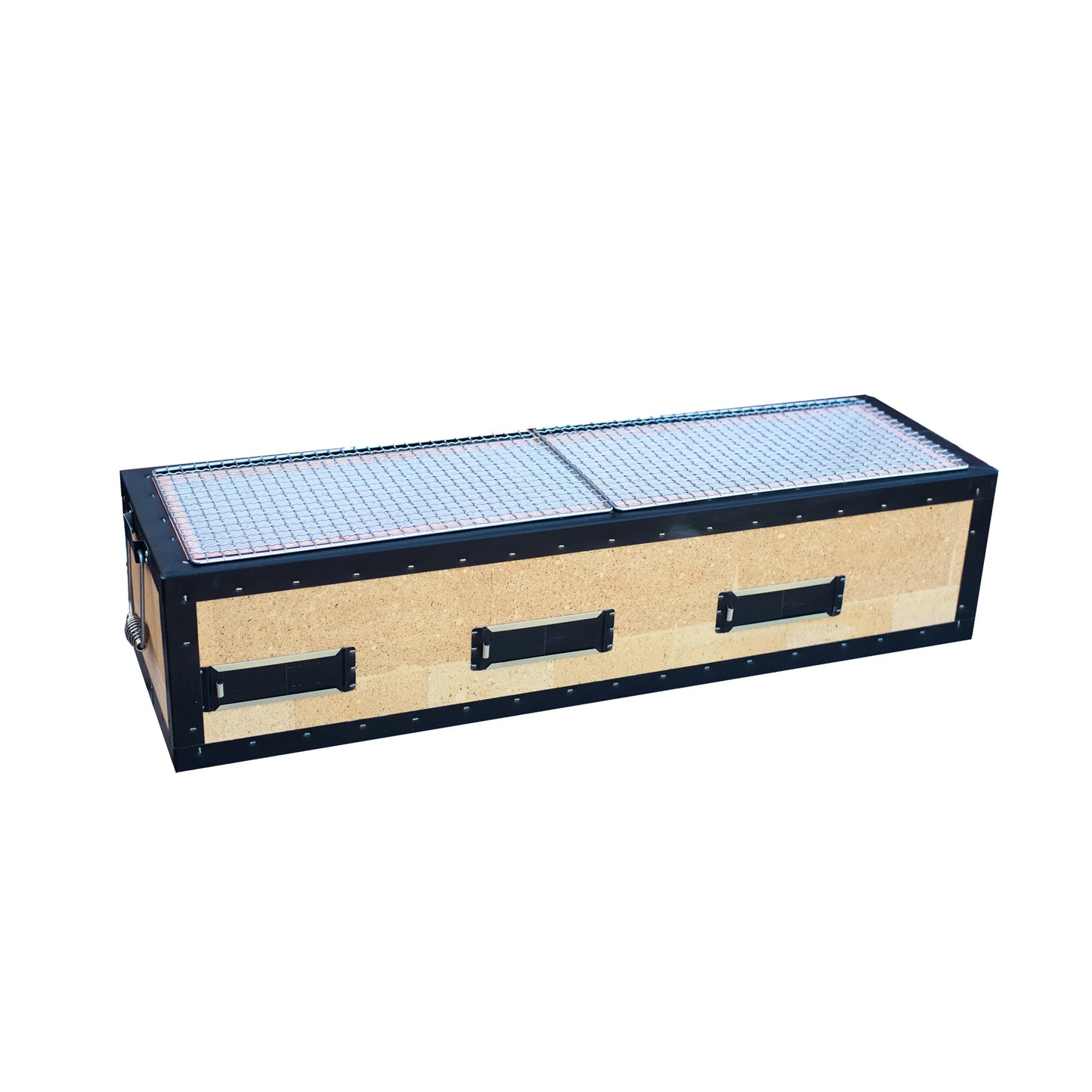
Konro grills are built for a specific style of cooking: fast, direct charcoal grilling in a compact, insulated body. That insulation helps the grill hold heat efficiently, giving you more control over timing and colour than a general-purpose charcoal barbecue.

Konro grills are often grouped together with hibachi BBQs and other Japanese charcoal grills, but they’re designed for a more specific style of cooking. In Japan, a Konro is typically used for high-heat, close-contact grilling, where food is cooked quickly and precisely over charcoal rather than slowly over indirect heat.

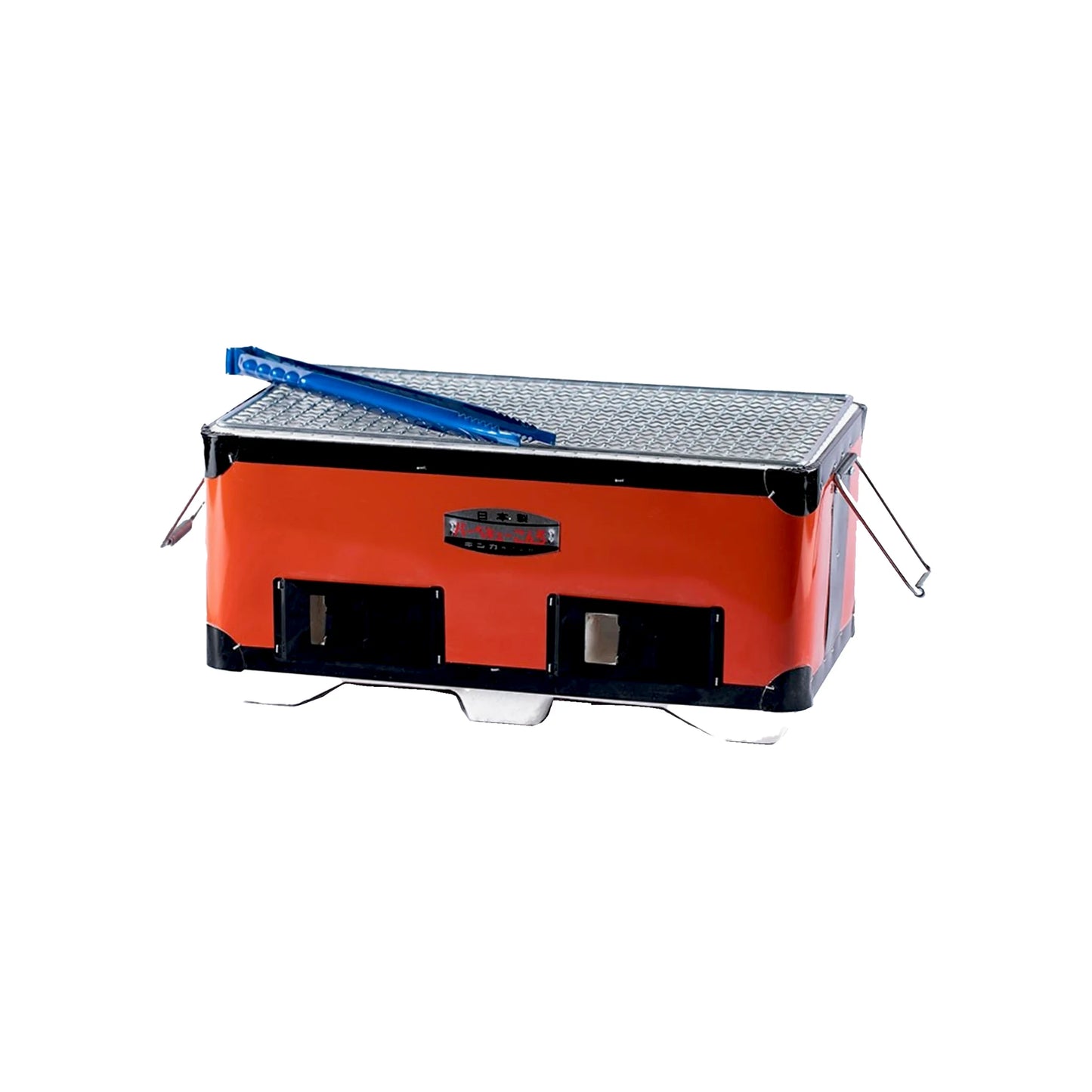
Hibachi grills, as the term is often used outside Japan, tend to be more general-purpose tabletop grills. They usually offer less insulation and a broader cooking surface, making them better suited to casual grilling rather than focused, high-temperature cooking. Shichirin grills, which are sometimes confused with Konro grills, sit somewhere in between, offering versatility but less heat concentration.

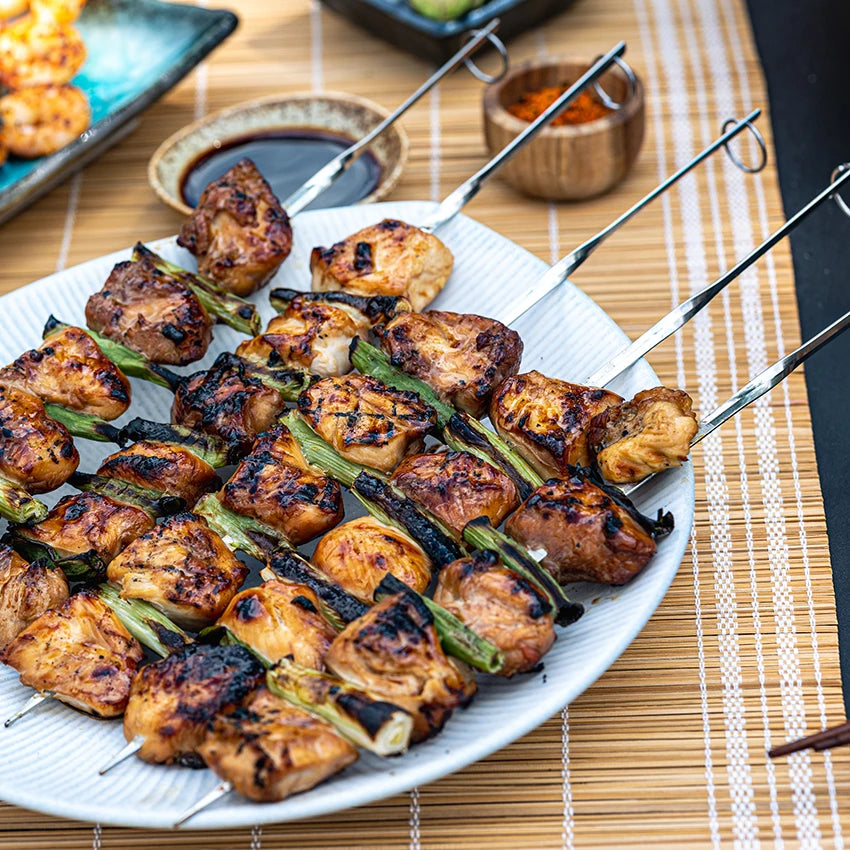
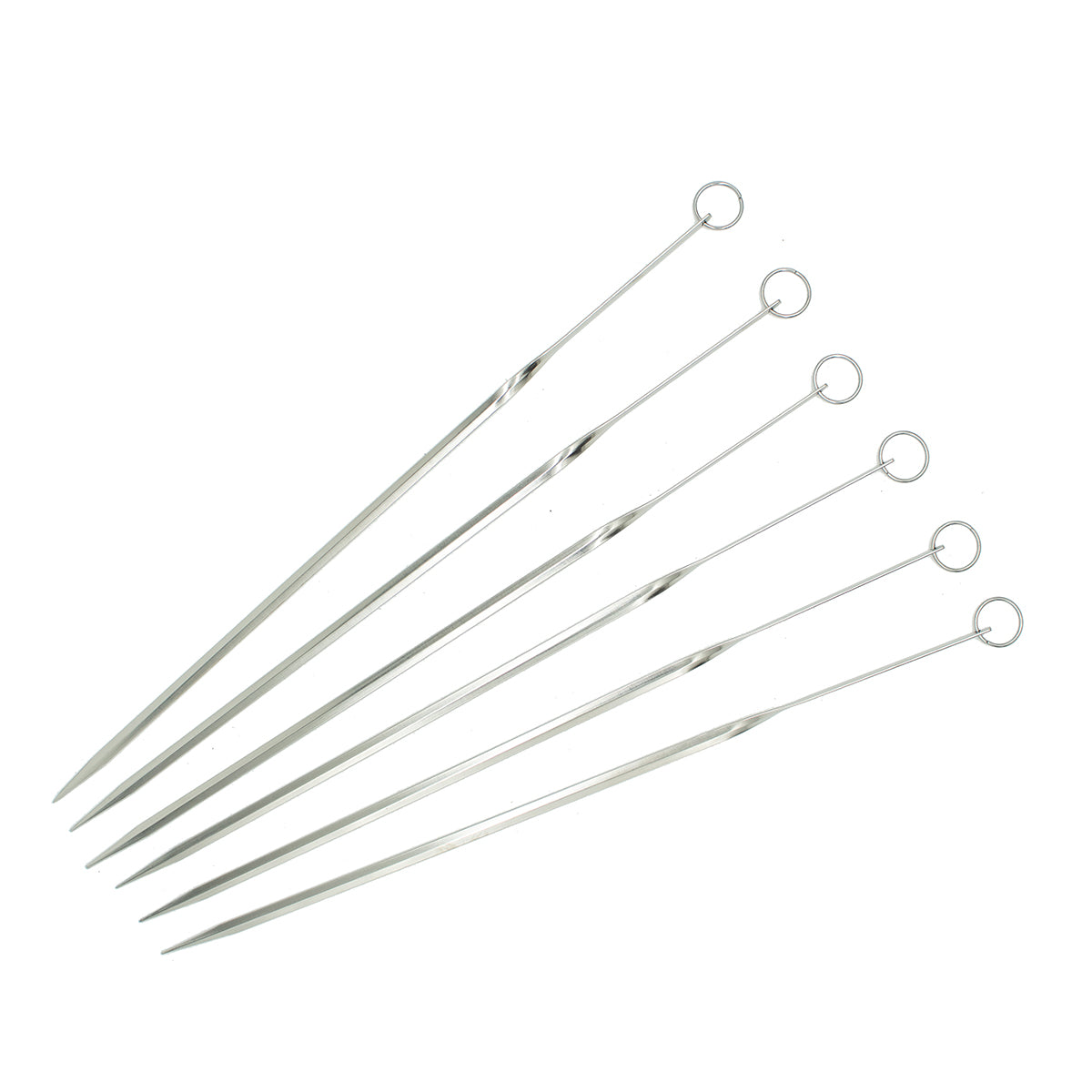
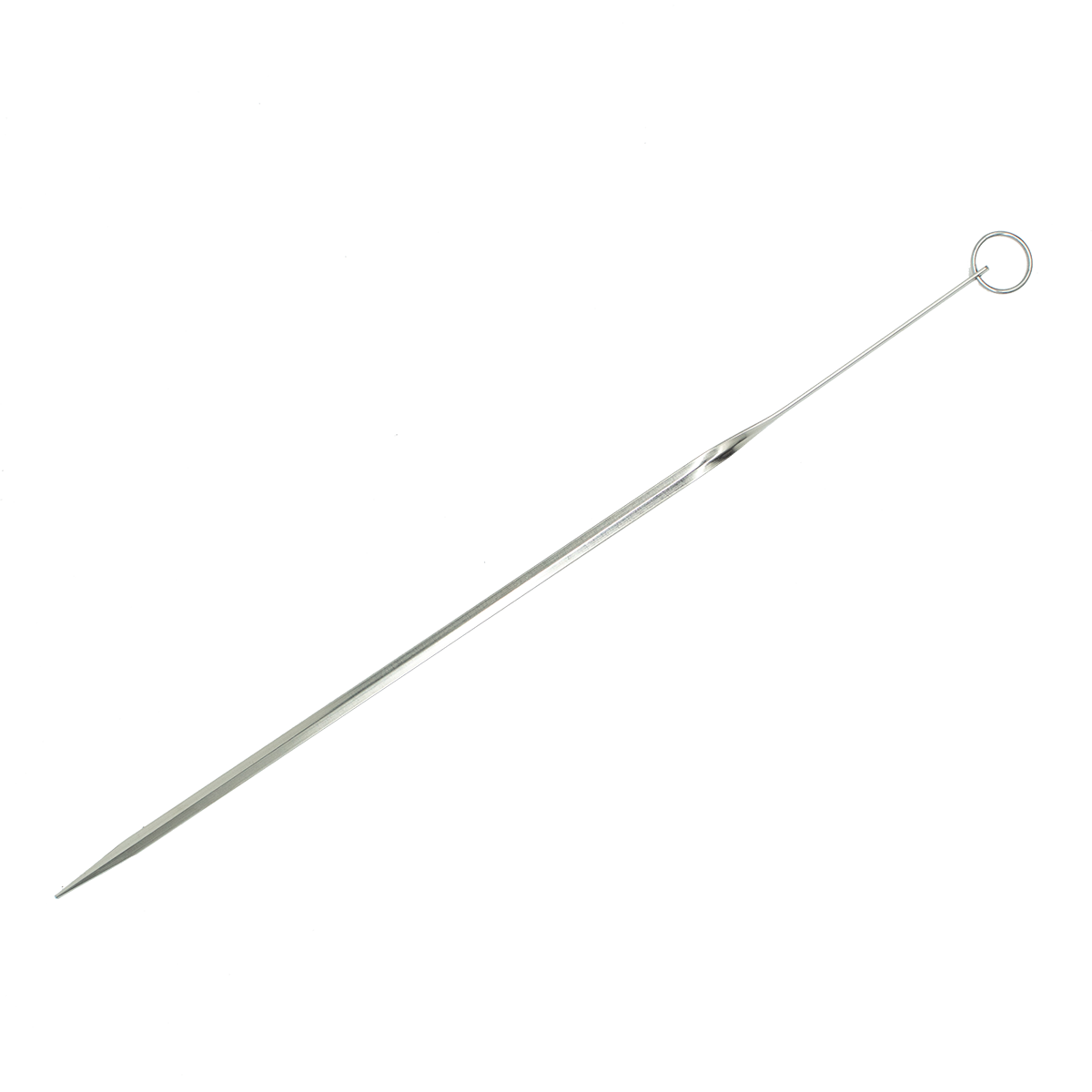
Konro grills shine with foods that cook quickly over direct heat: skewers (yakitori and other kushiyaki), seafood, vegetables, and thin cuts of meat. Smaller pieces cooked in batches tend to work best, because timing is a big part of the style.

Konro grills are commonly used for yakitori and other skewered meats, as well as seafood and vegetables cooked quickly over direct charcoal heat. Dishes such as chicken or beef skewers, prawns, scallops, mushrooms, and aubergine work particularly well with this style of cooking.

For inspiration and recipes, see our guide to five dishes to make on a Japanese Konro grill, which explores how these ingredients are prepared and cooked in practice.

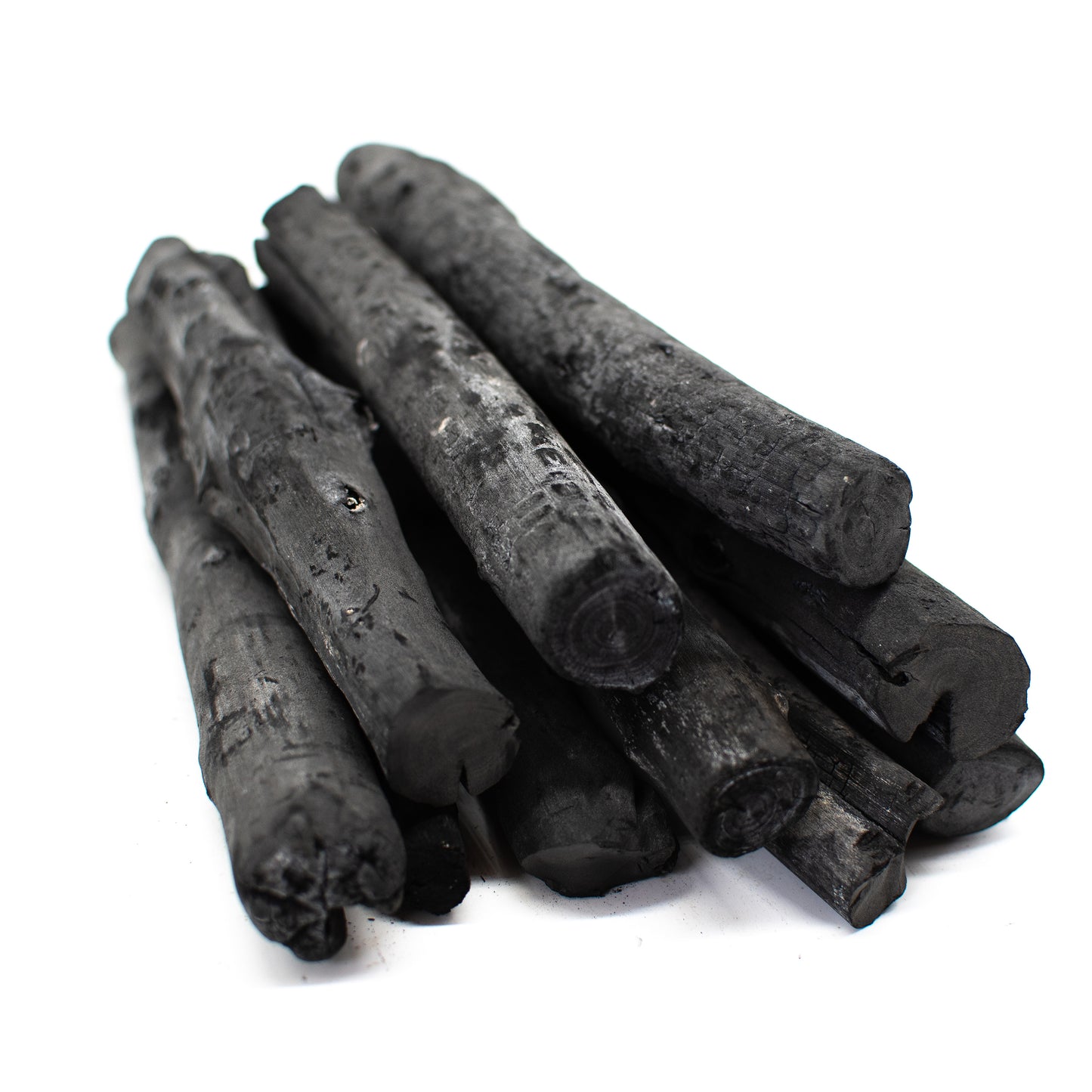
Traditionally, Konro grills are used with binchotan, a dense Japanese charcoal made from hardwood and carbonised at very high temperatures. Its density allows it to burn hotter, more steadily, and with very little smoke or odour, which helps preserve the natural flavour of ingredients.

Standard lump charcoal can be used if needed, but it tends to burn less evenly and produce more smoke, making it harder to maintain consistent heat for precise grilling.

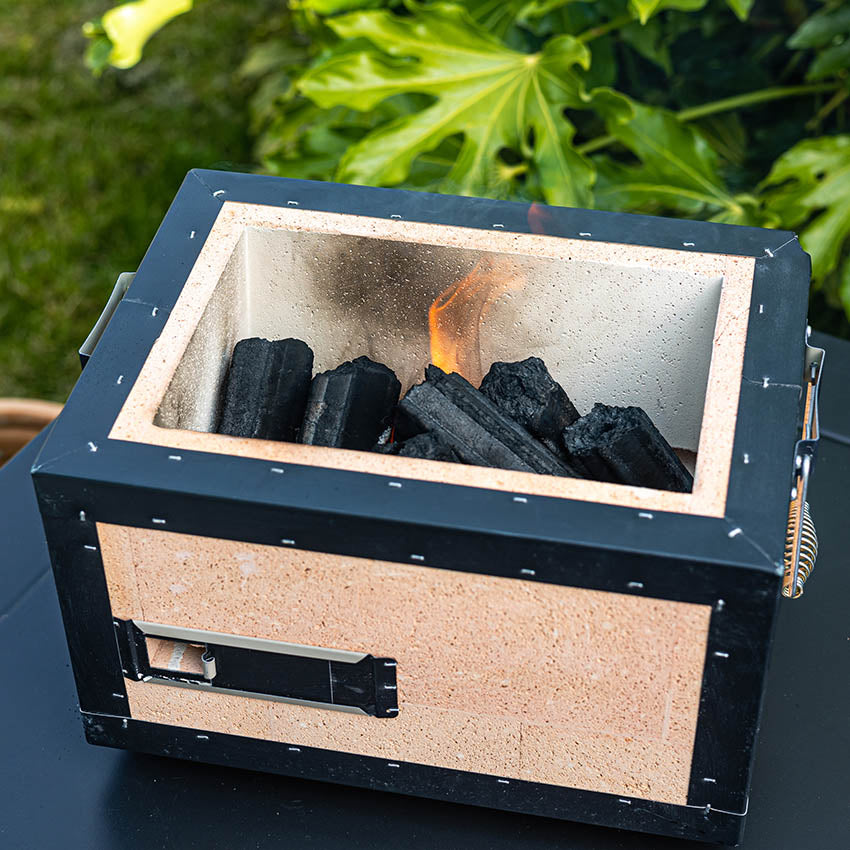
Konro grills are designed to be simple to use, but they benefit from a little care and preparation. Before cooking, the grill should be placed on a heatproof surface in a well-ventilated outdoor space. Charcoal is lit separately and added once fully ashed over, allowing heat to build evenly inside the grill body.

During cooking, food is positioned close to the heat source and turned frequently. Because Konro grills retain heat so efficiently, small adjustments in distance or timing can make a noticeable difference. This makes them well suited to attentive, hands-on cooking rather than leaving food unattended.

After use, allow the grill to cool completely before removing ash. Most Konro grills should not be washed with water; instead, ash can be tipped out and the exterior wiped clean. With regular care and gentle handling, a Konro grill will last for many years.

Konro grills should only be used outdoors unless you have professional-grade ventilation. Some restaurants use indoor charcoal grills in spaces designed to manage smoke and carbon monoxide safely. For home use, we recommend outdoor cooking.

With regular care, a Konro grill can last for many years. Keeping it dry and handling it carefully (especially during transport) helps reduce the risk of cracking.

Yes. Konro grills are made by a range of traditional manufacturers, and designs can vary in size, weight, materials, and finish. Most differences are in construction details and durability rather than the core cooking approach.

If you’re in the UK, we offer DHL Express delivery on Konro grills, charcoal, and accessories. Orders can also be sent via Royal Mail Special Delivery, or Royal Mail Tracked 24 for UK Highlands and Islands. Orders placed before 11am (Monday to Friday) are usually dispatched the same day.

We also ship to Canada and across the EU via our partners at Dutch Wasabi. Full delivery options, costs, and thresholds are shown at checkout and outlined in our delivery policy.

If you have questions about shipping or need a quote for a specific order, please contact us at hello@thewasabicompany.co.uk or call +44 (0)1929 463824.

We take great care to ensure your Konro grill arrives in perfect condition. If your item is damaged or faulty on arrival, please contact us as soon as possible so we can arrange a replacement or refund.

You have 14 days from receipt of your order to request a return. Due to the nature of charcoal and cooking equipment, returns are generally limited to unused or faulty items. Full details are available in our returns policy, and our team is always happy to help if you’re unsure.

Get inspired with some recipes

Time Saving Kaeshi Sauce Recipe

Time Saving Kaeshi Sauce Recipe

Prep Time: 5 minutesCook Time: 5-10 minutesTotal Time: 15 minutesServings: 300ml Yuki Gomi, chef, teacher and friend of The Wasabi...

Japanese Wineberry Jam Recipe

Japanese Wineberry Jam Recipe

Prep Time: 15 minutesCook Time: 15-20 minutesTotal Time: 30-35 minutesServings: 6 small jars or 3 large This Japanese wineberry jam...

Japanese Wineberry & Kinako Muffin Recipe

Japanese Wineberry & Kinako Muffin Recipe

Prep Time: 15 minutesCook Time: 22-25 minutesTotal Time: 40 minutesServings: 12 Muffins Nutty, gently sweet kinako (roasted soy flour) plays...

Time Saving Kaeshi Sauce Recipe

Time Saving Kaeshi Sauce Recipe

Prep Time: 5 minutesCook Time: 5-10 minutesTotal Time: 15 minutesServings: 300ml Yuki Gomi, chef, teacher and friend of The Wasabi...

Japanese Wineberry Jam Recipe

Japanese Wineberry Jam Recipe

Prep Time: 15 minutesCook Time: 15-20 minutesTotal Time: 30-35 minutesServings: 6 small jars or 3 large This Japanese wineberry jam...

Japanese Wineberry & Kinako Muffin Recipe

Japanese Wineberry & Kinako Muffin Recipe

Prep Time: 15 minutesCook Time: 22-25 minutesTotal Time: 40 minutesServings: 12 Muffins Nutty, gently sweet kinako (roasted soy flour) plays...