



Umami Boosters





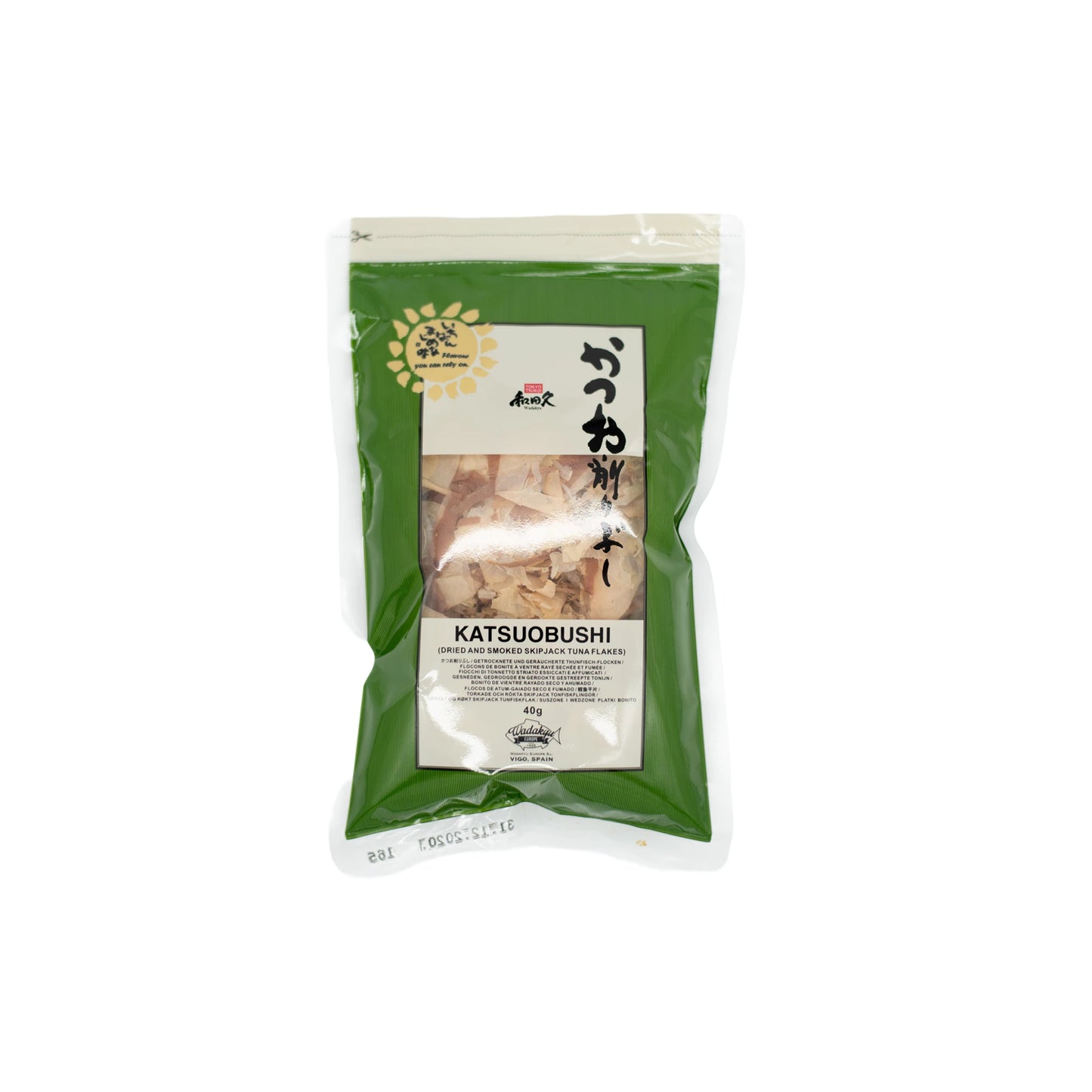

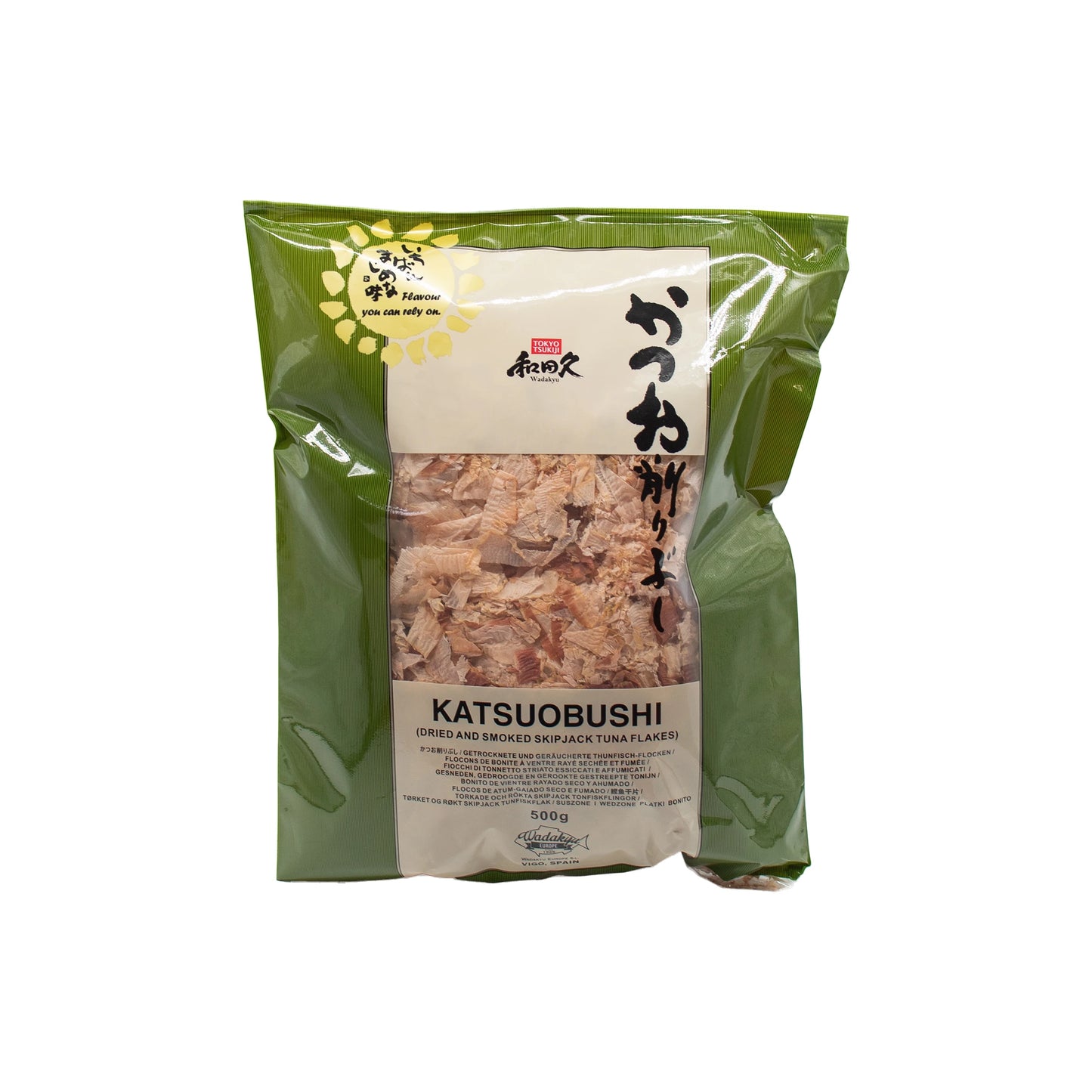

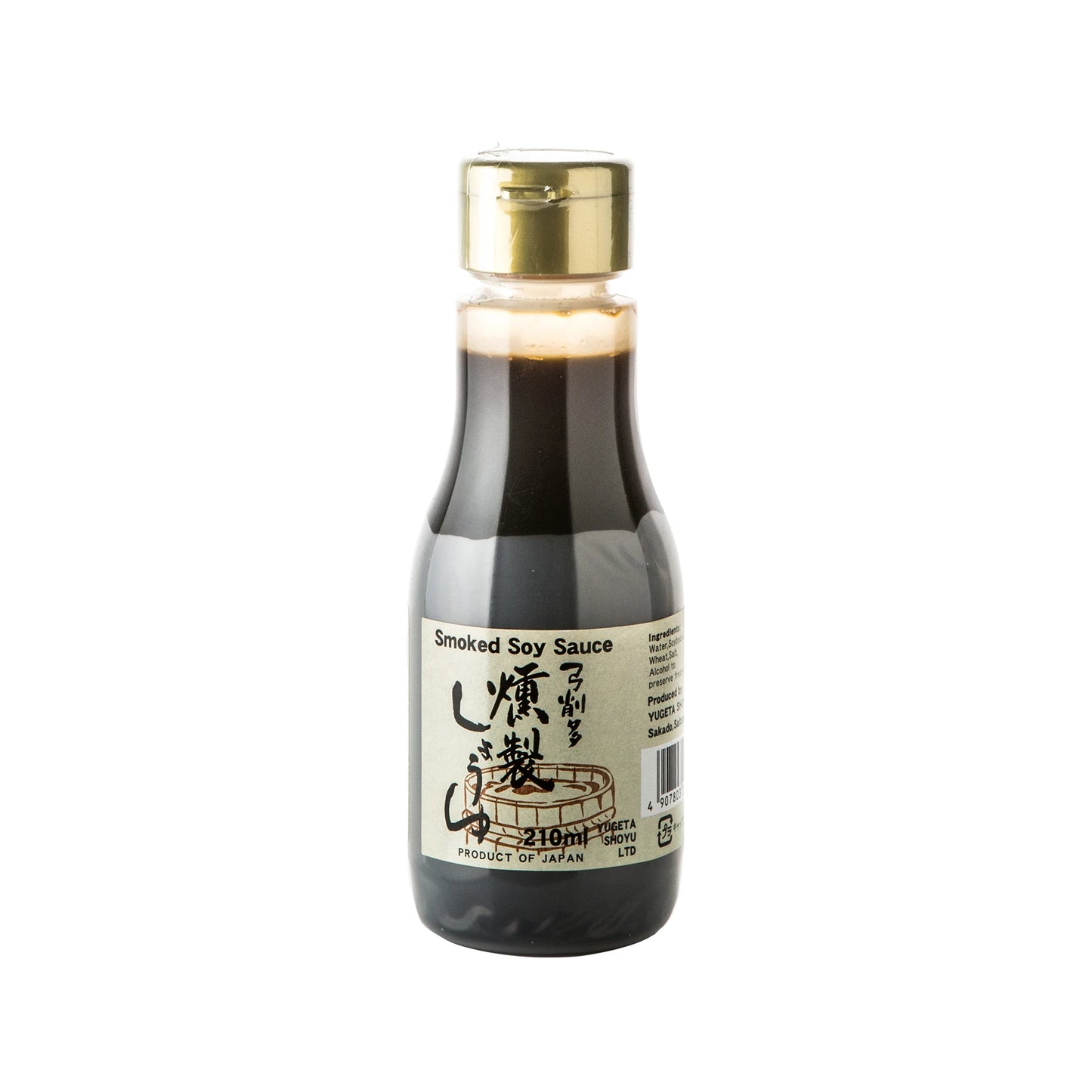

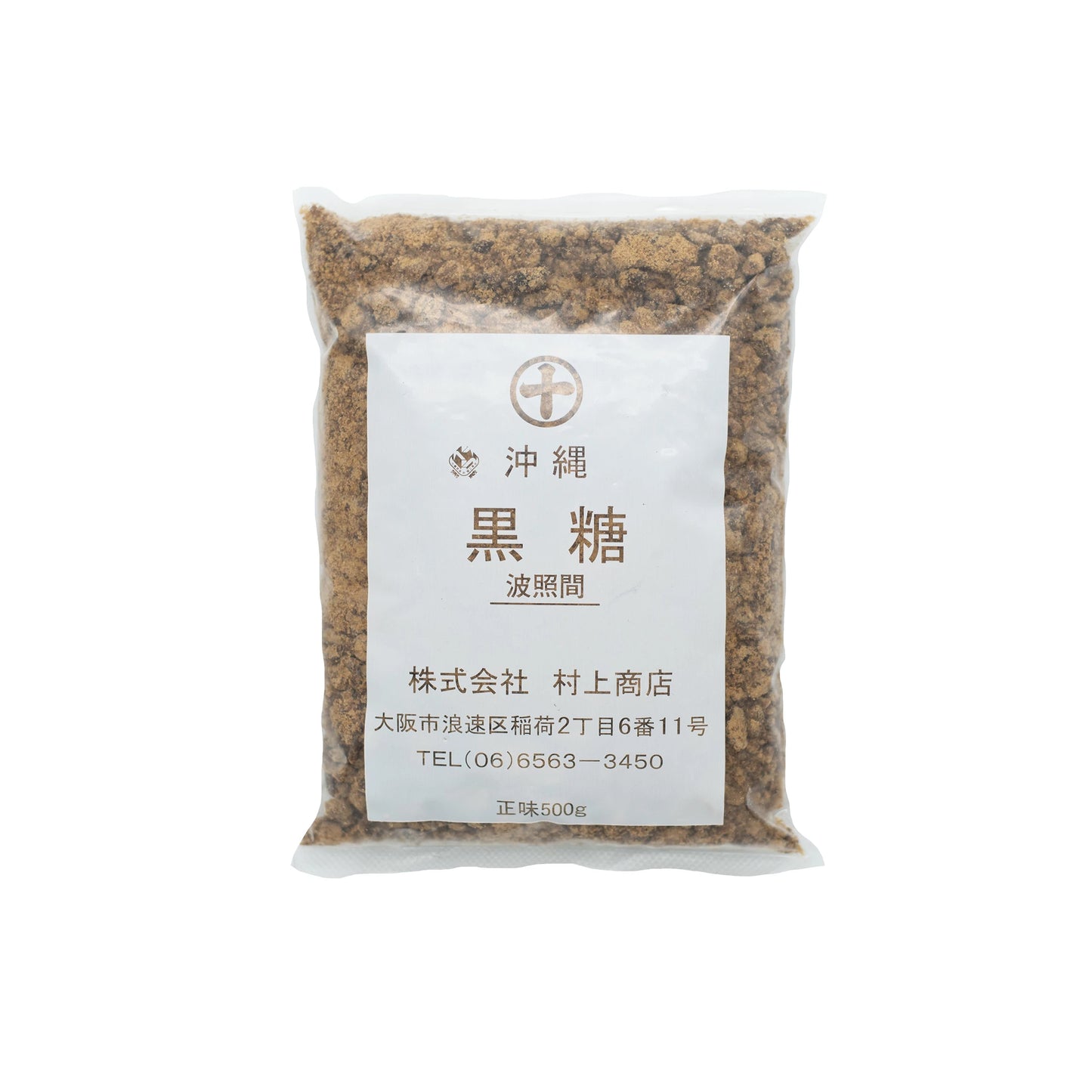

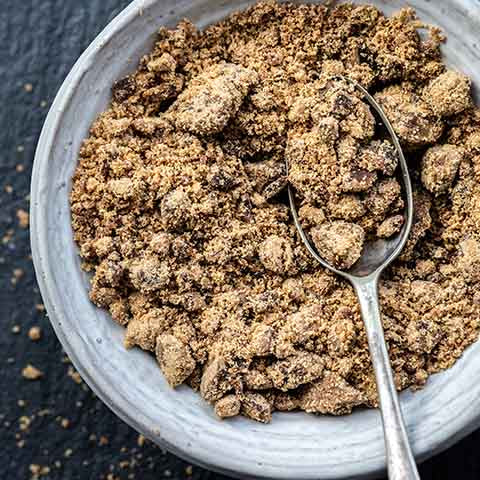

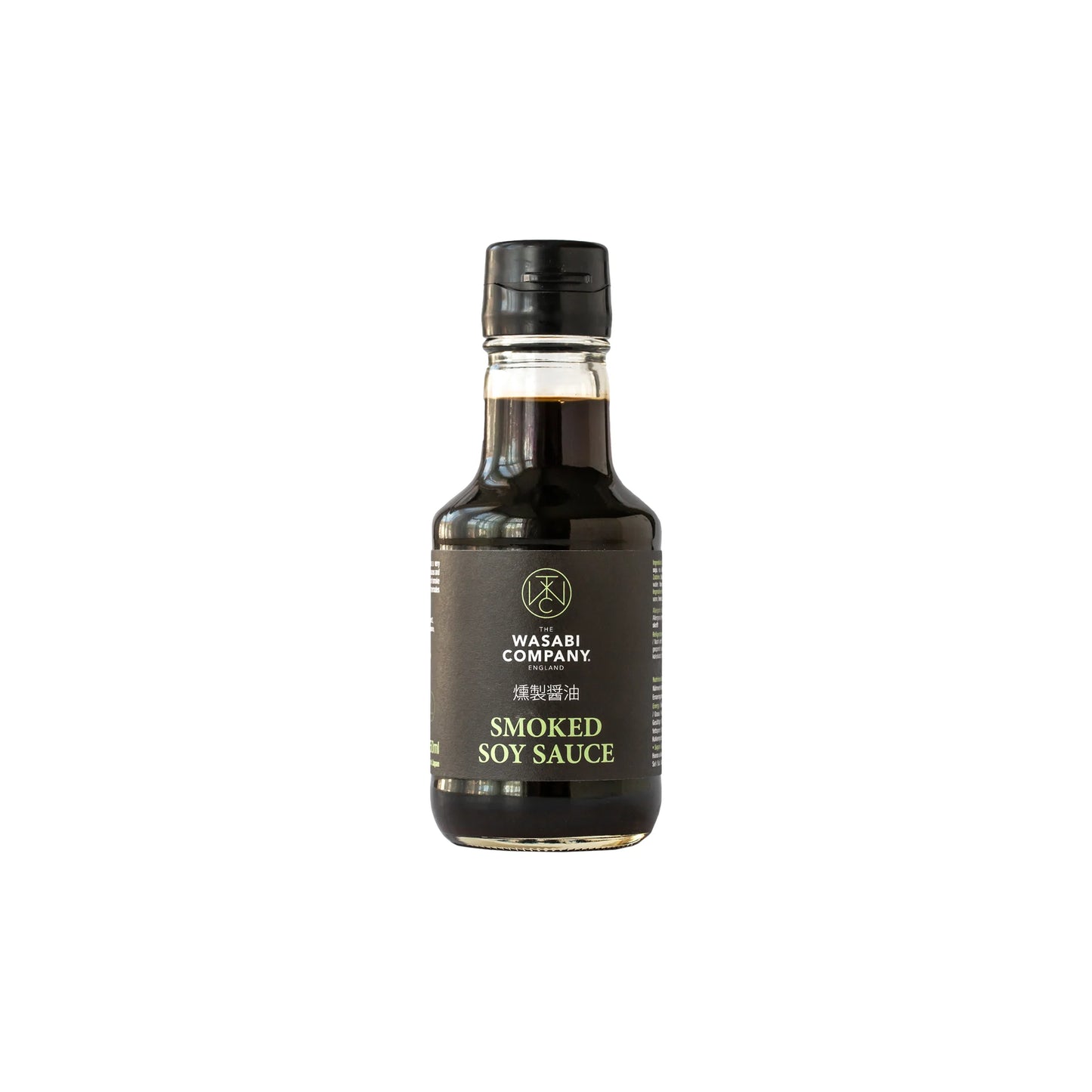


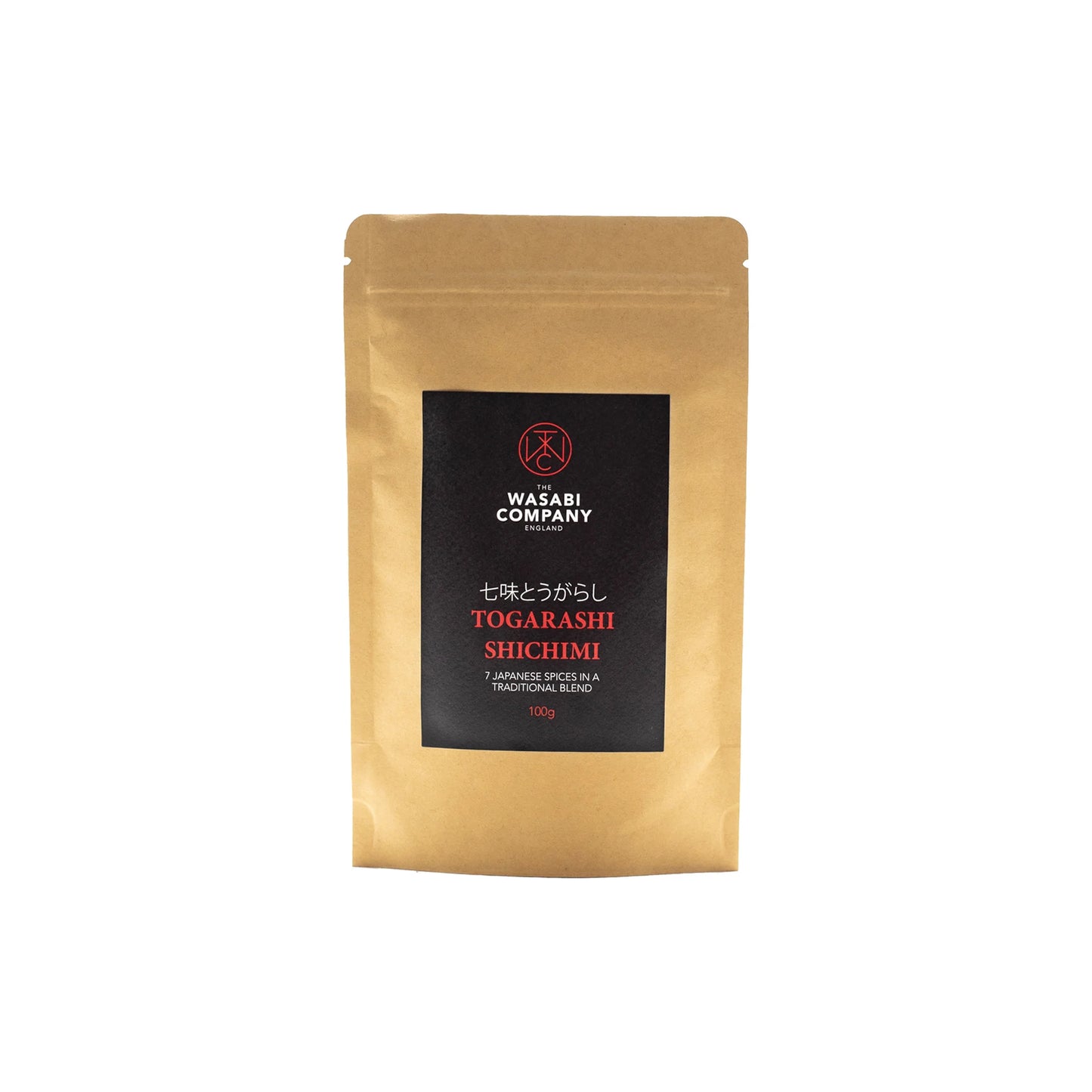


















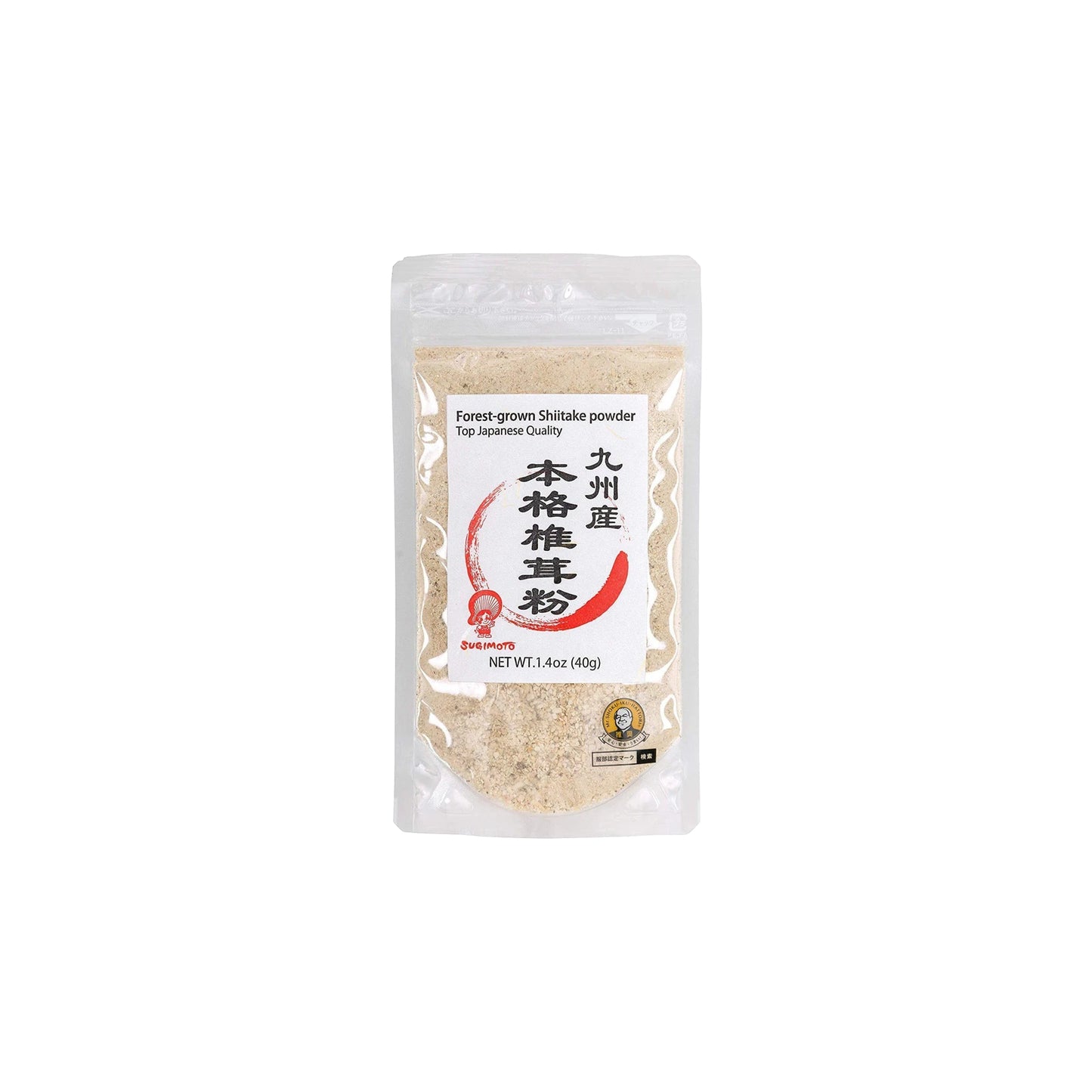

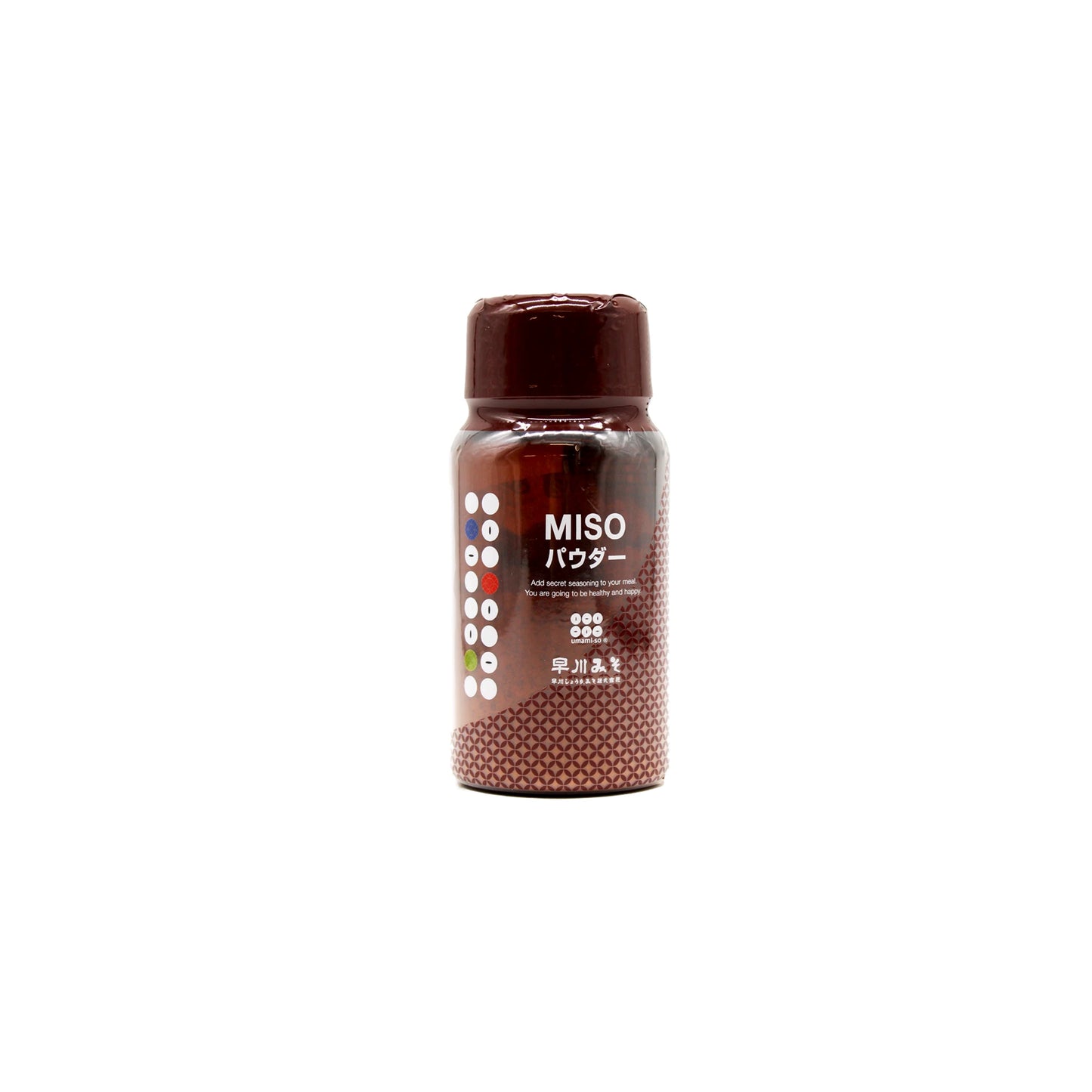

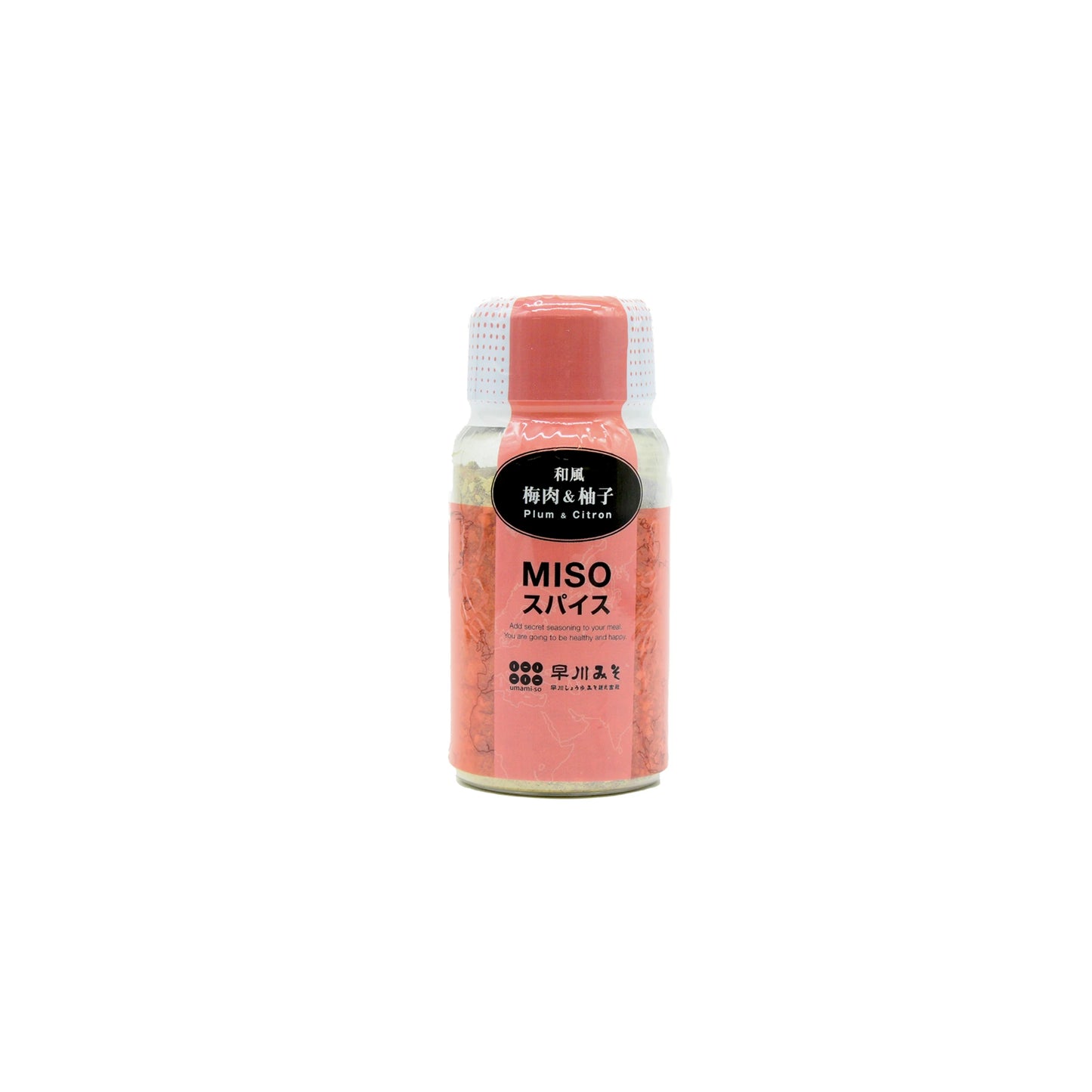

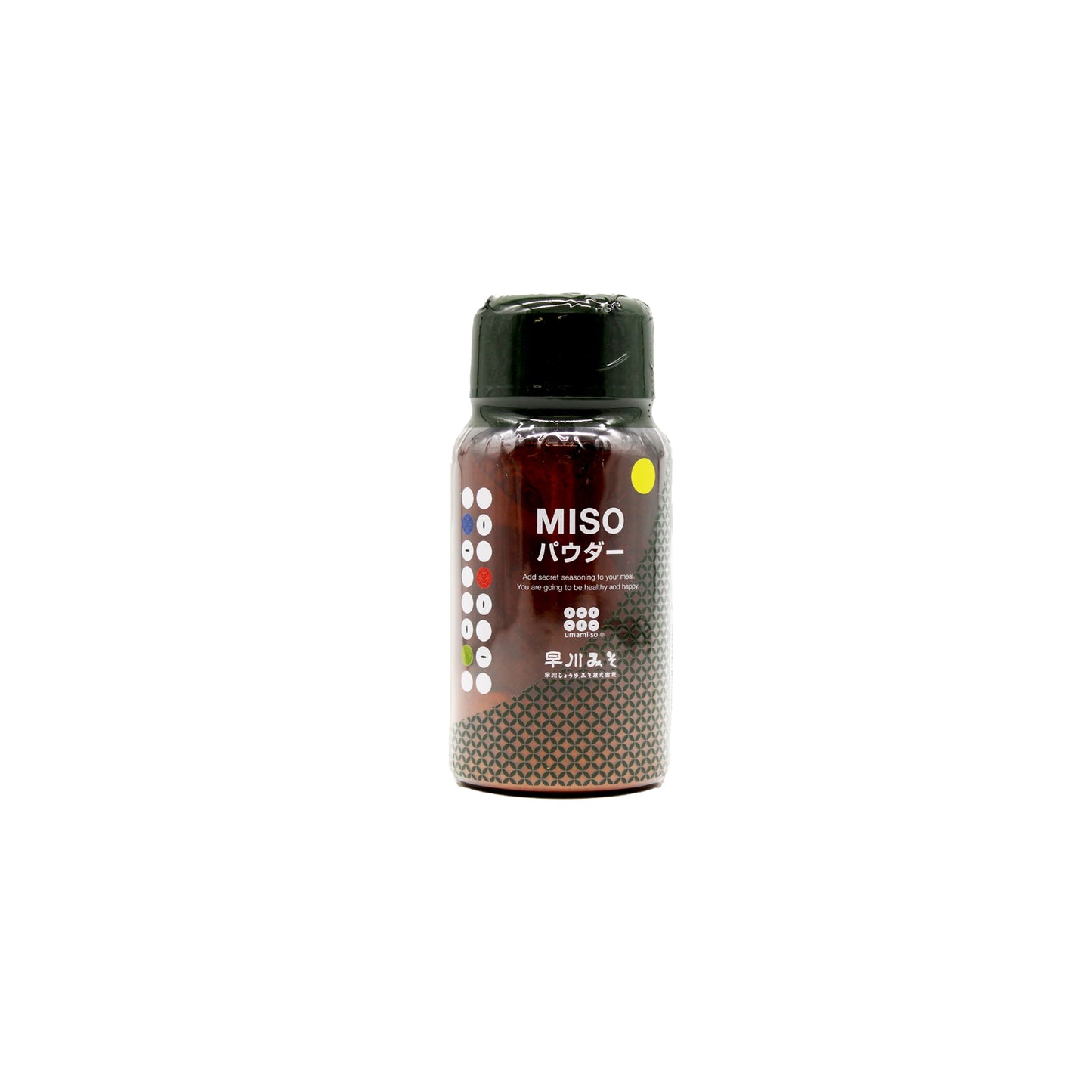






What are umami boosters?
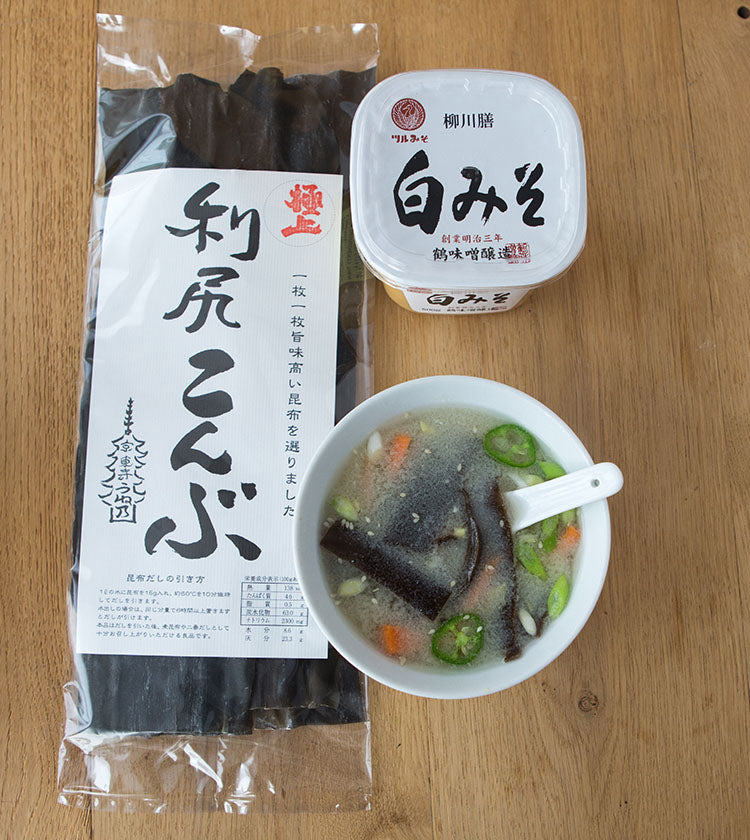
Translated as ‘pleasant savoury taste’, umami has been prevalent in Japanese cuisine for centuries, even before ‘umami’ as a concept was discovered. The delicious taste of umami was finally attributed to glutamic acid – an amino acid – in the early 20th century by a Japanese chemist.
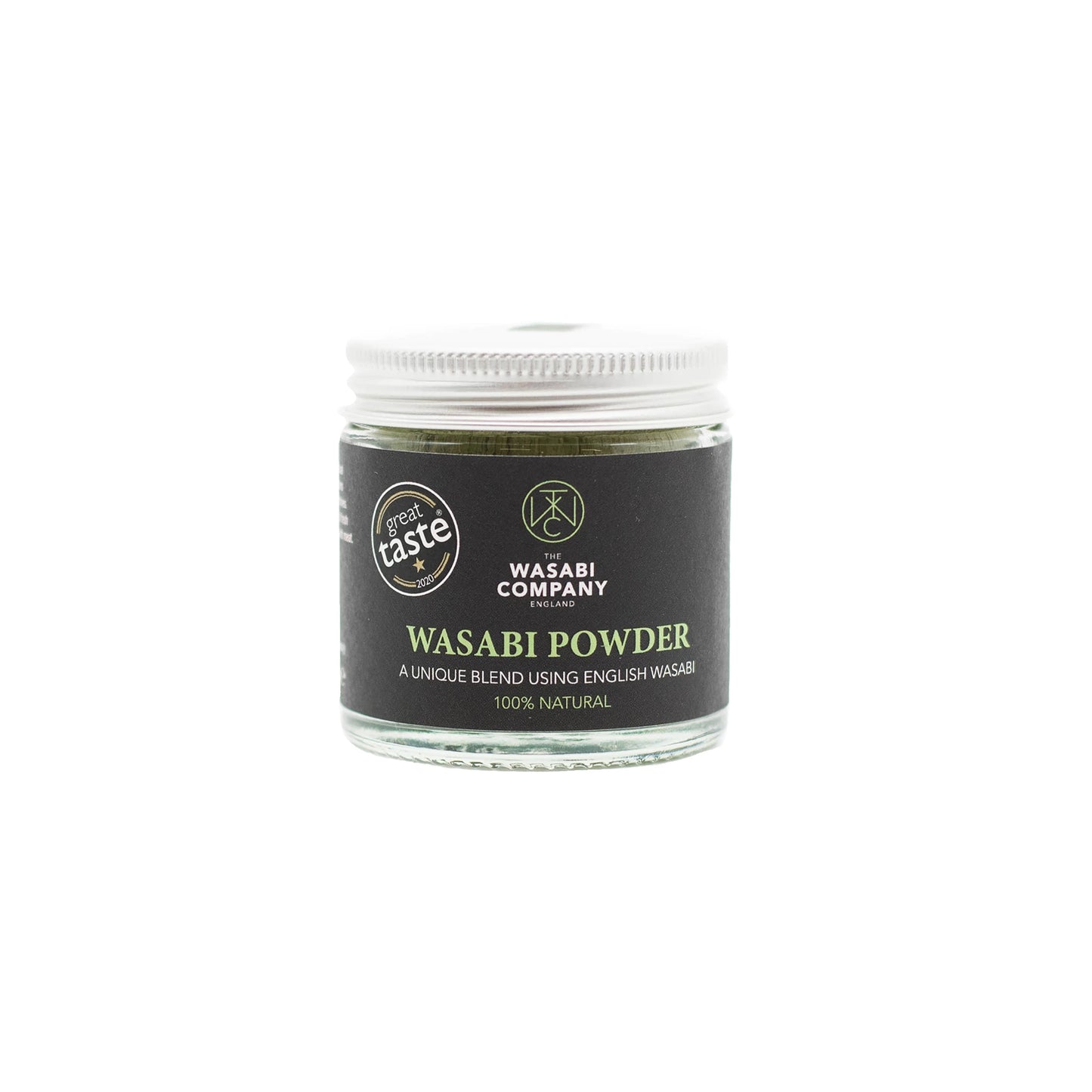
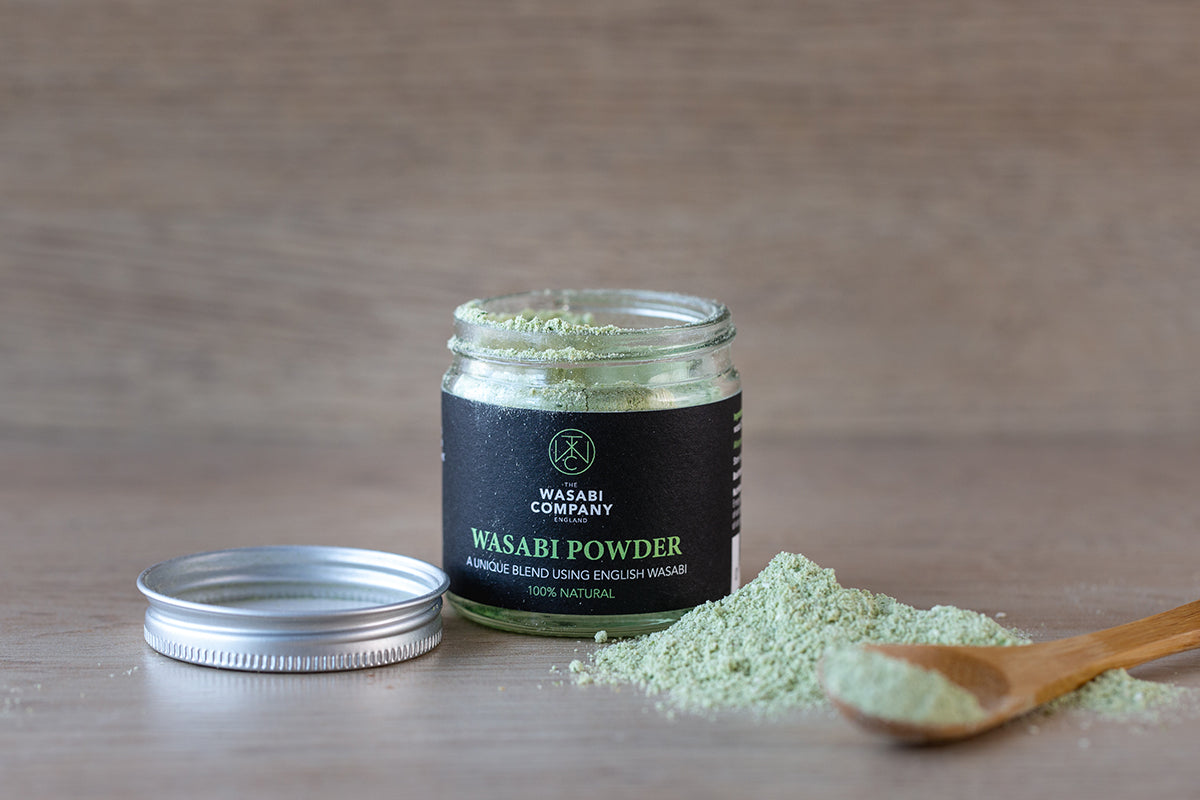
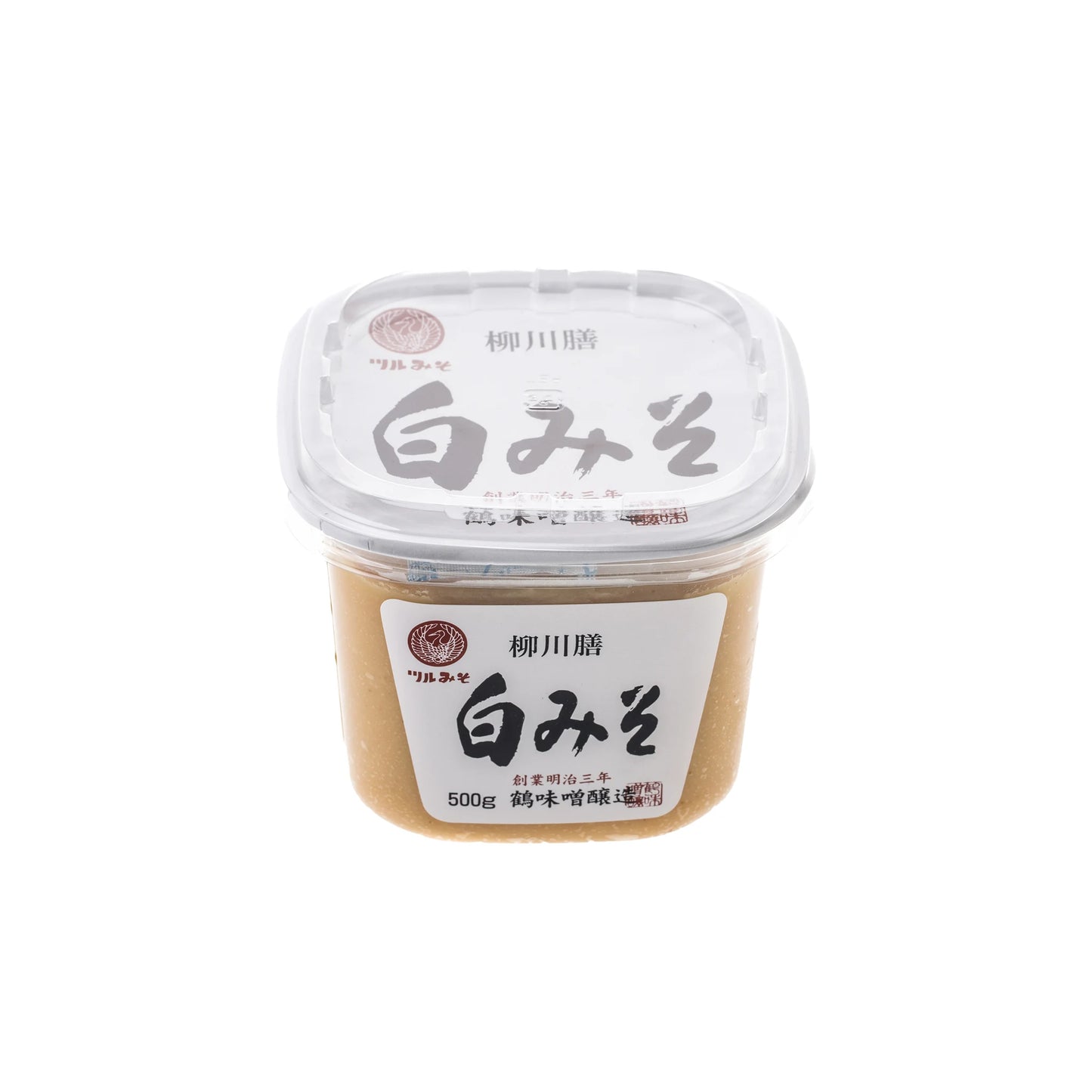
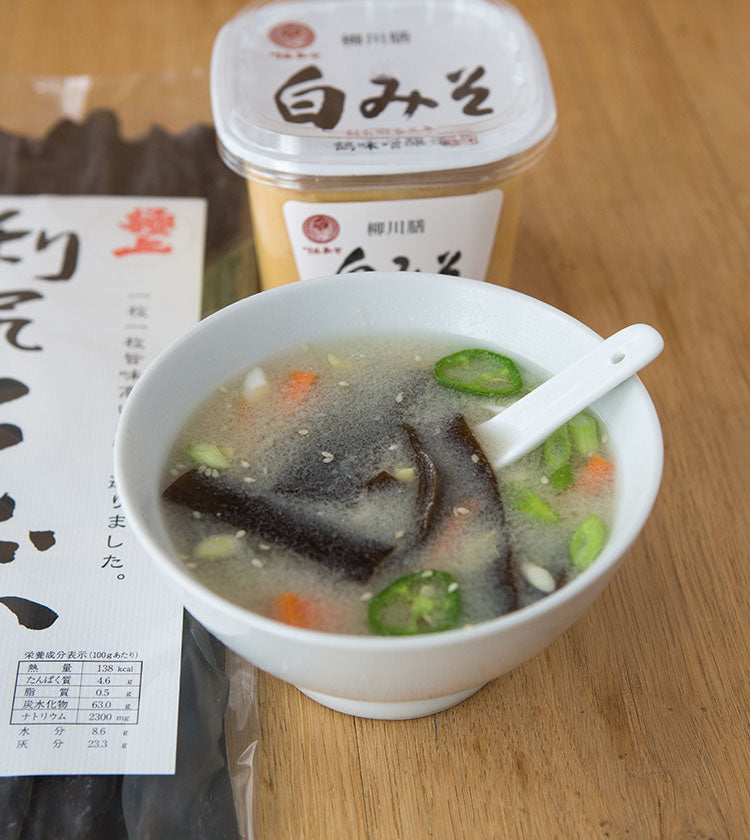
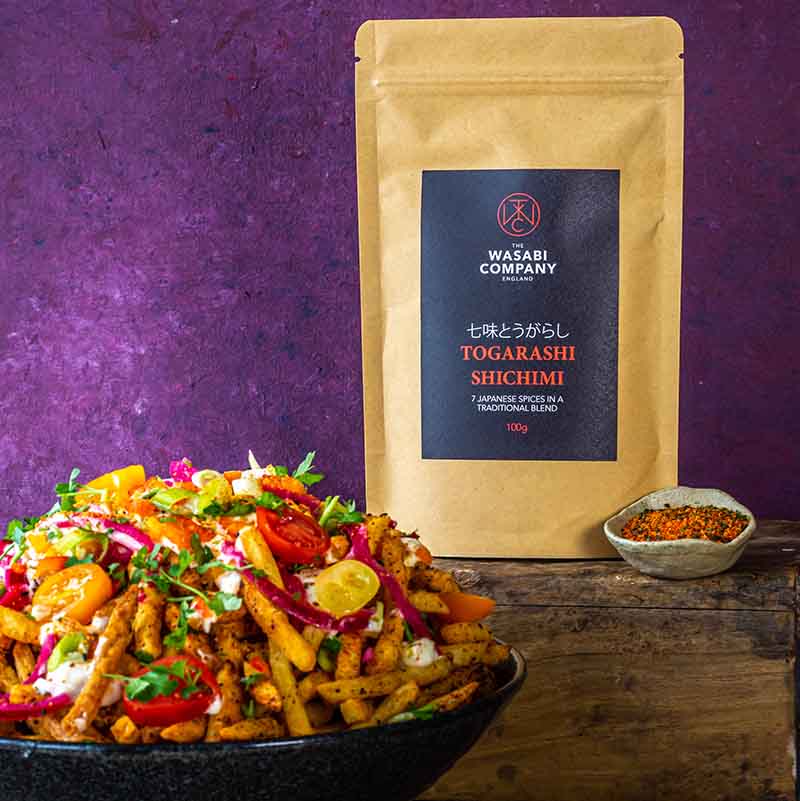
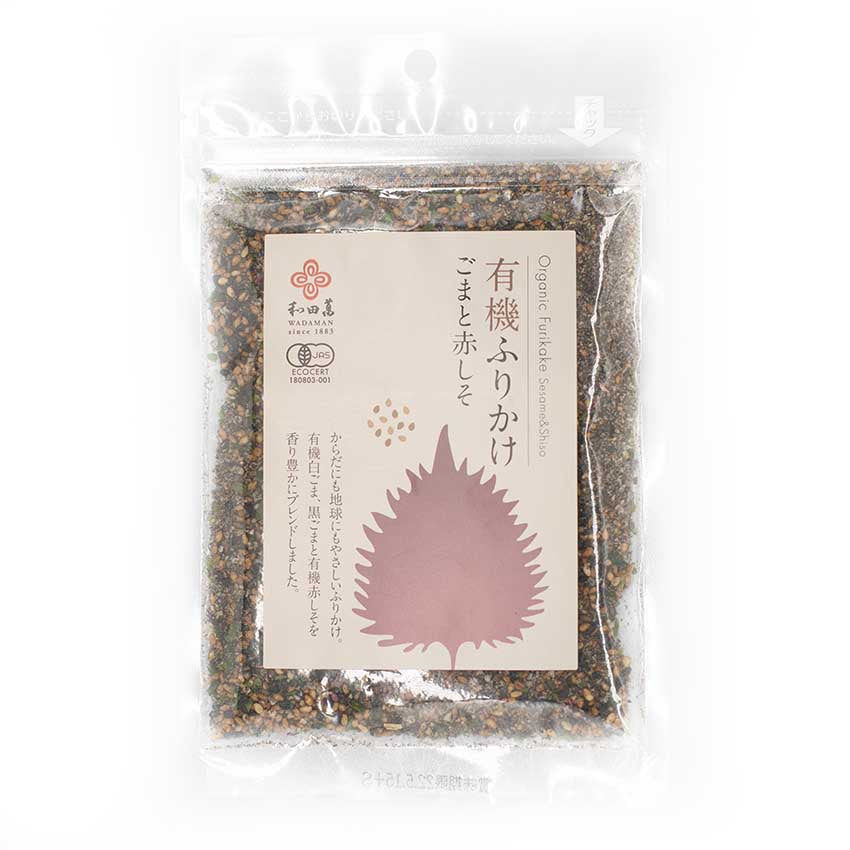
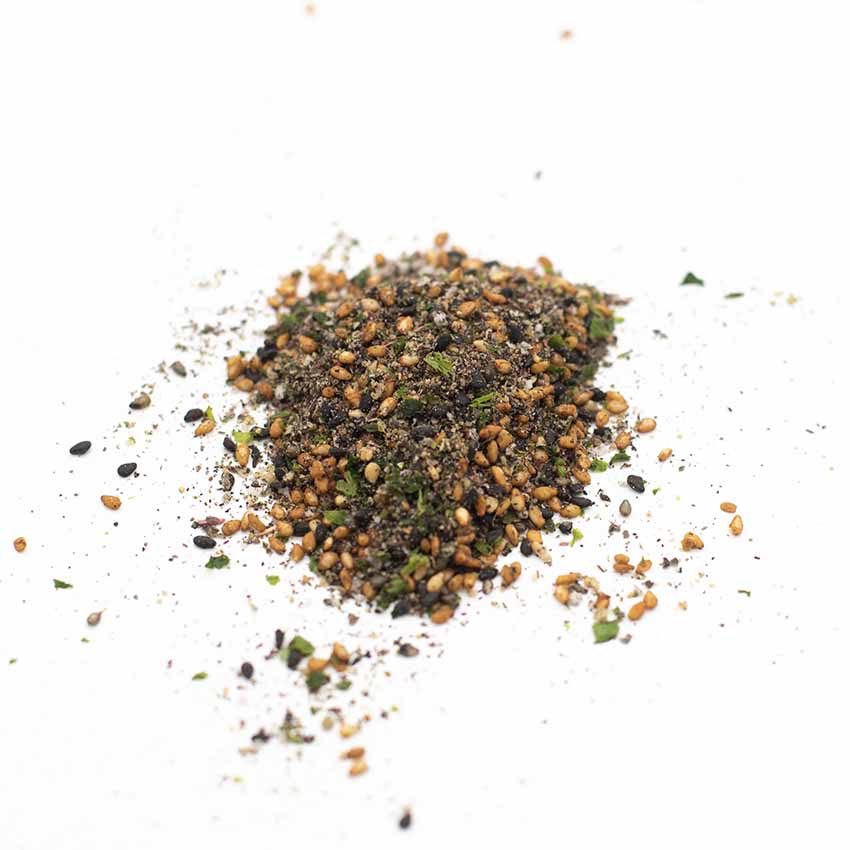
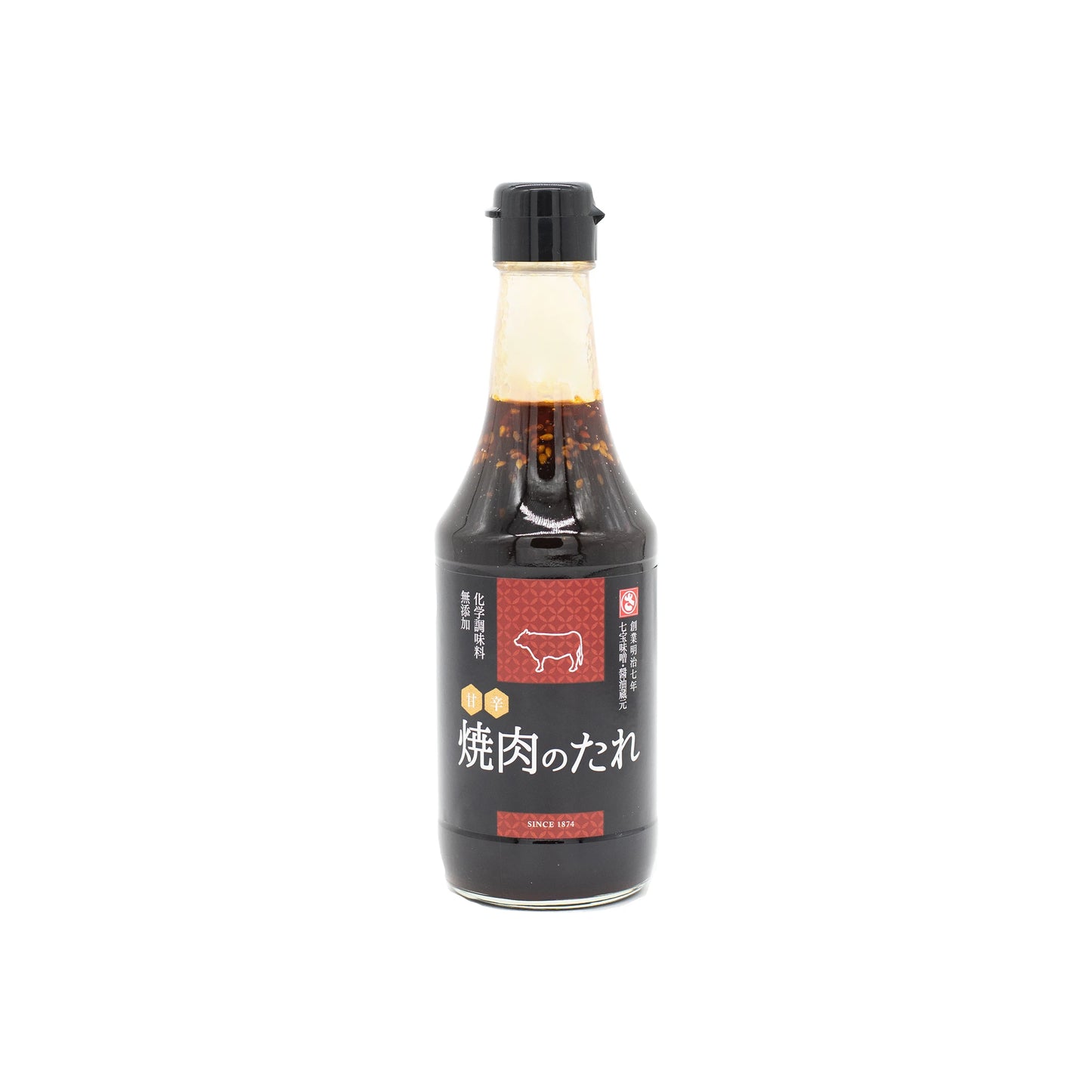
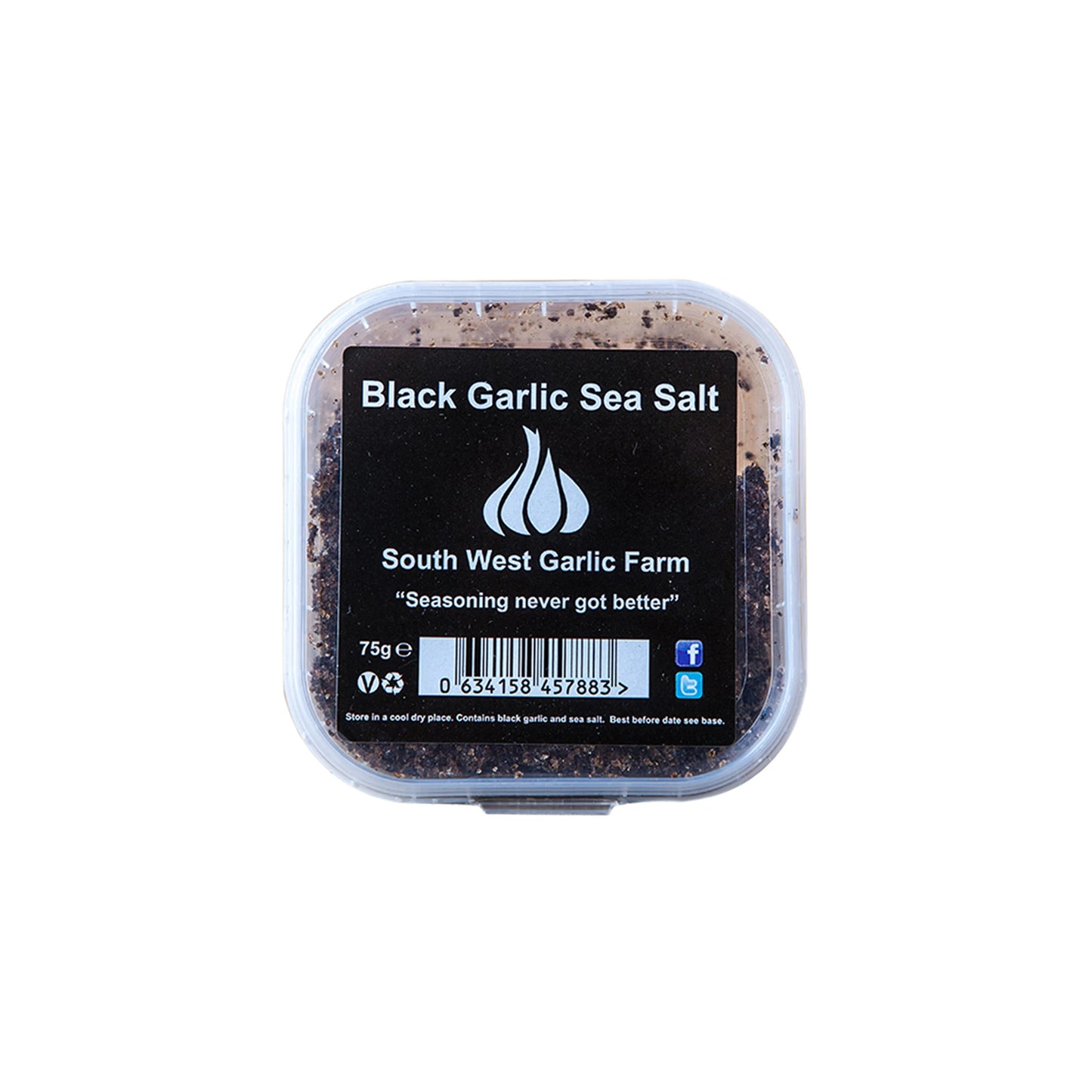
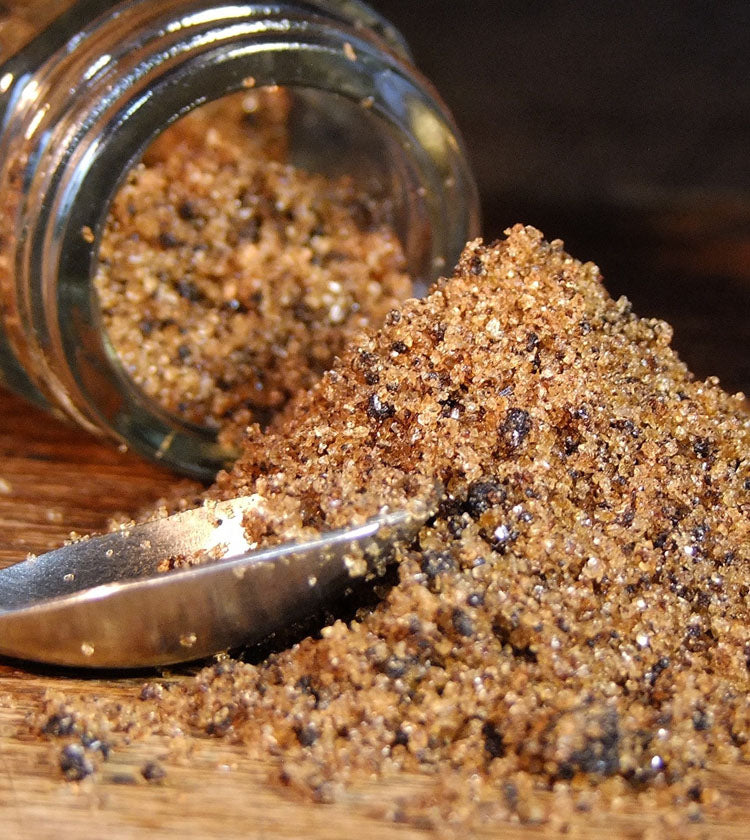
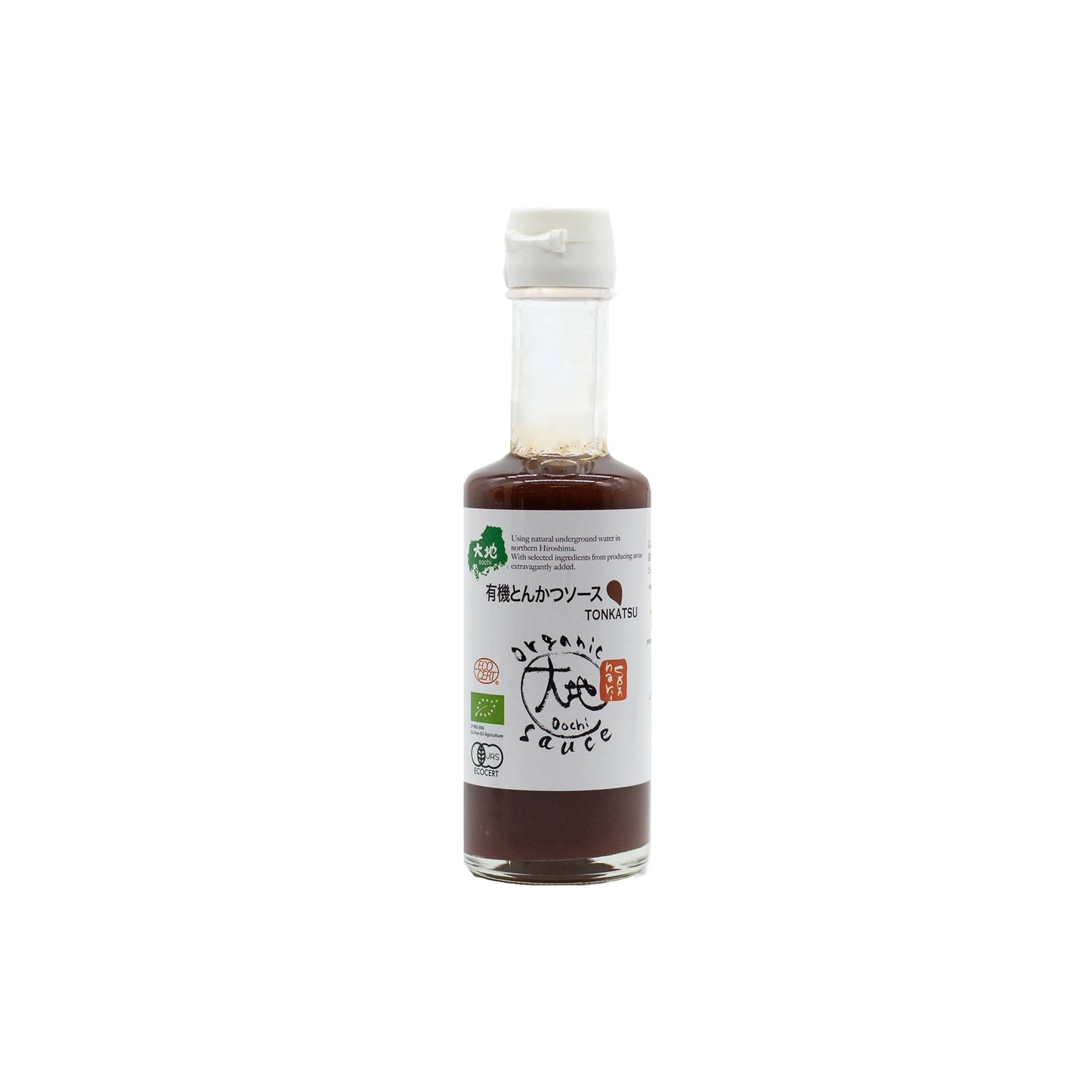
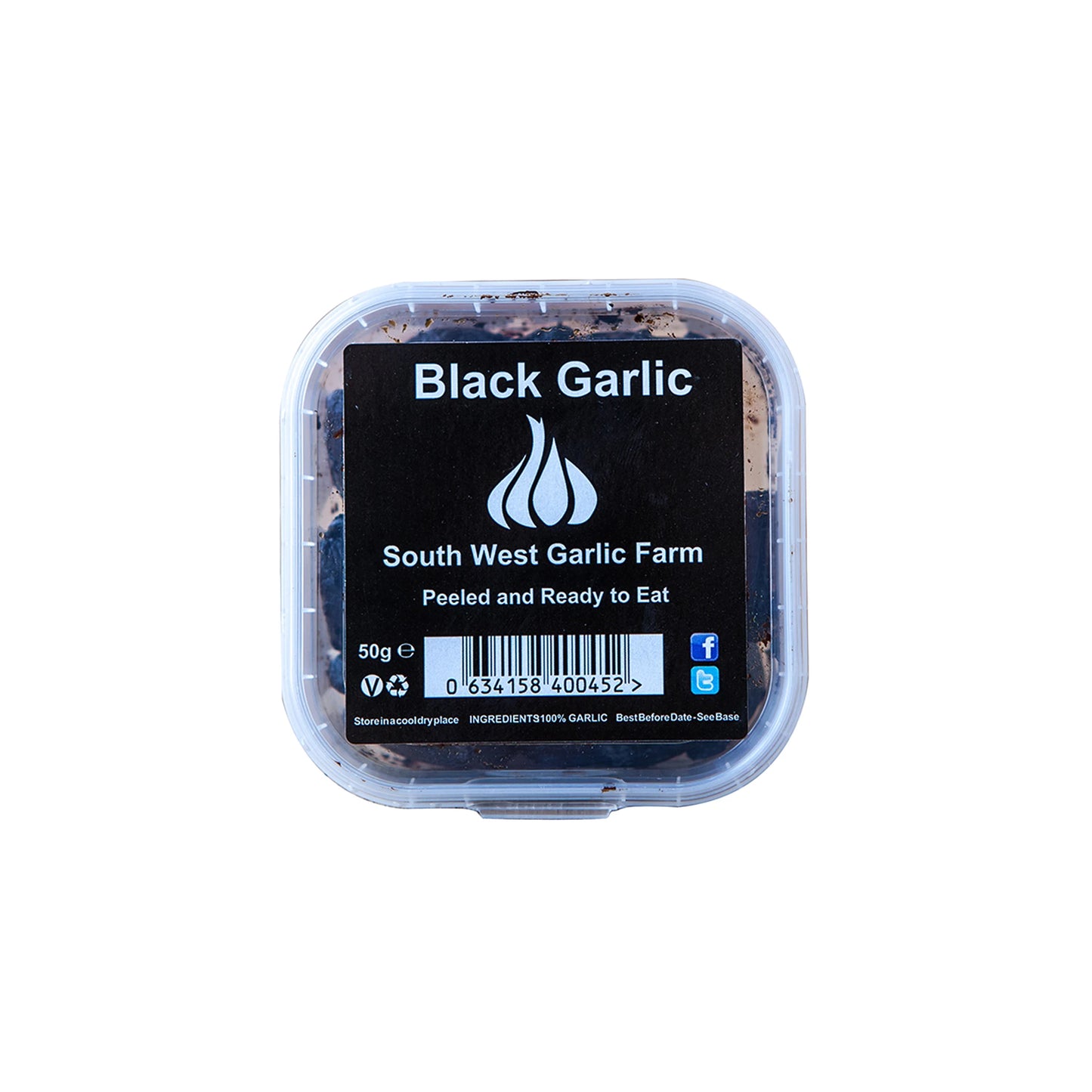
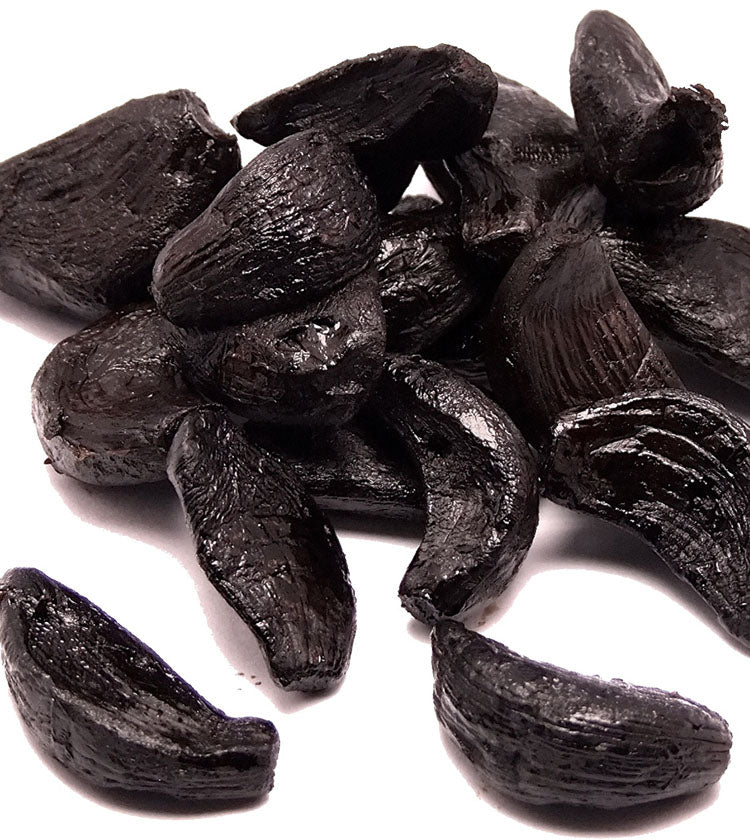
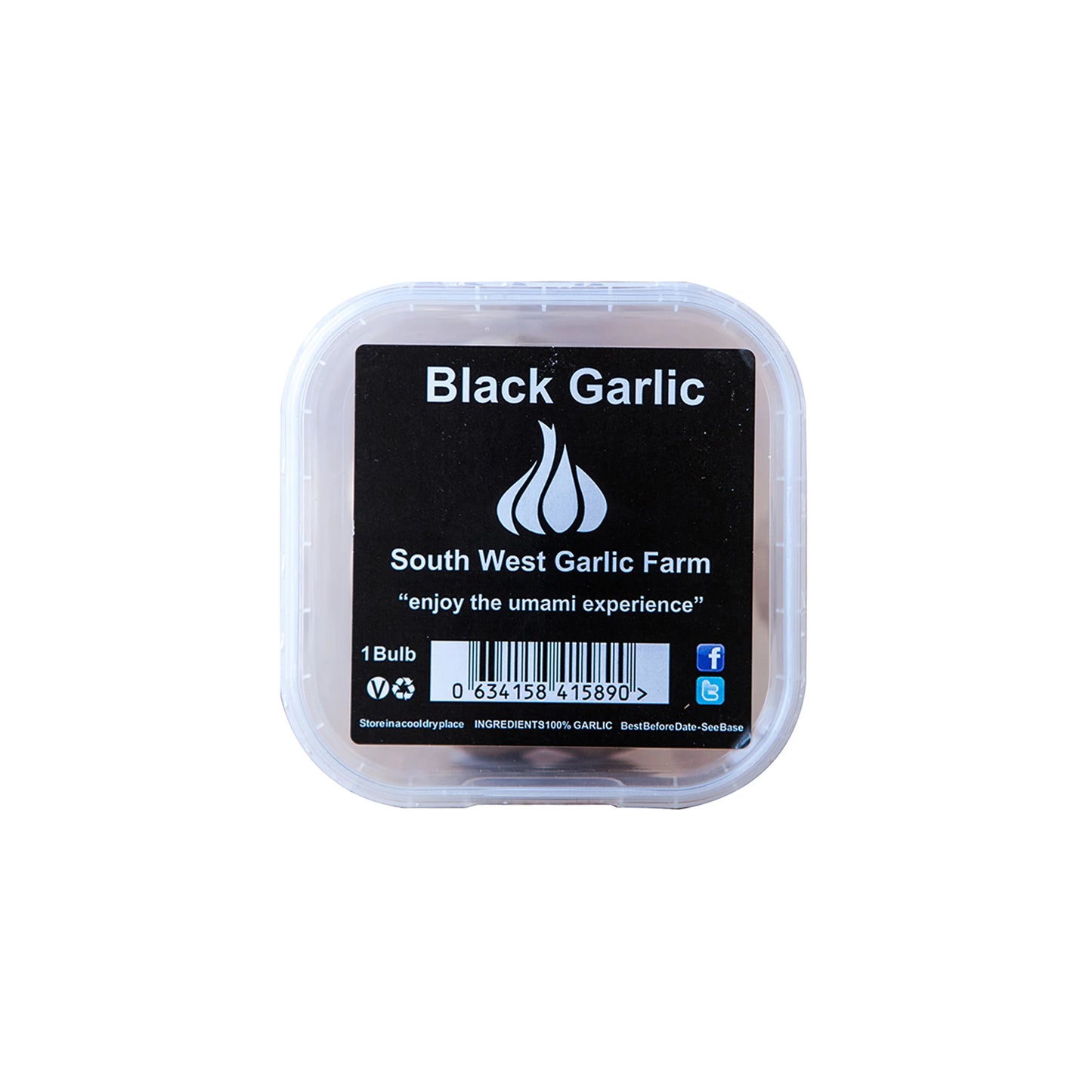
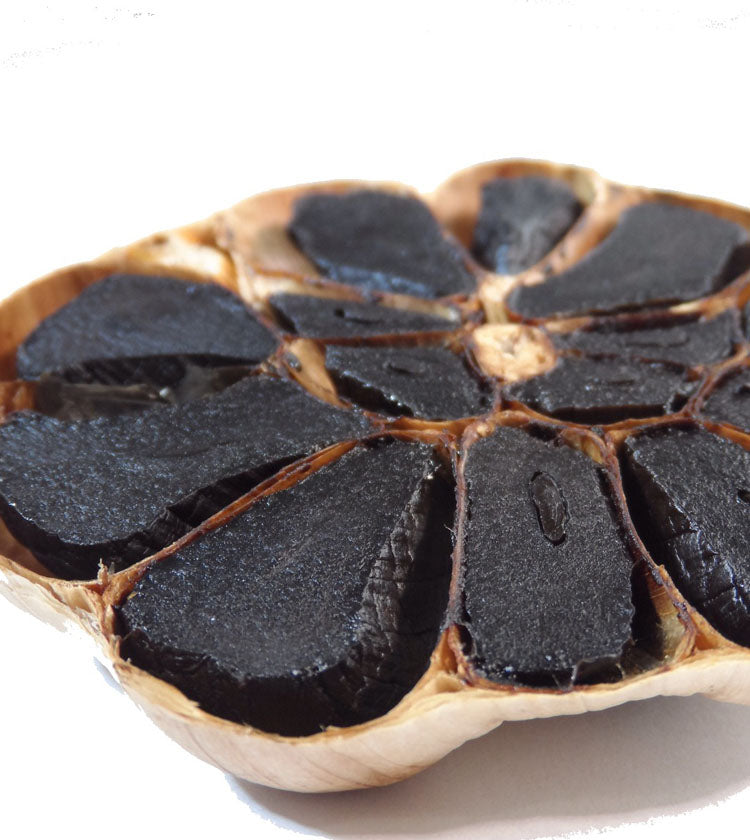
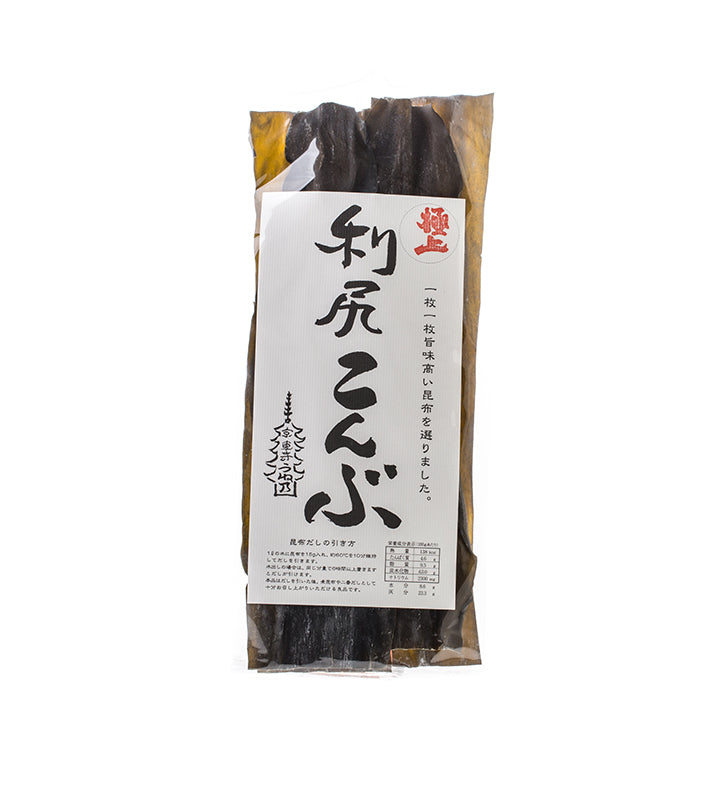
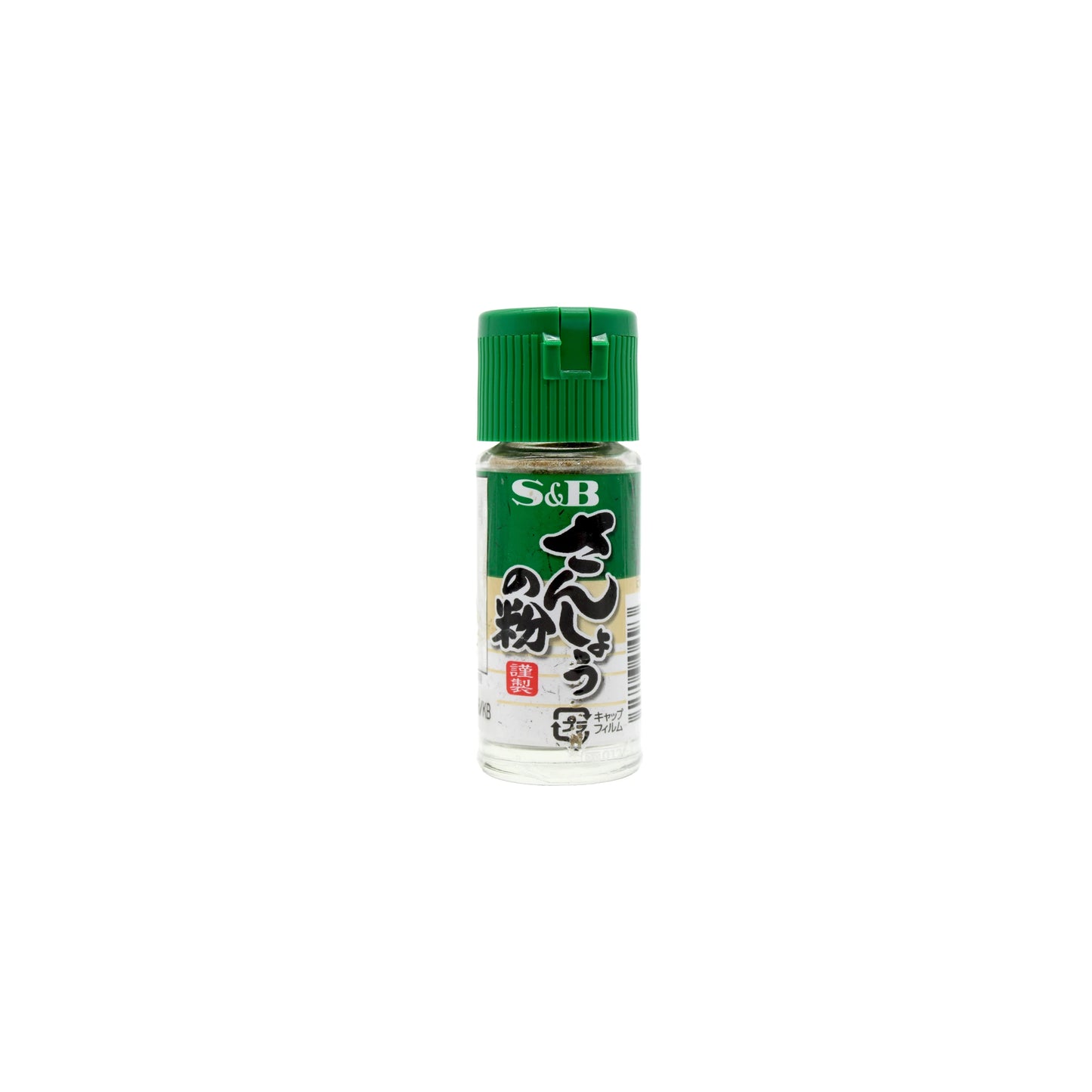
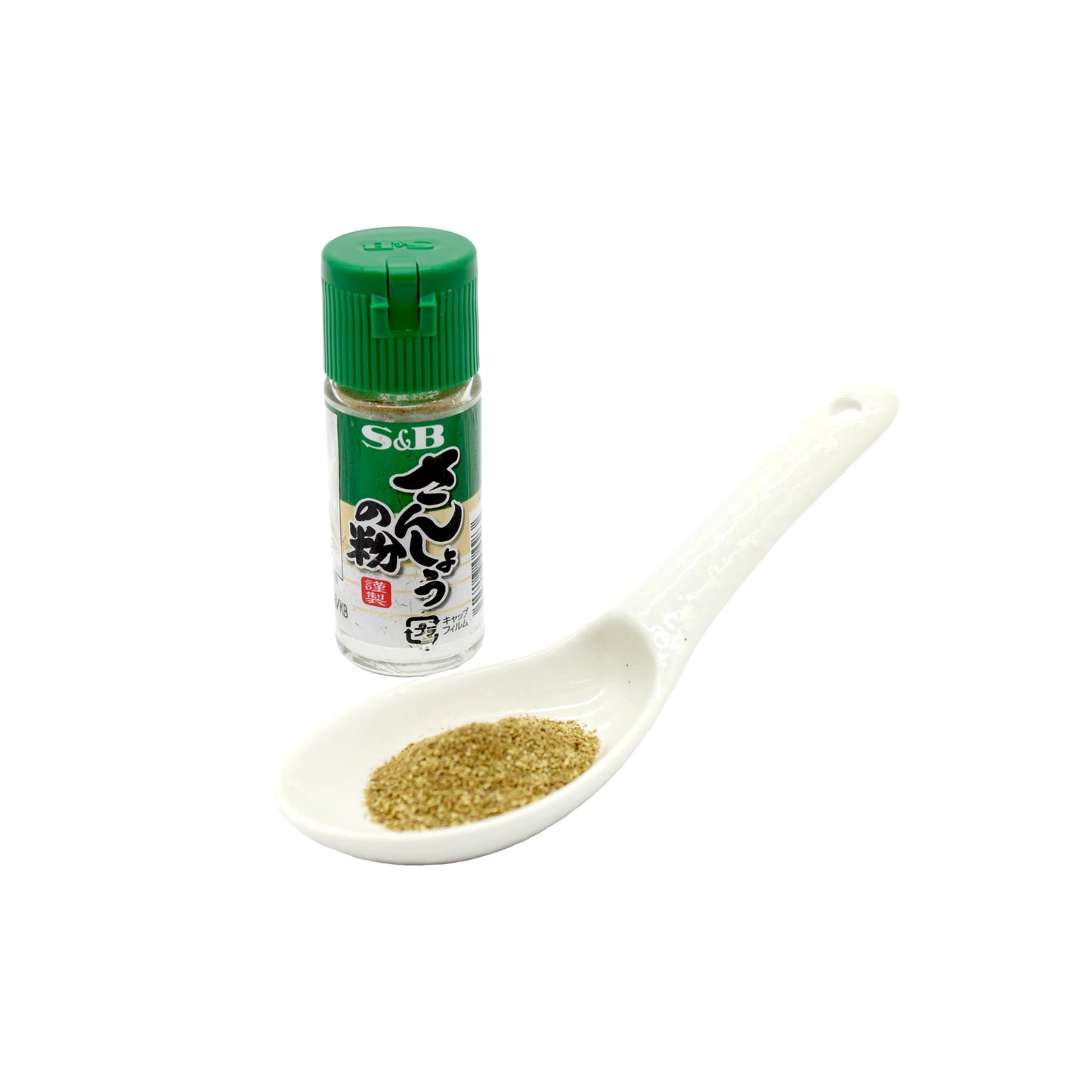
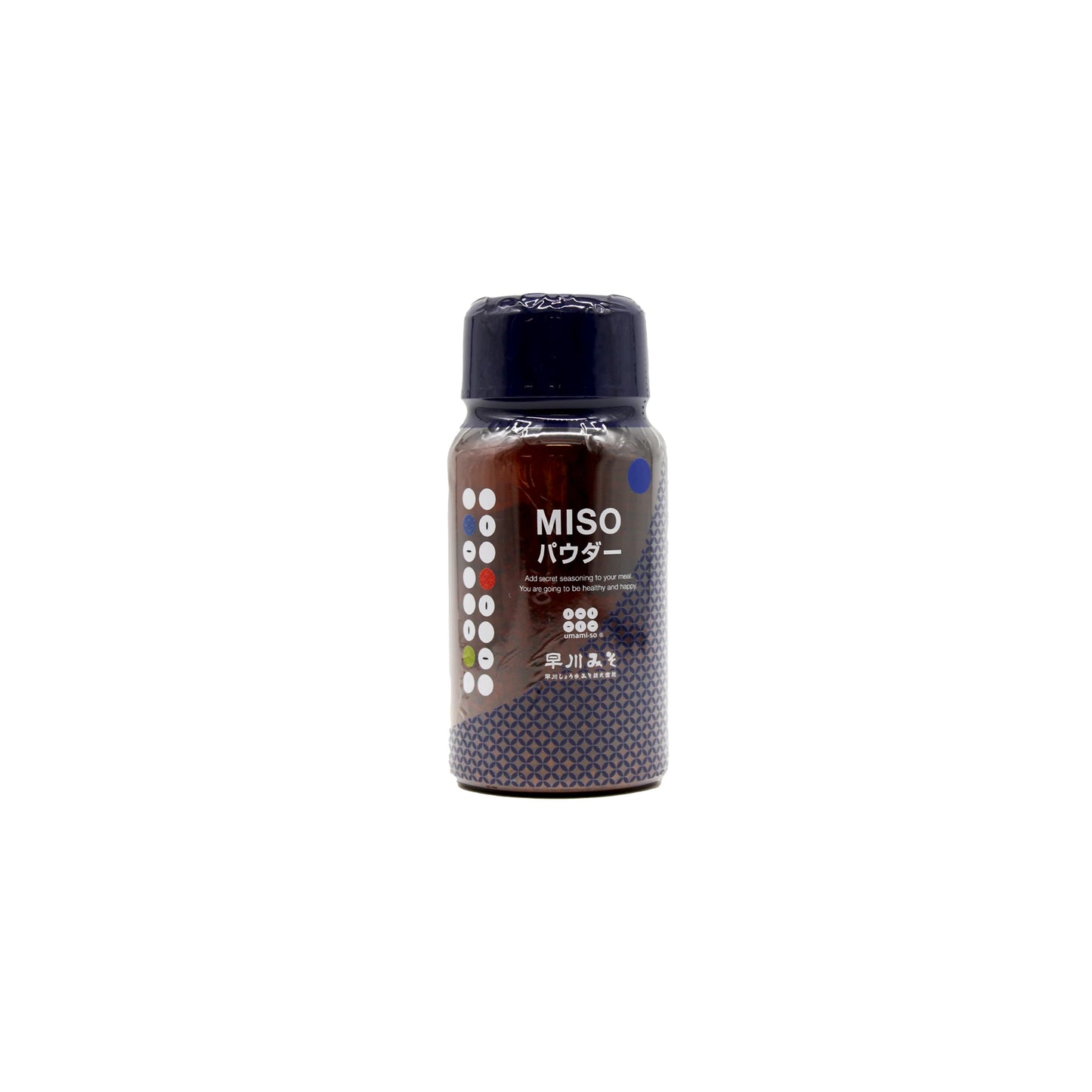
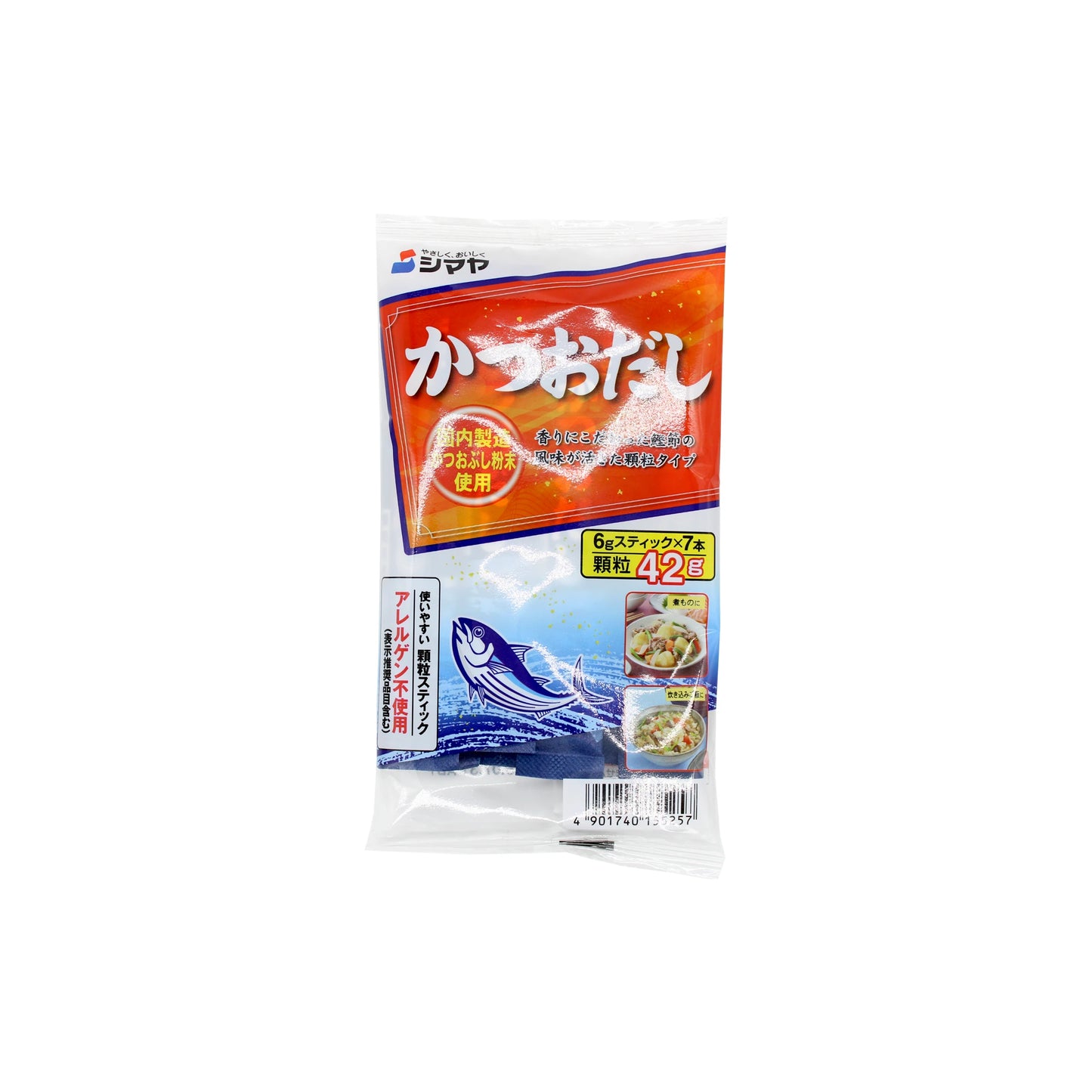
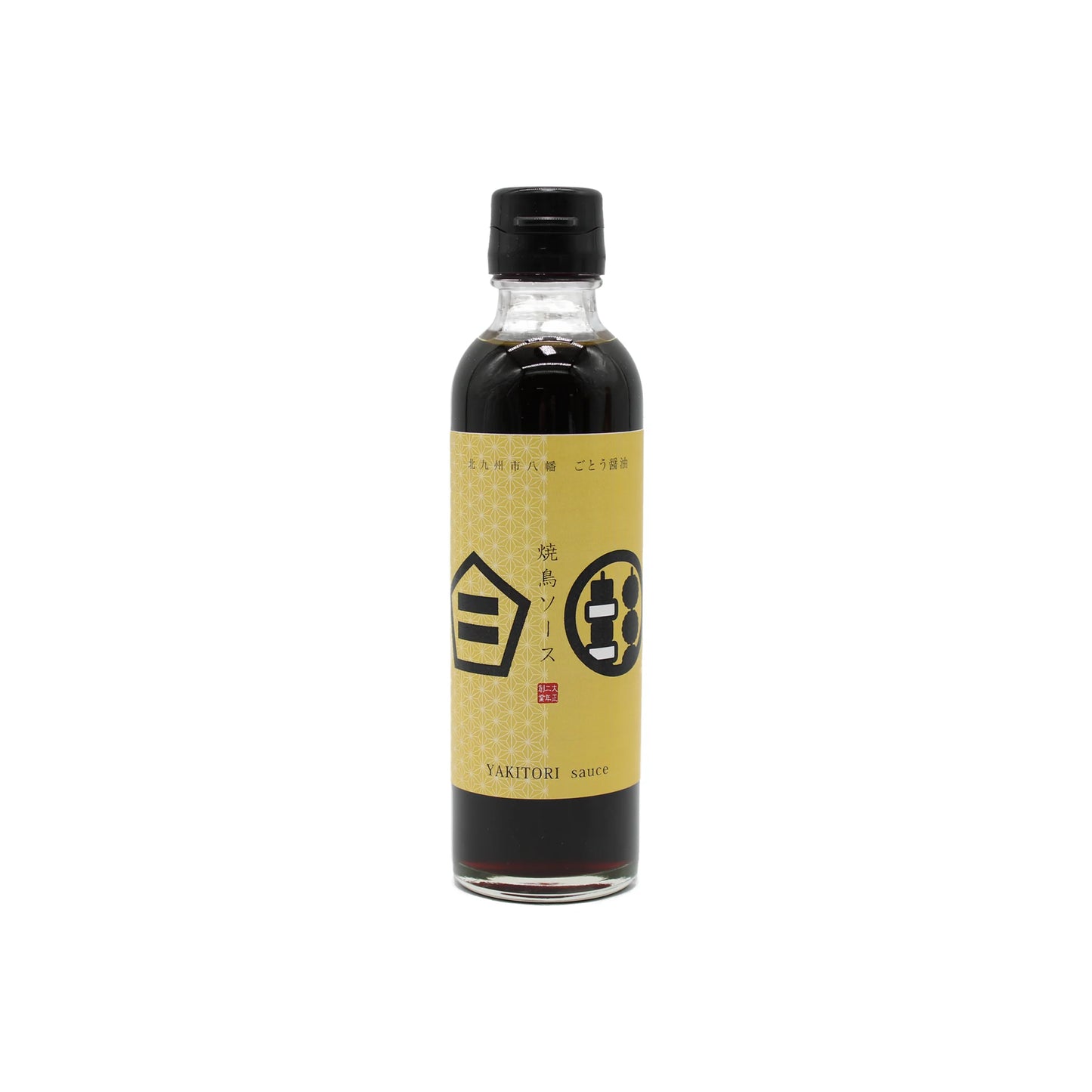
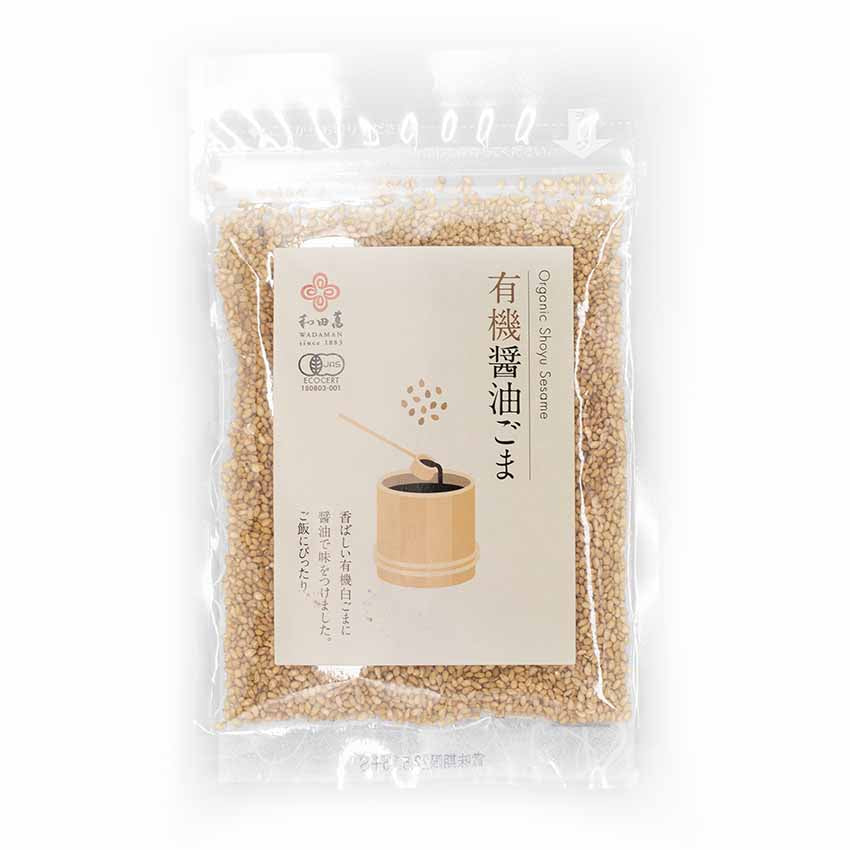
As one of the five basic tastes, umami is the savoury, meaty flavour that comes from amino acids and protein, and is commonly found in broths and cooked meats. Our Japanese 'umami boosters' are an incredible shortcut to add deep savoury flavour to meat dishes, stir-fries, soups and more.
Examples of umami seasoning in other food cultures might include Worcestershire sauce, oyster sauce, tomato paste, malt vinegar or fish sauce (often activated with lemon juice). For example, Worcestershire sauce is very similar to many Japanese umami boosters – it’s a fish-based sauce used to enhance the savoury meat flavours of steaks, hamburgers, and even Welsh rarebit!
However, whilst Japanese umami boosters and ingredients such as Worcestershire sauce are similar, umami ingredients in Japanese cooking are often more delicate and complex. This is because Japanese cuisine tends to focus on minimalism and simplicity, letting each flavour shine through rather than being overpowered by one another.


Award Winning


Sustainable


Growers


Free Delivery
Get inspired with some recipes


New Potatoes with Fresh Wasabi Butter
A simple seasonal side that turns humble new potatoes into something elegant and memorable.


Grilled Mackerel with Mikan Ponzu
A classic combination that lets the rich flavour of mackerel shine.


Black Sesame Bread Recipe
Nutty, hearty and deeply aromatic, this wholemeal black sesame loaf brings a subtle roasted depth to a classic everyday bread.

New Potatoes with Fresh Wasabi Butter
A simple seasonal side that turns humble new potatoes into something elegant and memorable.

Grilled Mackerel with Mikan Ponzu
A classic combination that lets the rich flavour of mackerel shine.

Black Sesame Bread Recipe
Nutty, hearty and deeply aromatic, this wholemeal black sesame loaf brings a subtle roasted depth to a classic everyday bread.