



Soy Sauce













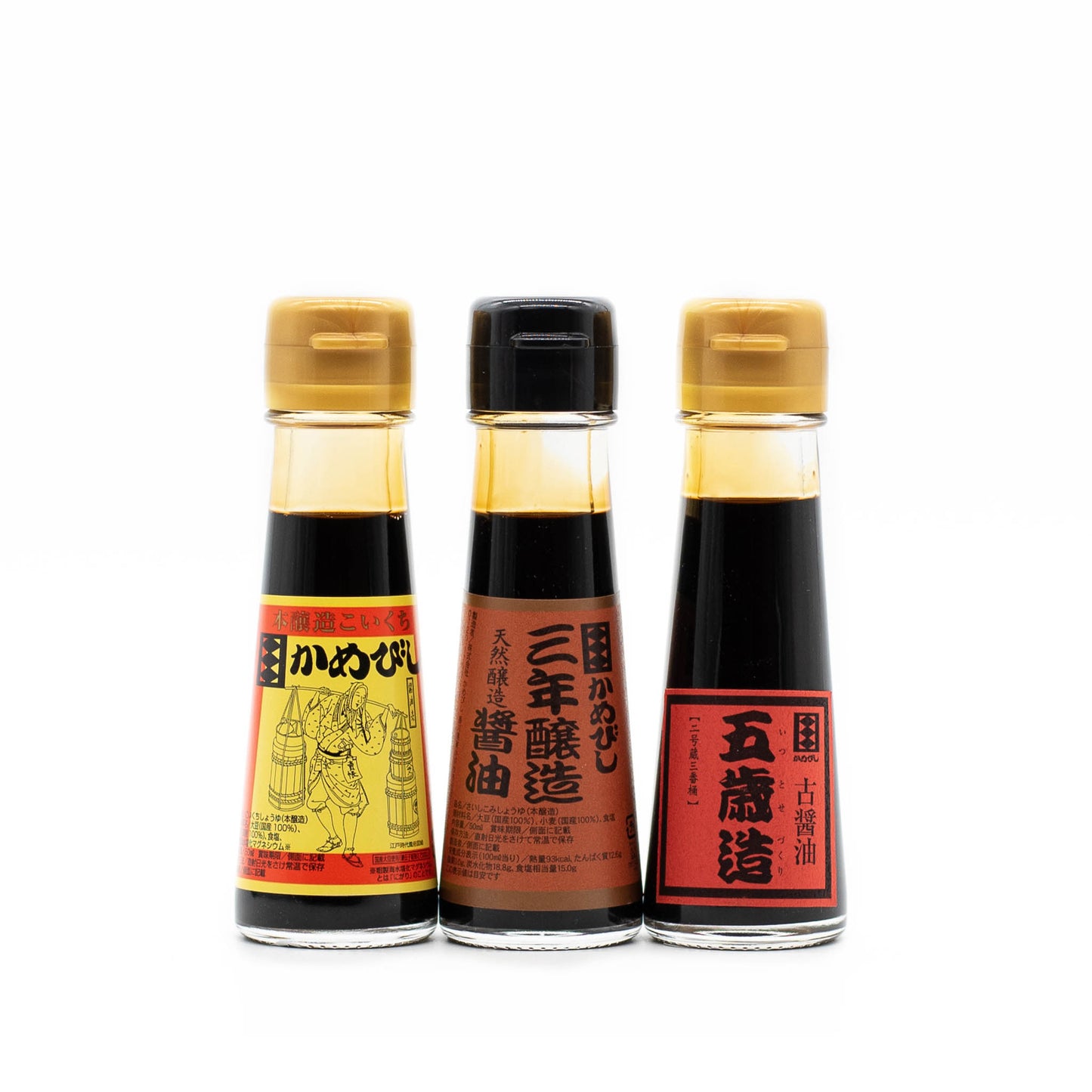

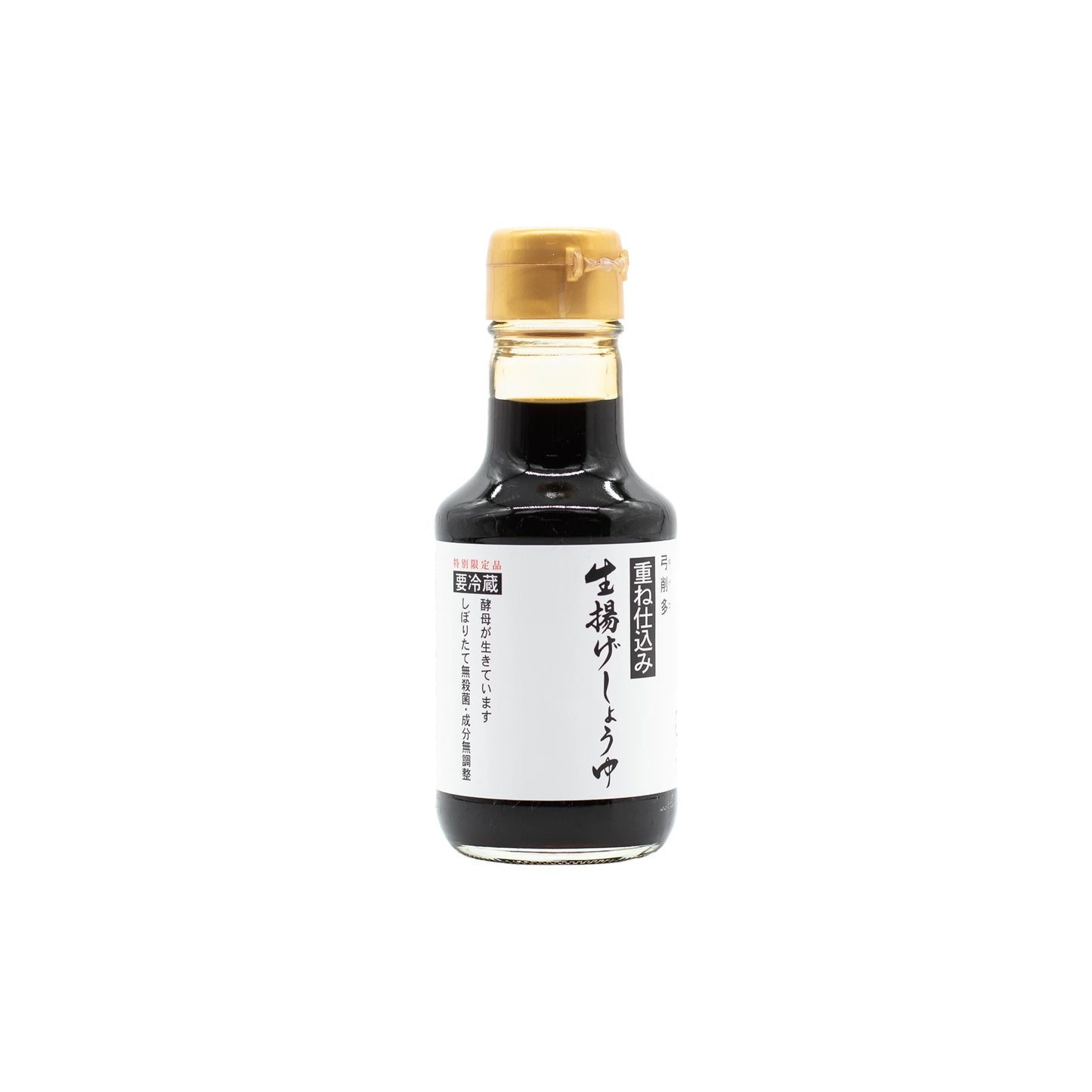

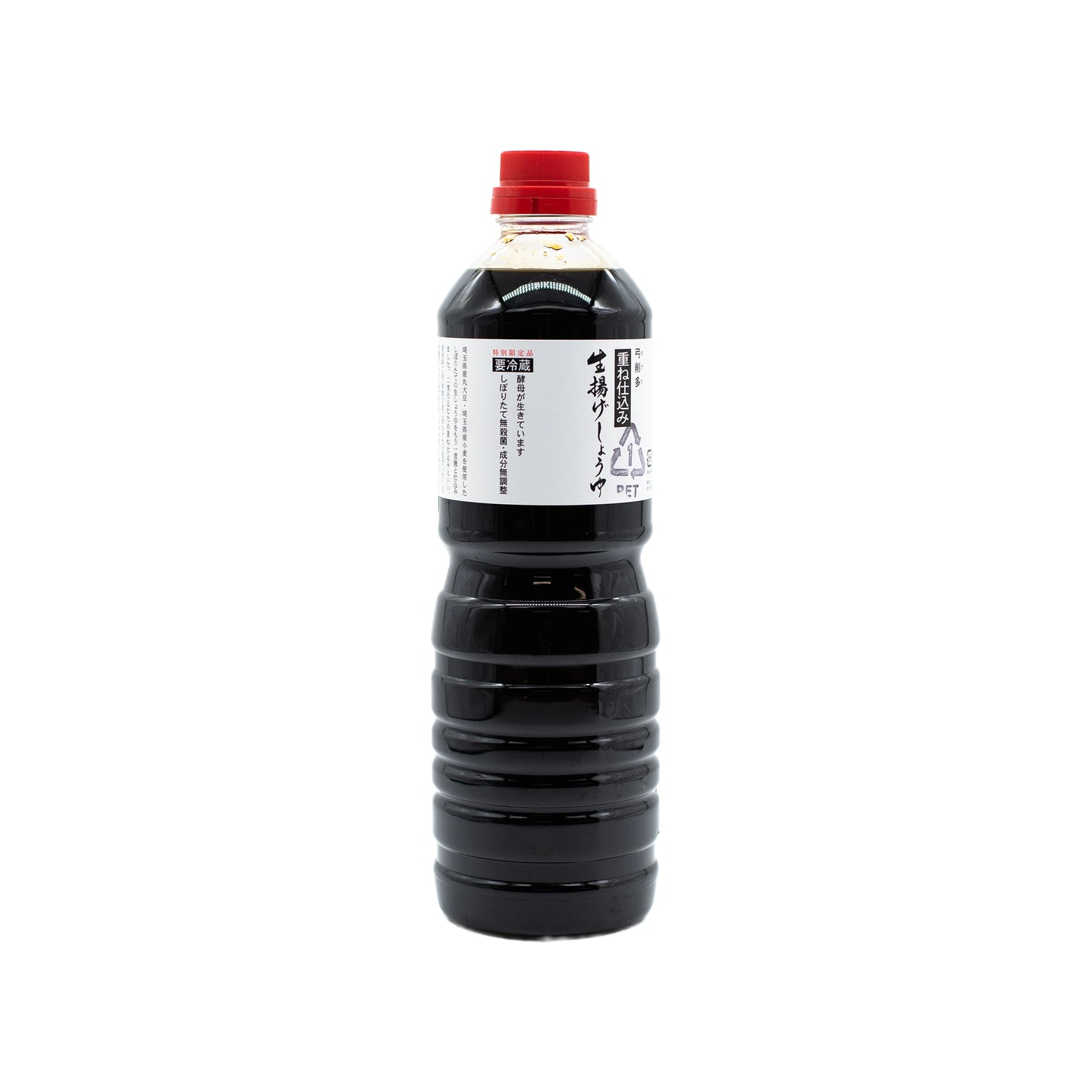

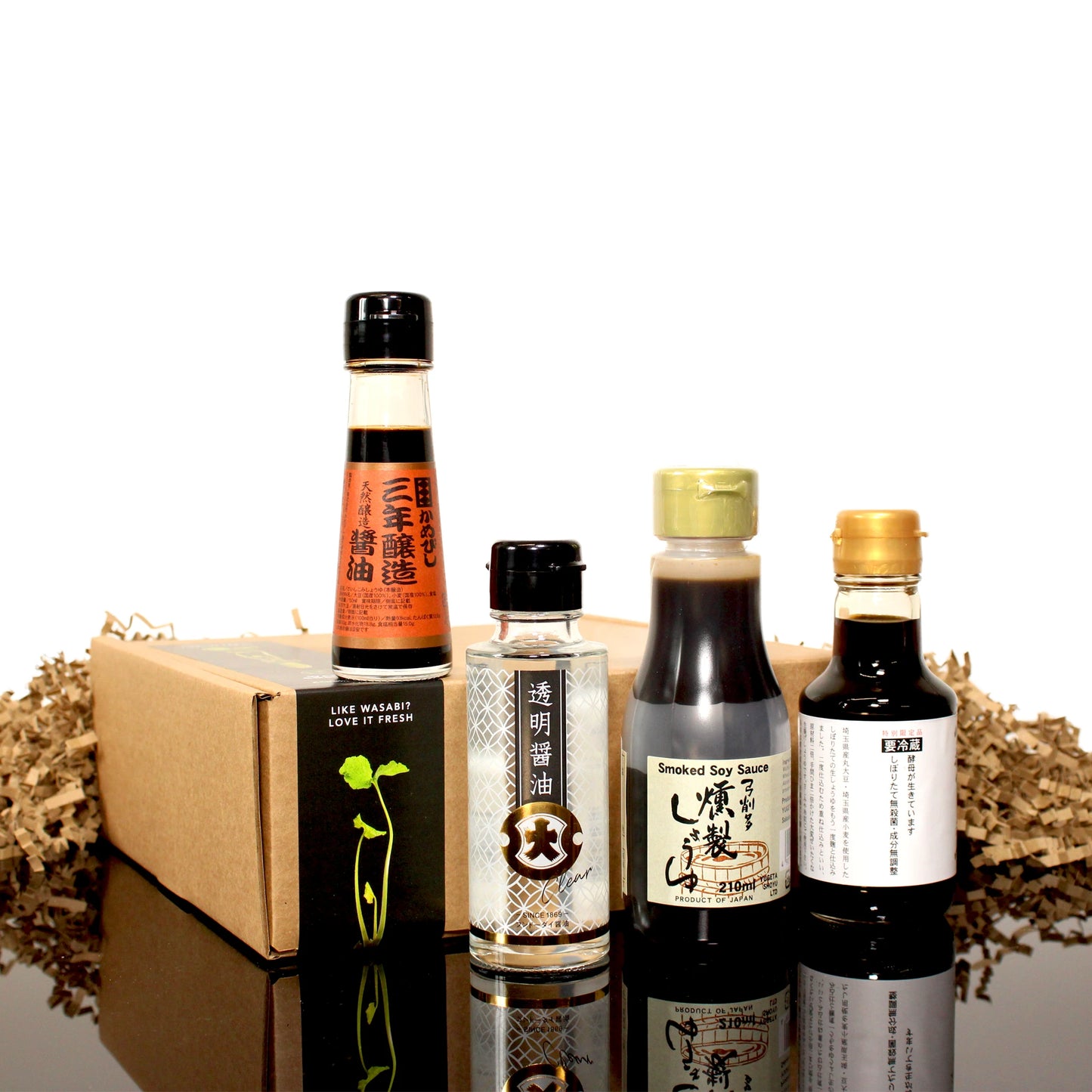

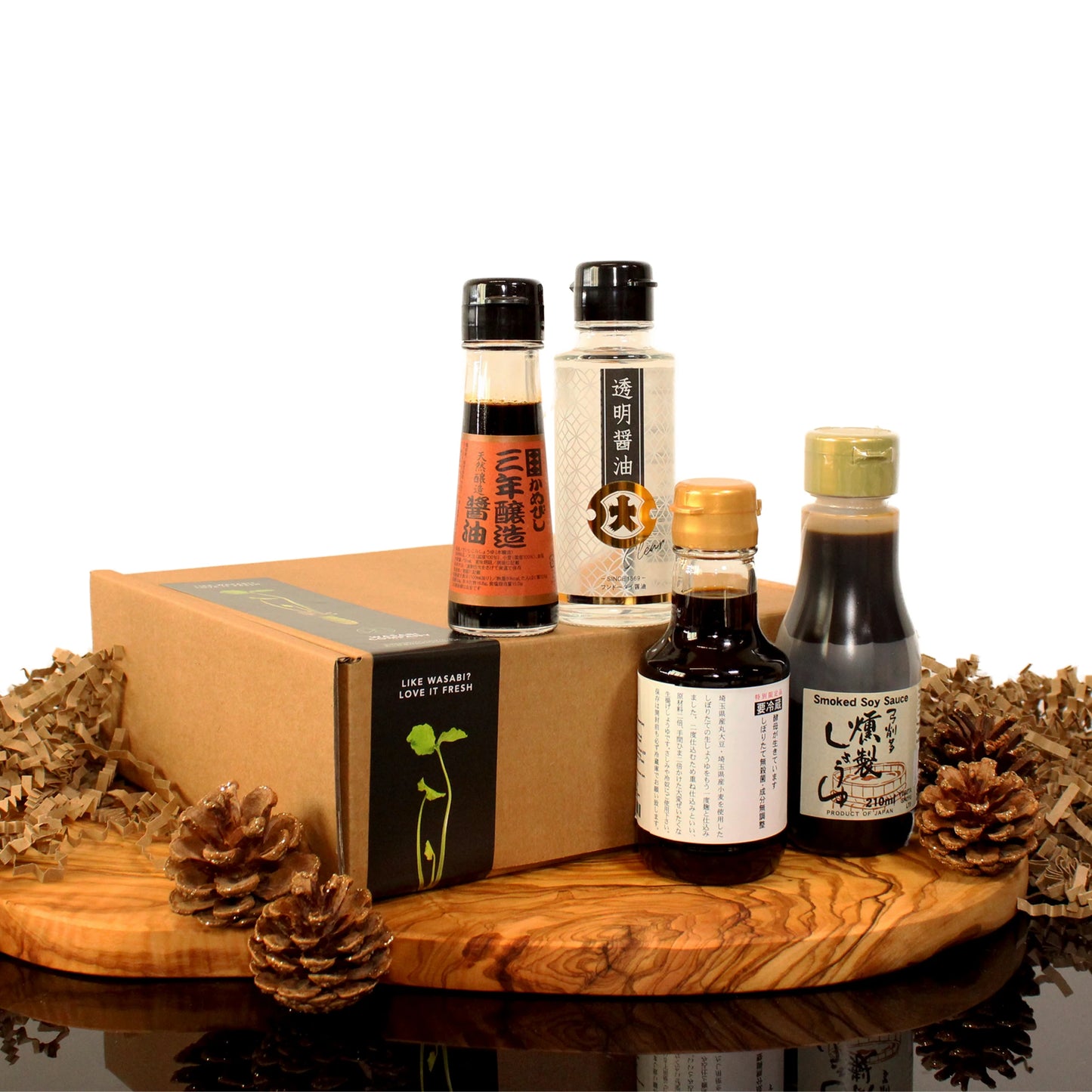

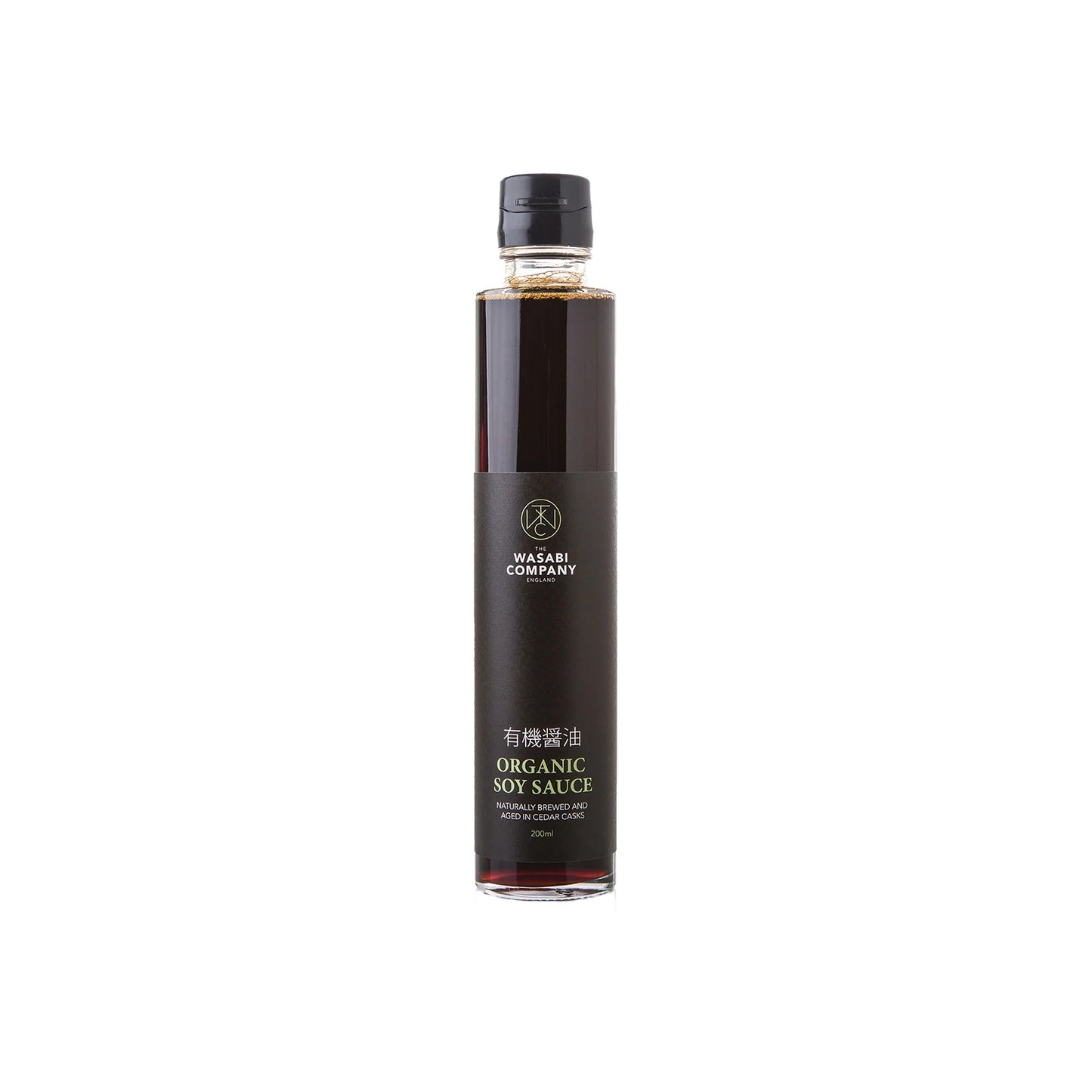
















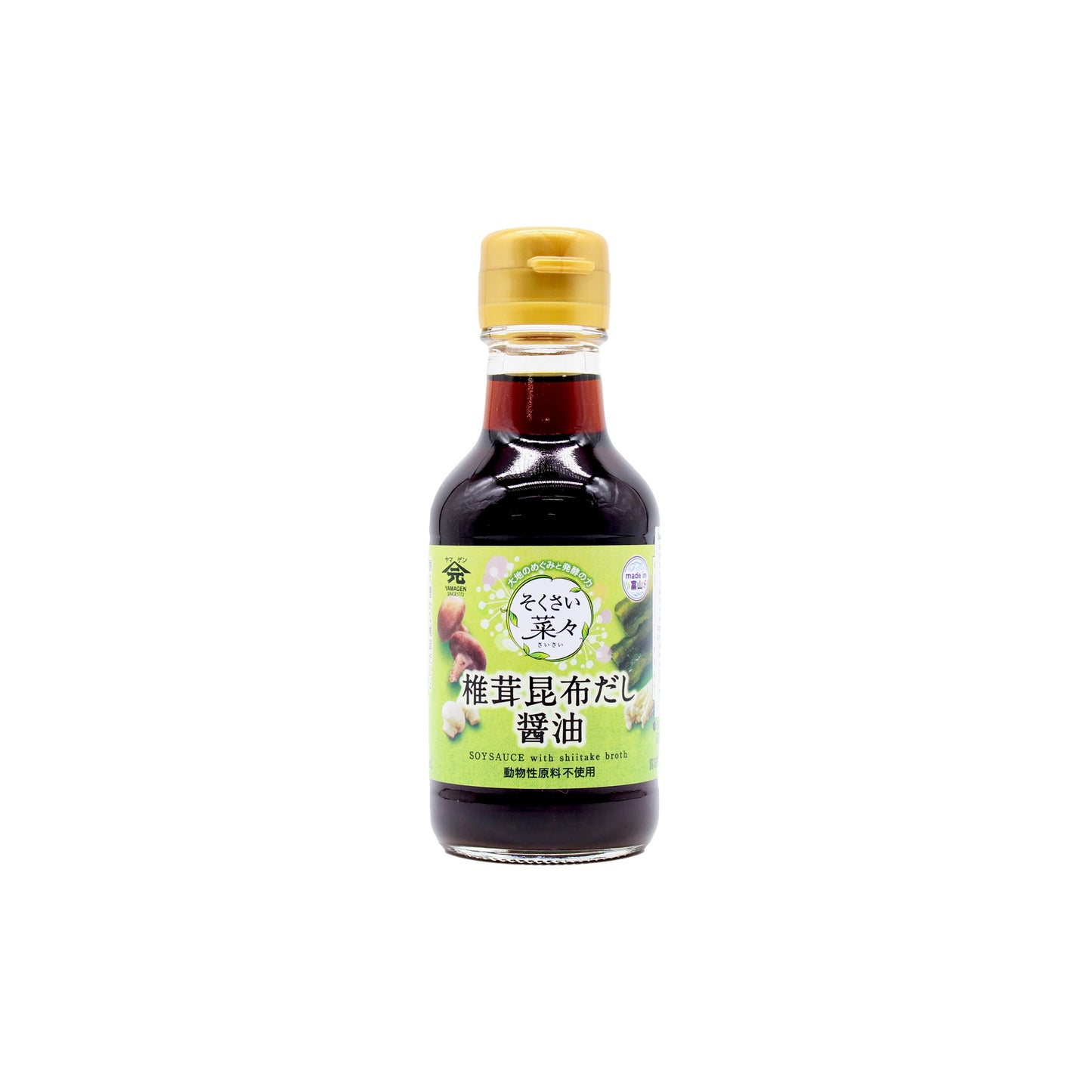
How the types of Japanese soy sauce differ
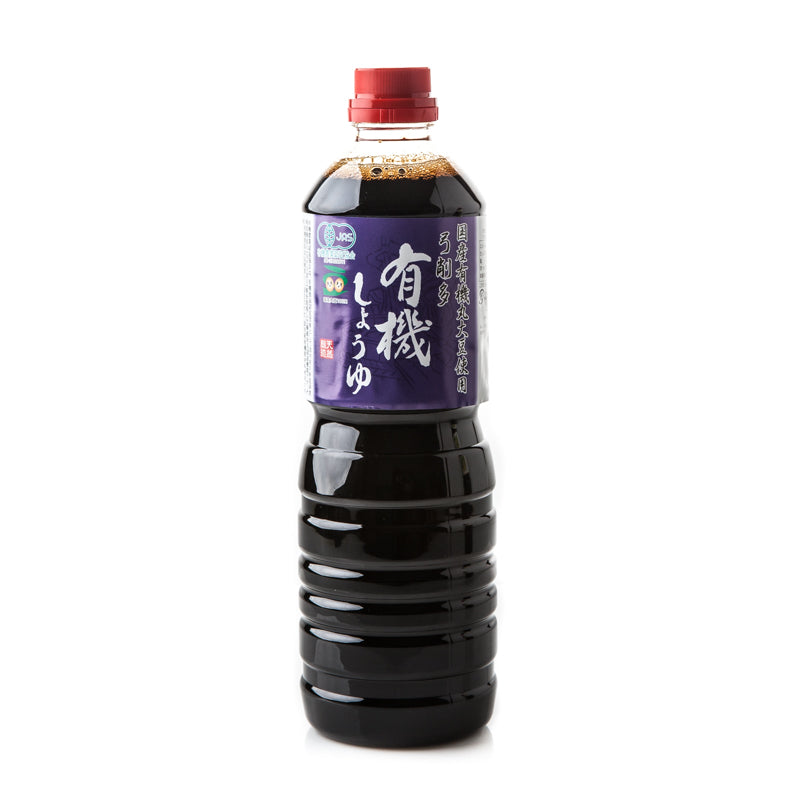
Most people know one kind of soy sauce – the dark, glossy one. In Japan, that's koikuchi shoyu: the everyday standard that accounts for the majority of the country's production. It has a deep mahogany colour and a flavour profile built from umami, faint sweetness and just enough acidity to pull everything together. Brush it onto yakitori, stir it into a braise, or add it near the end of a stir-fry and watch it caramelise to a lacquered finish.
Light soy sauce, or usukuchi shoyu, looks thinner and paler, but is actually saltier than its dark counterpart. The fermentation is deliberately slowed to preserve that lighter colour, which makes it the right choice when you don't want your dish stained dark. Simmer pale root vegetables in it, use it to season a delicate dashi broth, or try it in chawanmushi egg custard. The ingredients stay the colour they should be.
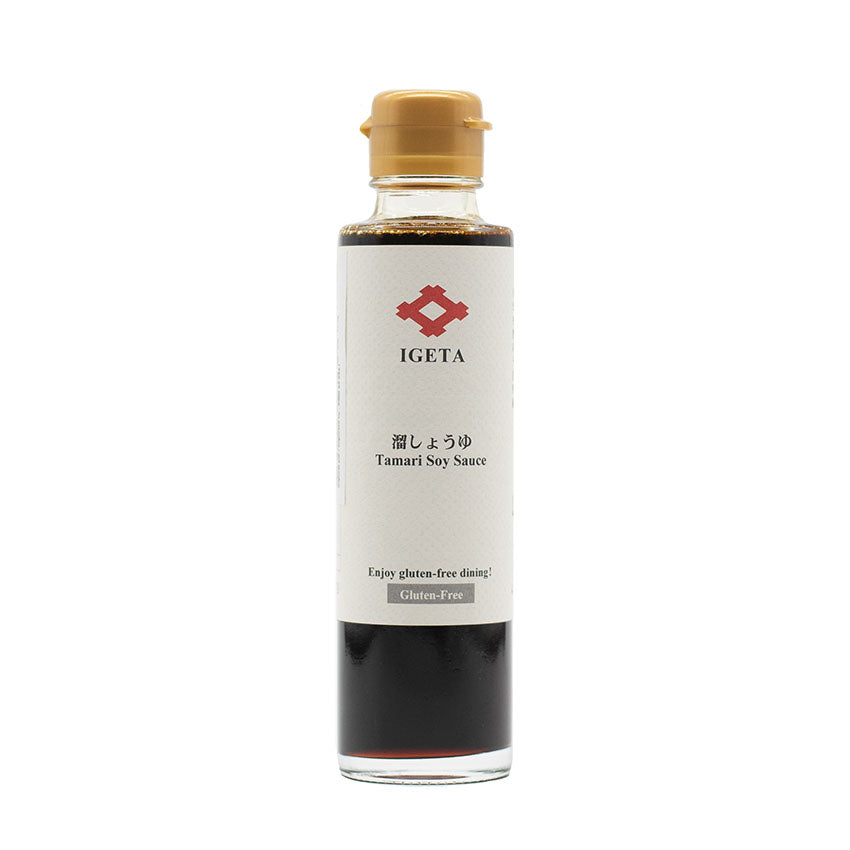
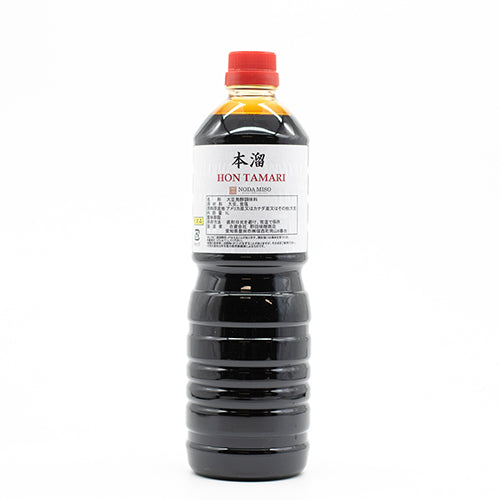
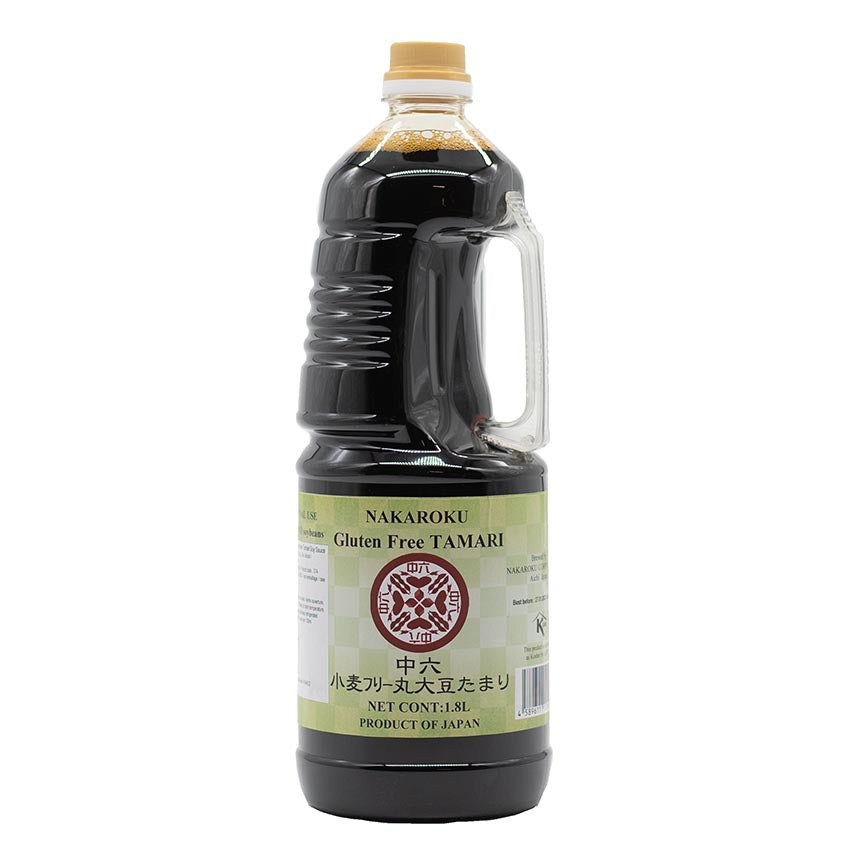
Tamari is thicker and deeper, brewed with little or no wheat. It coats the tongue with a dense, almost syrupy savouriness. This is exactly why it works so well as a soy sauce for sushi and sashimi. It clings to fish where a thinner sauce runs off. It's also the natural choice for anyone eating wheat-free.
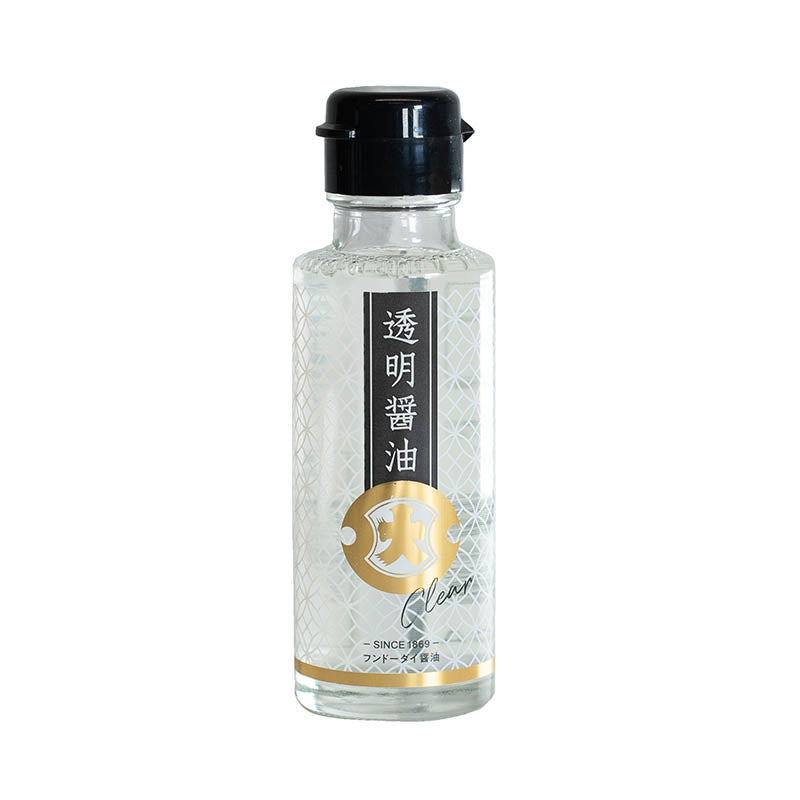
White soy sauce (shiro shoyu) is the surprise in the range. Pale straw-coloured, faintly sweet and unmistakably fragrant, it feels more like a seasoning than a condiment. A splash of it in a clear soup, a pale dressing or a delicate sauce adds depth without the colour. If you used koikuchi, everything would turn brown.
Choosing a soy sauce for cooking or the table
For cooking, dark shoyu is the workhorse. Its salt seasons, its sugars caramelise and its glutamates amplify everything around them. Use it early in a braise for depth or finish a stir-fry with it to build a glaze.
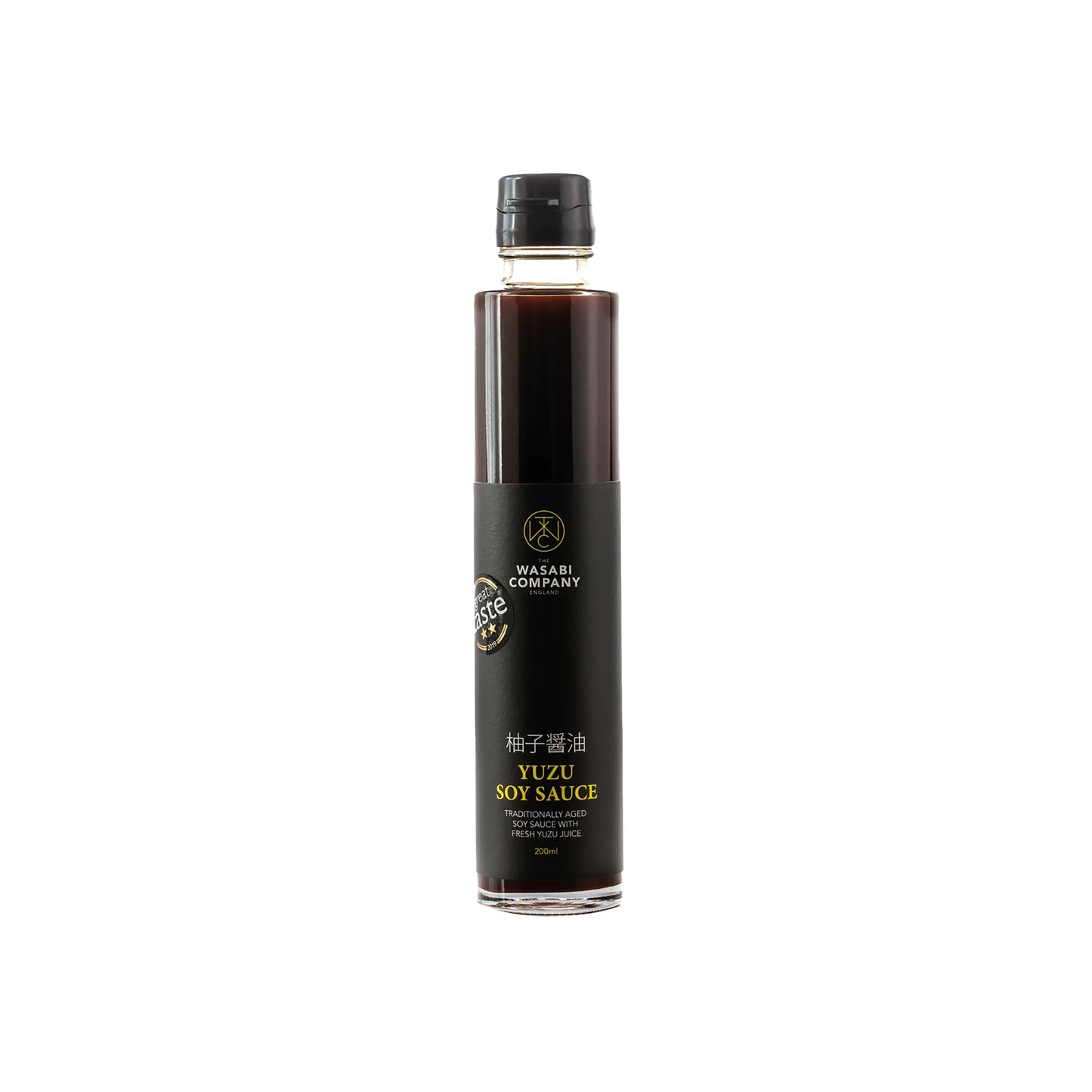
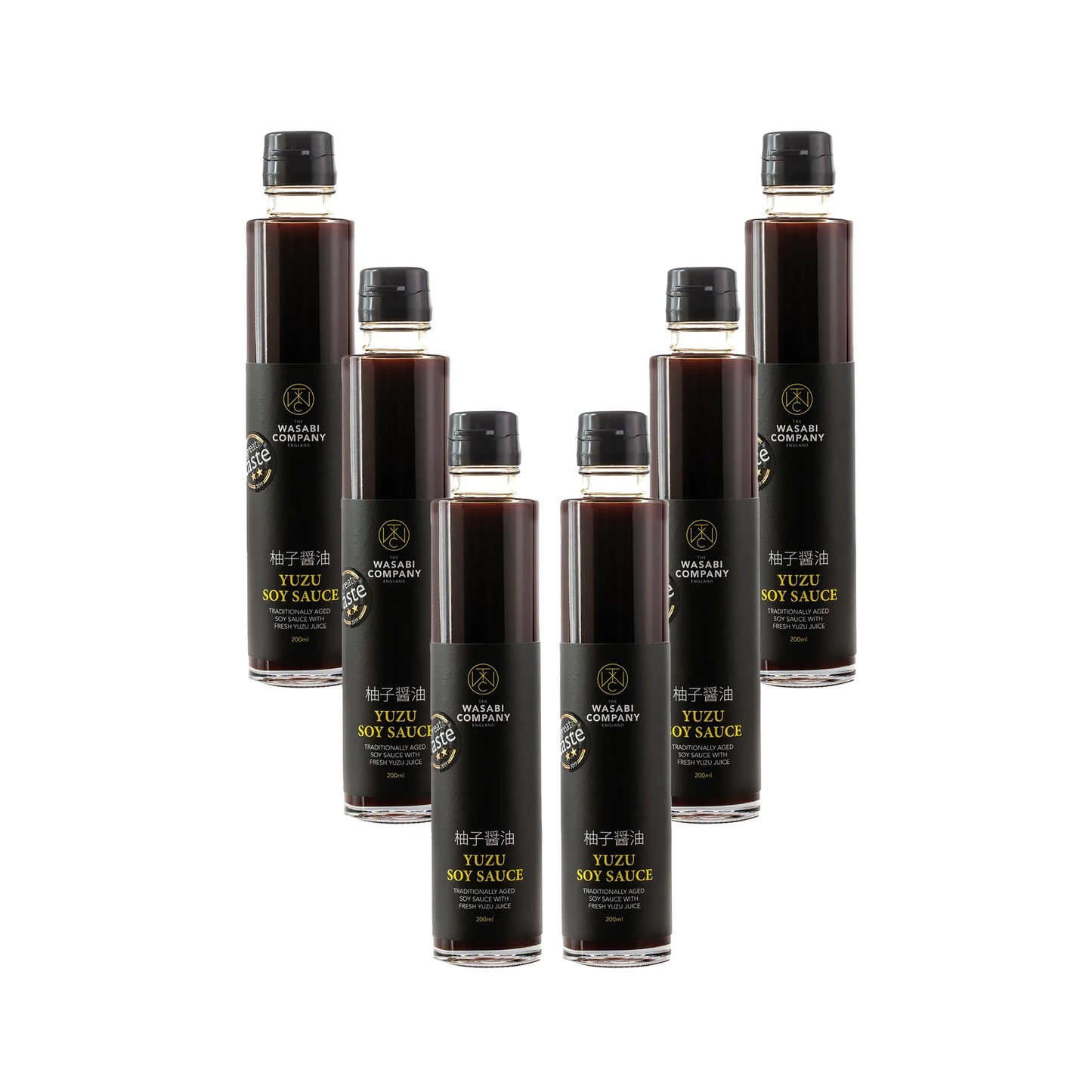
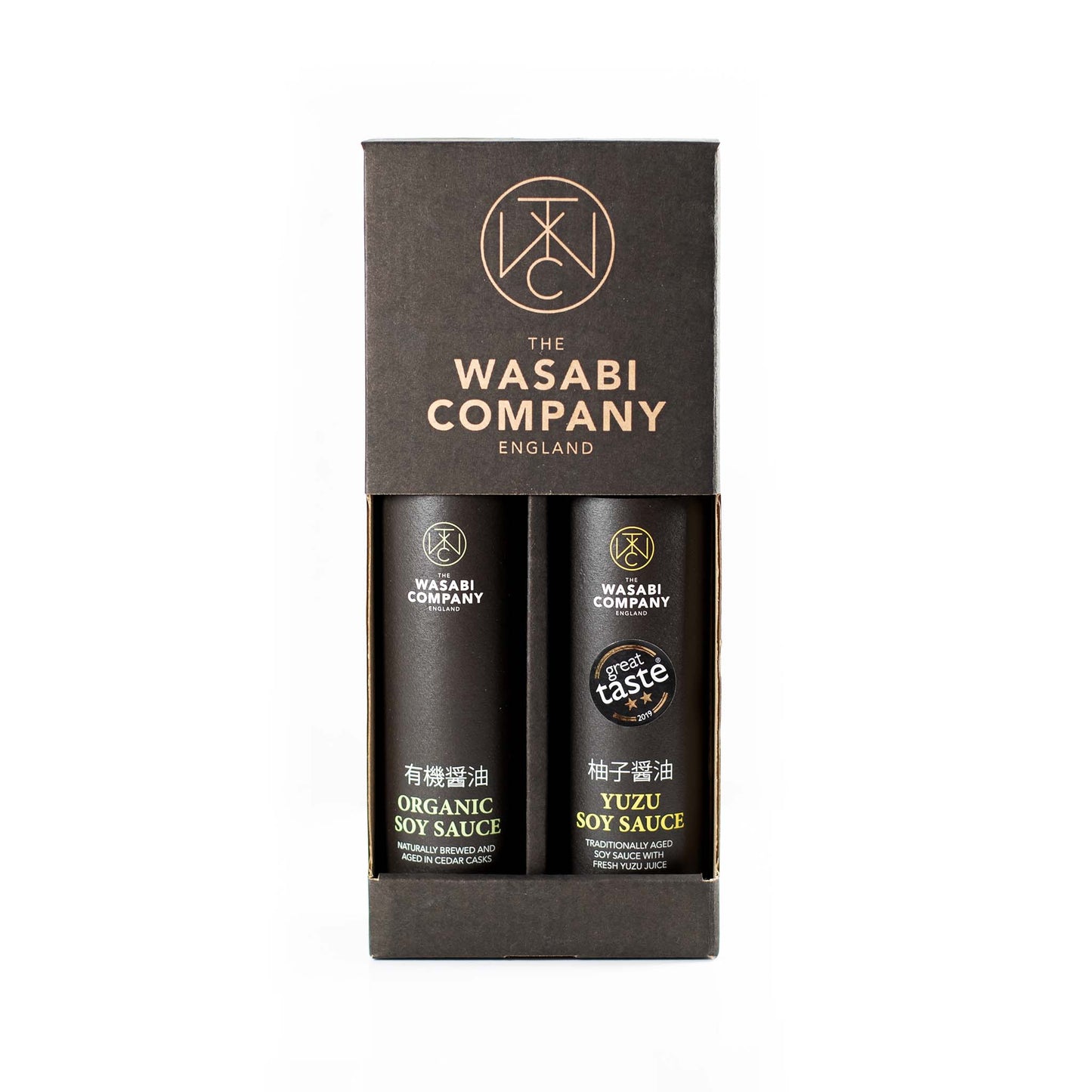
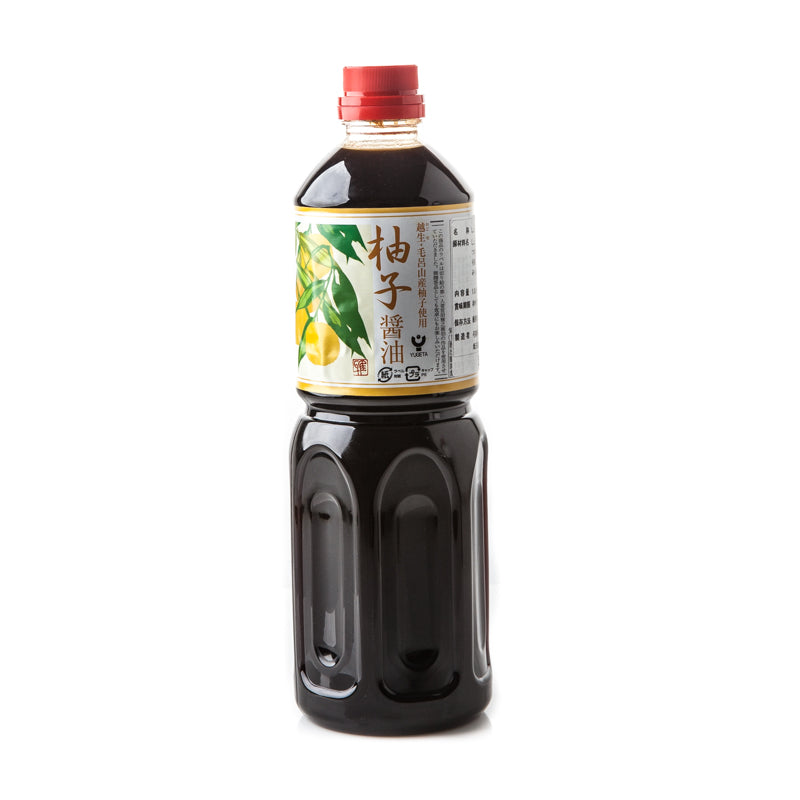
At the table, the approach shifts. Tamari poured cold over sashimi has a rounded, savoury weight that light soy sauce can't match. Yuzu soy goes in a different direction entirely. The citrus in it cuts through richness and works well on grilled fish or a cold noodle salad.
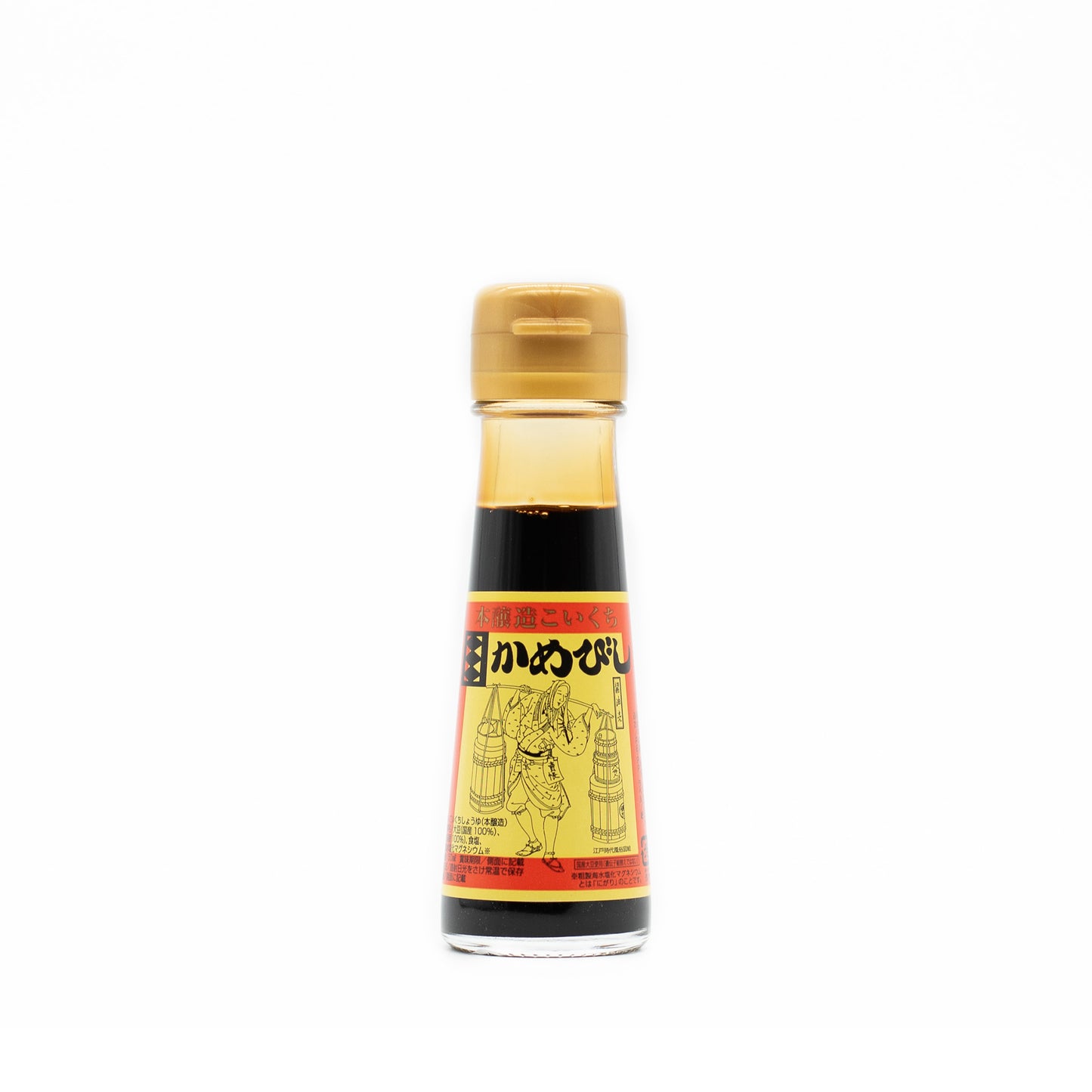
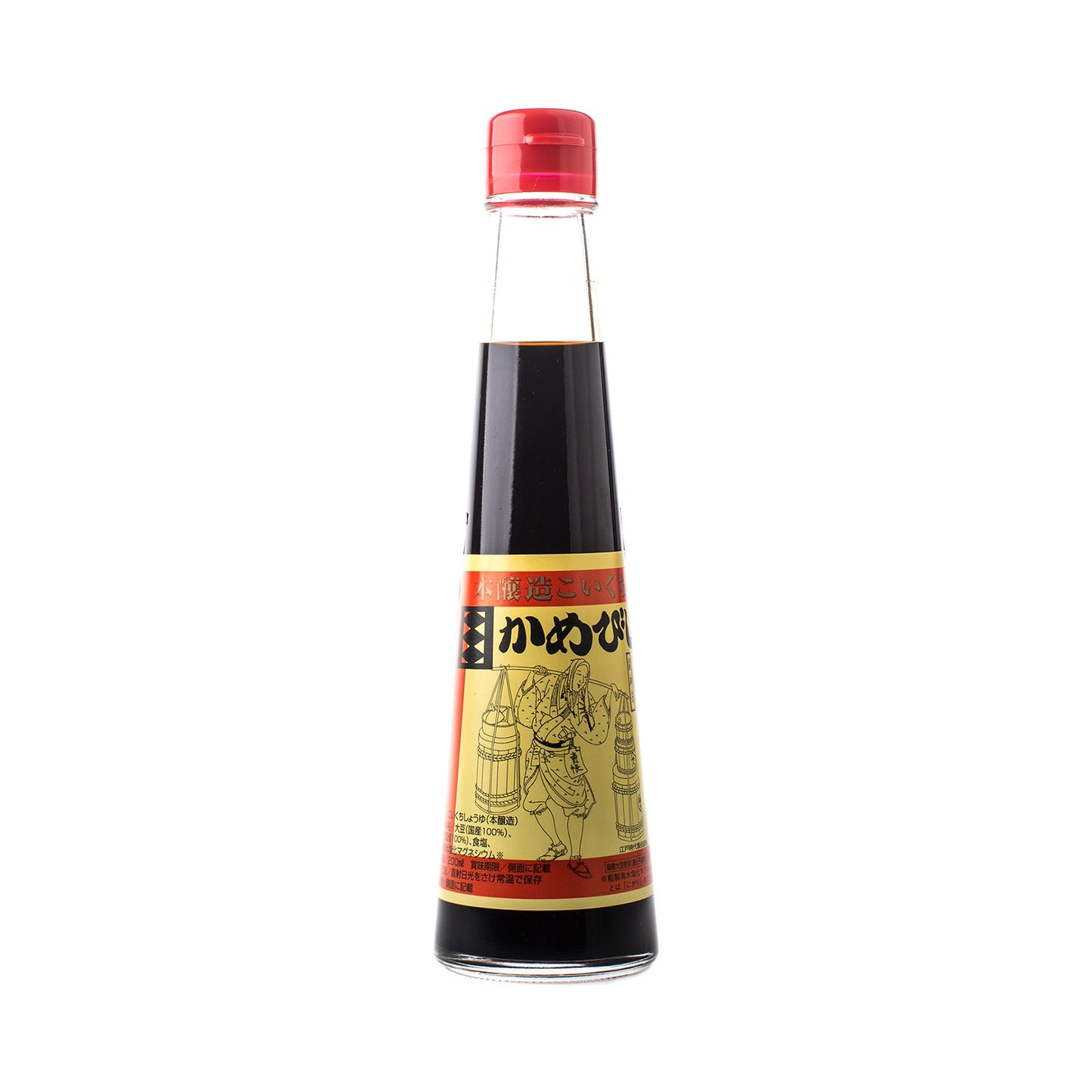
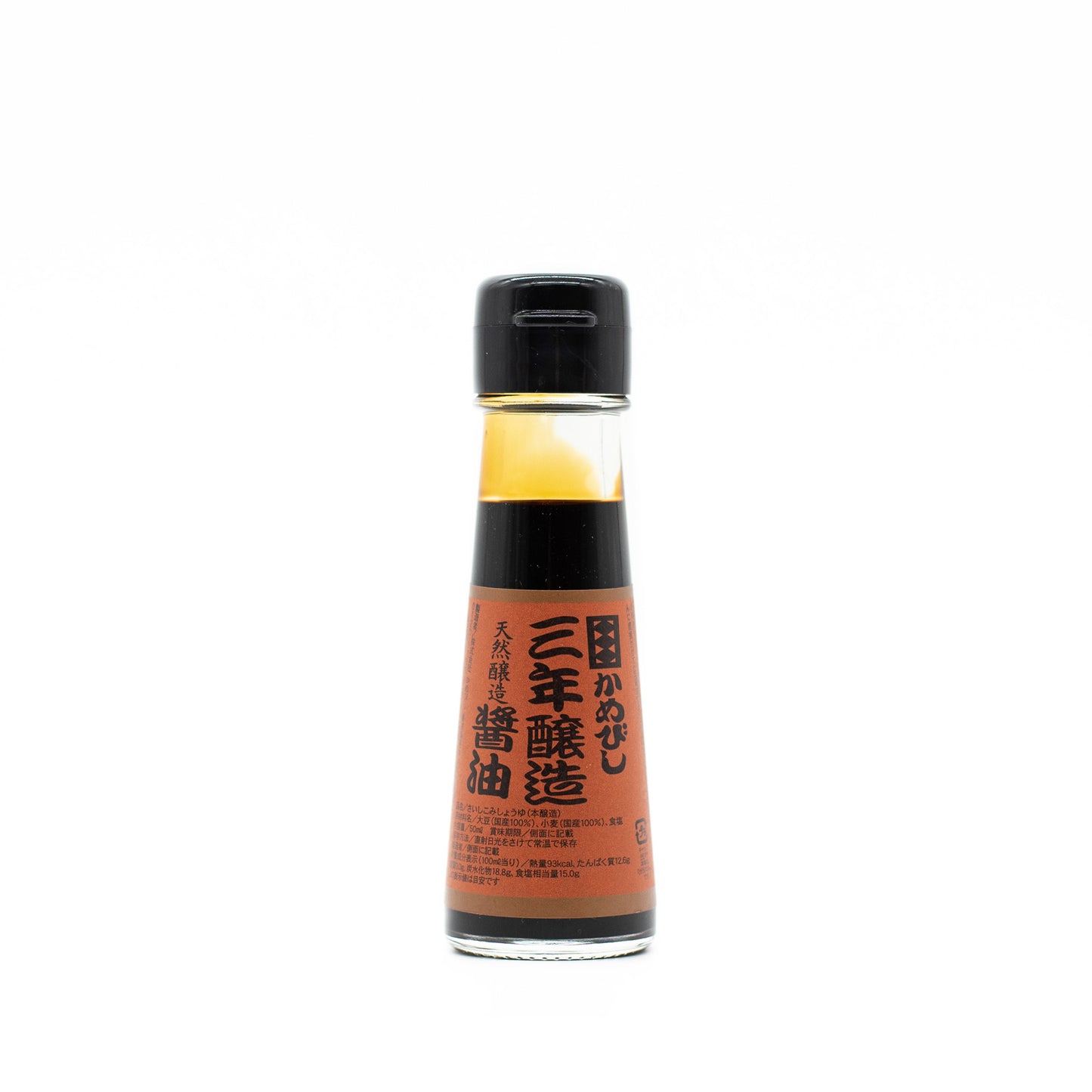
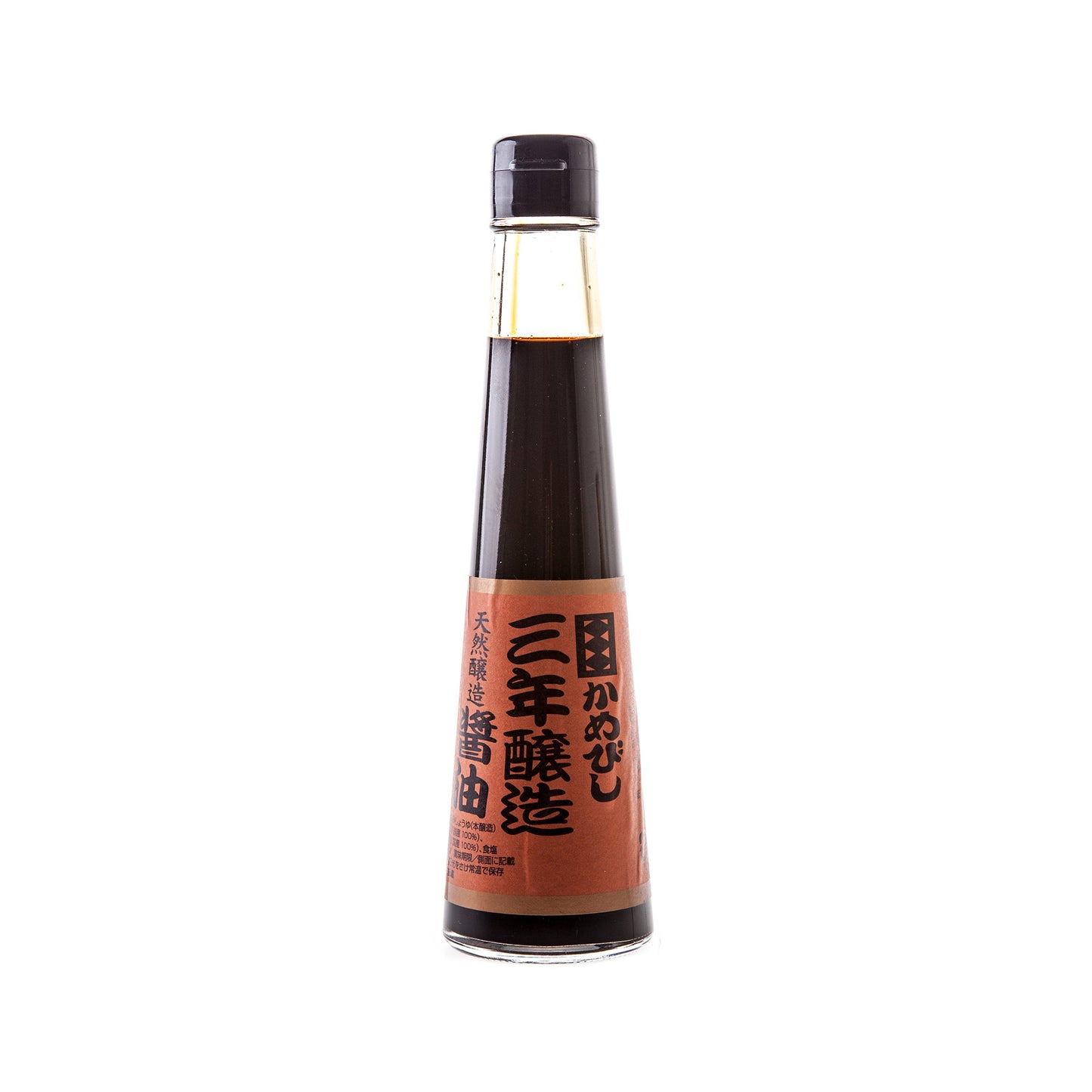
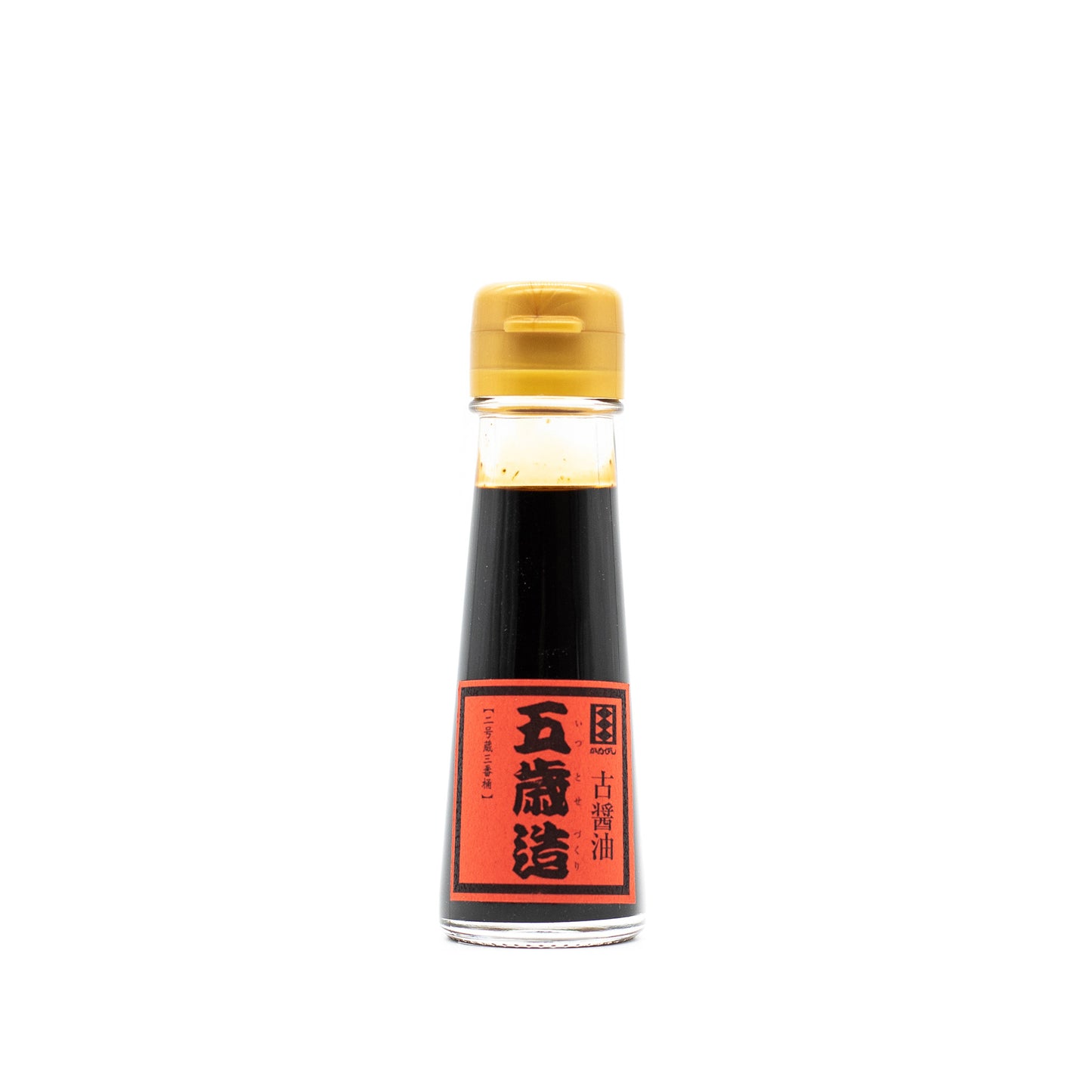
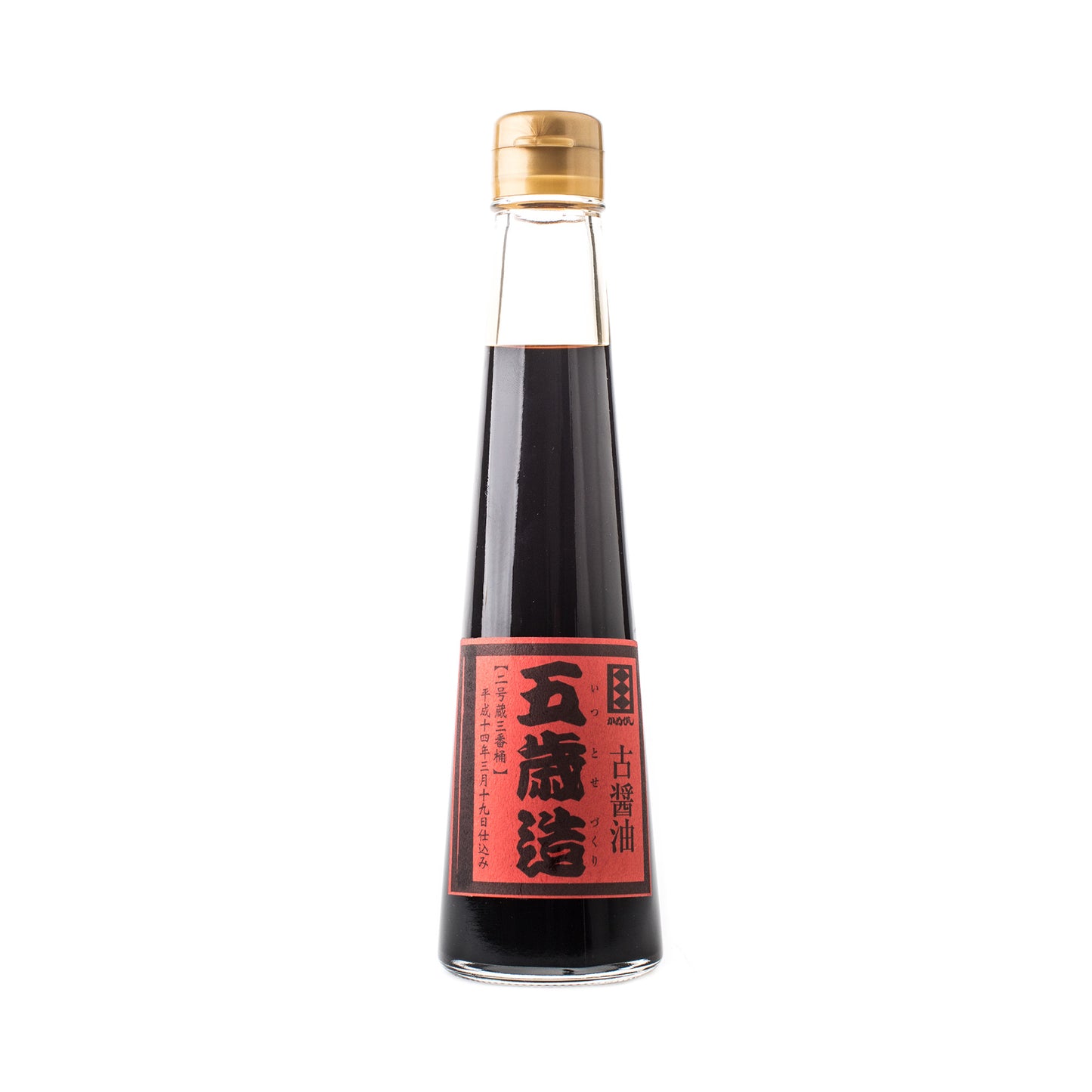
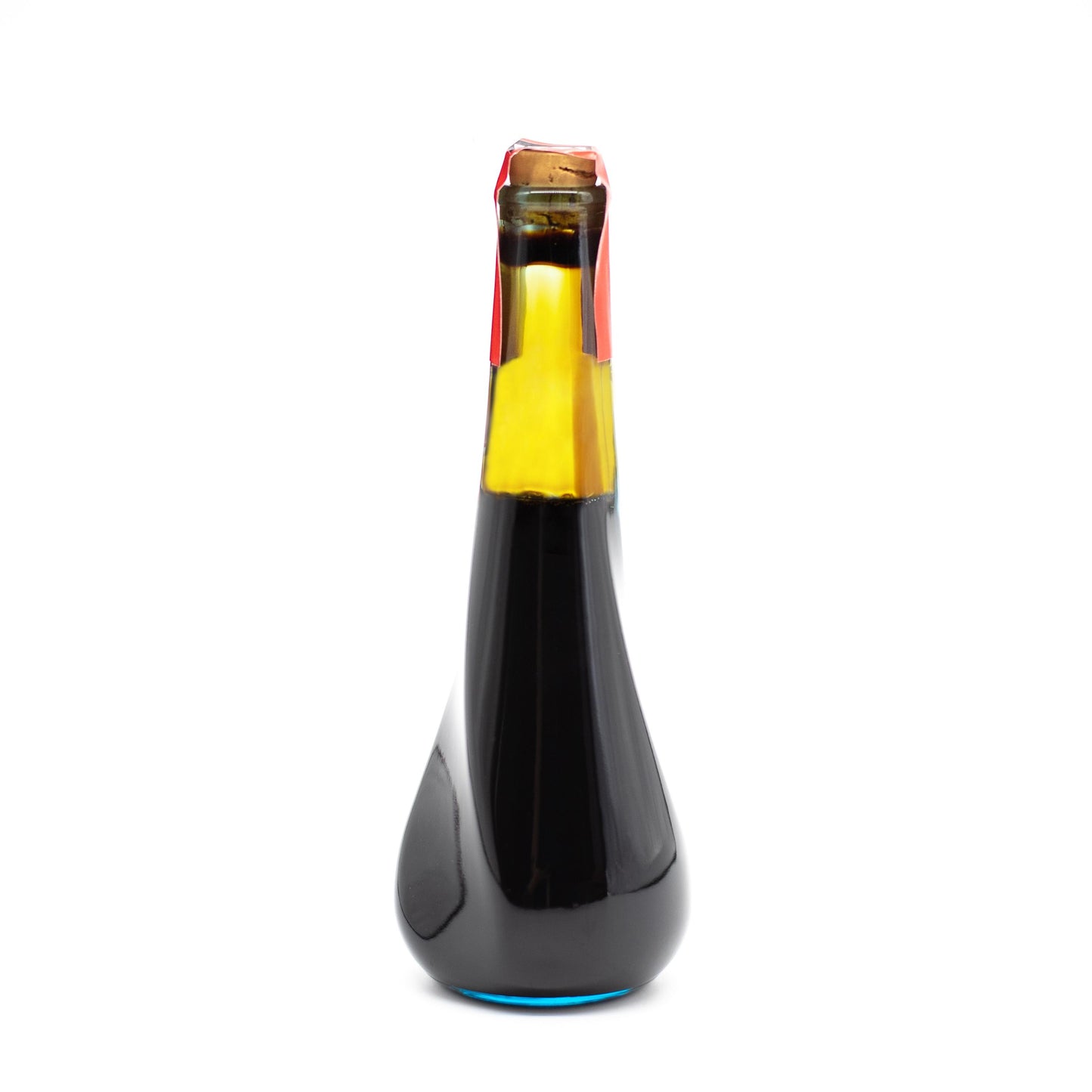
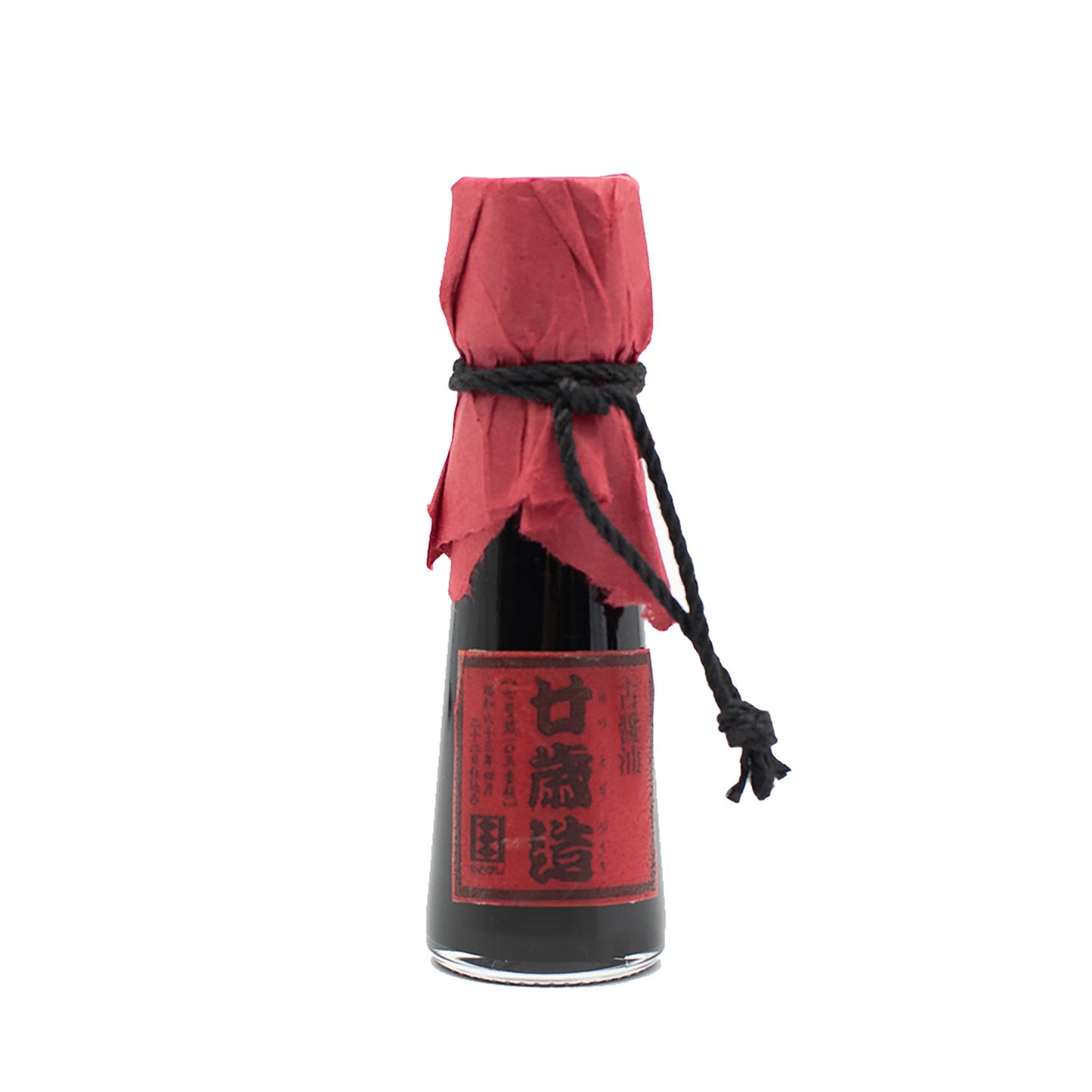
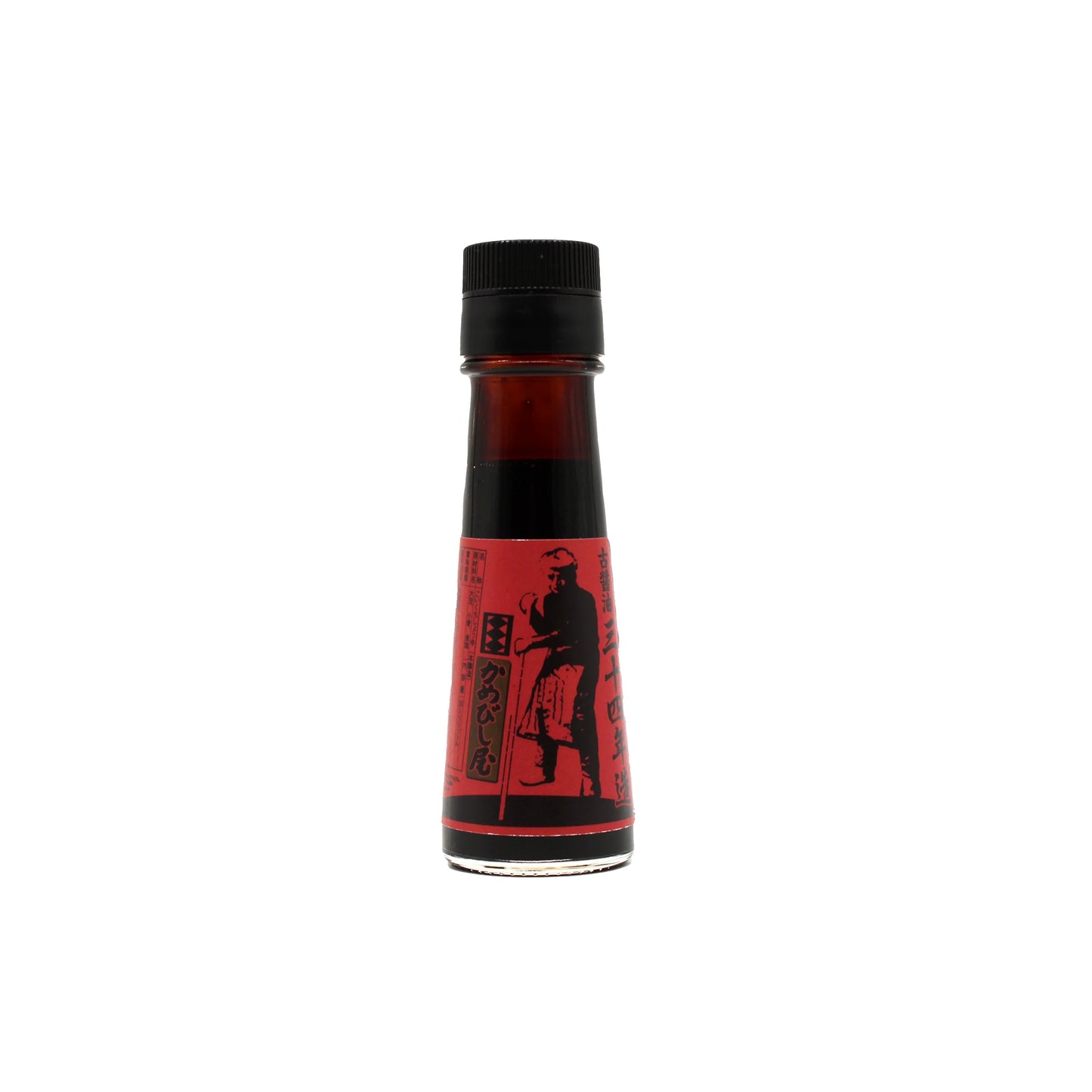
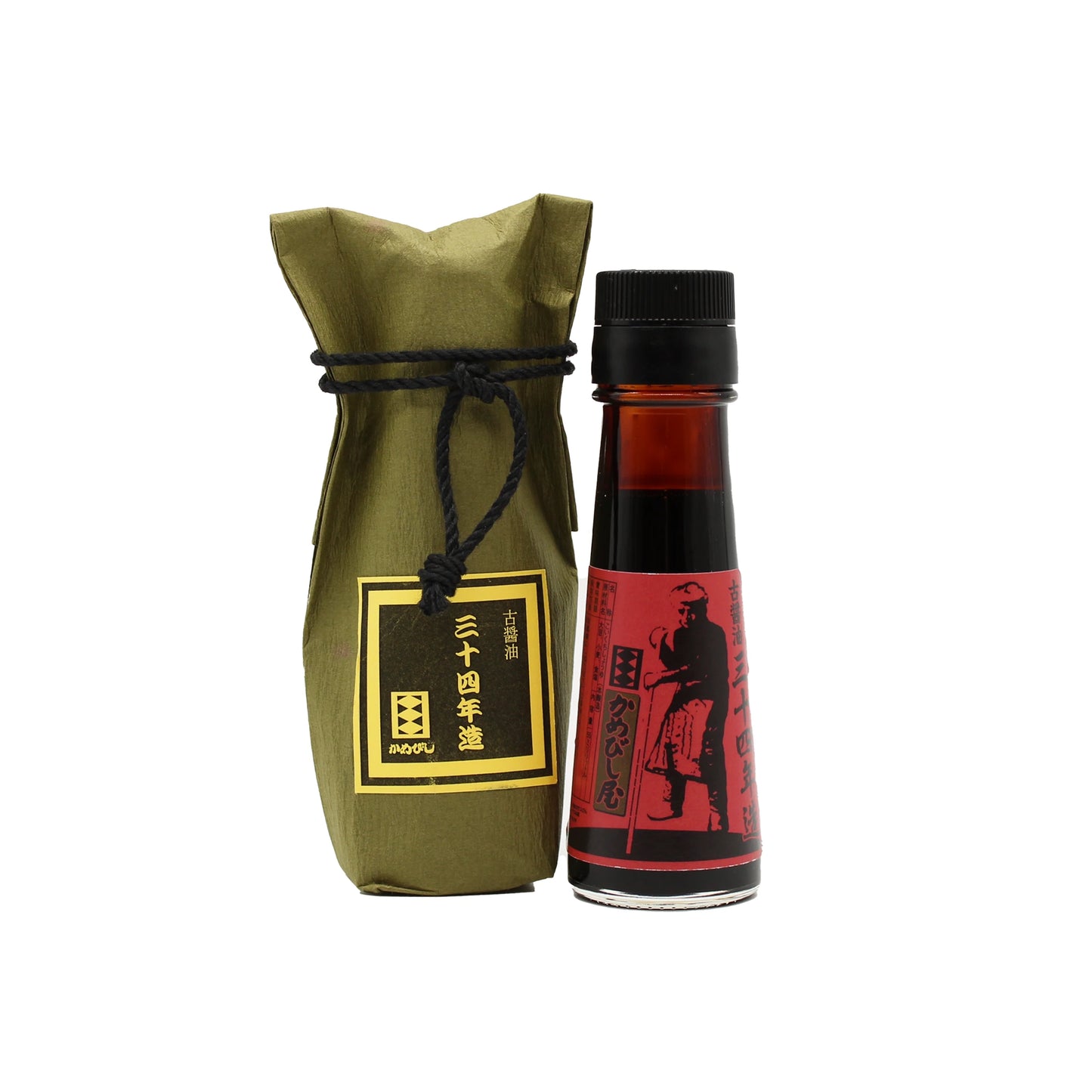
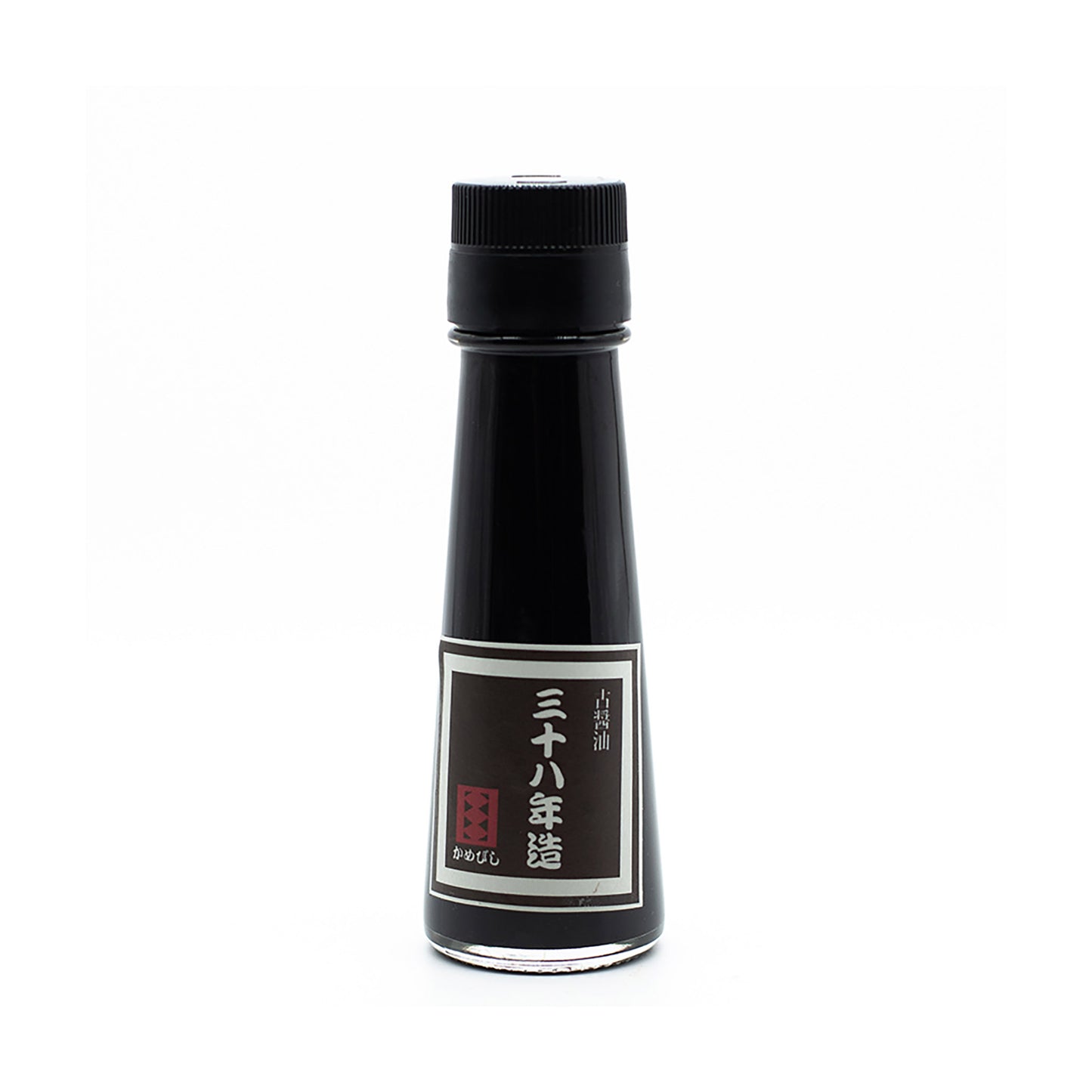
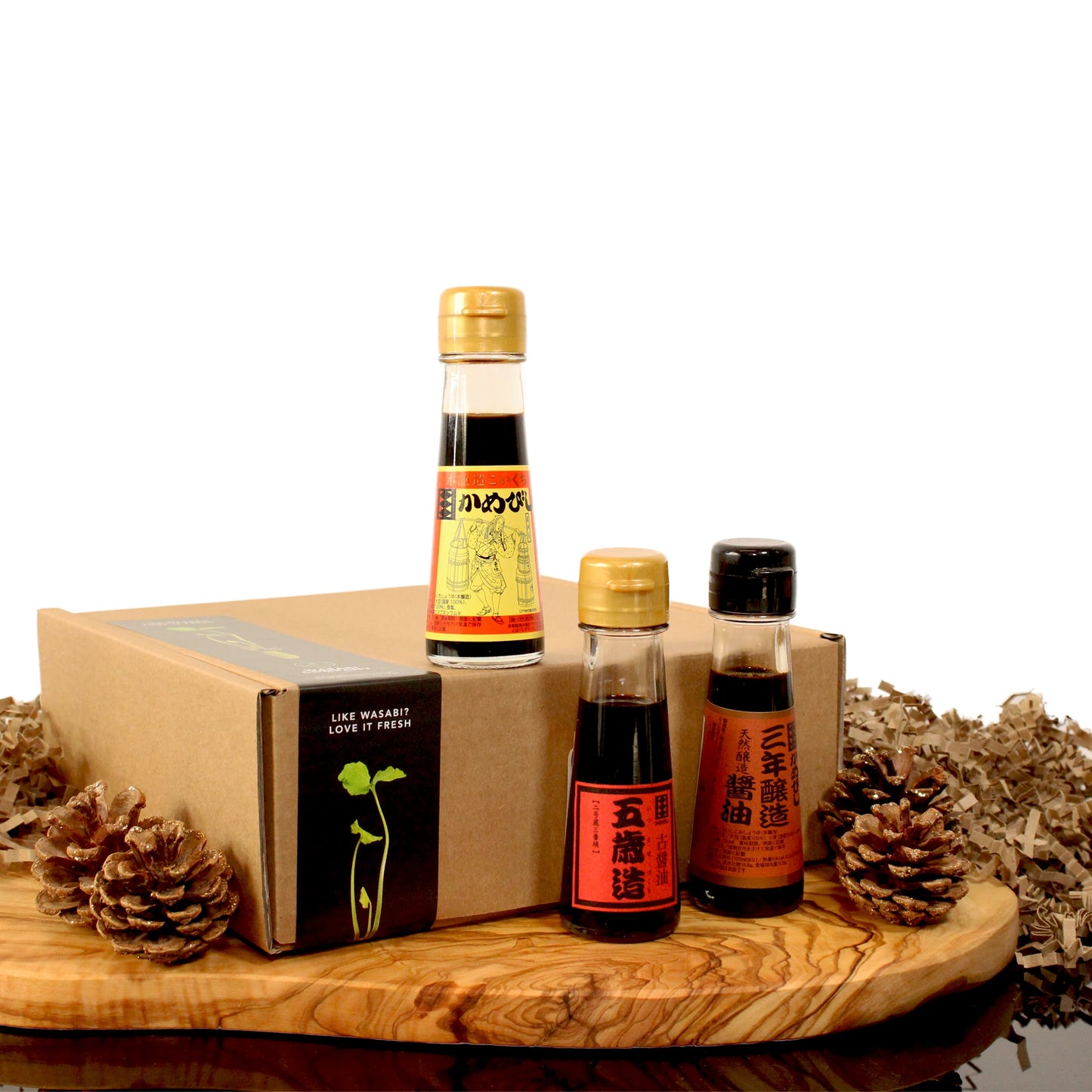
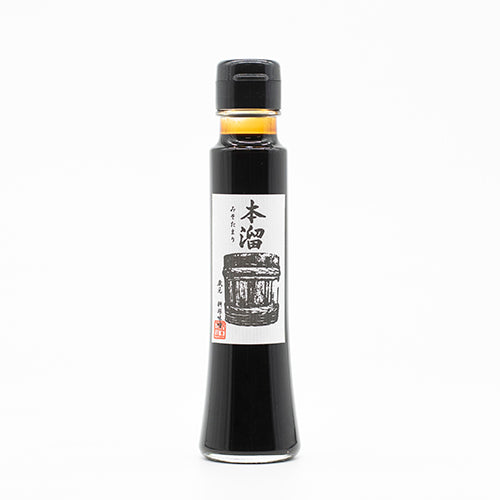
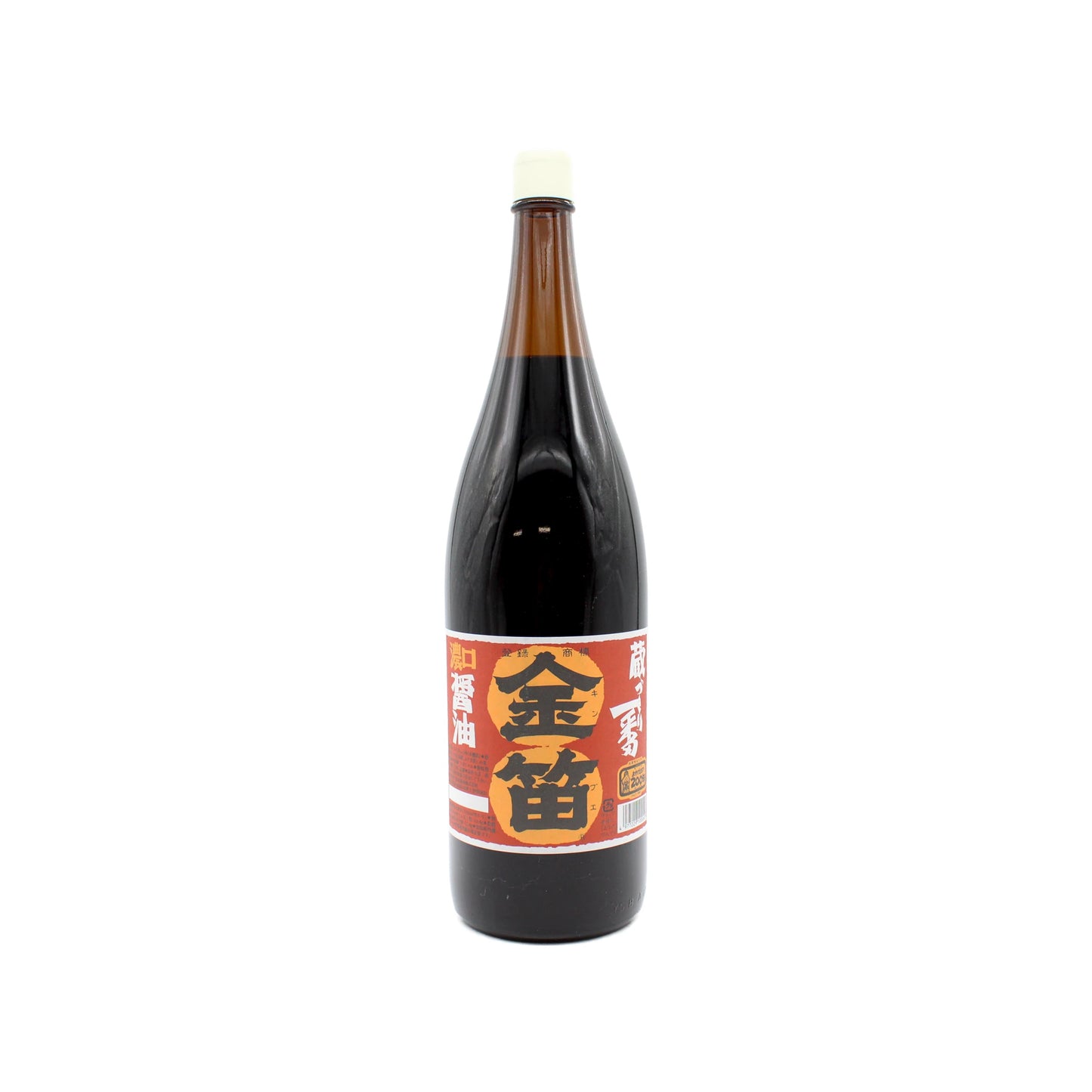
Aged soy sauce sits in a category of its own. Kamebishi has brewed Japanese shoyu in the same samurai house since 1753, and the two or more years of fermentation in 100-year-old cedar barrels is still overseen by the 17th generation of the Okada family. The result is mellower on the salt and longer on the finish. It tastes right on plain tofu. It tastes extraordinary in a careful recipe.


Award Winning


Sustainable


Growers


Free Delivery
Get inspired with some recipes


Japanese-Inspired Miso & Wholegrain Mustard Roast Leg of Lamb
This Japanese-inspired miso and wholegrain mustard roast leg of lamb combines rich umami flavours from miso, soy, and mirin with...


Wasabi & Watercress Potato Salad
This fresh and flavour-packed potato salad combines peppery greens, creamy wasabi mayonnaise and tender potatoes for a quick, vibrant side...


Smoky Homemade Baked Beans Recipe
A smoky, umami-rich twist on a classic favourite, these beans are delicious on toast, as a side, or straight from...

Japanese-Inspired Miso & Wholegrain Mustard Roast Leg of Lamb
This Japanese-inspired miso and wholegrain mustard roast leg of lamb combines rich umami flavours from miso, soy, and mirin with citrus and sesame for a deeply savoury, slightly sweet glaze that perfectly complements the tender, slow-roasted meat.

Wasabi & Watercress Potato Salad
This fresh and flavour-packed potato salad combines peppery greens, creamy wasabi mayonnaise and tender potatoes for a quick, vibrant side dish perfect for summer meals, barbecues, and light lunches.

Smoky Homemade Baked Beans Recipe
A smoky, umami-rich twist on a classic favourite, these beans are delicious on toast, as a side, or straight from the pan for a hearty, flavour-packed meal.